1.Music as a Fundamental Human Trait
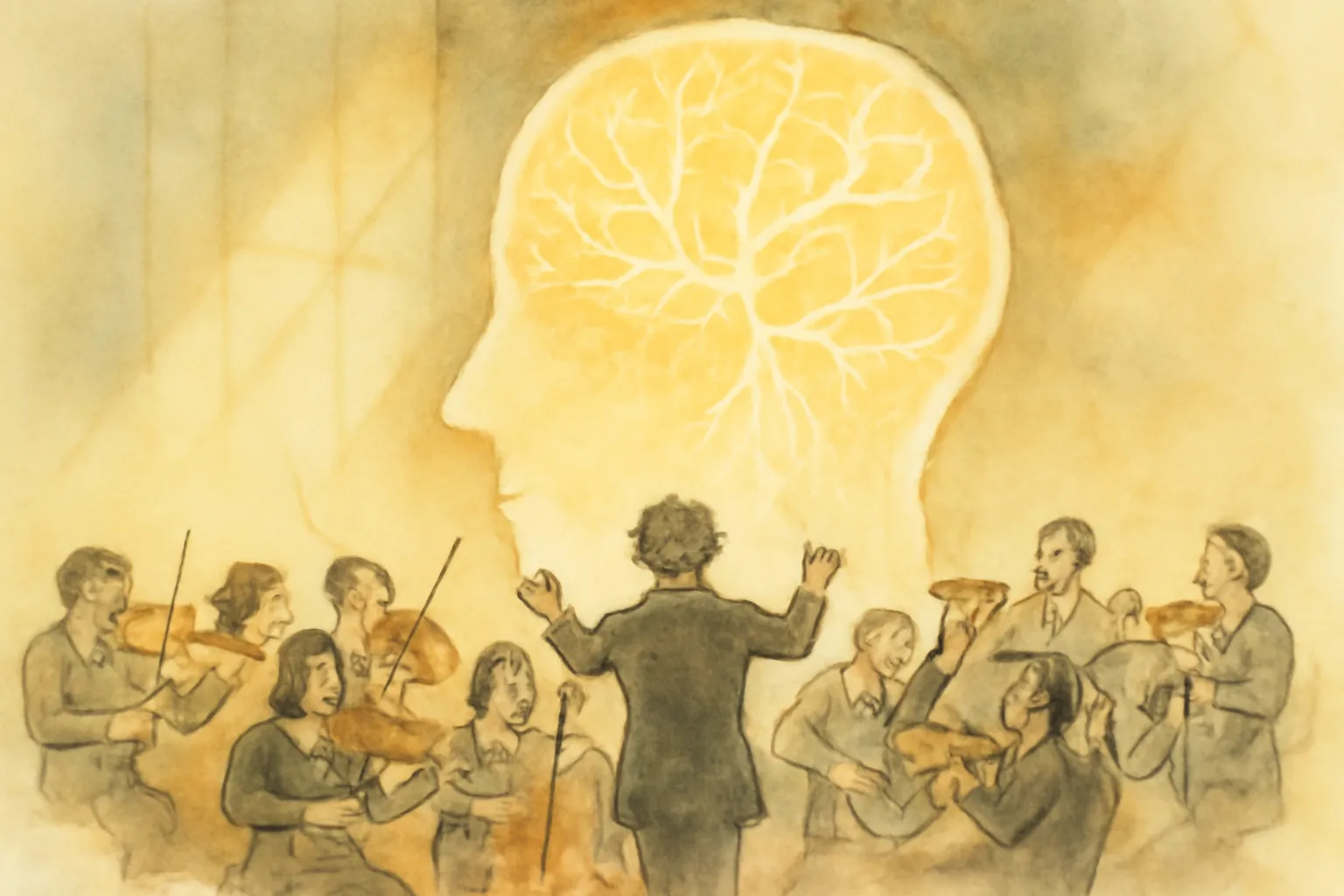
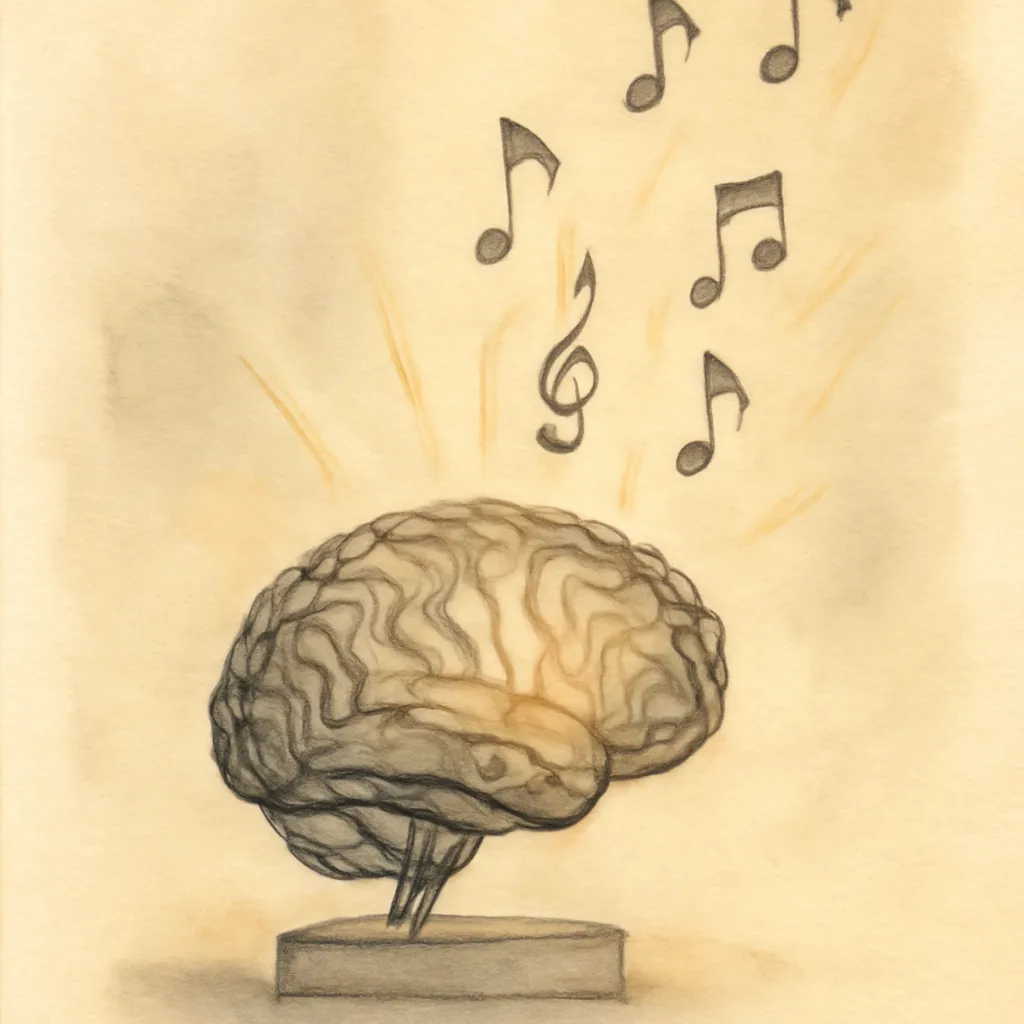
Sacks argues that music is not just a cultural artifact but a core aspect of human nature, deeply embedded in our neural architecture. He presents cases and research showing that humans are uniquely musical creatures, with music engaging more brain regions than language. This suggests that our response to music is both innate and universal, shaping our emotions, memories, and even our sense of self.
2.Neurological Disorders and Musical Experience
Through vivid case studies, Sacks illustrates how neurological conditions can dramatically alter, enhance, or even create new musical abilities. From sudden musical talent after brain injury to the loss of musical perception (amusia), these stories reveal the brain’s plasticity and the mysterious ways music can persist or emerge despite—or because of—neurological change.
3.Music, Memory, and Identity
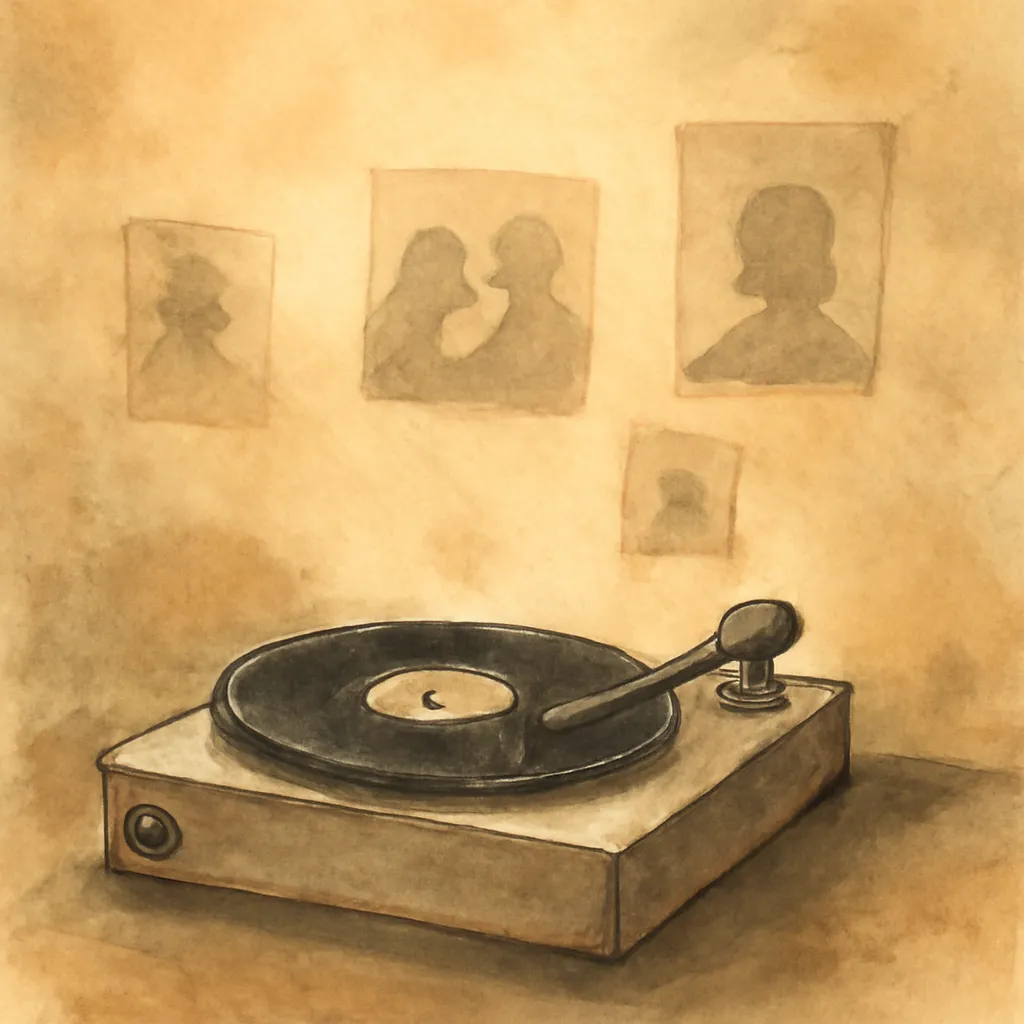
One of the book’s most moving themes is the power of music to reach those whose memories and identities have been eroded by illness. Sacks describes patients with severe amnesia or Alzheimer’s who, despite losing much of their past, can still recognize, perform, or be emotionally moved by music. This underscores music’s unique ability to access deep, resilient parts of the brain and personal identity.
4.The Therapeutic Power of Music
Musicophilia explores music’s remarkable therapeutic potential. Sacks documents how music can soothe tics in Tourette’s, help Parkinson’s patients walk, and provide comfort or communication for those with autism or aphasia. These examples highlight music’s capacity to bypass damaged neural pathways and foster connection, movement, and well-being.
5.The Dark Side of Musical Experience
While music often enriches lives, Sacks also examines cases where it becomes intrusive or distressing. He discusses phenomena like musical hallucinations, earworms, and the obsessive replaying of tunes, demonstrating that the same neural mechanisms that make music pleasurable can, in some cases, lead to suffering.
6.Music’s Role in Human Connection
Sacks emphasizes music’s social dimension, showing how it can unite people, foster empathy, and create shared experiences. Whether through group singing, dancing, or simply listening together, music serves as a powerful tool for bonding and community, transcending language and cognitive barriers.