1.The Aftermath of War
Phillips sets her narrative in the turbulent years following the Civil War, a period marked by chaos, loss, and shifting social structures. The novel examines not just the physical devastation but the lingering emotional and psychological wounds left on survivors. Through the eyes of her protagonists, Phillips explores how war’s trauma reverberates through families and communities, shaping identities and destinies long after the fighting ends.
2.Motherhood and Female Resilience
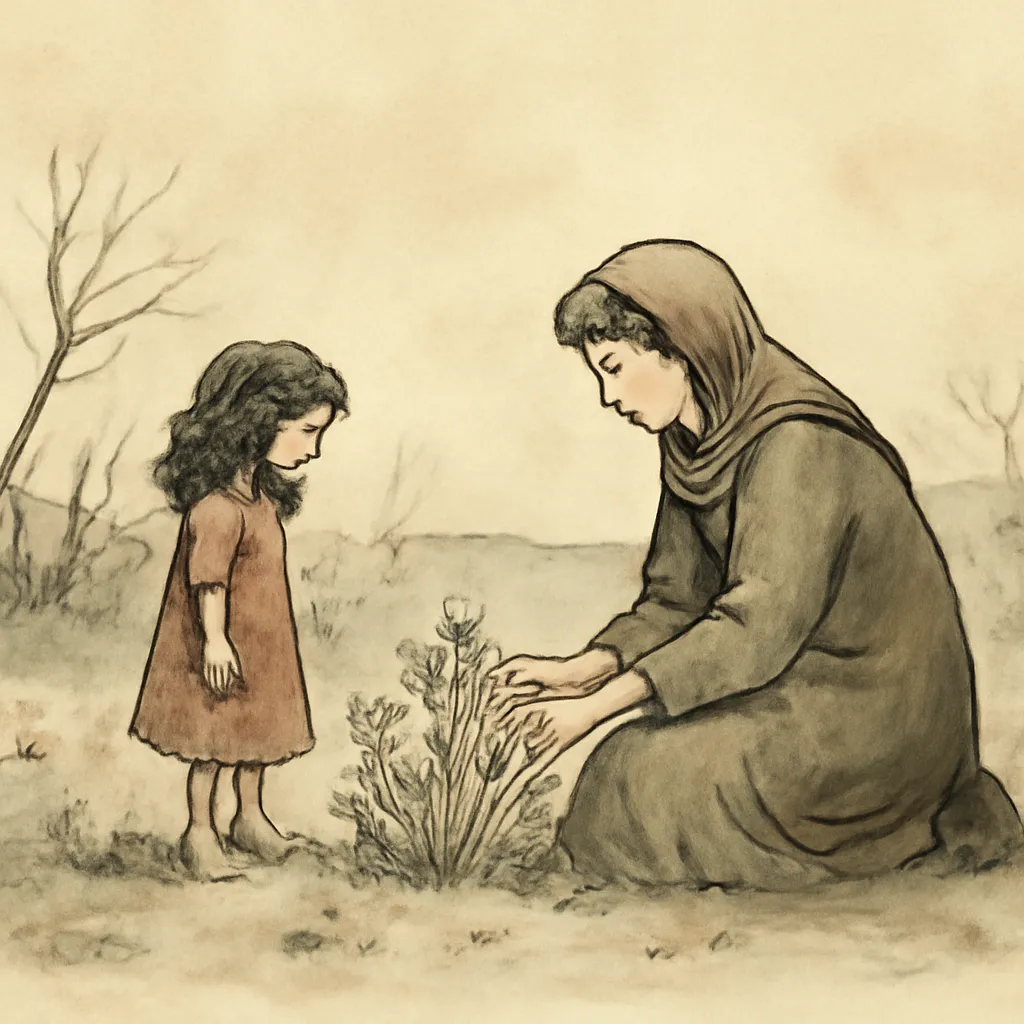
At the heart of Night Watch is the relationship between a mother and her daughter, whose bond is tested by displacement and danger. Phillips delves into the complexities of maternal love, portraying motherhood as both a source of vulnerability and an engine of survival. The novel foregrounds women’s experiences in a male-dominated historical narrative, highlighting their resourcefulness and endurance in the face of overwhelming odds.
3.Sanctuary and the Search for Home
The quest for refuge—physical, emotional, and spiritual—drives the story. The protagonists’ journey through war-torn landscapes becomes a metaphor for the universal human longing for safety and belonging. Phillips interrogates what it means to find or create a home when the familiar has been destroyed, and how hope persists even in exile.
4.Memory, Trauma, and Healing
Night Watch is deeply concerned with the persistence of memory and the slow, often painful process of healing. Characters are haunted by what they have witnessed and lost, and the novel explores how trauma can be both a burden and a catalyst for transformation. Through lyrical prose and shifting perspectives, Phillips renders the inner lives of her characters with empathy and nuance.
5.The Power of Storytelling
Phillips uses storytelling itself as a tool for survival and understanding. The act of recounting and reimagining the past becomes a way for characters to assert agency and make sense of chaos. The novel’s structure, with its layered narratives and evocative imagery, underscores the importance of stories in preserving identity and transmitting resilience across generations.
6.Historical Fiction as Witness
Night Watch demonstrates how historical fiction can bear witness to overlooked or marginalized experiences. By centering the voices of women and children, Phillips challenges dominant narratives of the Civil War era, inviting readers to reconsider whose stories are told and remembered. The novel’s meticulous attention to period detail deepens its emotional resonance and credibility.