1.The Rise of the Brand
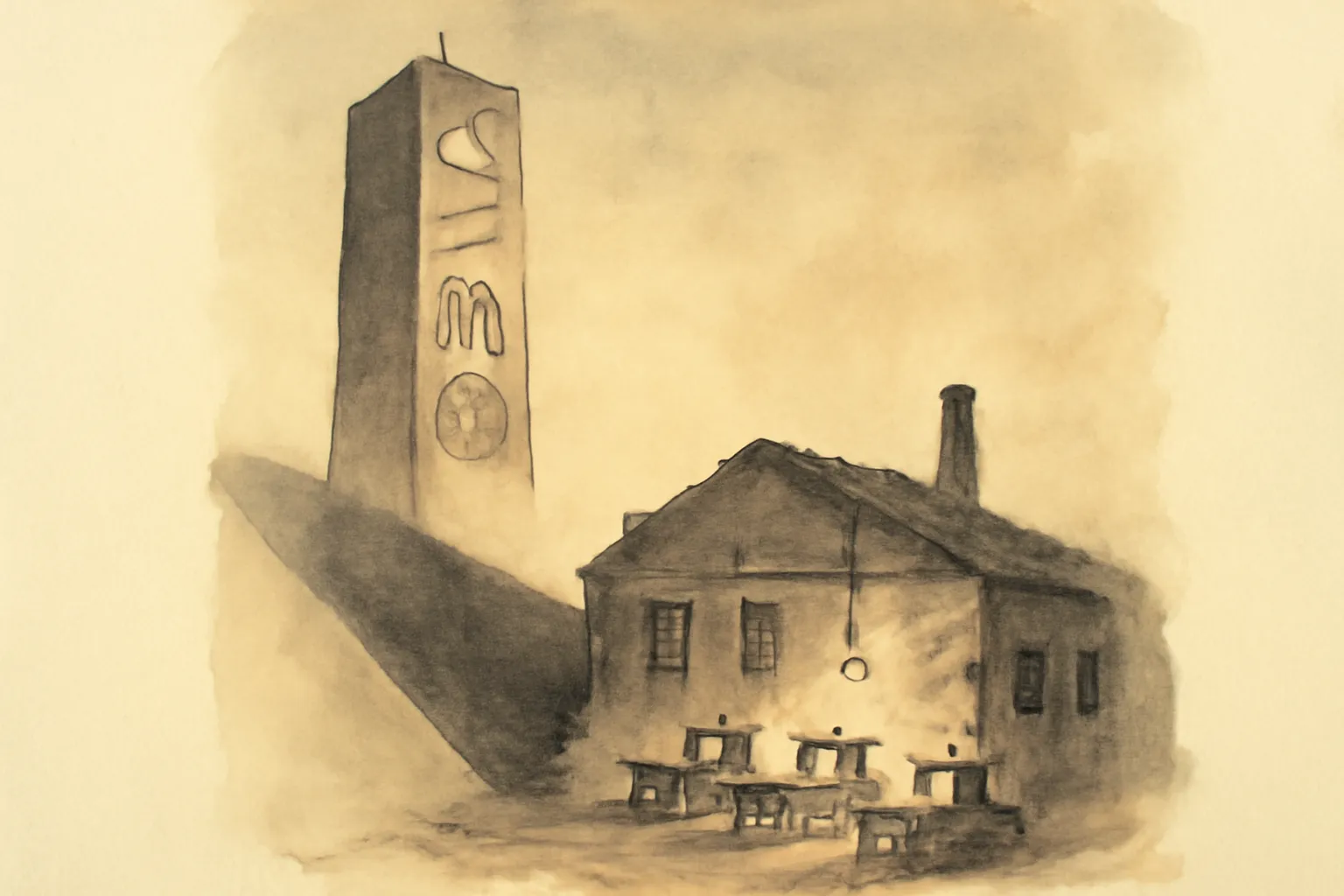
Klein argues that the late 20th century saw the rise of the brand as more important than the product itself. Companies shifted focus from manufacturing to marketing, investing heavily in creating powerful brand identities. This transformation meant that corporations outsourced production, distancing themselves from labor conditions, while pouring resources into advertising and sponsorship to embed their brands into culture and public spaces.
2.Labor and Outsourcing
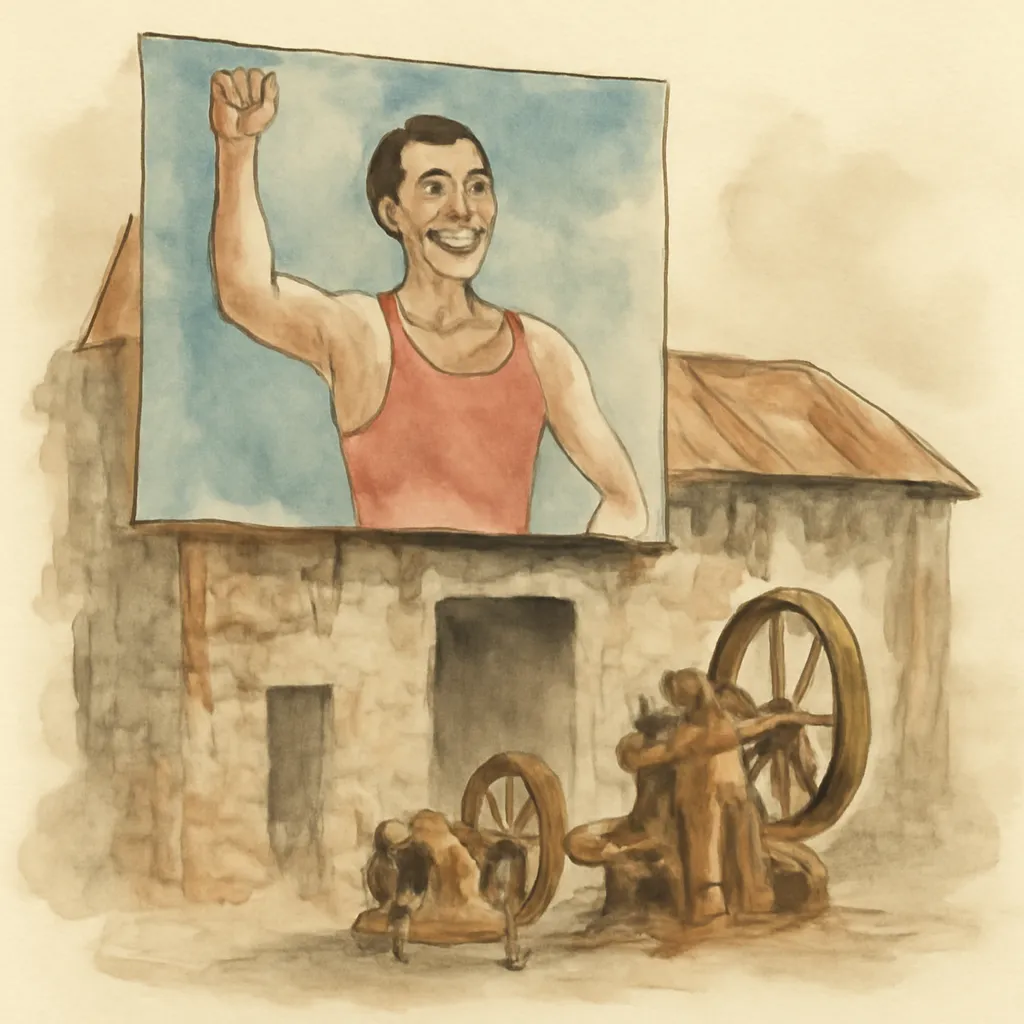
No Logo exposes how the pursuit of cheap production led to the proliferation of sweatshops, especially in developing countries. Klein documents how companies like Nike and Gap outsourced manufacturing to contractors, often in countries with weak labor protections, resulting in poor working conditions, low wages, and little accountability. The book highlights the disconnect between the glossy brand image and the harsh realities faced by workers producing branded goods.
3.Branding Public Space
Klein critiques the encroachment of brands into public and cultural spaces, from schools to cityscapes. She shows how advertising and sponsorships have colonized environments previously free from commercial influence, narrowing the space for genuine public discourse and creativity. This saturation of branding, she argues, shapes not only consumer choices but also the very fabric of daily life.
4.Consumer Resistance and Activism
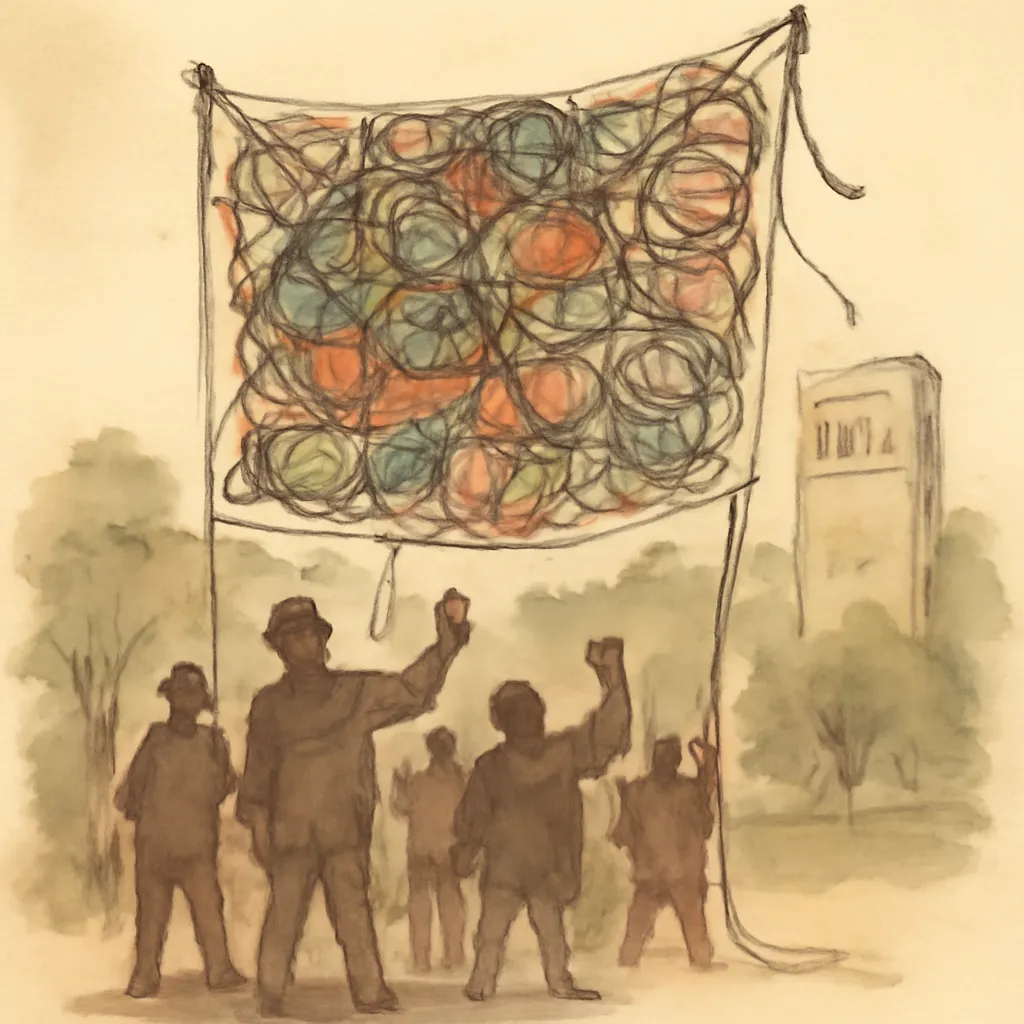
A central theme is the rise of grassroots activism challenging corporate power. Klein chronicles the emergence of anti-corporate campaigns, culture jamming, and labor solidarity movements that expose brand hypocrisy and demand accountability. These movements use creative tactics to subvert brand messaging and push for ethical practices, showing that consumers can be powerful agents of change.
5.The Illusion of Choice
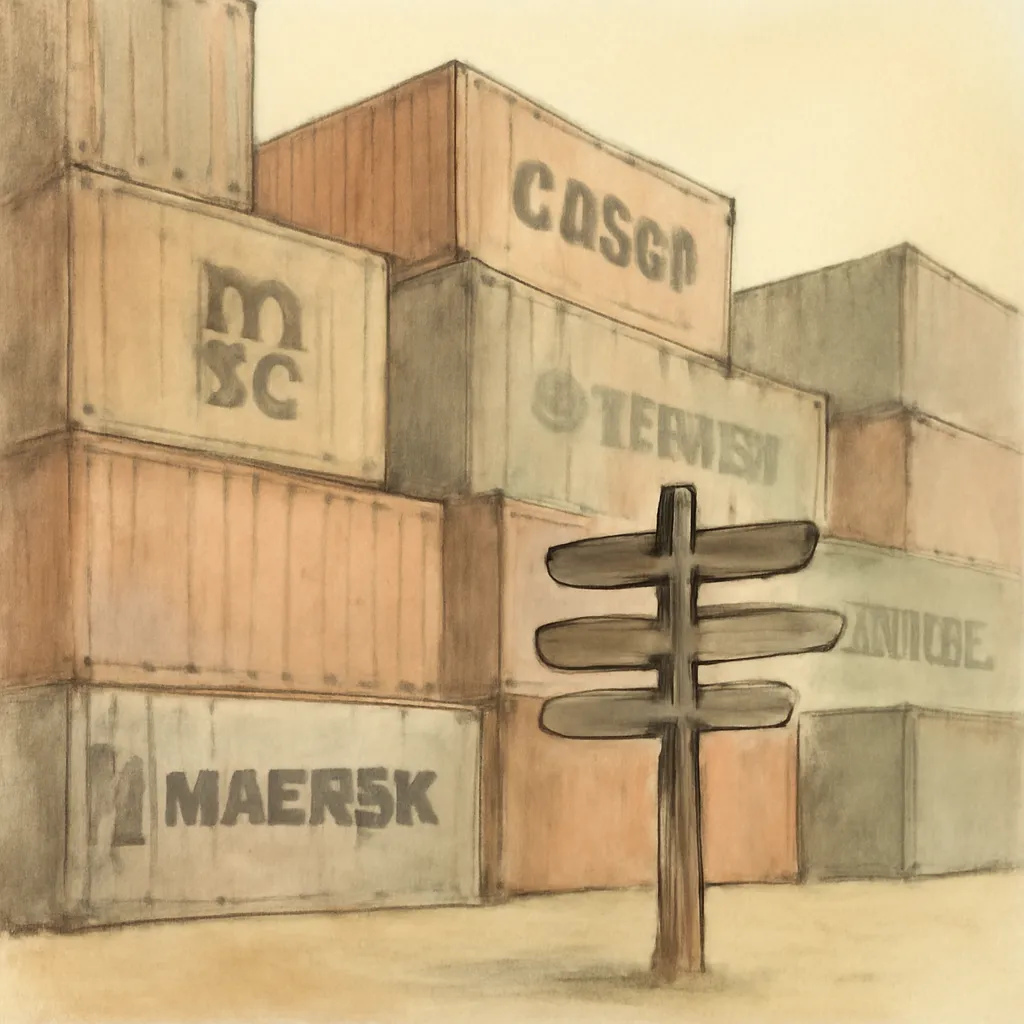
Despite the appearance of endless variety, Klein argues that market consolidation has left consumers with fewer real choices. A handful of conglomerates control many familiar brands, limiting diversity and reinforcing the dominance of global superbrands. This concentration of power raises concerns about cultural homogenization and the erosion of local alternatives.
6.The Ethics of Consumption
No Logo invites readers to reflect on their own roles as consumers. Klein suggests that ethical consumption is complicated by the opacity of global supply chains and the pervasiveness of branding. She encourages critical questioning of where products come from, how they are made, and the broader social and environmental impacts of consumption.