1.The Clash of Cultures: North vs. South
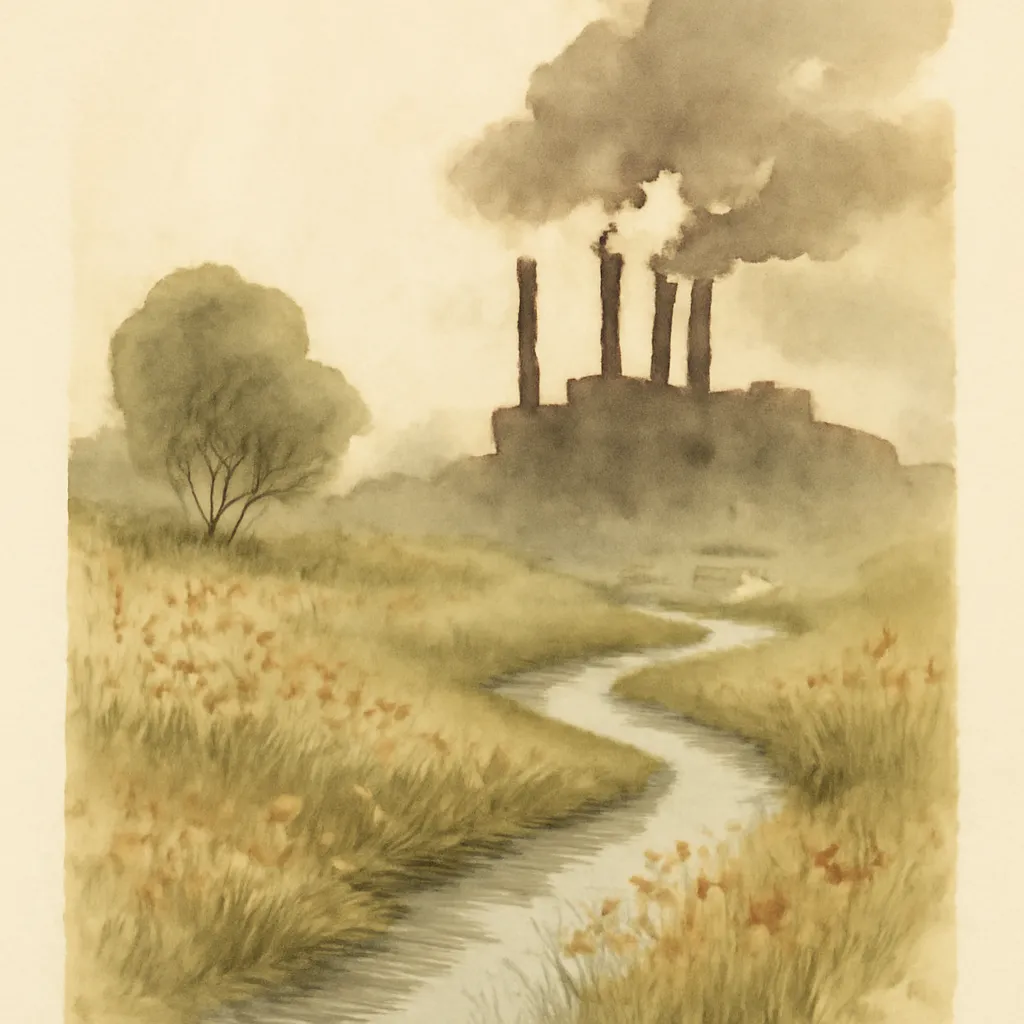
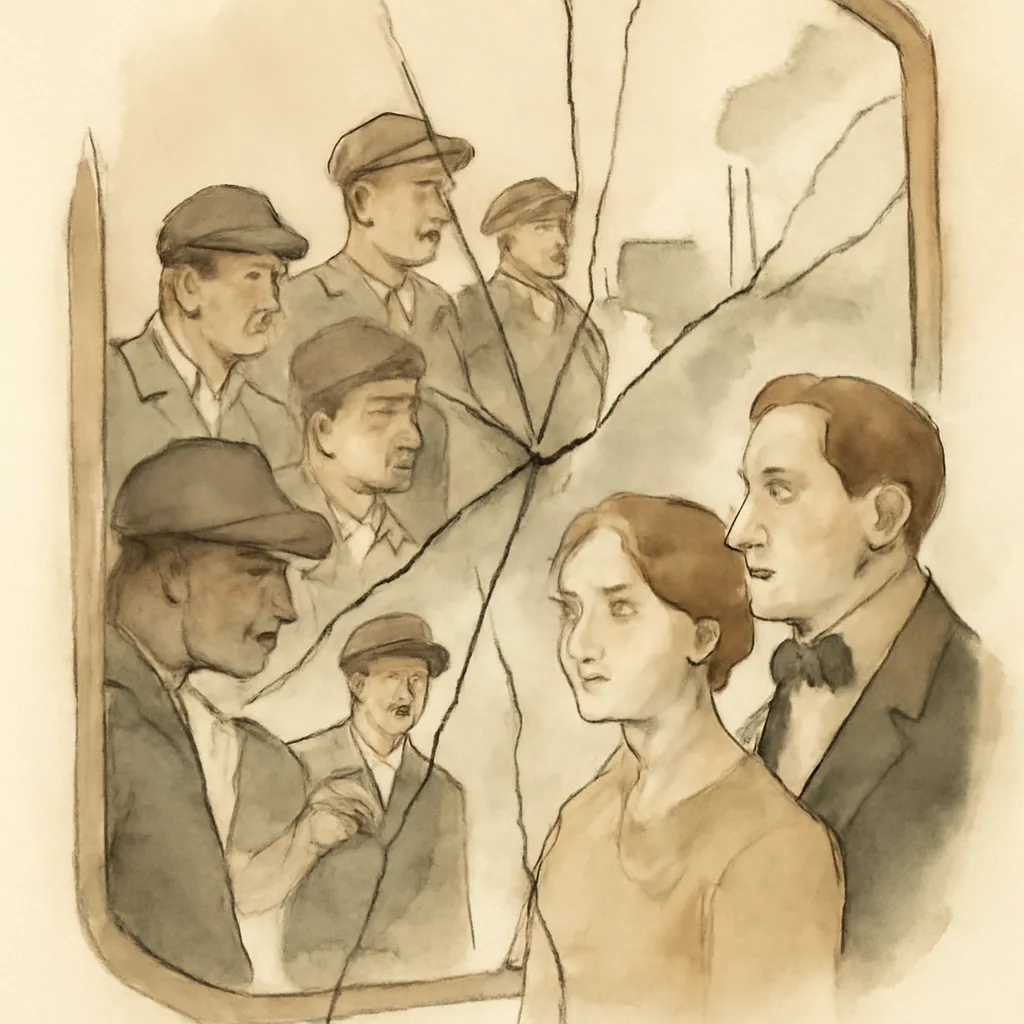
Gaskell vividly contrasts the pastoral beauty of Helstone in the south with the industrial harshness of Milton in the north. Margaret Hale's move from her rural parsonage to the factory town symbolizes a broader cultural shift occurring in England during the Industrial Revolution. In Milton, Margaret encounters the stark realities of labor, pollution, and class struggle, which challenge her preconceived notions of society. The northern industrialists, like John Thornton, embody a new breed of capitalist who is both ambitious and morally complex. This clash of cultures not only fuels the narrative conflict but also serves as a commentary on the evolving social landscape of the time, where traditional values are pitted against the forces of modernization and economic change.
2.Margaret Hale: A Complex Protagonist
Margaret Hale emerges as a strong and multifaceted character whose development reflects the novel's themes of social justice and personal resilience. Initially portrayed as a sheltered and somewhat naive young woman, her experiences in Milton force her to confront the harsh realities of life, particularly the struggles faced by the working class. As she navigates her complex feelings for John Thornton, Margaret's character evolves; she learns to balance her compassion for the oppressed with her own desires and aspirations. Her internal conflicts illustrate the difficulties of reconciling personal happiness with social responsibility, a theme that resonates throughout the narrative. Gaskell's portrayal of Margaret as a dynamic agent of change makes her a compelling reflection of the struggles women faced in a patriarchal society.
3.The Industrial Landscape: A Character in Itself
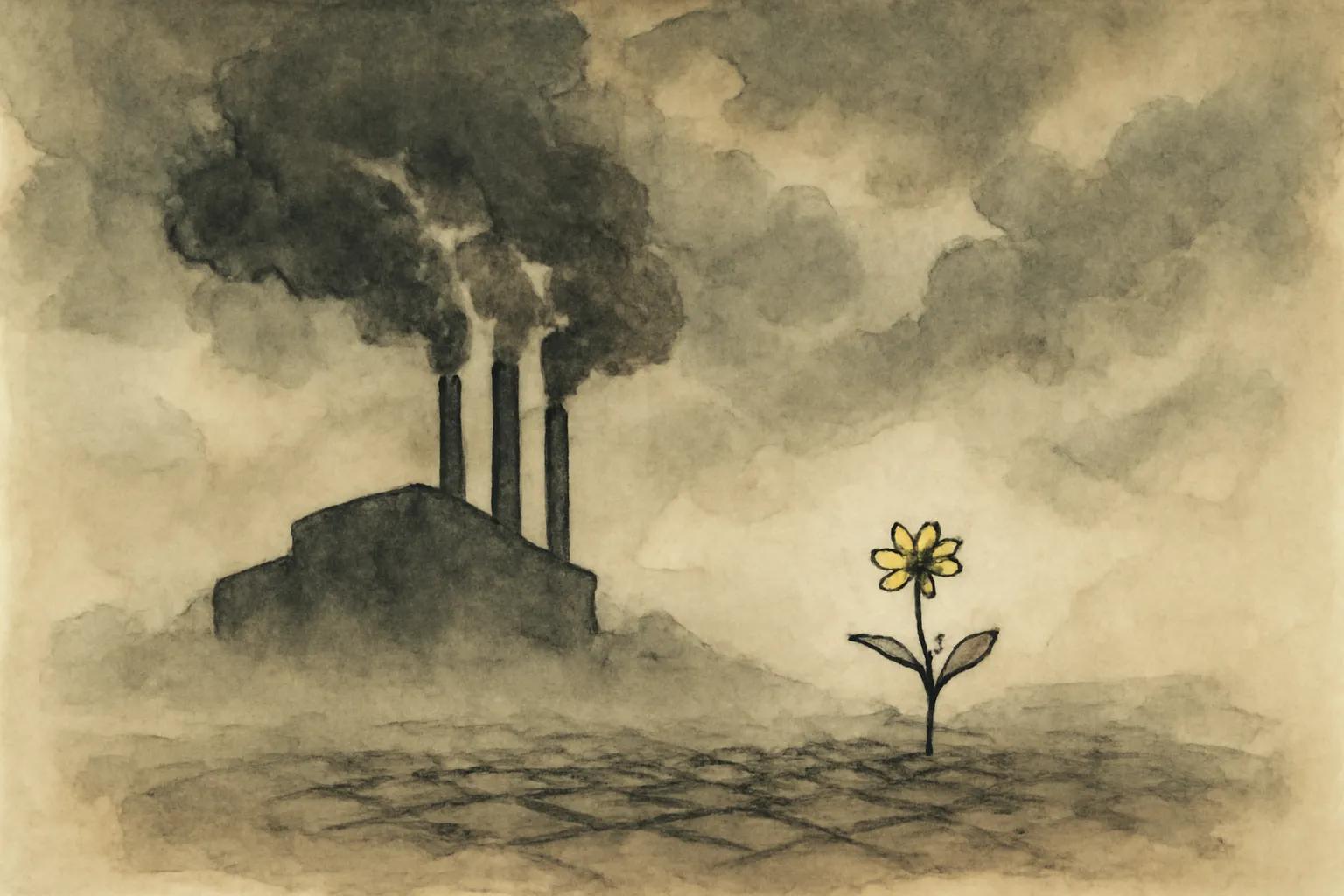
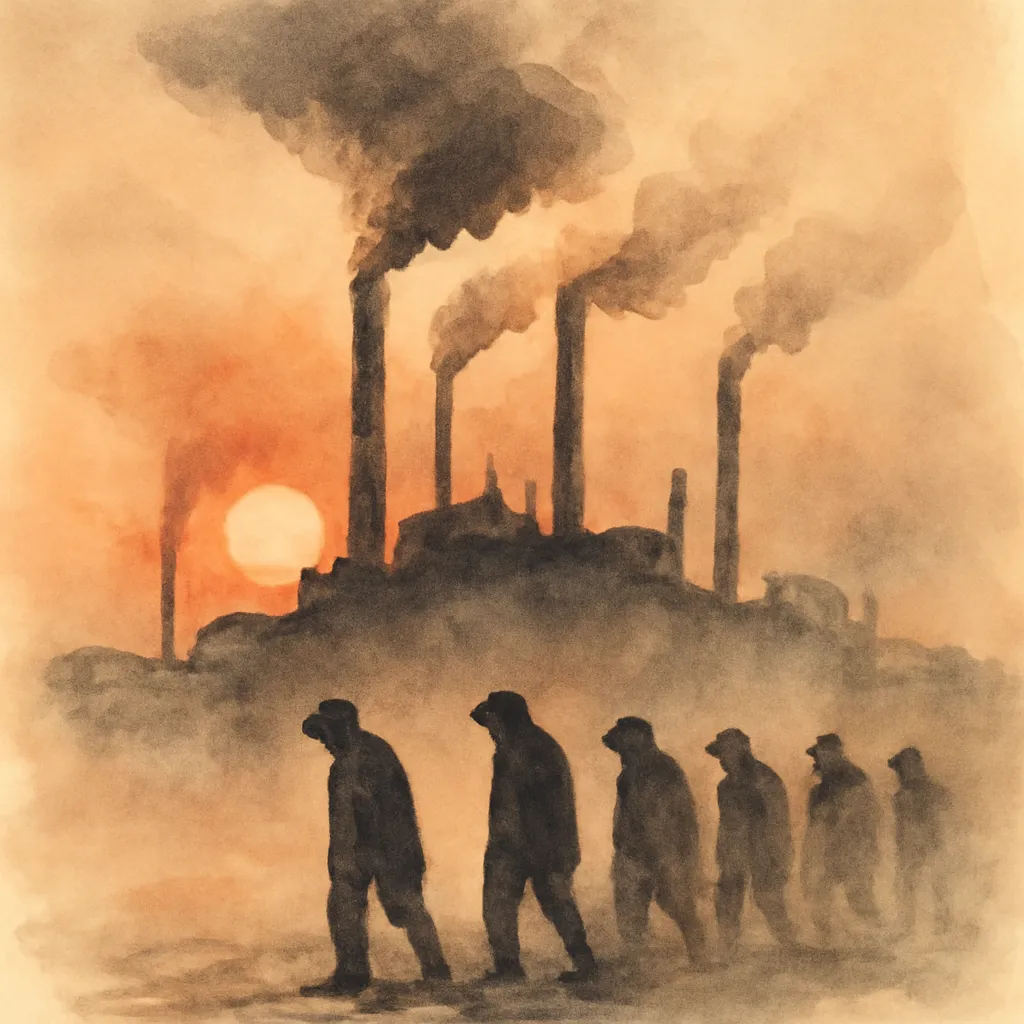
Milton's industrial landscape serves as a powerful backdrop that shapes the characters and their relationships. The factories, smoke, and noise create an atmosphere of tension that permeates the lives of the workers and the industrialists alike. Gaskell’s descriptions of the factory environment reveal the dehumanizing conditions under which workers toil, highlighting the physical and emotional toll of industrial labor. This setting becomes a catalyst for the characters' growth and conflicts, particularly between Thornton and Margaret, as they grapple with their differing values and worldviews. The industrial backdrop not only underscores the novel's social commentary but also reflects the broader struggles of the era, where the promise of progress often came at a significant human cost.
4.Class Struggle and Social Responsibility
One of the central themes of 'North and South' is the exploration of class struggle and the moral obligations of the wealthy towards the working class. Gaskell presents a nuanced view of the industrialists, particularly through the character of John Thornton, who, despite his wealth and social status, grapples with his responsibilities to his workers. The tension between profit and ethics is palpable, as Thornton faces pressure to cut wages while also feeling a sense of duty toward the well-being of his employees. Through Margaret's interactions with the Higgins family and other workers, Gaskell emphasizes the importance of empathy and understanding across class lines. This theme remains relevant today, as it prompts readers to consider the implications of their own social positions and the responsibilities that come with them.
5.Love Amidst Conflict
The romantic relationship between Margaret Hale and John Thornton is fraught with tension, reflecting the broader societal conflicts at play. Their love story unfolds against a backdrop of misunderstandings, class differences, and personal ideals, making it both compelling and complex. Initially, Margaret views Thornton with disdain due to his business-oriented mindset and the way he treats his workers, while Thornton is captivated by Margaret's strength and moral conviction. Their relationship challenges traditional gender roles, as Margaret asserts her independence and refuses to conform to societal expectations of women. Gaskell uses their evolving relationship to illustrate how love can transcend social barriers, but also how it can be complicated by the realities of class and power dynamics.
6.The Role of Women in Society
Gaskell explores the limited roles available to women in the 19th century, presenting characters that embody various responses to these constraints. Margaret Hale represents a new generation of women who challenge traditional norms; she is strong-willed, independent, and actively engages in the social issues of her time. In contrast, characters like Fanny Thornton exemplify the constraints of privilege and the superficiality of a life focused solely on social status. Through Margaret's activism and her relationships with other women, Gaskell highlights the potential for women to effect change in their communities and assert their voices in a male-dominated society. This theme resonates powerfully today, as it continues to inspire discussions about gender equality and women's rights.
7.Empathy and Understanding Across Class Lines
Throughout the novel, Gaskell emphasizes the importance of empathy and understanding as pathways to bridging class divides. Margaret's interactions with the Higgins family illustrate her growing awareness of the struggles faced by the working class. Despite her initial discomfort, she learns to appreciate the dignity of their lives and the complexity of their struggles. This empathy is mirrored in Thornton's gradual realization that his workers are not mere cogs in a machine but individuals with their own hopes and dreams. Gaskell advocates for a society where individuals can connect across class lines, fostering compassion and solidarity amidst the challenges posed by industrialization. This message remains significant, urging readers to cultivate empathy in their own lives.
8.The Quest for Identity and Belonging
Margaret's journey in 'North and South' is also a quest for identity and belonging, as she grapples with her changing circumstances and the loss of her childhood home. The move to Milton forces her to confront her values and beliefs in the face of adversity. As she navigates the complexities of her relationships with Thornton, her family, and the working class, she begins to forge a new identity that incorporates her experiences in the industrial town. Gaskell uses Margaret's struggles to reflect the broader theme of self-discovery amidst societal change, encouraging readers to consider their own paths to understanding themselves in a rapidly evolving world. This quest for identity is universal, transcending time and place.
9.The Impact of Economic Change on Personal Relationships
Gaskell highlights how economic changes brought about by industrialization profoundly affect personal relationships and community dynamics. The tensions between workers and industrialists are not just economic; they also seep into personal lives, affecting friendships and familial bonds. The strike, a pivotal event in the novel, serves as a catalyst for conflict but also for reconciliation, as characters are forced to confront their differences and find common ground. Gaskell portrays the impact of economic realities on human connections, illustrating that the struggle for survival often complicates relationships in profound ways. This theme prompts readers to reflect on how economic circumstances can influence their own relationships and communities.
10.Redemption and Forgiveness
Redemption and forgiveness play critical roles in the resolution of conflicts in 'North and South.' Characters like Thornton and Margaret must confront their past mistakes and misunderstandings to move forward. Thornton's journey towards understanding the plight of his workers and his willingness to change reflects the possibility of redemption through self-awareness and empathy. Similarly, Margaret learns to forgive and accept the complexities of human nature, recognizing that people are shaped by their circumstances. Gaskell's emphasis on redemption and forgiveness serves as a hopeful message, suggesting that personal growth and reconciliation are achievable even in a world marked by strife and division. This theme resonates with readers, highlighting the importance of compassion in overcoming adversity.