1.Libertarian Paternalism
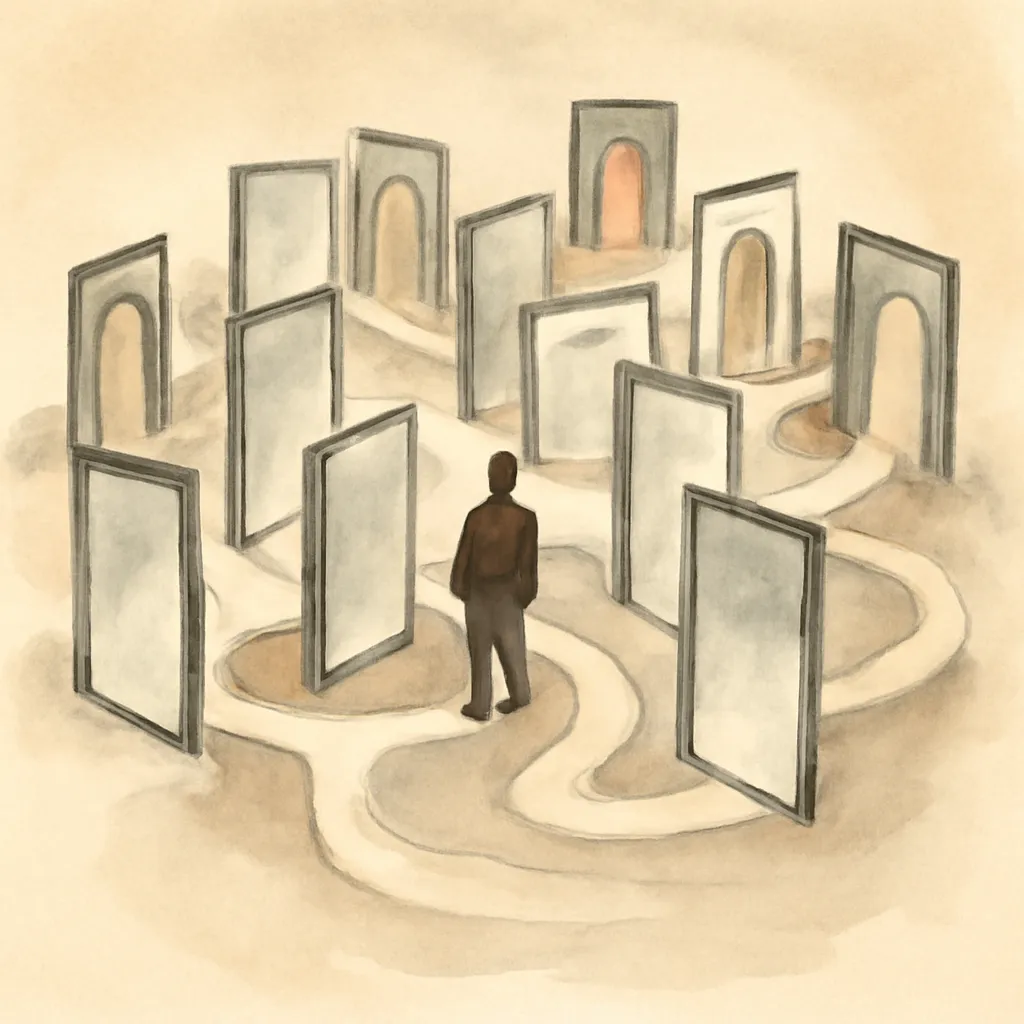
Thaler and Sunstein introduce 'libertarian paternalism' as a philosophy that aims to influence choices for people's benefit while preserving individual freedom. Unlike heavy-handed regulation, this approach respects autonomy but acknowledges that people often make irrational decisions due to cognitive biases. The authors argue that it's both possible and ethical to structure choices in ways that nudge people toward better outcomes, like saving more for retirement or eating healthier, without eliminating options or imposing mandates.
2.Choice Architecture
Central to the book is the concept of 'choice architecture'—the way choices are organized and presented. Every environment, from cafeterias to retirement plans, has a choice architecture, whether intentional or not. The authors show that small details—like the order of food in a buffet or the default settings on a form—can have outsized effects on the decisions people make. By designing these environments thoughtfully, we can help people make better choices without coercion.
3.Human Biases and Heuristics
Nudge draws extensively on behavioral economics to explain why people deviate from rational decision-making. Thaler and Sunstein discuss biases like inertia, loss aversion, and status quo bias, which often lead to suboptimal choices. Recognizing these predictable errors, the authors argue, is crucial for designing effective nudges that compensate for human limitations rather than exploit them.
4.Defaults and Their Power
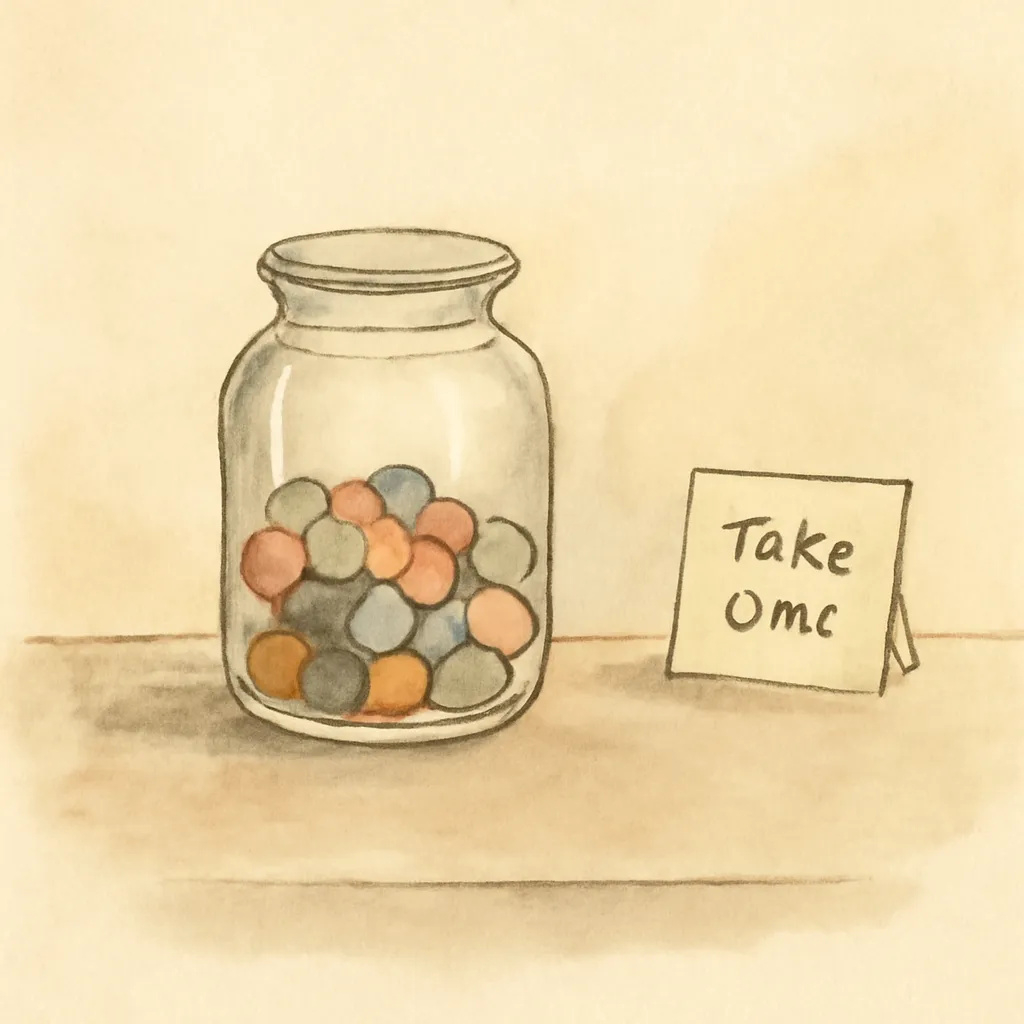
One of the most powerful tools in the nudge toolkit is the use of defaults—the pre-set options that take effect if people do nothing. Because most people stick with defaults out of convenience or indecision, setting beneficial defaults (like automatic enrollment in pension plans) can dramatically improve outcomes. The book provides real-world examples where simple changes to defaults have led to higher savings rates, increased organ donation, and more.
5.Applications in Public Policy and Everyday Life
Nudge is not just theoretical; it offers concrete applications in areas like health, finance, and environmental policy. The authors illustrate how governments, employers, and even families can use nudges to promote better behavior—such as increasing vaccination rates or reducing energy consumption. The book also cautions that nudges must be transparent and in the public interest, warning against manipulative or self-serving uses.
6.Ethical Implications and Limits
Thaler and Sunstein address concerns about manipulation, emphasizing that nudging should be used to help people achieve their own goals, not those of the choice architect. They advocate for transparency and the ability for individuals to opt out easily. The book invites readers to consider where the line should be drawn between helpful guidance and undue influence, making ethics a recurring theme.