1.The Line-Rider's Journey
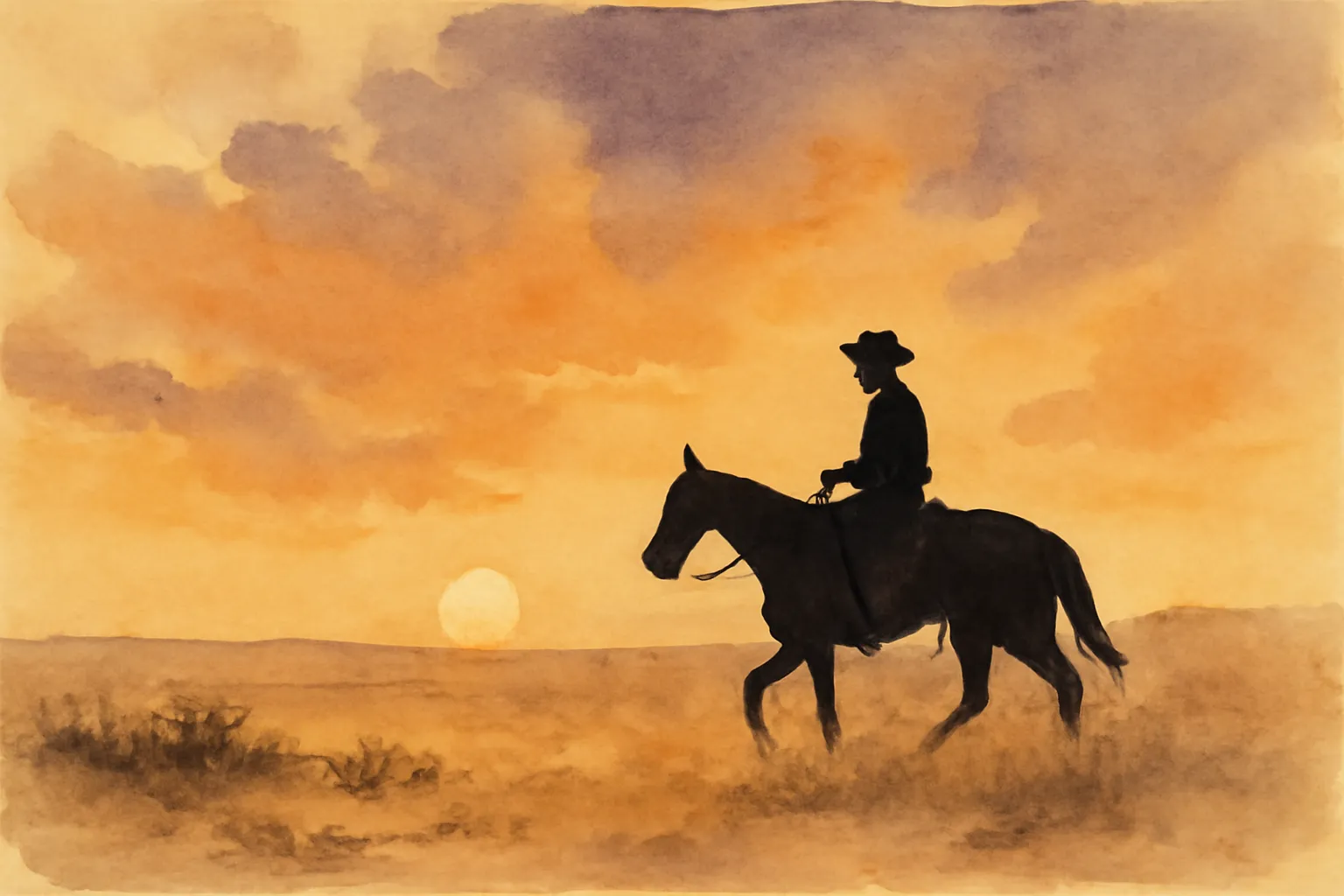
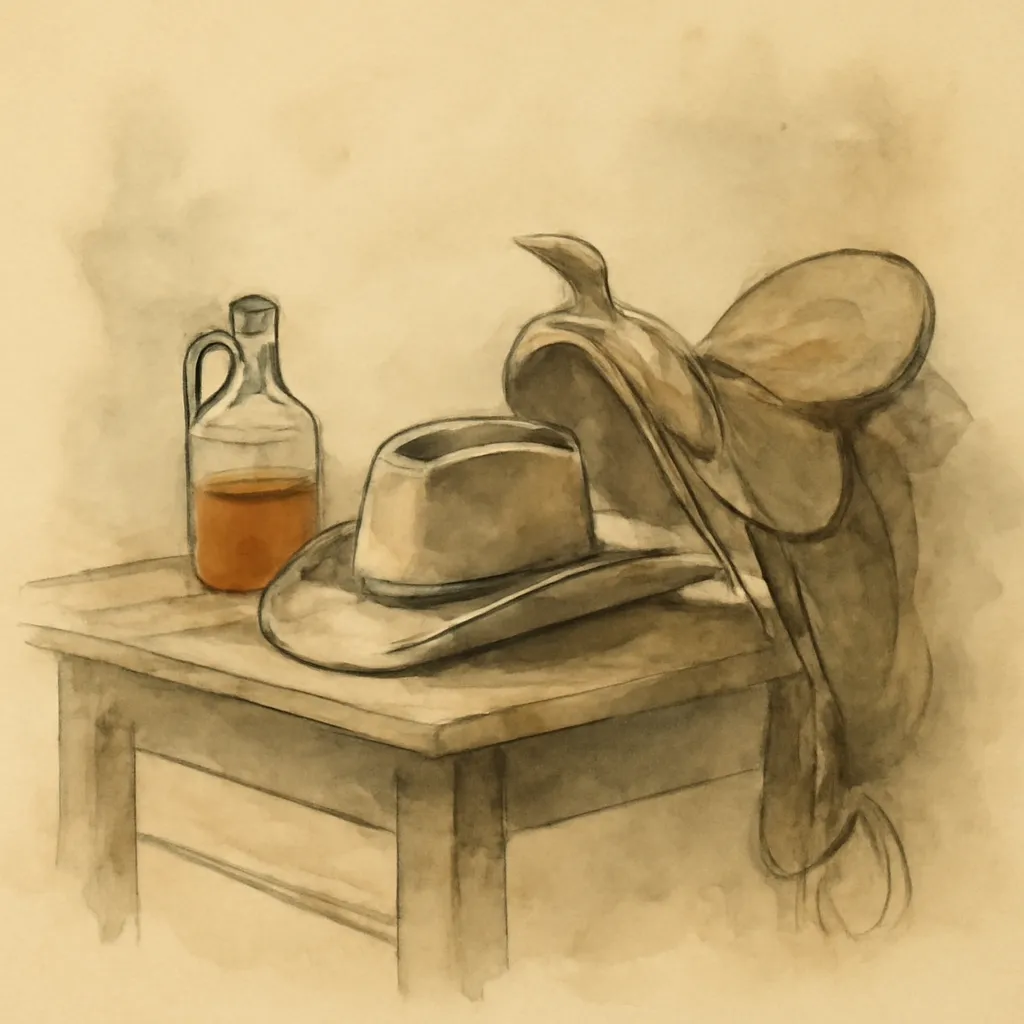
Jack Roberts, the line-rider, represents the quintessential cowboy spirit. He begins his journey in the early morning light, filled with youthful exuberance and an eagerness for adventure. His solitary existence in the vast desert reflects a life of both freedom and isolation. As he packs his supplies and sings a cowboy ditty, readers witness his carefree attitude. The harsh realities of his job, however, loom ahead as he prepares to ride out and face the day. The descriptions of the Panhandle's landscape, with its blooming cacti and distant herds of buffalo, serve to highlight the beauty and danger of the frontier life. This opening chapter sets the tone for Jack’s character, painting him as not only physically capable but also emotionally resilient, embodying the spirit of adventure that defines many who ventured into the untamed West.
2.Promotion and Responsibility
The arrival of Pedro Menendez introduces a shift in Jack's life as he learns he is being promoted to take charge of a trail herd. This news, while a sign of advancement, also comes with the weight of responsibility. Jack's reaction is noteworthy; he maintains an impassive demeanor, reflecting a gambler's acceptance of fate, whether good or bad. This moment encapsulates the tough decisions faced by those on the frontier—balancing ambition with the inherent risks of the cattle business. The pressure of leadership is further amplified by the lurking dangers of rustlers like the Dinsmore gang, which serve as a constant reminder of the threats that can undermine a cowboy's efforts. Jack's development into a leader shows that the path to maturity is fraught with challenges, and his ability to adapt to these changes reveals a deeper understanding of his role in this rugged environment.
3.The Importance of Vigilance
As Jack prepares for his new duties, the narrative emphasizes the constant threat of rustlers and outlaws in the Panhandle. His warning to Pedro about the Dinsmore gang illustrates the ever-present danger lurking in the shadows of frontier life. The need for vigilance is a recurring theme; ranchers and cowboys must remain alert and prepared for confrontation. Jack's experience in recognizing cattle signs and brands showcases his expertise, but it also underscores the skills necessary for survival in a lawless land. For instance, Jack’s ability to identify hidden cattle in the brush indicates not only his sharp observational skills but also his intimate knowledge of the land and its secrets. This vigilance is vital, as it directly affects the safety and success of his cattle operation. Thus, the narrative ingrains in readers the understanding that awareness and preparedness are critical for survival in the unpredictable environment of the West.
4.A Glimpse into Cowboy Culture
The interactions between Jack and other characters, such as the old cattleman Clint Wadley and the Mexican Pedro, offer a glimpse into the diverse culture of the cowboy community. Through their dialogues, readers gain insights into the values, camaraderie, and rivalries that define this world. Clint's rough demeanor and commanding presence juxtapose Jack's youthful energy, creating a dynamic that reflects the generational shift occurring in the West. The cultural nuances, including the importance of food, song, and storytelling, enrich the narrative, making it a vivid representation of the cowboy's life. The scenes in which Jack engages in light-hearted banter with Pedro and others exemplify the strong bonds formed through shared experiences – whether they are moments of joy or hardship. This intermingling of cultures is critical in showcasing the melting pot that the West represented, where diverse backgrounds collided to create a unique societal fabric.
5.Confronting Danger
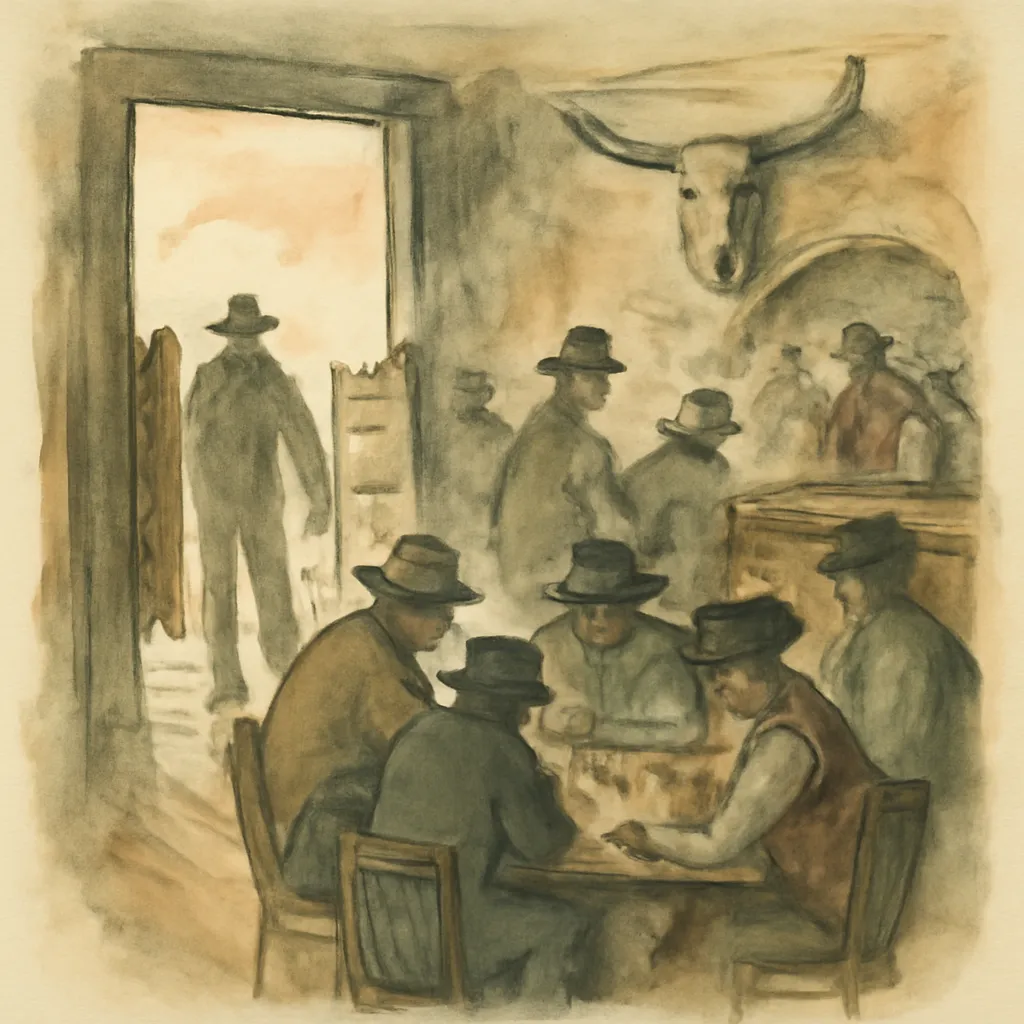
The tension escalates when Jack Roberts enters the Longhorn saloon, a hub of activity where job-seekers and gamblers converge. His decision to find a cook for his trail outfit in this environment illustrates the unpredictable nature of frontier life. The saloon serves as a microcosm of the broader society, where fortunes can change rapidly, and danger can lurk behind every corner. Jack's keen observation of the patrons, particularly the men who seem to carry the weight of menace, signifies his awareness of the potential threats he faces. This scene encapsulates the essence of the Wild West, where every interaction can lead to opportunity or peril, and the stakes are always high. The saloon, filled with characters of various backgrounds and intentions, becomes a stage where the drama of life unfolds, reflecting the high tensions and interactions that define the social landscape of the frontier.
6.The Weight of Expectations
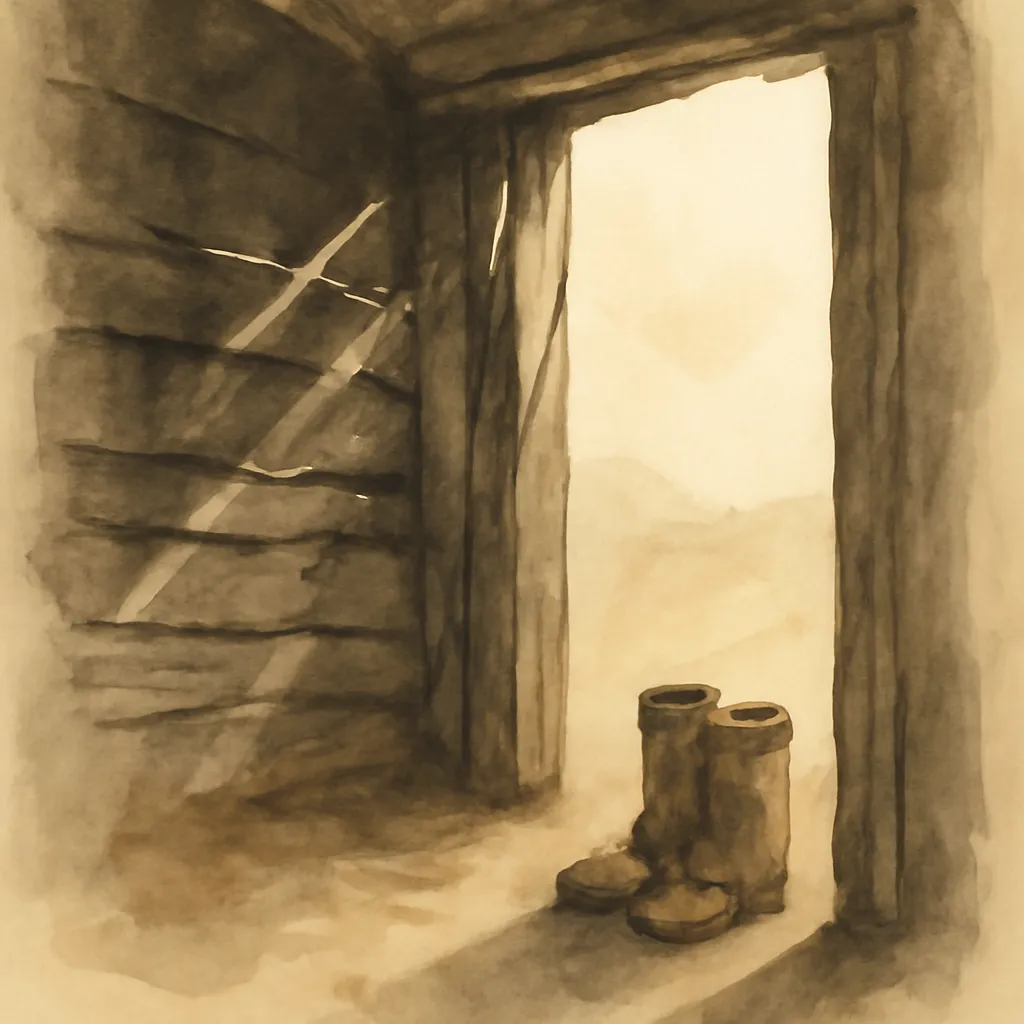
Arthur Ridley, another key character, embodies the struggles of those from the East attempting to find their place in the rough and tumble environment of the West. His encounter with Clint Wadley reveals the expectations placed upon him as he seeks a position in the cattle business. The dialogue between them highlights the cultural differences between the East and West, with Clint's rugged, no-nonsense approach contrasting sharply with Arthur's more refined background. This dynamic illustrates the broader theme of adaptation and survival in a challenging environment. The pressure Arthur feels to prove himself reflects the struggles many faced in the West, where reputation and capability often determined one's success. As he navigates this new landscape, the reader witnesses his transformation from a timid outsider to a more confident individual who begins to understand the values of the frontier, emphasizing that growth often requires stepping outside one’s comfort zone.
7.Justice and Morality
The tension between law and lawlessness becomes a pivotal theme as characters confront moral dilemmas. Jack Roberts's role as a Ranger places him in direct conflict with the Dinsmore gang, who embody the lawlessness that plagues the region. The complexities of justice are explored as Jack grapples with his duty to uphold the law while also recognizing the harsh realities of the frontier. The moral ambiguity of characters like the Dinsmores adds depth to the narrative, challenging readers to consider the motivations behind their actions. As Jack is forced to make difficult choices regarding the Dinsmore gang, the narrative illustrates that notions of right and wrong are often blurred in a world where survival is paramount. This exploration of morality raises questions about the nature of justice itself, examining how individuals justify their actions based on the circumstances they face.
8.The Dance of Power and Influence
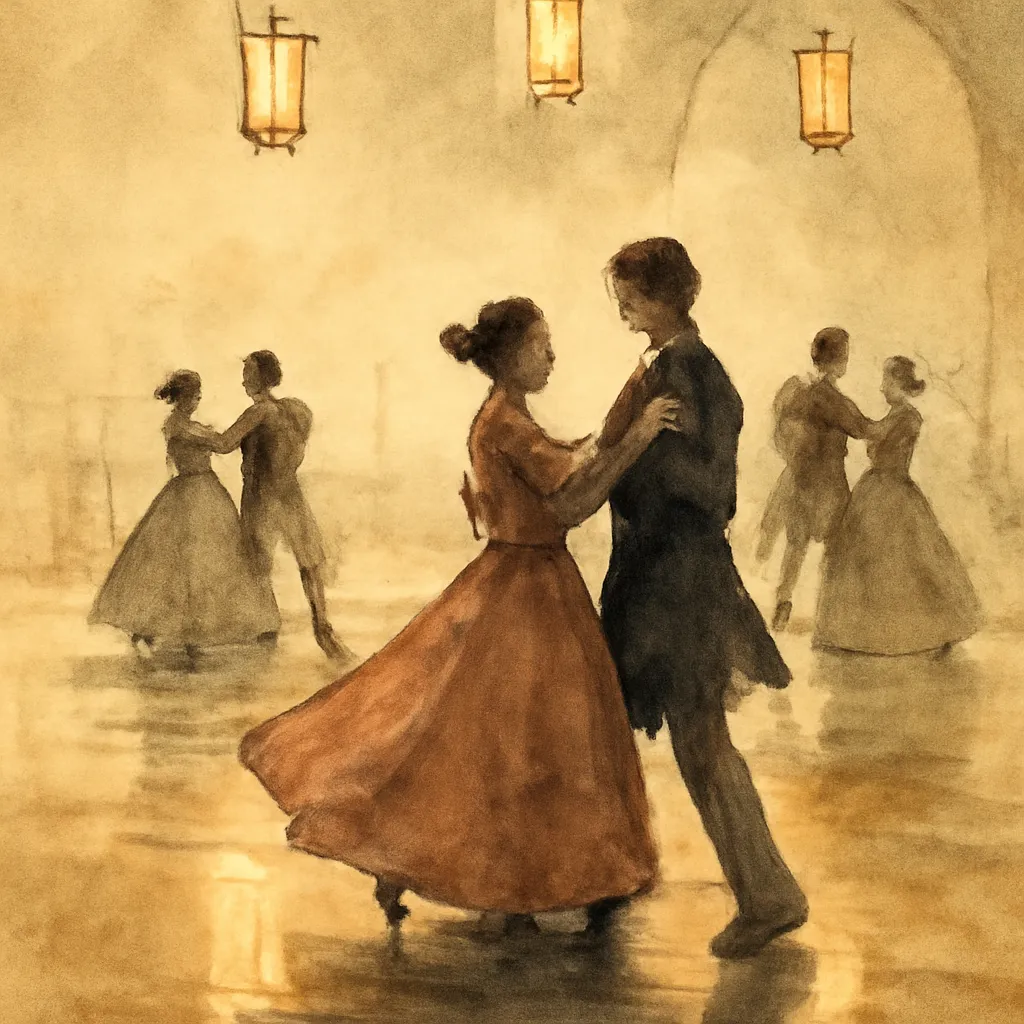
The social dynamics at play during the dance at Tomichi Creek illustrate the intersection of personal ambition and community relationships. Rutherford Wadley's entrance into the dance hall signifies his desire to assert dominance and charm, particularly in pursuit of Bonita, the betrothed of another. This moment captures the competitive nature of relationships in the frontier, where social standing and personal connections can shift rapidly. The dance serves as both a literal and metaphorical battleground for influence, showcasing how characters navigate their desires and ambitions amidst the expectations of society. The interactions at the dance highlight the importance of reputation and the lengths individuals will go to secure their place in the community. This dance becomes a pivotal moment in the narrative, illustrating how personal ambitions can lead to conflict and rivalry in a world where social ties are both fragile and influential.
9.The Consequences of Betrayal
As the story unfolds, the theme of betrayal emerges prominently, particularly through the character of Arthur Ridley. His decision to trust others while navigating the dangers of the frontier leads to a precarious situation. The robbery he experiences serves as a catalyst for his transformation, forcing him to confront his fears and insecurities. The narrative explores the emotional and psychological impact of betrayal, emphasizing the importance of trust in a world fraught with danger. Arthur’s inner turmoil as he grapples with his feelings of inadequacy and betrayal serves to illustrate the broader theme of loyalty. His journey from a place of despair to one of newfound courage highlights the complex interplay between trust, integrity, and personal growth in an environment where friendships can be as fragile as the lives they lead.
10.A Fight for Survival
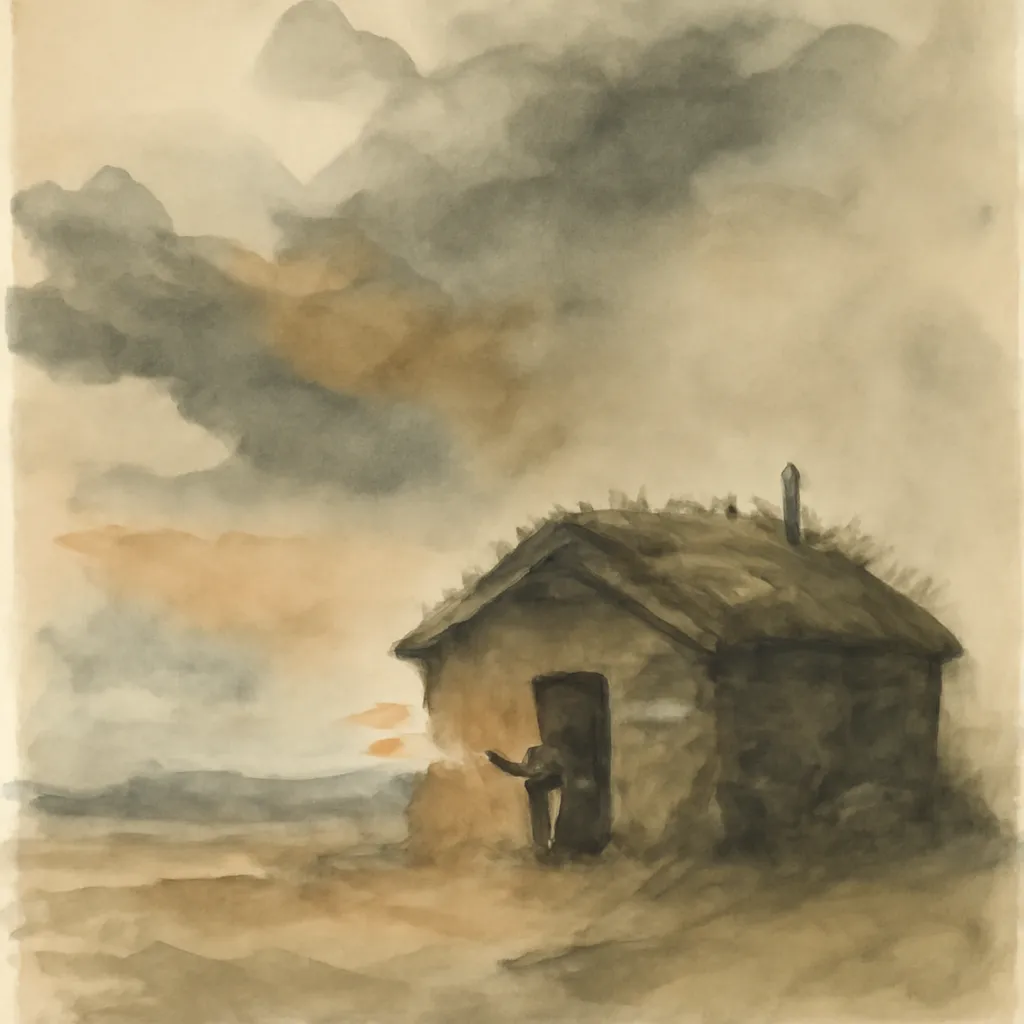
The climactic moments involving Jack Roberts and the Dinsmore gang showcase the ultimate fight for survival in a lawless land. The confrontation at the sod-house, where Jack stands against a mob intent on lynching Tony Alviro, embodies the struggle between justice and mob mentality. Jack's calm demeanor in the face of overwhelming odds highlights his courage and determination to uphold the law, even when it puts him in danger. The tension builds as he faces the mob, demonstrating the precarious balance between authority and chaos. This pivotal scene encapsulates the essence of the Wild West, where the line between right and wrong is often blurred, and the fight for justice requires both bravery and sacrifice. Jack’s resolve in the face of such hostility serves as a testament to his character and a reminder of the sacrifices made by those who stand for what is right.
11.The Legacy of the Frontier
The conclusion of 'Oh, You Tex!' reflects on the enduring legacy of the frontier experience. The characters, shaped by their trials and tribulations, emerge with a deeper understanding of themselves and their place in the world. The bonds formed through shared experiences illustrate the resilience of the human spirit in the face of adversity. As the narrative draws to a close, it resonates with the idea that the frontier, with all its challenges, has forged a unique identity for those who dared to inhabit it. The lessons learned—about loyalty, courage, and the quest for justice—echo throughout the story, leaving readers with a profound appreciation for the complexities of life on the Texas frontier. This legacy serves as a reminder of the sacrifices made by those who ventured into the unknown, shaping not only their destinies but also the very fabric of American history.