1.The Climate Crisis Is a Political Crisis
Klein argues that the roots of climate change are inseparable from the political and economic systems—particularly neoliberal capitalism—that prioritize profit over people and planet. She contends that incremental reforms are inadequate, and that only a fundamental transformation of our political priorities and economic structures can address the scale of the crisis. The climate emergency is thus also a crisis of democracy, accountability, and values.
2.The Green New Deal as a Framework for Justice
Central to the book is Klein’s advocacy for a Green New Deal—a sweeping policy vision that tackles climate change while also addressing social inequality, racial justice, and economic insecurity. She insists that climate solutions must be tied to justice, offering not just decarbonization but also jobs, healthcare, and dignity for marginalized communities. The Green New Deal is presented as an opportunity for societal renewal, not just environmental repair.
3.Climate Change Exacerbates Inequality
Klein highlights how the impacts of climate change are distributed unequally, with the most vulnerable—often poor, Indigenous, and communities of color—bearing the brunt of disasters and pollution. She explores how climate policy must center those most affected, rejecting 'sacrifice zones' and ensuring that solutions do not replicate existing injustices. Climate action, in this view, is inseparable from the fight for social equity.
4.Imagination and Hope as Political Tools
Rather than succumbing to despair or fatalism, Klein urges readers to reclaim hope and collective imagination. She argues that envisioning a better world is a necessary act of resistance against cynicism and vested interests. By galvanizing movements and fostering solidarity, hope becomes a force for political mobilization and transformation.
5.Climate Barbarism vs. Climate Justice
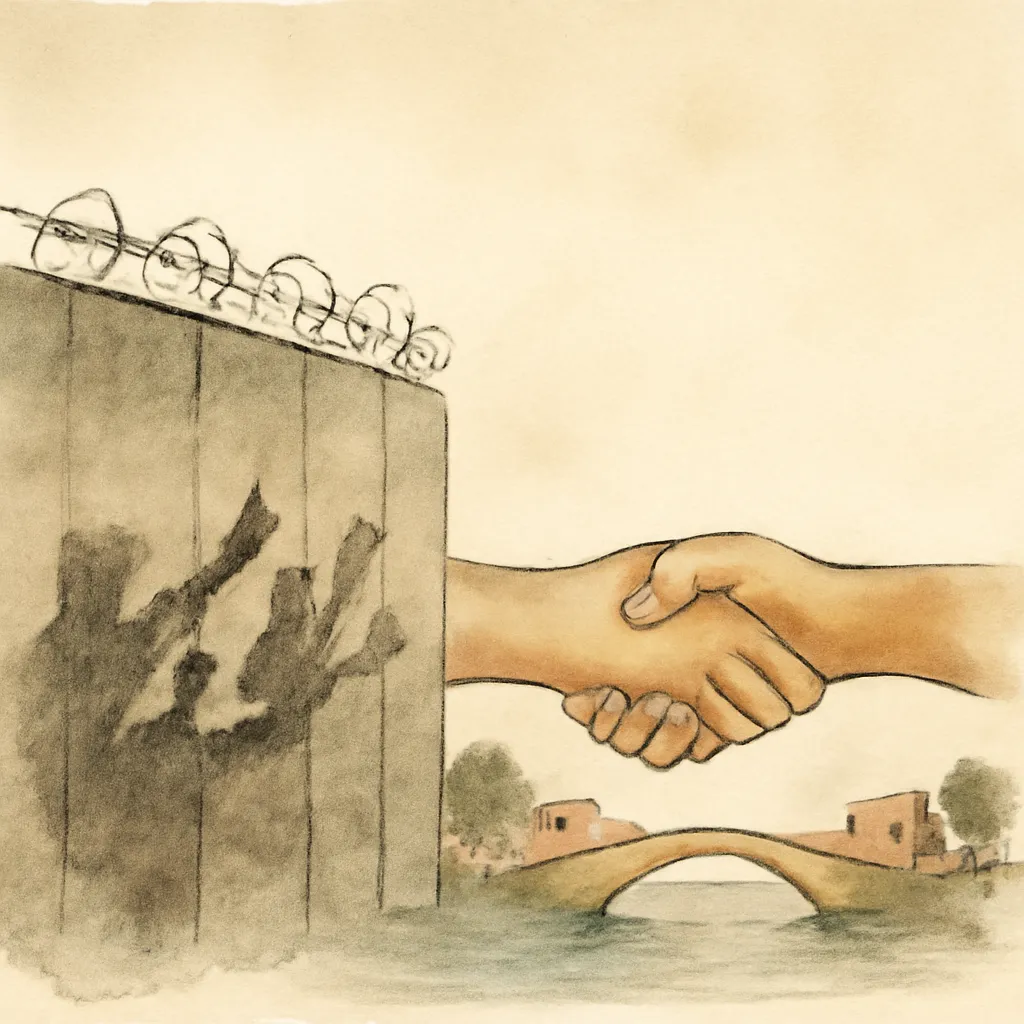
Klein warns of a dystopian future she calls 'climate barbarism,' where elites respond to ecological breakdown with walls, militarized borders, and authoritarianism instead of solidarity. She contrasts this with the path of climate justice, which requires international cooperation, reparations, and a commitment to shared humanity. The choice, she insists, is stark and urgent.
6.The Power of Movements and Collective Action
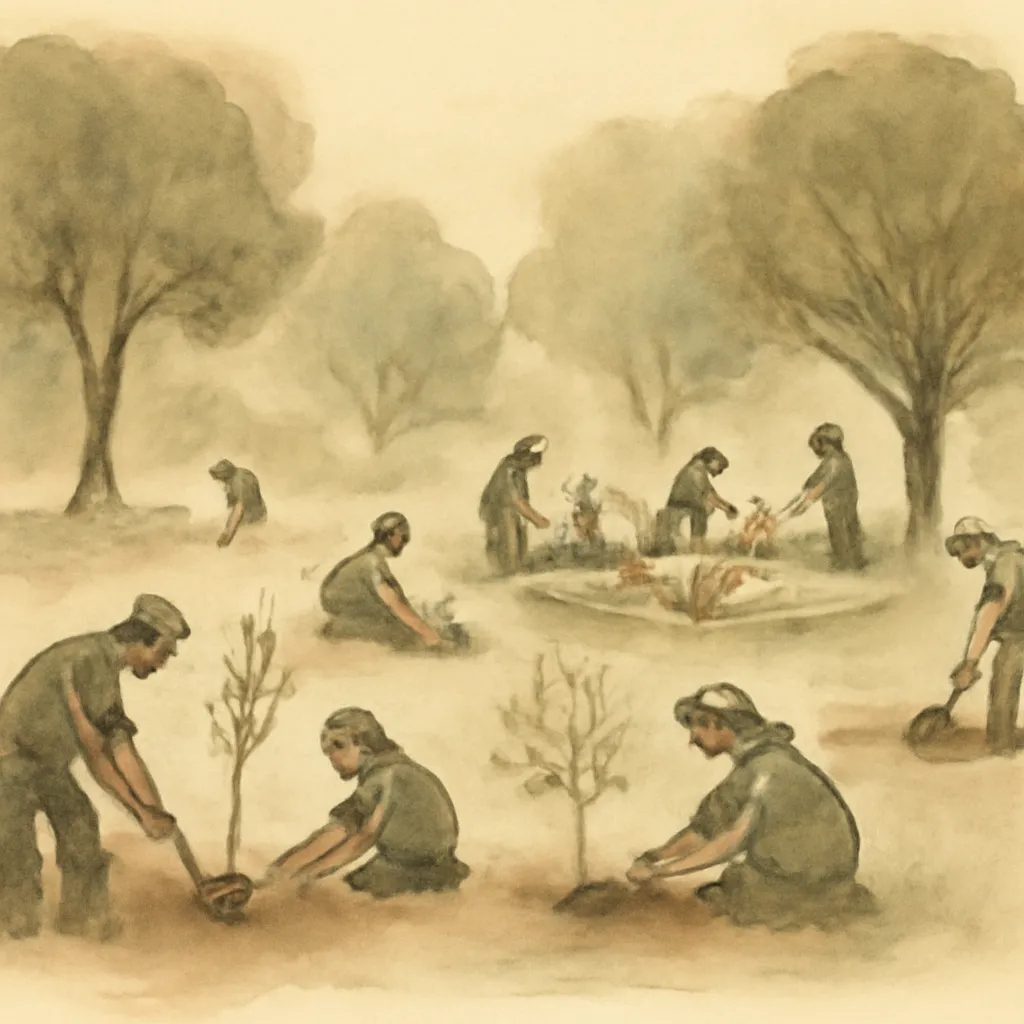
Throughout the essays, Klein emphasizes that meaningful change comes from grassroots movements, not top-down edicts. She draws on examples from youth climate strikes, Indigenous resistance, and community organizing to show how collective action can shift what is politically possible. The book is a rallying cry for mass mobilization and participatory democracy.