1.Sociobiology and Human Behavior
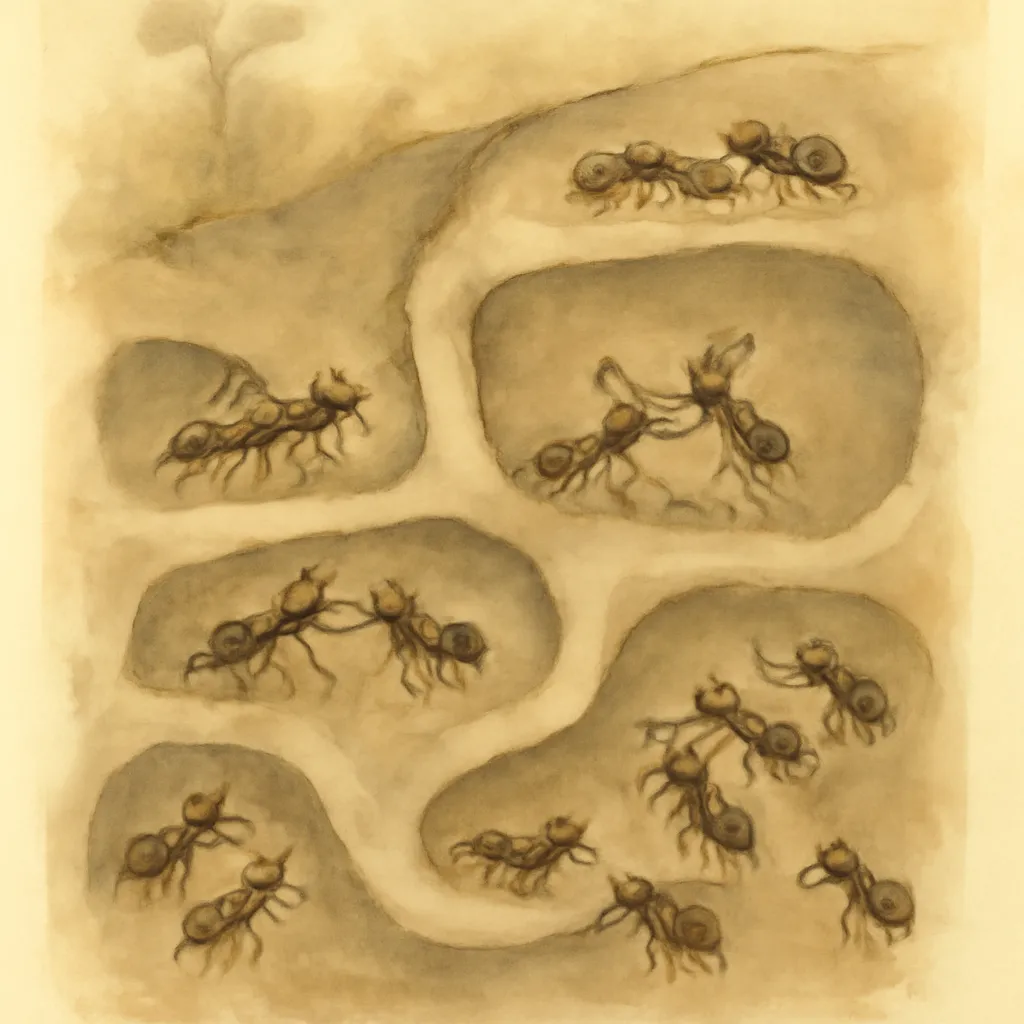
Wilson argues that human behavior, like that of other animals, is shaped by evolutionary forces. He extends the principles of sociobiology—originally developed to explain insect societies—to humans, suggesting that much of our social behavior, from altruism to aggression, has biological roots. This challenges the idea that culture alone shapes who we are, proposing instead that biology and culture interact in complex ways.
2.Genetic and Cultural Coevolution
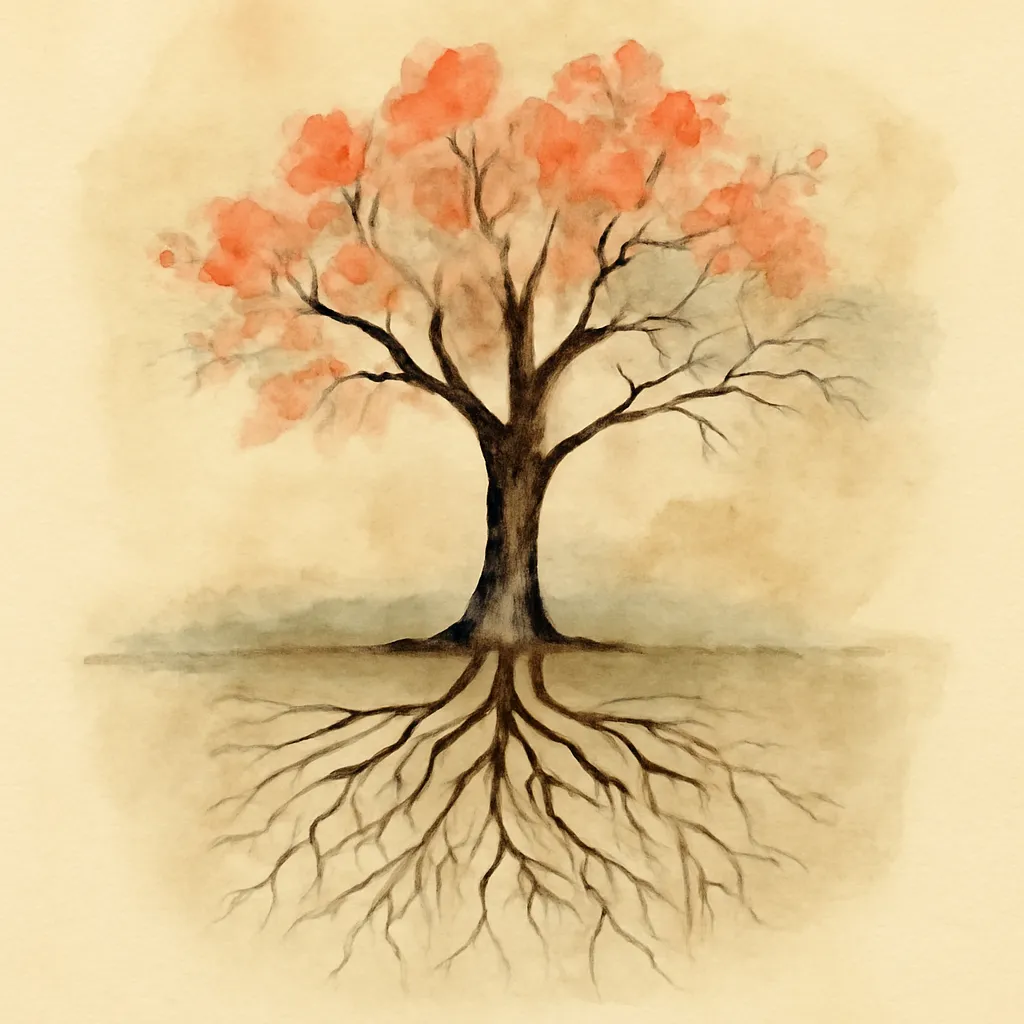
A central theme is the interplay between genes and culture. Wilson introduces the concept of 'gene-culture coevolution,' where genetic predispositions influence cultural practices, and cultural innovations feed back into evolutionary pressures. This dynamic helps explain why certain social structures, moral codes, and even religious beliefs emerge and persist across societies.
3.The Biological Basis of Ethics
Wilson boldly contends that ethics and moral reasoning are not purely products of rational thought or divine command, but have evolved as adaptations that promote group survival. He suggests that our sense of right and wrong is shaped by natural selection, which favors behaviors that strengthen social bonds and cooperation.
4.Religion and Human Evolution
Rather than dismissing religion, Wilson treats it as a natural phenomenon—an evolutionary adaptation that fosters group cohesion and shared values. He examines how religious beliefs and rituals may have been favored because they help bind communities together, but also warns about the dangers of dogmatism when science and religion collide.
5.Bridging Science and the Humanities
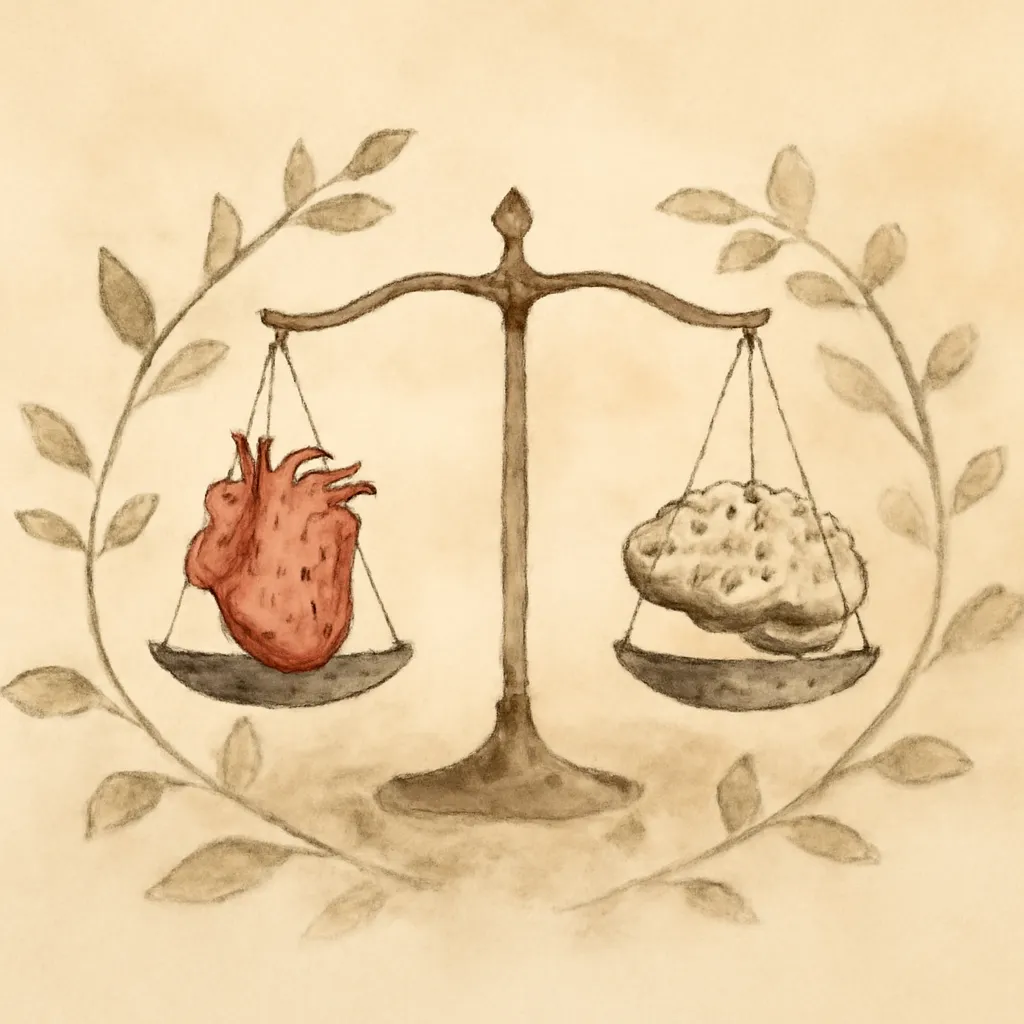
Wilson advocates for a synthesis between scientific and humanistic approaches to understanding human nature. He argues that biology can inform philosophy, ethics, and the arts, while the humanities provide context and meaning to scientific discoveries. This call for consilience—a unity of knowledge—remains one of the book’s most influential ideas.
6.Human Uniqueness and Limitations
While emphasizing our animal origins, Wilson also acknowledges what makes humans unique: symbolic language, culture, and self-reflection. Yet, he cautions against hubris, reminding us that our behaviors are constrained by evolutionary history and biological limitations, even as we strive for meaning and progress.