1.Natural Selection as the Engine of Evolution
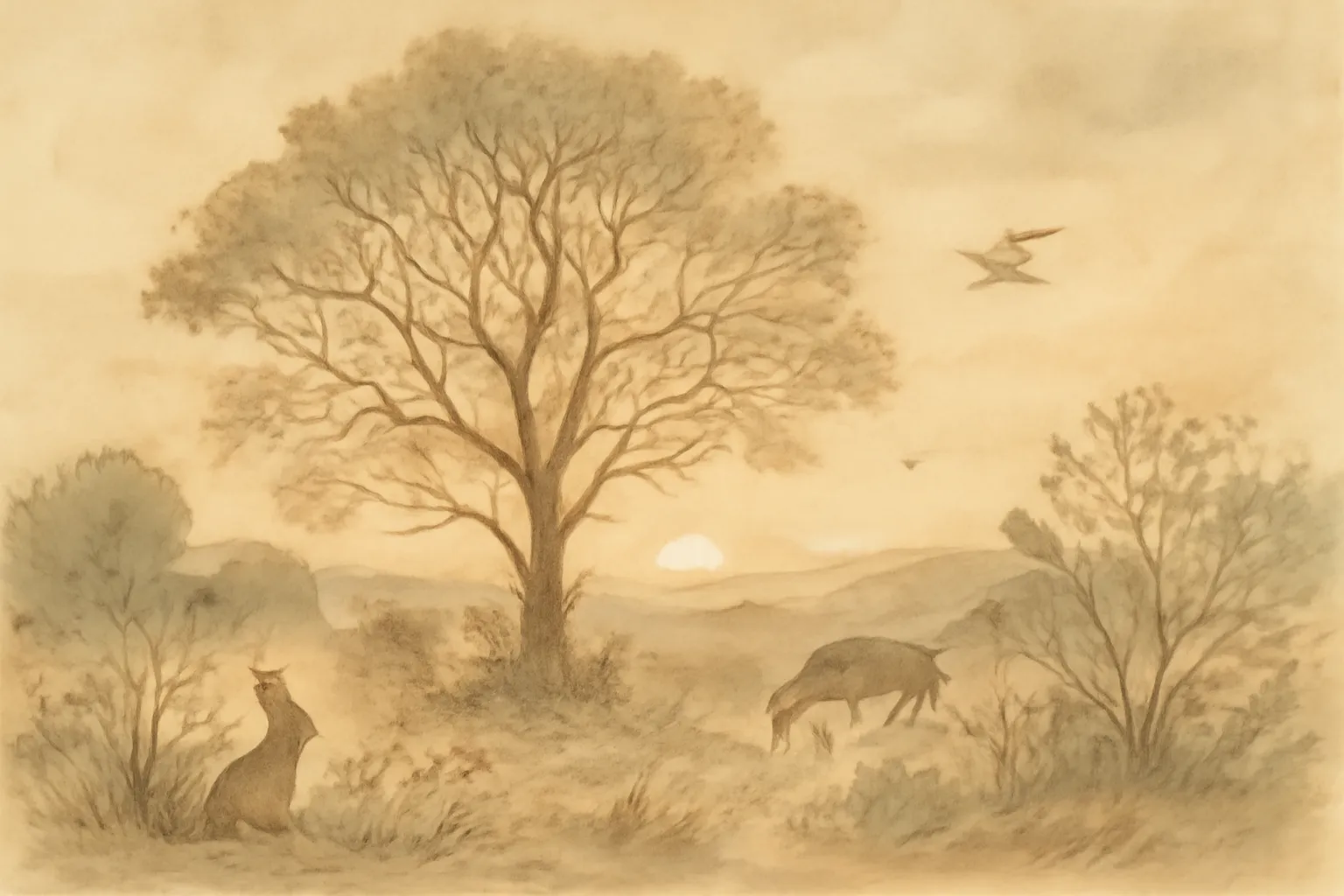
Darwin’s central idea is that species evolve over generations through a process called natural selection. Individuals with traits better suited to their environment are more likely to survive and reproduce, passing those advantageous traits to their offspring. Over long periods, this leads to gradual changes in populations and the emergence of new species. This concept challenged the prevailing belief in fixed, unchanging species and provided a naturalistic explanation for the diversity of life.
2.Variation Within Species
Darwin observed that individuals within a species are not identical; there is always some variation. These differences, though often subtle, are crucial for natural selection to operate. Without variation, there would be no traits for selection to favor or reject. Darwin’s emphasis on variation laid the groundwork for later developments in genetics and population biology.
3.Struggle for Existence
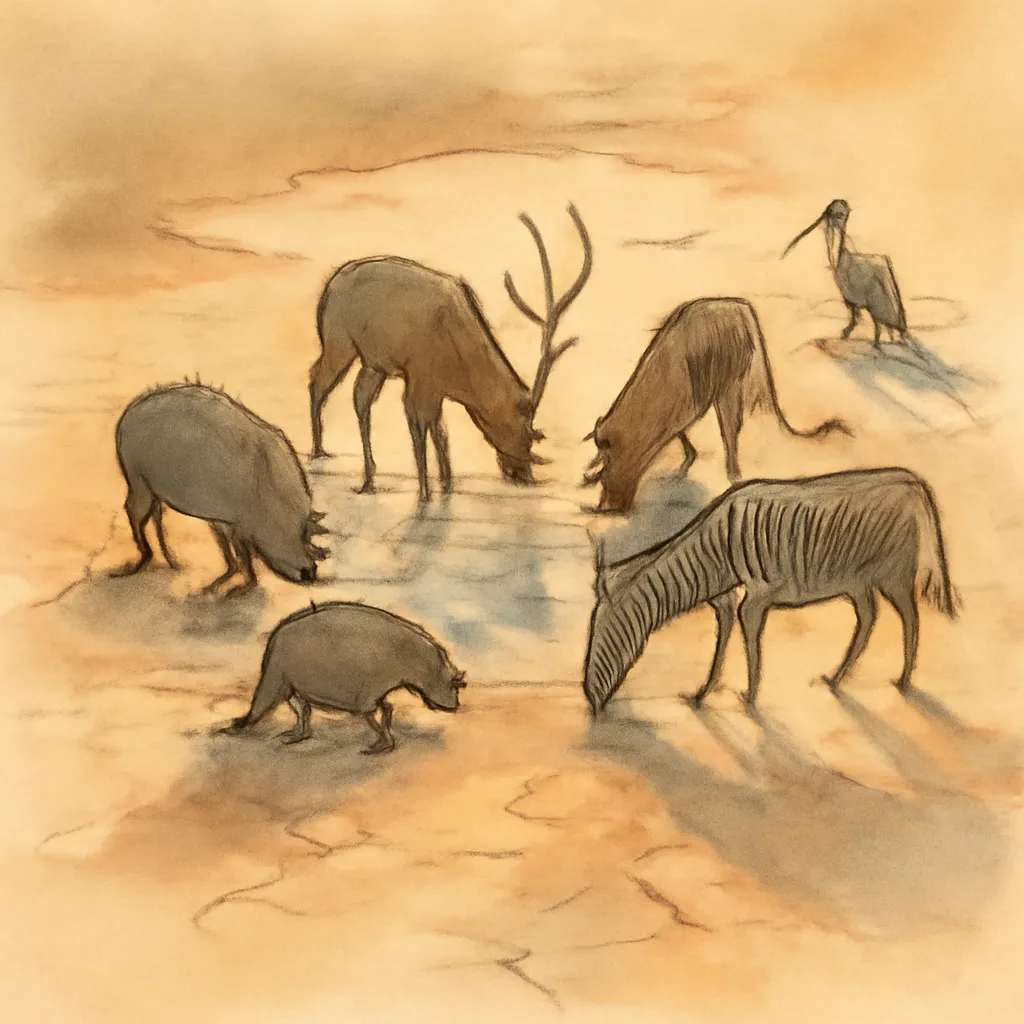
Inspired by Malthus’s ideas on population growth, Darwin argued that more individuals are born than can possibly survive. This leads to a constant struggle for resources—food, space, mates—among individuals. In this struggle, those with beneficial traits have a higher chance of survival and reproduction, reinforcing the role of natural selection in shaping species.
4.Common Descent and the Tree of Life
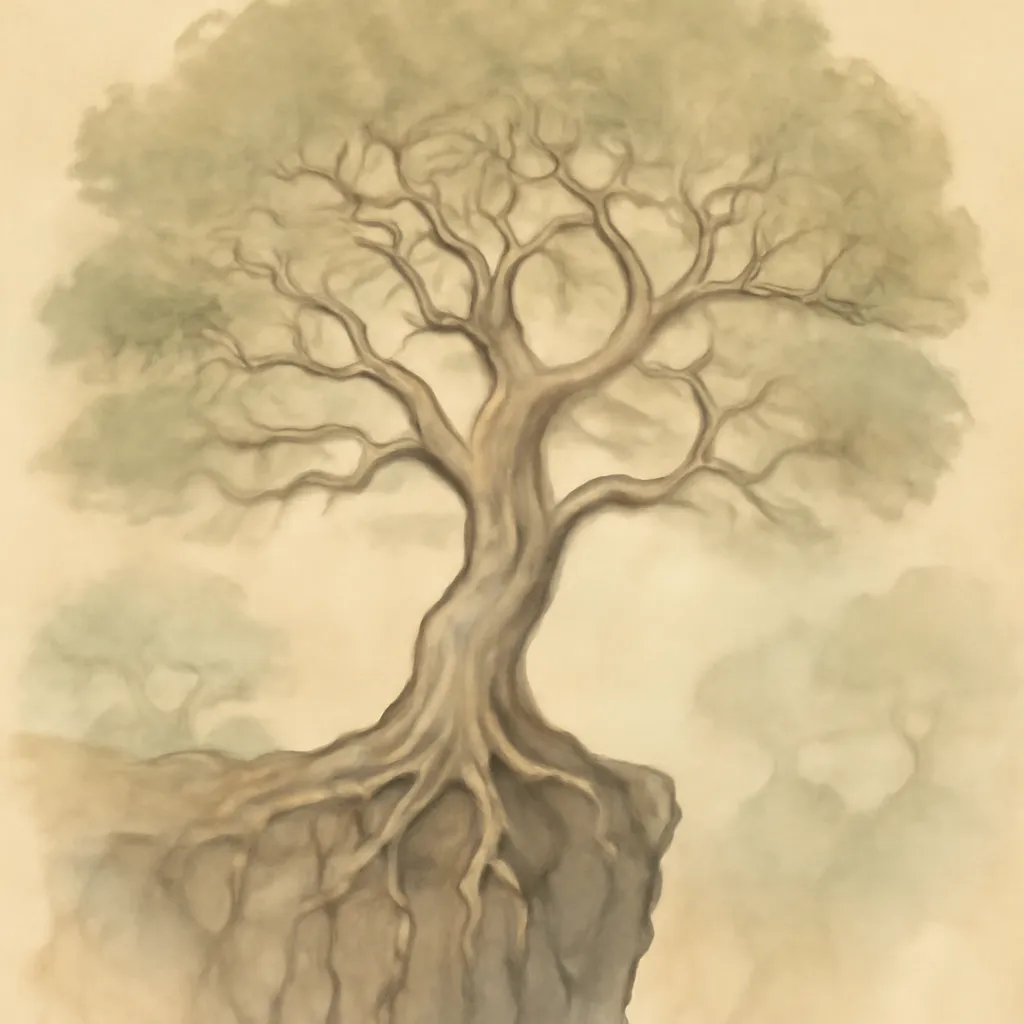
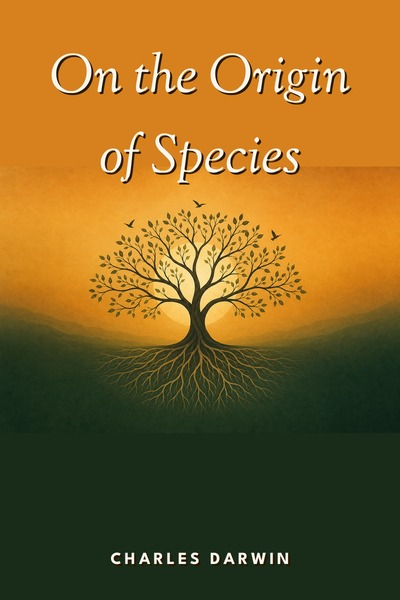
Darwin proposed that all living organisms share common ancestors and that the diversity of life can be represented as a branching tree. Over time, species diverge from common roots, leading to the complex web of relationships we see today. This idea was revolutionary, suggesting a unity among all forms of life and a historical process behind the patterns of similarity and difference.
5.The Imperfection of the Geological Record
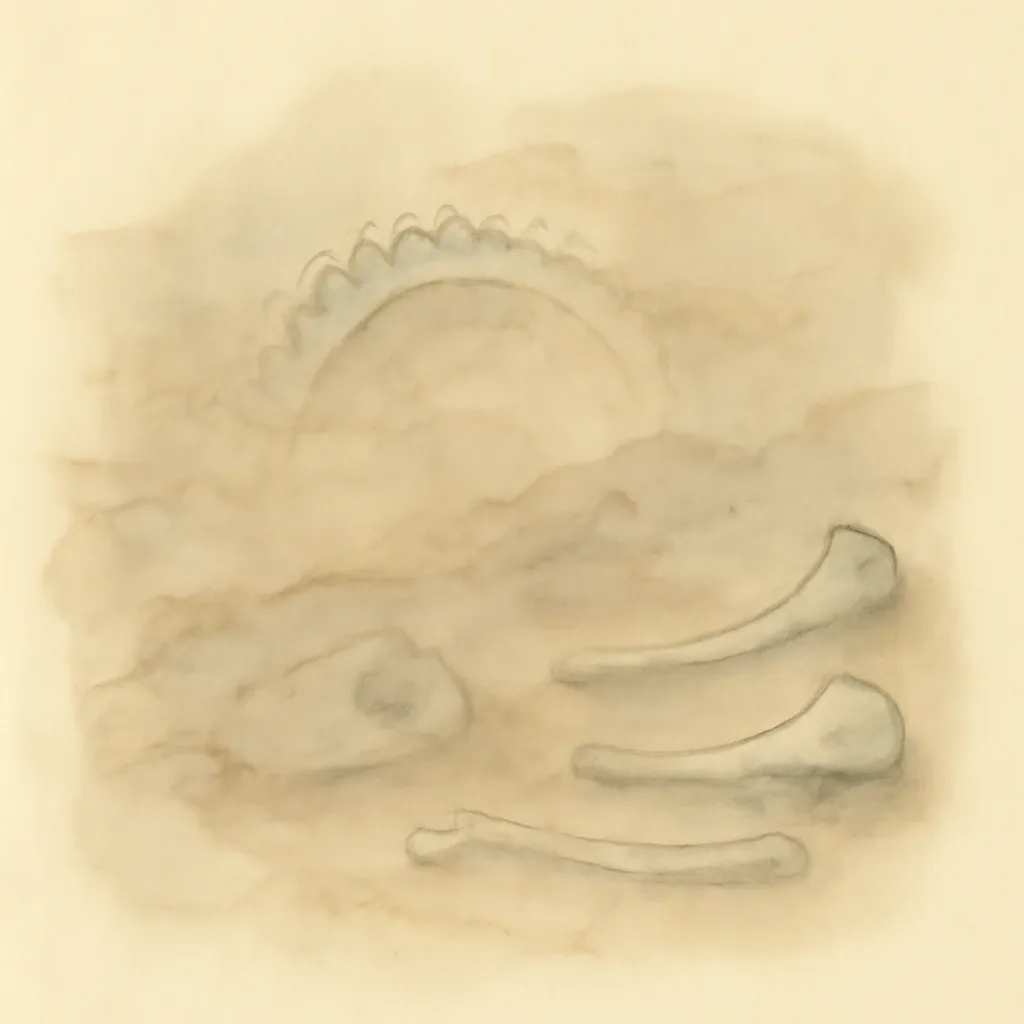
Darwin acknowledged that the fossil record was incomplete and that many transitional forms were missing. However, he argued that this imperfection was expected given the rarity of fossilization and the vastness of geological time. He used this reasoning to address critics who pointed to gaps in the record as evidence against evolution.
6.Objections and Limitations
Darwin was meticulous in considering potential objections to his theory, such as the absence of intermediate forms and the complexity of certain organs. While he could not answer every challenge, his willingness to engage with criticism and propose testable explanations strengthened the scientific rigor of his work.