1.Variation Under Domestication
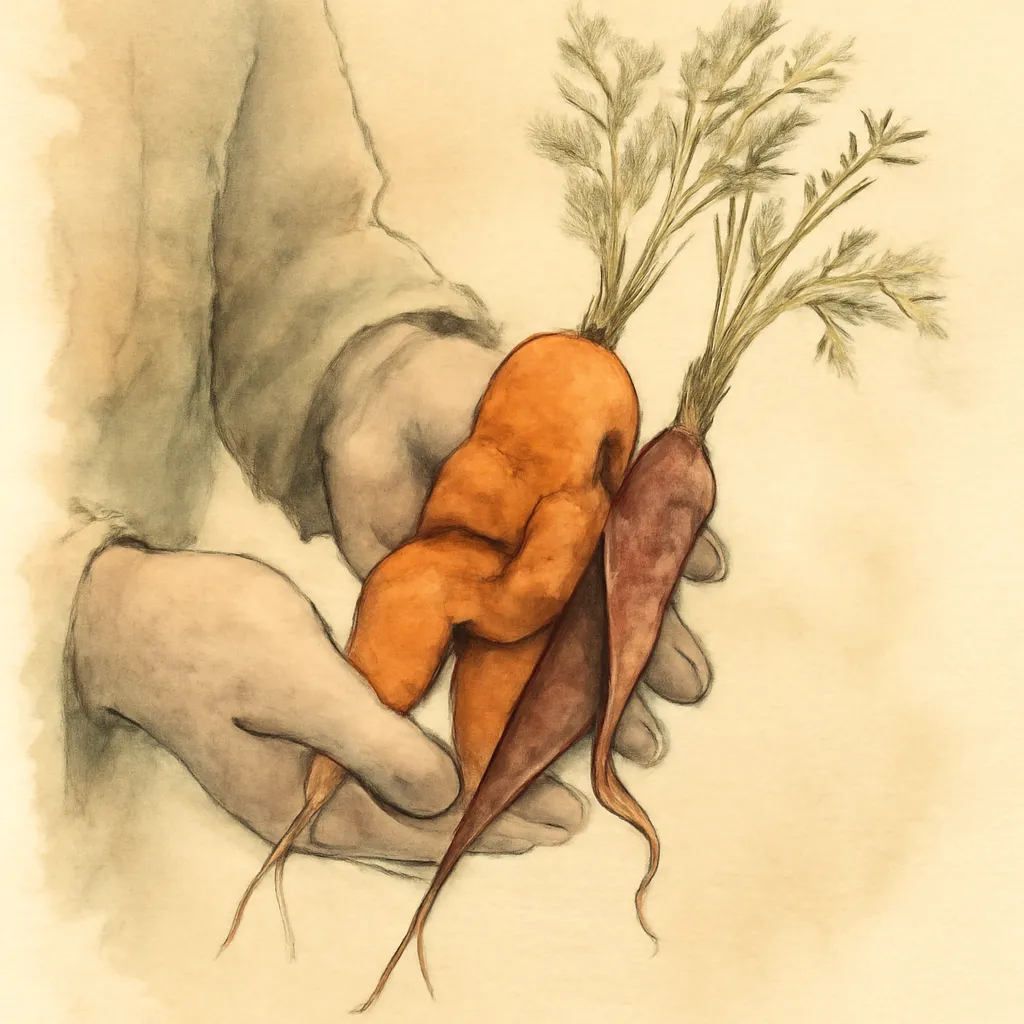
Darwin begins by exploring how domestication influences variability in species. He notes that domesticated plants and animals exhibit greater variation compared to their wild counterparts due to the diverse conditions and selective pressures they experience under human care. This variability arises from several factors, including habit, inheritance, and the environmental conditions in which these organisms live. For instance, domestic pigeons show significant differences in size, color, and behavior, all stemming from a shared ancestry. This principle of selection, both methodical and unconscious, has allowed humans to cultivate these variations over generations. The role of excess food and differing climates also enhances variability, leading to the emergence of distinct breeds. This insight into domesticated organisms sets the stage for understanding how similar processes can occur in nature, ultimately leading to the emergence of new species from ancestral forms.
2.Variation Under Nature
Darwin discusses how species in the wild also exhibit variability, though often less pronounced than in domesticated varieties. He highlights that species which are widespread and common tend to show more variation than those that are rare or localized. For example, among plants, species that thrive in diverse environments often adapt more readily than those with restricted ranges. This variability is crucial for the process of natural selection, as it provides the raw material upon which selection can act. Darwin notes that species within larger genera tend to vary more than those in smaller genera, suggesting a connection between species richness and variability. This observation raises questions about the definitions of species and varieties, as naturalists grapple with categorizing the fluidity of life forms. Understanding this variability is essential for comprehending how species adapt to their environments and evolve over time, highlighting that adaptability is integral to survival.
3.Struggle for Existence
The concept of the struggle for existence is central to Darwin's theory of natural selection. He elaborates on how all living organisms face competition for limited resources, leading to a natural check on population growth. This struggle is not limited to interspecies competition; rather, it is most intense among individuals and varieties of the same species. Darwin emphasizes that the geometric powers of increase among species often outpace their resources, creating a constant struggle for survival. This results in competition for food, shelter, and mates. Environmental factors, such as climate, also play a significant role in shaping this competition. The relationships between organisms, including predation, parasitism, and mutualism, further complicate this intricate web of interactions. Through vivid examples, such as the competition between different species of finches on the Galápagos Islands, Darwin illustrates how these relationships drive evolution and influence which traits are favored by natural selection.
4.Mechanisms of Natural Selection
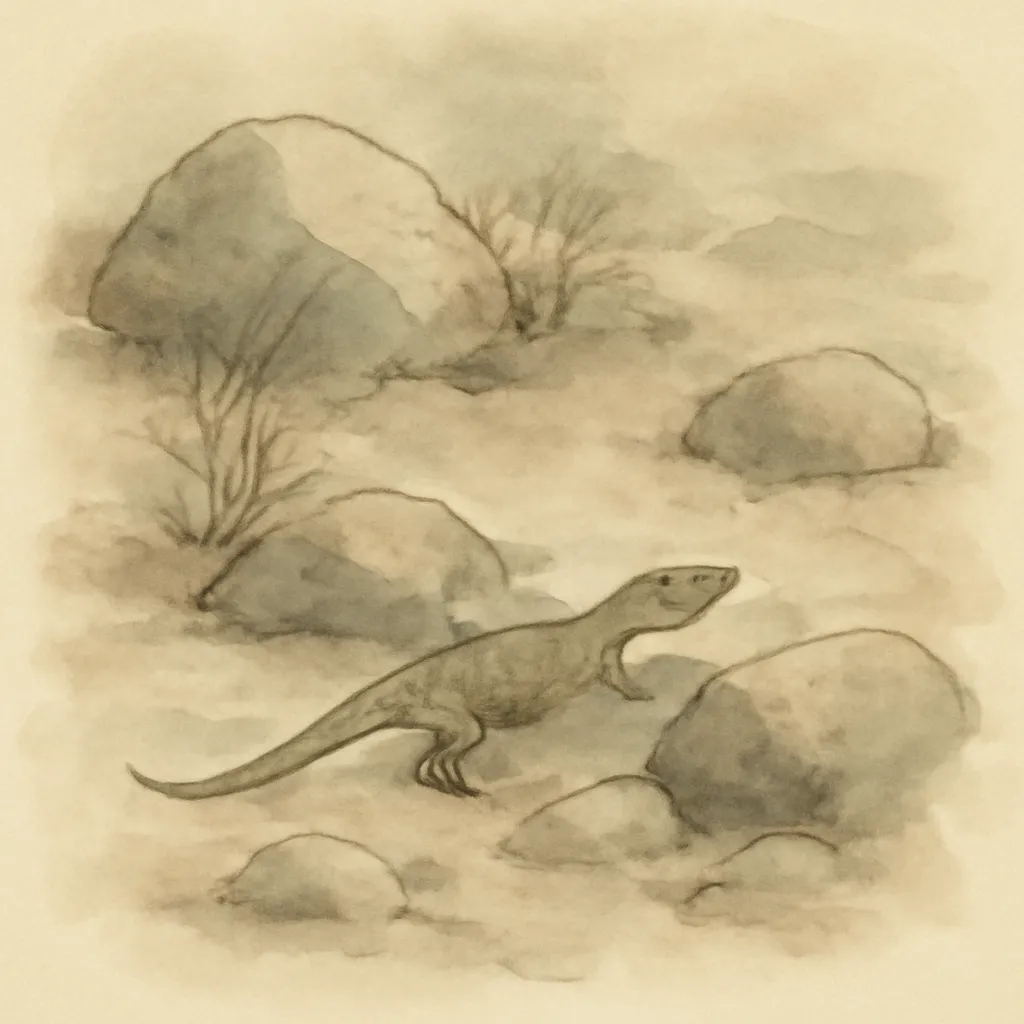
Natural selection operates through the preservation of advantageous traits that enhance an organism's chances of survival and reproduction. Darwin argues that this process can act on characters of seemingly trivial importance, as even minor advantages can accumulate over generations to produce significant changes. For instance, in a population of beetles, those with slight color variations might be less visible to predators, thus surviving longer and reproducing more successfully. He introduces the concept of sexual selection, where certain traits become favored because they increase mating success, further diversifying the characteristics of a species. The slow and gradual nature of natural selection means that changes may not be immediately apparent, but over long periods, they can lead to the divergence of species from a common ancestor. This divergence is crucial for understanding the grouping and classification of organisms in the natural world, as it explains how diverse life forms can share common traits while also exhibiting unique adaptations.
5.Laws of Variation
Darwin explores the laws governing variation in organic beings, emphasizing the influence of external conditions, such as climate and food availability. He discusses how the use and disuse of organs can lead to changes, as seen in the evolution of flight in birds or the development of vision in different species. For instance, the wings of flightless birds may shrink over generations due to lack of use in their specific environments. He also examines how organisms acclimatize to their surroundings, further emphasizing the complex relationship between environment and adaptation. Additionally, he notes that rudimentary or lowly organized structures tend to be more variable, while specific characteristics are often less so. This variability underpins the potential for species to adapt and evolve in response to changing conditions, highlighting the dynamic nature of life and the continuous interplay between organisms and their environments.
6.Challenges to the Theory
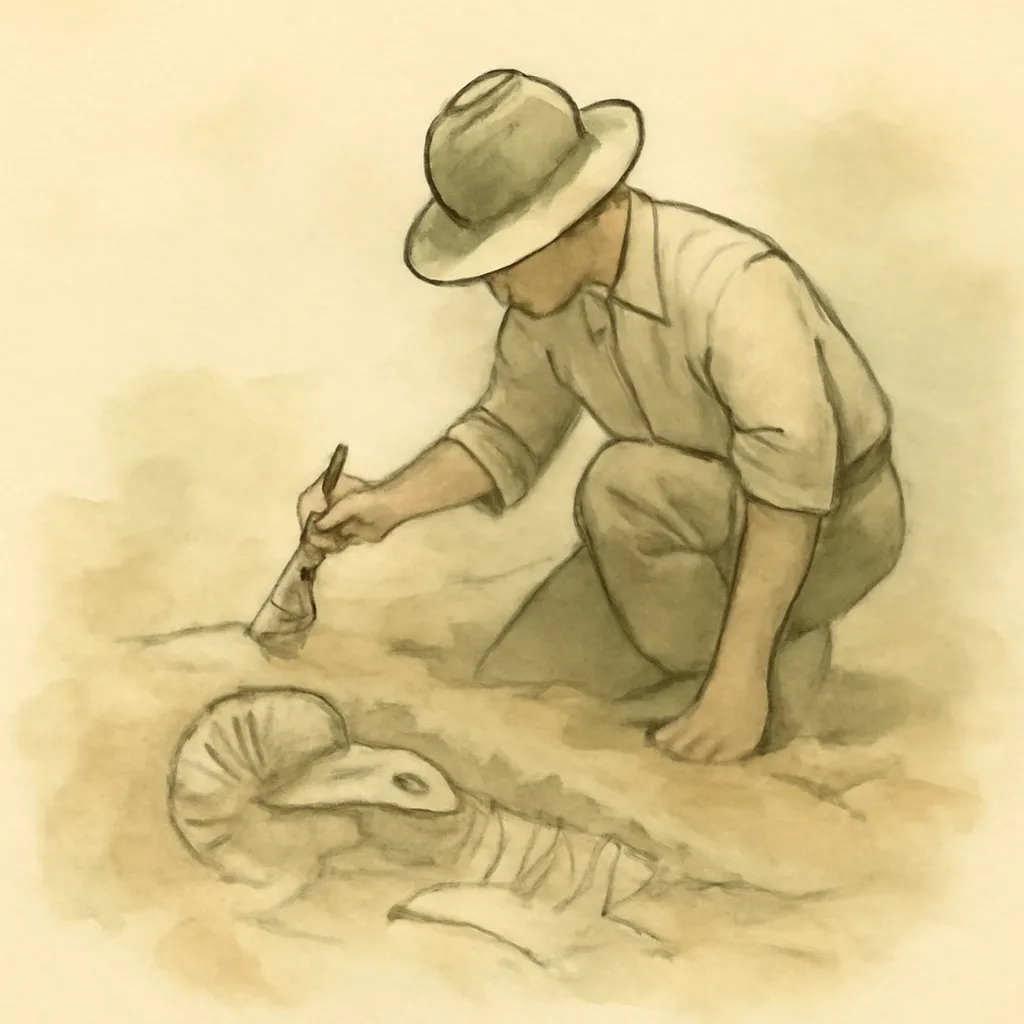
Darwin acknowledges several difficulties and objections to his theory of descent with modification. One significant challenge is the apparent absence of transitional varieties in the fossil record, which raises questions about how species can evolve gradually if there are not enough intermediate forms. He addresses the complexity of organ structures, questioning whether features of high perfection could arise from natural selection alone. For instance, he discusses the evolution of the eye, pondering how such a complex organ could develop through small, incremental changes. Additionally, the variability of instincts and the sterility of hybrids pose further challenges to the theory. He considers whether instincts can be acquired and modified through natural selection. Despite these difficulties, Darwin argues that many objections are either superficial or can be resolved through a deeper understanding of natural selection and its mechanisms, reinforcing the plausibility of his theory.
7.Instincts and Their Evolution
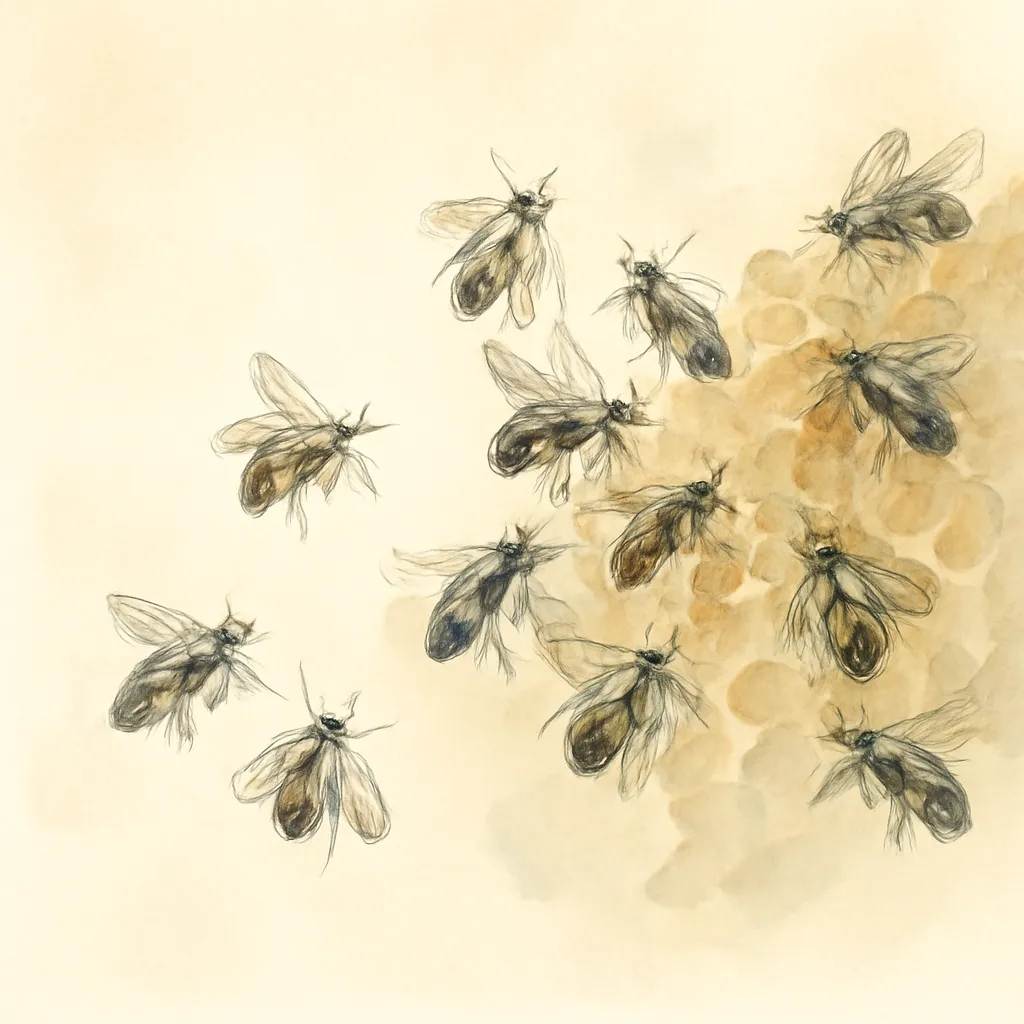
Darwin distinguishes between instincts and habits, asserting that instincts are innate behaviors that arise without prior experience. He illustrates this with examples from nature, such as the cell-making instinct of bees and the migratory patterns of birds. These instincts, which seem instinctual and uniform across species, can also show variability depending on environmental pressures. For example, different bee species may demonstrate variations in their cell-making processes based on their specific habitats. Darwin examines how instincts, like physical traits, can be subject to natural selection, allowing for their refinement and adaptation to changing environments. The complexities of instincts challenge the notion of fixed behaviors, revealing a dynamic interplay between genetics and environmental influences. By understanding instincts as adaptable traits, the theory of natural selection is further bolstered, as it highlights the role of survival in shaping behavior as well as form.
8.Hybridism and Sterility
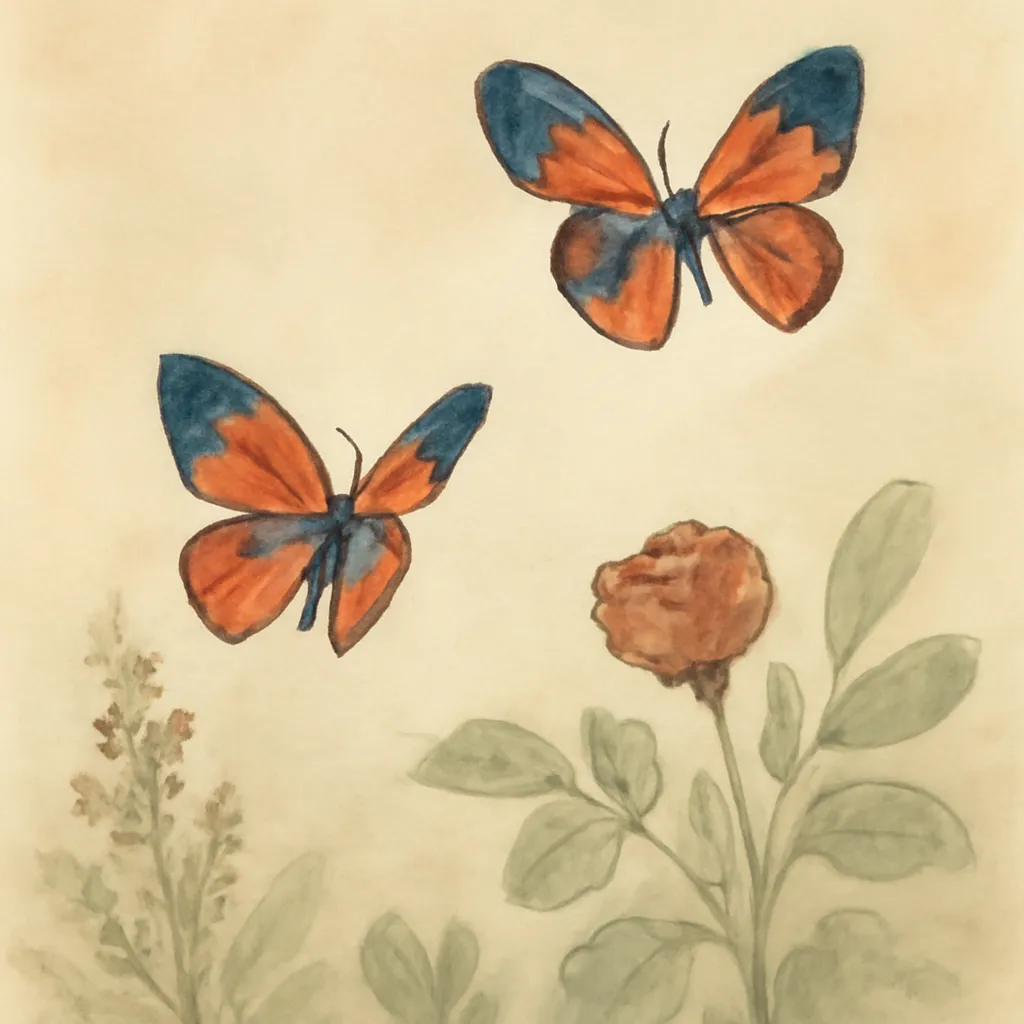
Darwin investigates the phenomenon of hybrid sterility, which occurs when distinct species interbreed. He clarifies that this sterility is not an inherent trait but rather arises from other differences between species. The distinction between the sterility of first crosses and hybrids is crucial, as it highlights the complexities of genetic compatibility. For example, when two different plant species are crossed, the offspring may be sterile due to incompatible genetic differences. Darwin discusses how close interbreeding can affect fertility, and how domestication may mitigate these effects, leading to fertile offspring in varieties rather than species. Understanding hybridism is essential for grasping the dynamics of species formation and the barriers that prevent the blending of distinct forms in nature. The insights gained from studying hybridization contribute to the broader understanding of how species adapt and evolve, further emphasizing the significance of genetic diversity.
9.The Geological Record's Imperfection
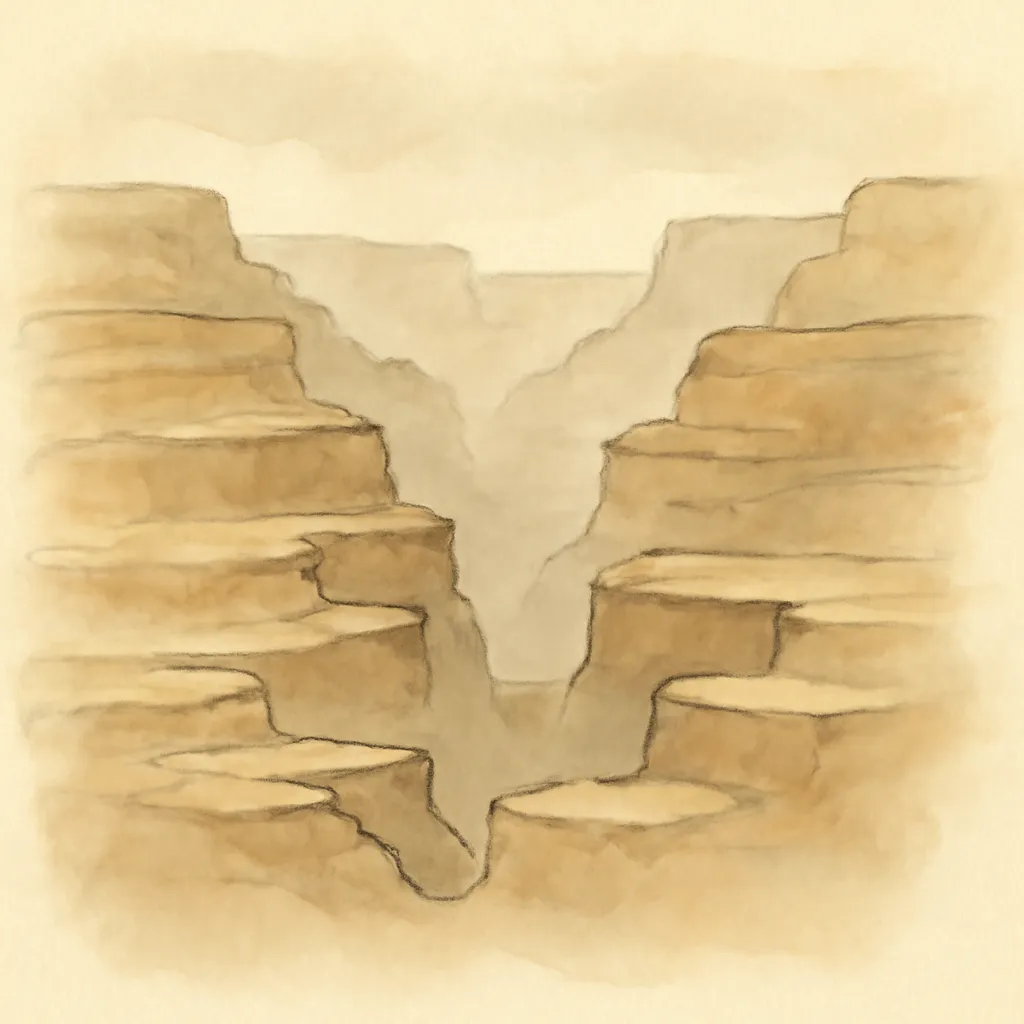
One of the most significant challenges to Darwin's theory is the imperfection of the geological record, which fails to provide a complete picture of evolutionary transitions. He notes that while gaps exist, the gradual appearance of new species over time can still be inferred from the available evidence. The fossil record shows that while many species appear suddenly without clear transitional forms, this does not negate the theory of natural selection; rather, it reflects the limitations of our understanding of past life. For instance, the fossil record may show distinct layers with sudden appearances of species, which could suggest rapid changes or extinctions rather than gradual transformations. Darwin argues that geological processes and the conditions of life have played a crucial role in shaping the species we see today, and that the record we have is merely a fraction of the history of life on Earth. This perspective invites further investigation into the geological history and the ongoing nature of evolution, encouraging scientists to seek more connections in the fossil evidence.
10.Geographical Distribution and Isolation
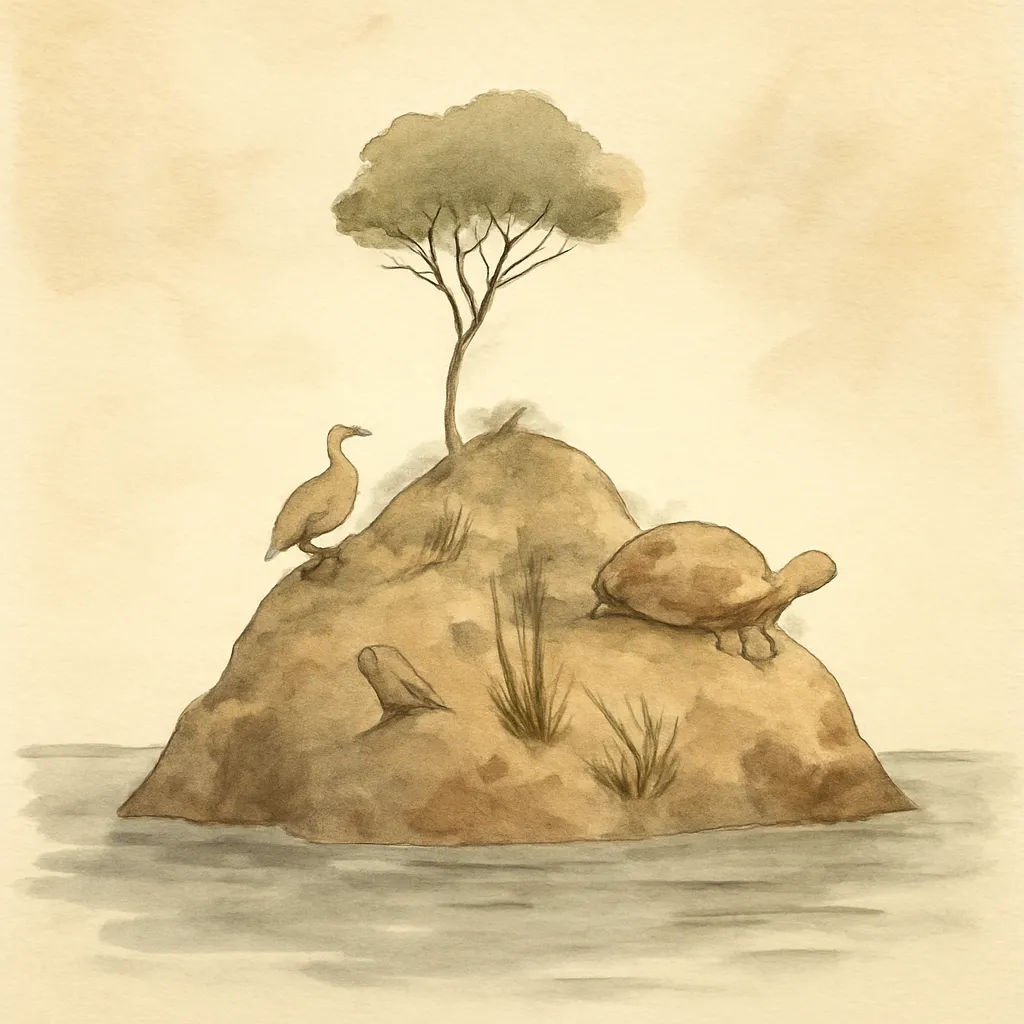
Darwin examines the geographical distribution of species and how it cannot be solely explained by physical conditions. He emphasizes the importance of barriers, such as oceans and mountains, in shaping the distribution of organisms. The concept of 'centers of creation' suggests that certain regions are more diverse due to their unique environmental conditions and historical factors. For example, the varied habitats found in the Galápagos Islands foster diverse adaptations in finches and tortoises. He discusses how species have adapted to their environments and how dispersal mechanisms, including changes in climate and land levels, have influenced their distribution. This understanding highlights the interconnectedness of species and the role of geography in shaping biodiversity. Darwin’s insights into biogeography underscore the importance of ecological factors in the evolution of species, presenting a holistic view of how life diversifies across the planet.
11.Recapitulation and Conclusion
In his concluding remarks, Darwin summarizes the key points of his argument for natural selection as the driving force behind evolution. He acknowledges the difficulties presented by his theory but maintains that the evidence supports the gradual modification of species over time. The belief in the immutability of species has been challenged by the insights gained through natural selection, prompting a reevaluation of how we understand the natural world. Darwin's work has profound implications for the study of natural history, encouraging future generations to explore the complexities of life and the processes that shape it. Ultimately, 'On the Origin of Species' serves as a foundational text that continues to influence our understanding of biology and evolution, inviting readers to consider the dynamic interplay between species, their environments, and the forces of natural selection.