1.Natural Selection as a Mechanism
Darwin’s central argument is that species evolve over time through a process called natural selection. Individuals within a species show variation in their traits, and those with traits better suited to their environment are more likely to survive and reproduce. Over generations, these advantageous traits become more common. This mechanism explains how complex adaptations arise without the need for design or direction.
2.Variation Within Species
Darwin emphasizes that variation is not just present between species, but within them as well. These small differences, often overlooked, are the raw material for natural selection. By carefully observing domesticated animals and plants, Darwin illustrates how selection—artificial or natural—can lead to significant changes over time.
3.The Struggle for Existence
Every organism faces competition for limited resources: food, space, mates. Darwin adapts Malthus’s ideas about population pressure to the natural world, arguing that this struggle ensures only some individuals survive to reproduce. The resulting 'survival of the fittest' is not about strength, but about fit between organism and environment.
4.Common Descent
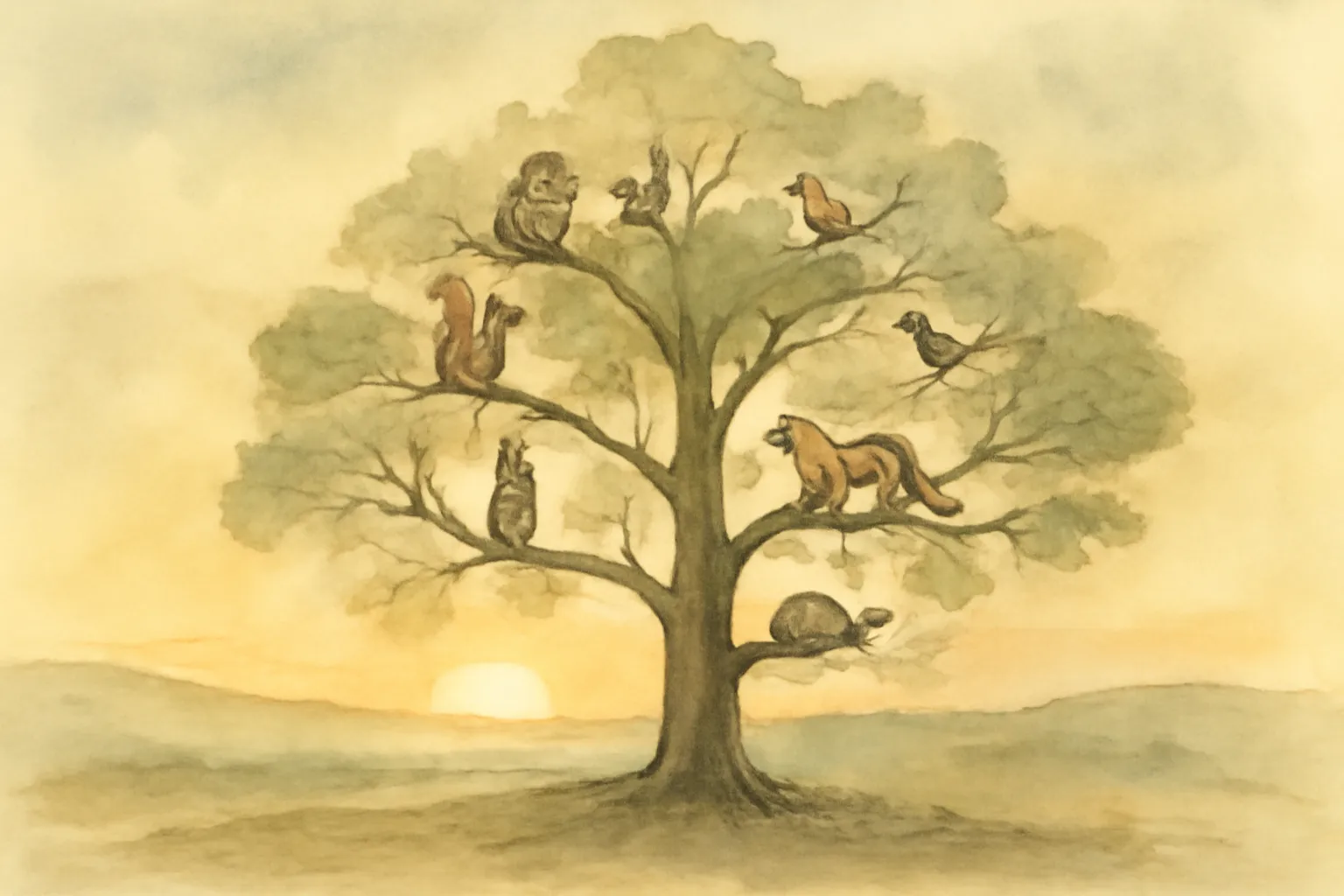
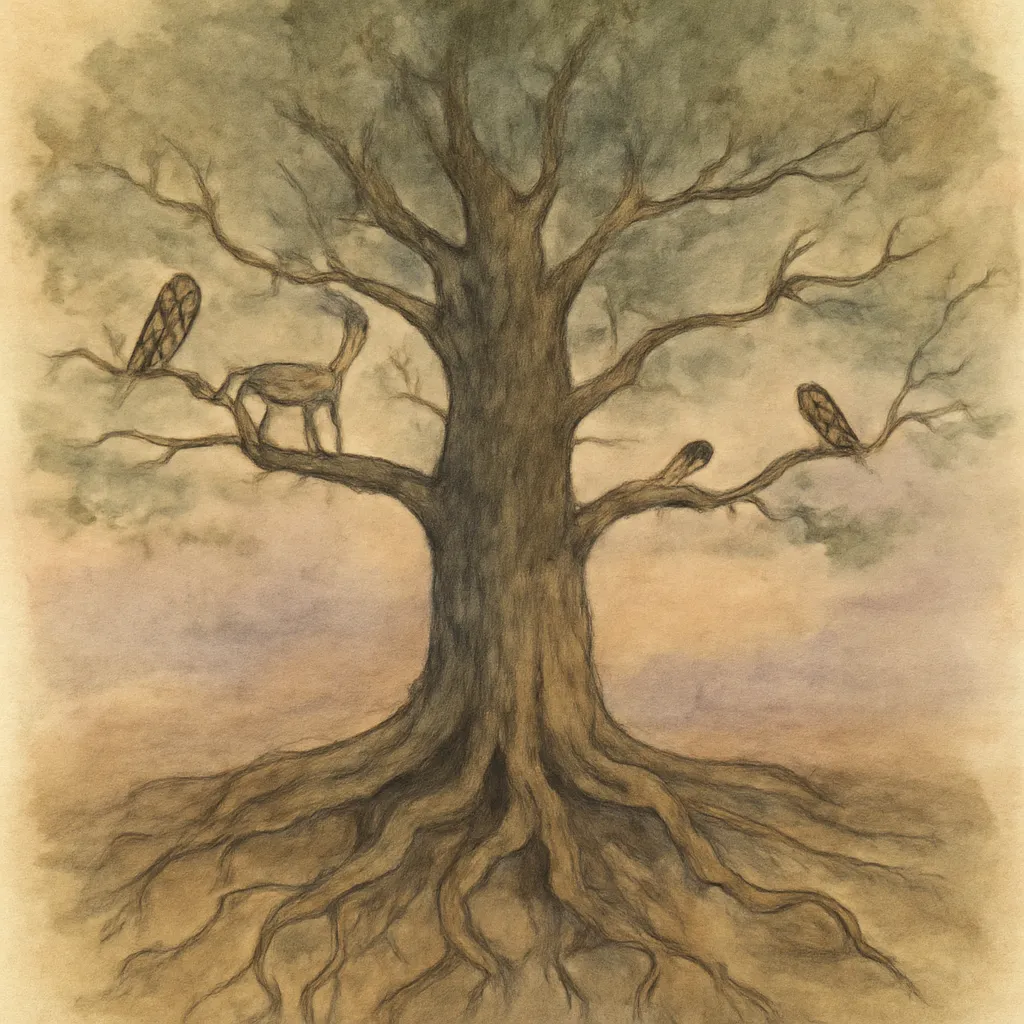
Darwin proposes that all living things are related through common ancestry. The branching tree of life, with species diverging from shared ancestors, explains both the similarities and differences among organisms. This idea challenges the notion of fixed, separately created species and provides a unifying framework for biology.
5.Gradualism and Geological Time
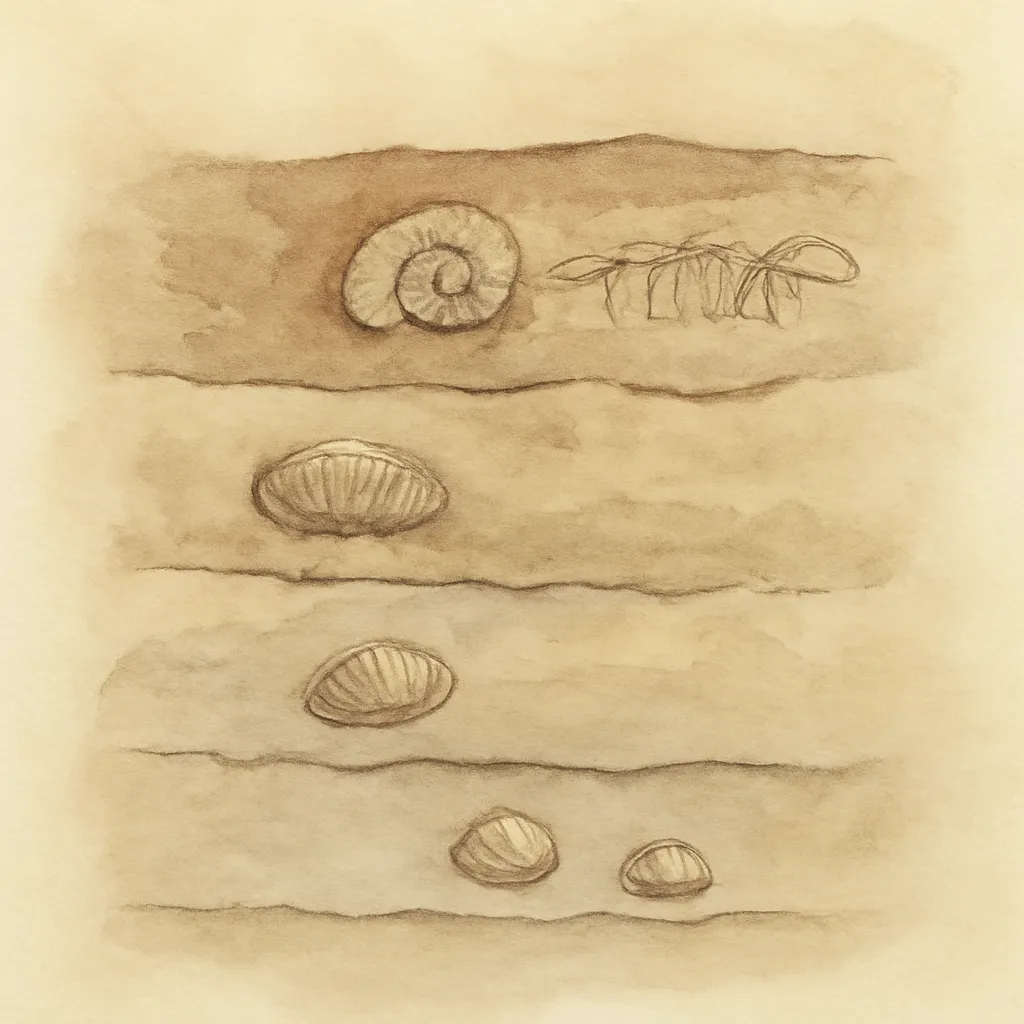
Evolution, according to Darwin, is a slow and gradual process. He draws on geological evidence to argue that the Earth is ancient, providing enough time for the small changes of natural selection to accumulate into the vast diversity of life we see today. This perspective counters earlier views of a young Earth and sudden creation.
6.Imperfect Evidence and Scientific Method
Darwin openly discusses the gaps in the fossil record and the limitations of his own data, modeling scientific humility. He invites readers to weigh evidence and consider alternative explanations, showing how science advances through questioning and revision rather than dogma.