1.Involvement and Detachment
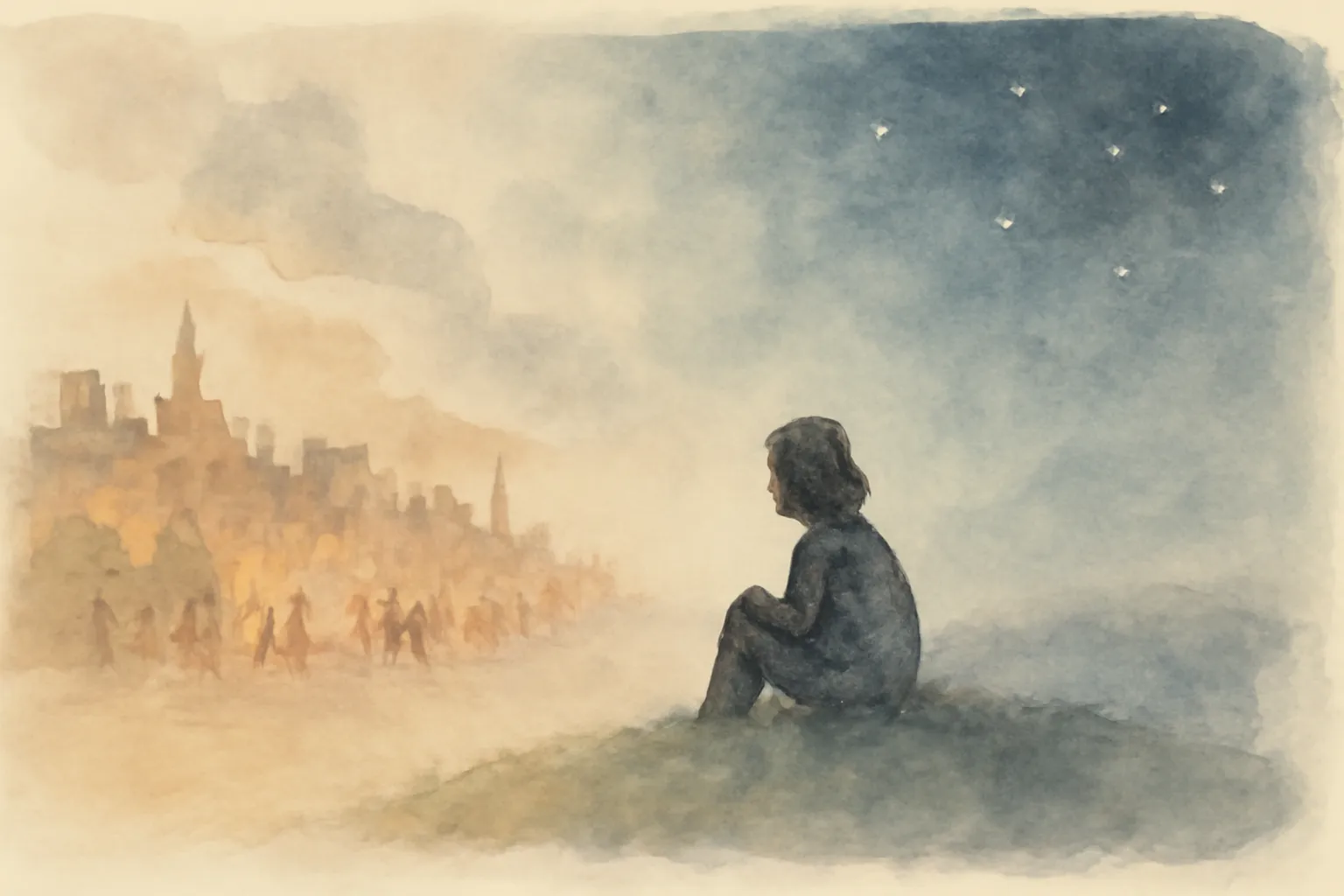
Elias argues that the growth of knowledge depends on a dynamic balance between emotional involvement and intellectual detachment. Involvement refers to our personal, emotional engagement with the world, while detachment is the ability to step back and observe phenomena objectively. The sciences, he claims, have advanced as humans gradually learned to regulate their emotions and fears, allowing for more reality-congruent knowledge. This process is neither automatic nor linear, but deeply embedded in broader social developments.
2.The Social Roots of Objectivity
Objectivity is not a purely individual achievement but a social one. Elias shows that the capacity for detached observation arises from specific social conditions—such as increased social complexity and interdependence—which foster self-restraint and perspective-taking. Scientific knowledge, therefore, is a product of historical shifts in how people relate to themselves and others, rather than a timeless or universal faculty.
3.Fear, Knowledge, and the 'Fishermen in the Maelstrom'
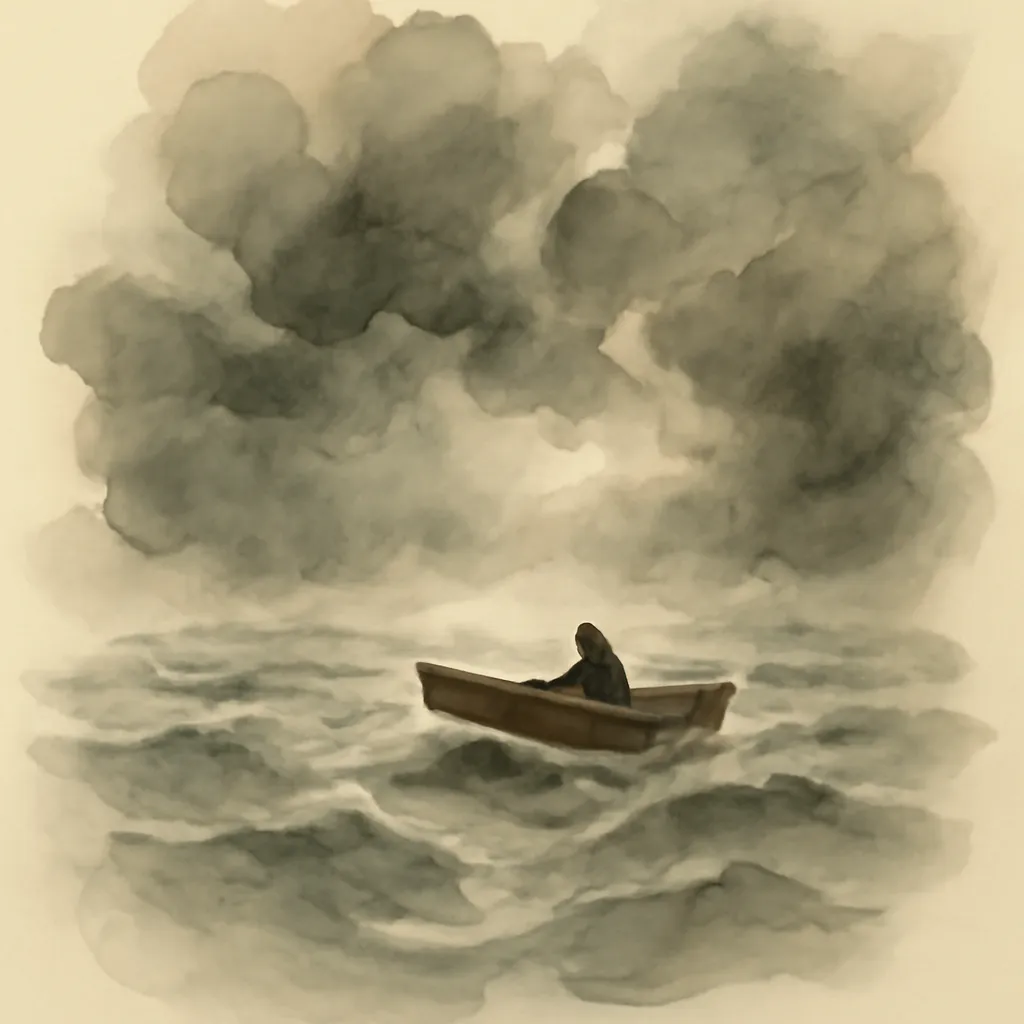
Drawing on Poe’s story, Elias illustrates how overcoming fear is essential for acquiring knowledge that is adequate to reality. When people are gripped by anxiety, their perceptions are distorted; only by learning to manage these emotions can they analyze dangers rationally and respond effectively. This insight applies not only to individuals but to societies confronting collective threats, such as war or environmental crisis.
4.Civilising Process: No Simple Progress
Elias’s theory of civilisation is not a triumphalist narrative of unbroken progress. Instead, he shows that advances in self-control and knowledge are uneven, reversible, and fraught with new dangers. Modern societies may achieve higher levels of detachment, but they also face new forms of collective involvement—such as nationalism or mass hysteria—that can undermine rationality.
5.The Evolution of Scientific Knowledge
The book places the development of the social sciences within the larger story of human evolution, alongside the physical and biological sciences. Elias contends that each stage of scientific growth reflects changing patterns of human interdependence and emotional regulation. Social science, in particular, faces the challenge of studying societies to which the observer themselves belong, making the involvement-detachment balance especially delicate.
6.Dangers of Detachment and Involvement
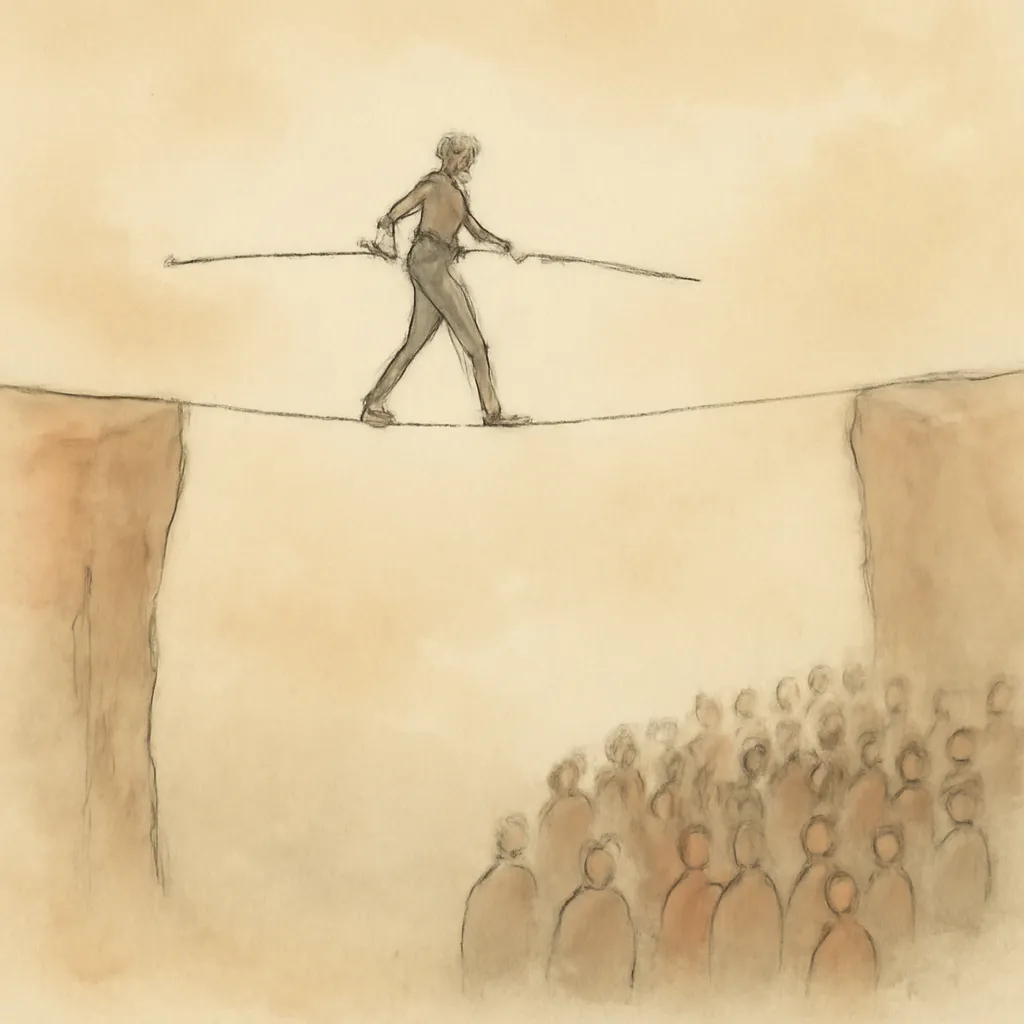
Elias warns that both excessive detachment and excessive involvement have social costs. Too much detachment can lead to alienation or moral indifference, while too much involvement can foster bias or fanaticism. The task is to cultivate a flexible, context-sensitive balance, both in science and in public life.