1.Participatory Journalism at Its Best
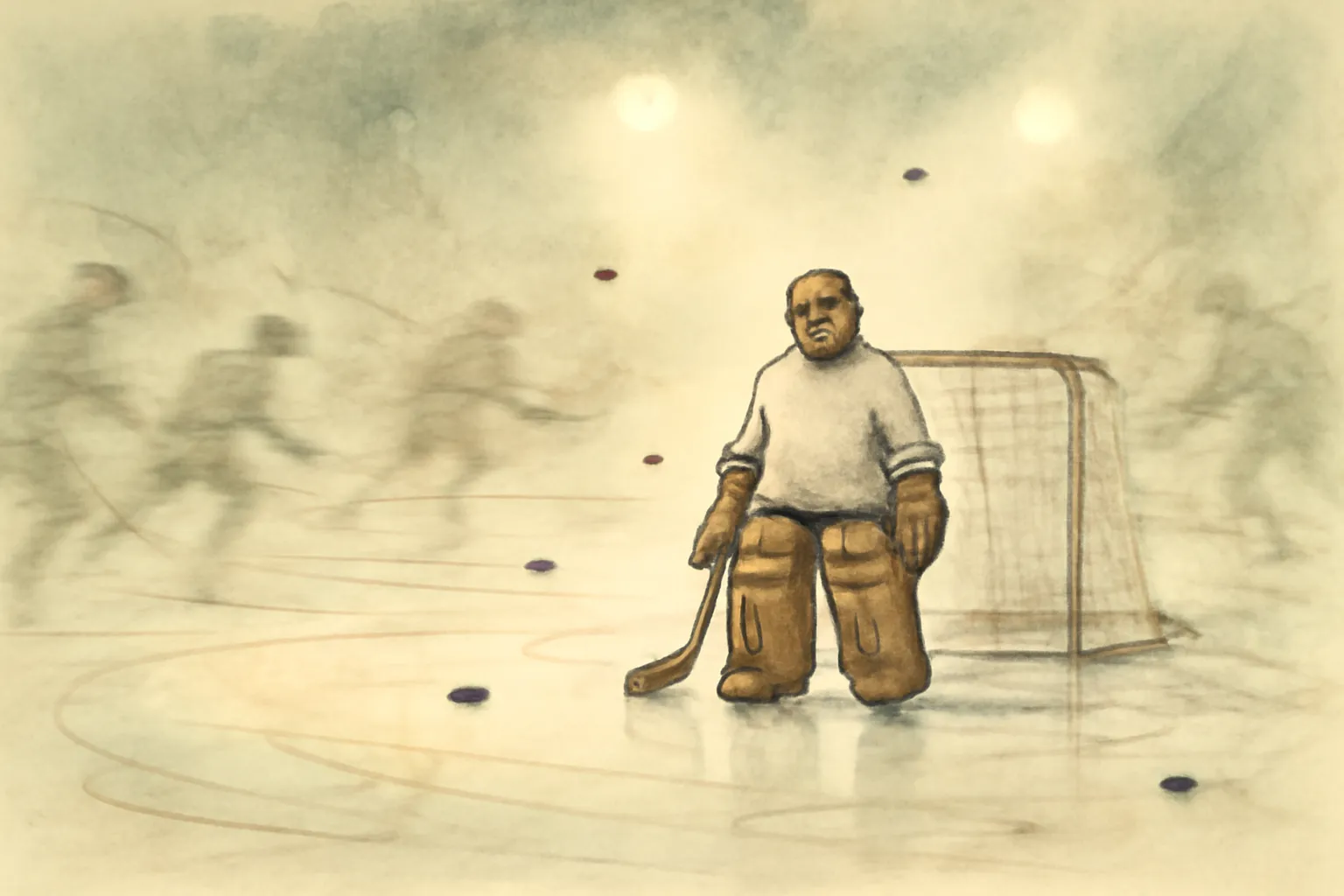
Plimpton pioneered the genre of participatory journalism, immersing himself in the world he reported on. In Open Net, he doesn't just observe hockey—he lives it, donning goalie pads and facing NHL shooters. This approach yields a narrative rich in authenticity and vulnerability, as Plimpton exposes both the physical and psychological challenges of playing at the highest level. His willingness to fail publicly is central to the book’s charm and credibility.
2.The Culture and Camaraderie of Hockey
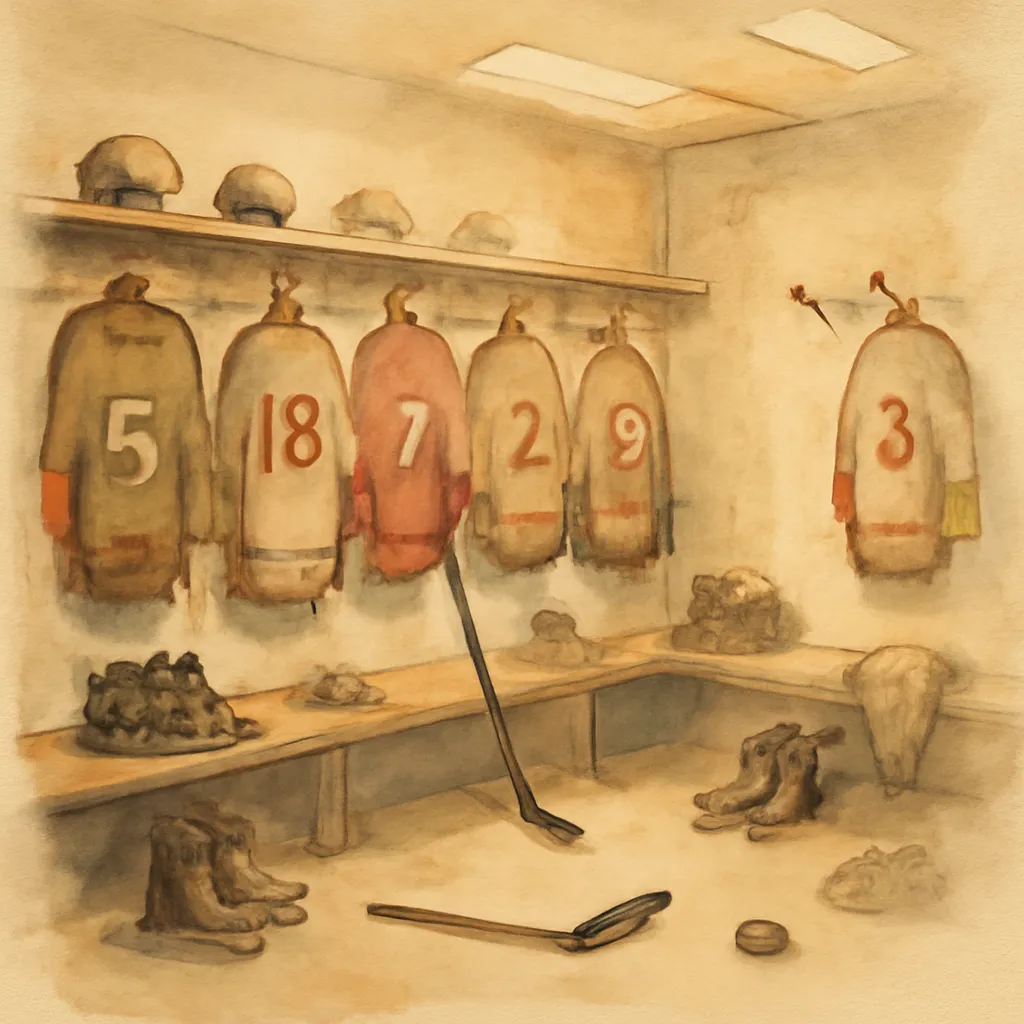
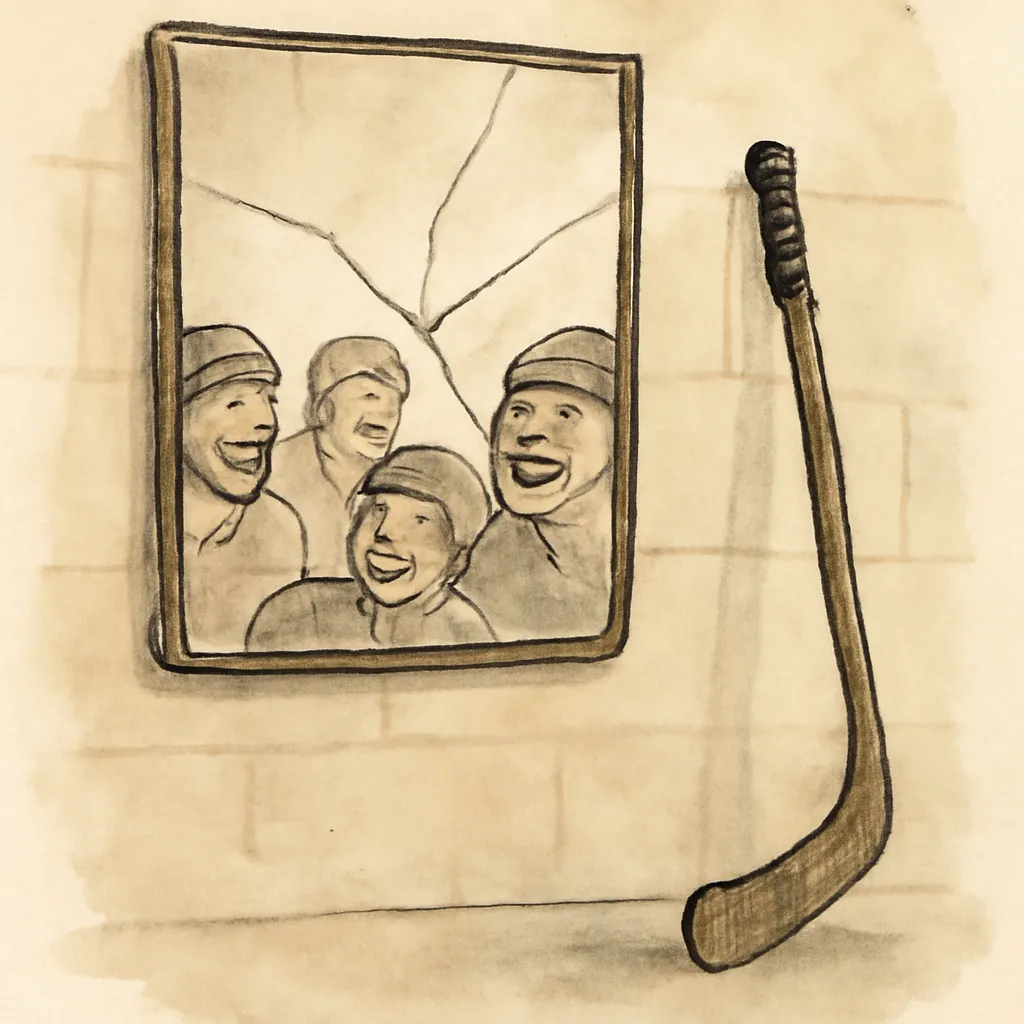
Beyond the action on the ice, Plimpton delves into the unique subculture of professional hockey. He captures the locker room banter, the rituals, and the unspoken codes that bind players together. The book explores how camaraderie, toughness, and humor help athletes navigate a sport defined by speed and violence, offering readers a rare glimpse into the brotherhood that exists behind the scenes.
3.The Outsider’s Perspective
Plimpton’s outsider status is both a source of comedy and insight. His self-deprecating tone and candid admissions of fear and ineptitude make the narrative accessible to those unfamiliar with hockey. At the same time, his outsider’s eye allows him to notice details seasoned players might overlook, from the surreal rituals to the psychological toll of the game.
4.The Nature of Fear and Courage
As a goaltender, Plimpton faces the literal and metaphorical pucks hurled his way. The book meditates on fear—of injury, humiliation, and failure—and the courage required to confront it. Plimpton’s willingness to step into the crease, despite his limitations, becomes a metaphor for taking risks and embracing vulnerability in any field.
5.The Myth and Reality of Professional Athletes
Open Net demystifies the lives of pro athletes, showing them as both larger-than-life and deeply human. Plimpton’s encounters reveal the quirks, anxieties, and routines of hockey players, challenging the stereotype of the stoic, invincible sportsman. He highlights their dedication, but also their doubts and pressures, making them relatable to readers.
6.The Power of Humor in High-Stakes Situations
Humor is Plimpton’s shield and sword throughout his ordeal. His wry observations and comic timing transform moments of terror or embarrassment into opportunities for connection and reflection. The book’s levity not only entertains but also underscores the importance of not taking oneself too seriously, even in the face of daunting challenges.