1.Orientalism as a System of Knowledge and Power
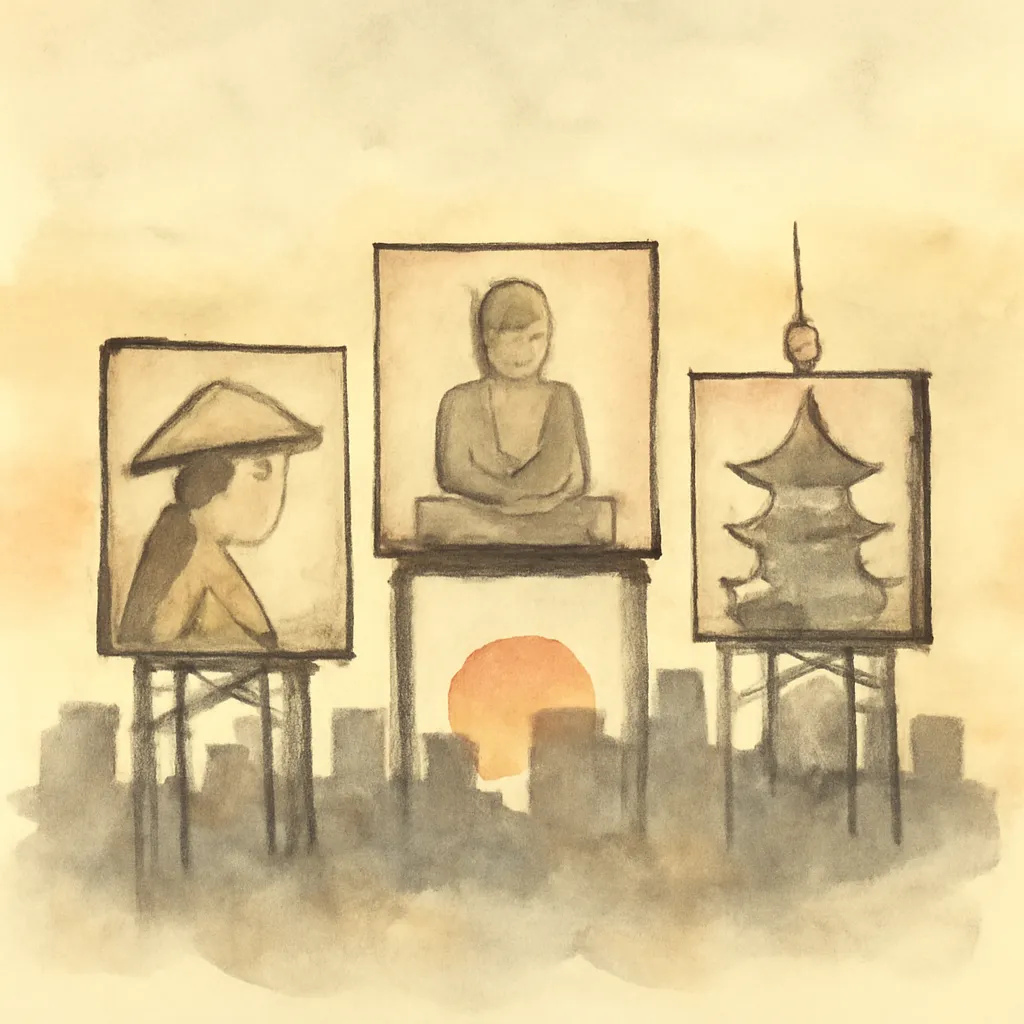
Said argues that 'Orientalism' is not just a field of academic study, but a pervasive system through which the West has defined and controlled the East. By producing knowledge about the 'Orient,' Western scholars, artists, and politicians have justified colonial domination and shaped how both Westerners and Easterners see the world. This system turns the East into a passive, exotic, and inferior 'Other,' reinforcing Western superiority and authority.
2.The Construction of the 'Other'
A core insight of the book is that the West’s image of the East is less about reality and more about projection. Orientalism involves creating stereotypes—mysterious, backward, sensual, or dangerous—that serve Western interests. These representations ignore the diversity and agency of real people in the East, reducing them to caricatures and denying them a voice in defining themselves.
3.The Intertwining of Culture and Imperialism
Said shows that Orientalism is deeply tied to the history of imperialism. Literature, art, and scholarship were not neutral; they often supported and rationalized colonial rule. By depicting the East as static and in need of Western guidance, cultural works helped legitimize conquest and control. This legacy continues to influence how the West engages with the Middle East and Asia.
4.Knowledge is Never Neutral
One of Said’s most provocative arguments is that knowledge is shaped by power. Western studies of the Orient were not objective or detached, but embedded in political agendas. This challenges the idea that academic or cultural representations can be separated from the context of who produces them and why. Understanding this dynamic is crucial for critically reading history, media, and scholarship.
5.Orientalism’s Enduring Impact
Orientalism is not just a relic of the past. Said traces how its patterns persist in modern media, policy, and popular culture. Stereotypes about the East continue to inform Western attitudes and foreign policy, often with damaging consequences. Recognizing and challenging these patterns is essential for more equitable global relationships and mutual understanding.
6.The Possibility of Self-Representation
Said emphasizes the importance of allowing people from the East to represent themselves, rather than being spoken for by outsiders. This is a call for intellectual and cultural decolonization—making space for diverse voices and perspectives that have long been marginalized or distorted by Orientalist frameworks.