1.Defining Sustainable Development
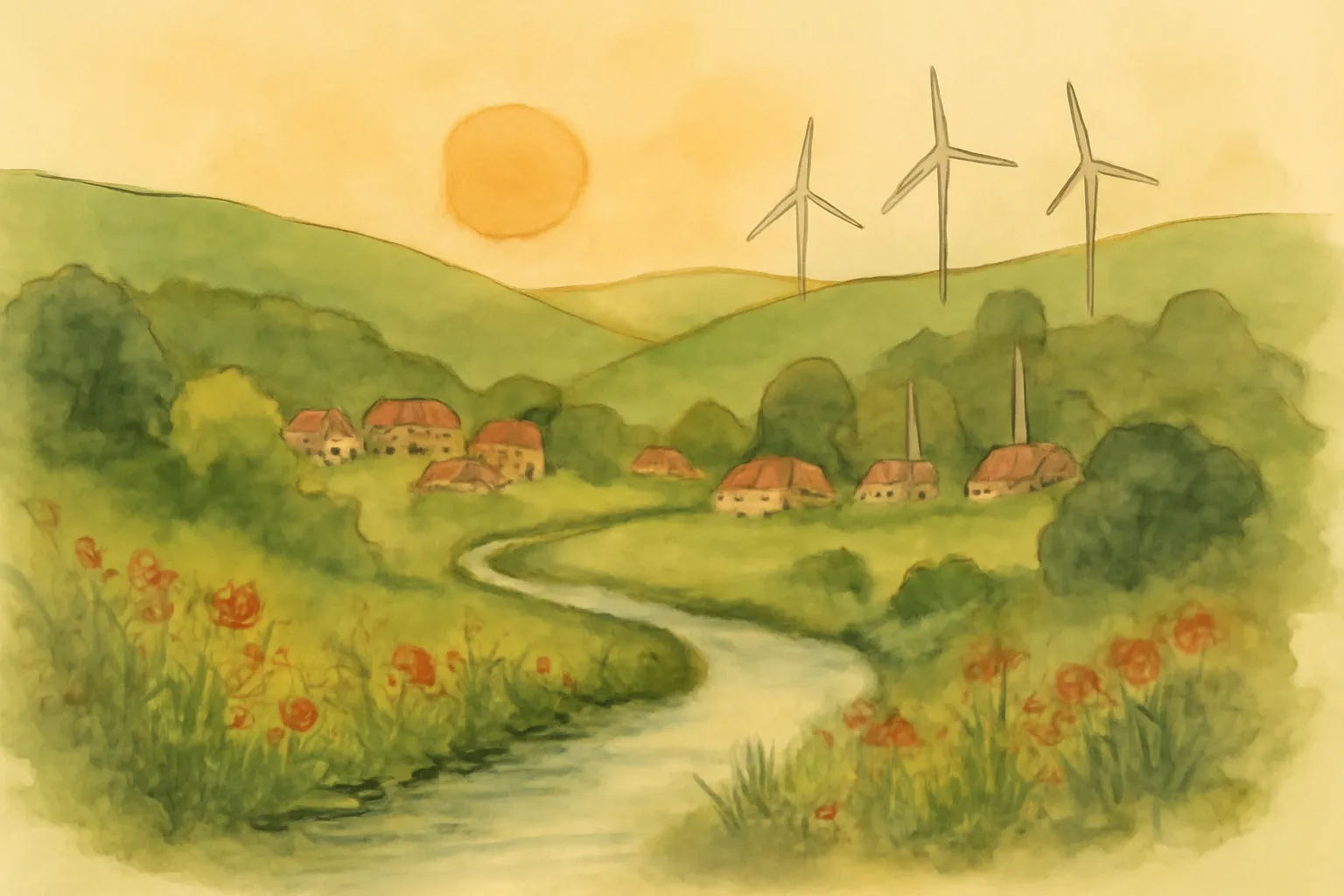
The report famously defines sustainable development as 'development that meets the needs of the present without compromising the ability of future generations to meet their own needs.' This concept reframes environmental protection as inseparable from economic and social development. It insists that poverty, inequality, and environmental degradation are interconnected challenges, and that solutions must address them together rather than in isolation.
2.Interdependence of Environment and Economy
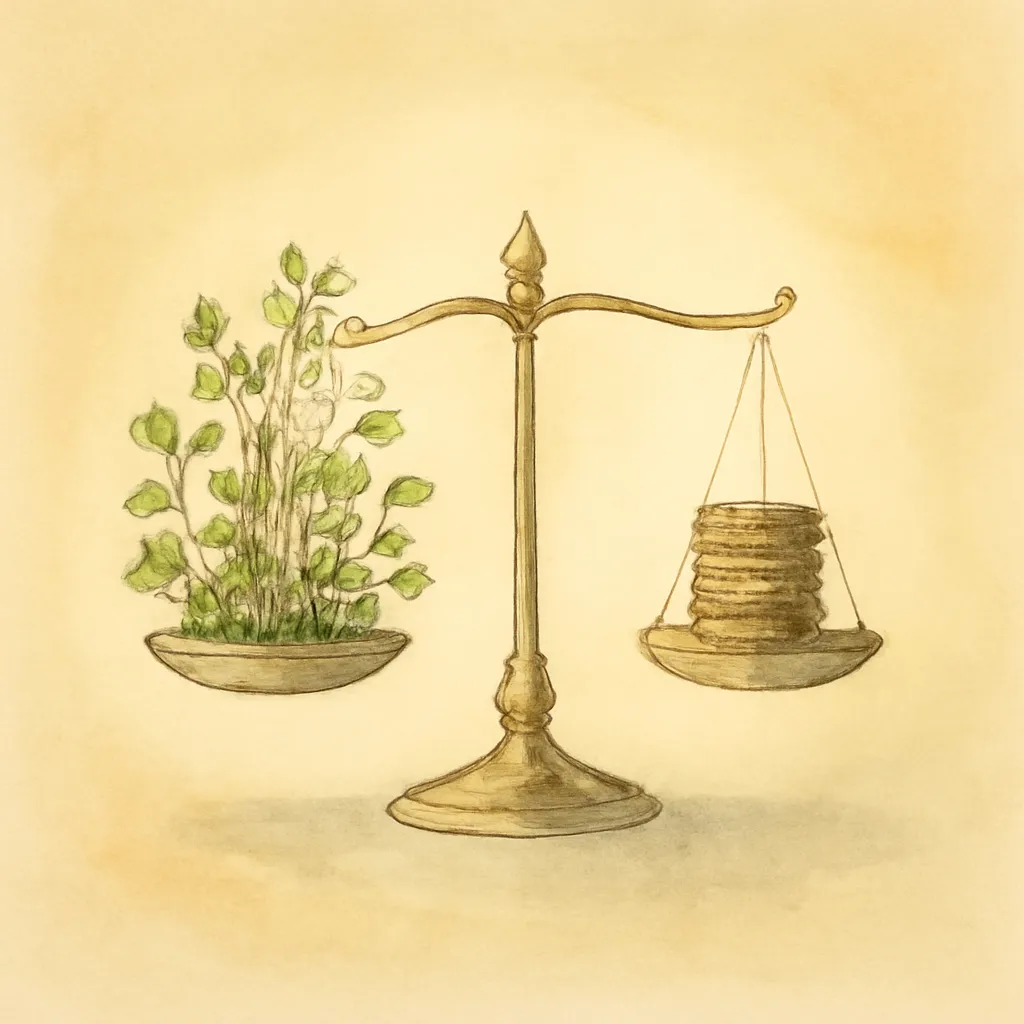
Our Common Future argues that environmental and economic concerns cannot be separated. Economic growth that destroys natural resources or worsens inequality is ultimately self-defeating. The report calls for integrated policies that consider long-term ecological health alongside immediate economic gains, emphasizing that environmental stewardship is a prerequisite for lasting prosperity.
3.Global Cooperation is Essential
The report stresses that environmental issues cross national boundaries and require international collaboration. Problems like climate change, deforestation, and pollution are global in scope, and no single country can solve them alone. Our Common Future advocates for stronger international institutions and agreements, urging both developed and developing nations to share responsibility and resources.
4.Equity and Social Justice
A core message is that sustainable development must be equitable. The report highlights the disproportionate impact of environmental degradation on the poor and marginalized, and calls for policies that promote fairness both within and between countries. It argues that eradicating poverty and ensuring access to resources are fundamental to achieving sustainability.
5.The Need for Policy Reform and Innovation
Our Common Future criticizes existing economic and political systems for failing to account for environmental limits. It calls for reforms in areas like energy, agriculture, and industry, and encourages investment in new technologies and practices that reduce environmental harm. The report also urges governments to adopt long-term thinking and to involve citizens in decision-making.
6.Intergenerational Responsibility
The report introduces the ethical dimension of sustainability: the obligation to consider the rights and needs of future generations. It challenges readers to think beyond short-term interests and to recognize that today’s choices will shape the world inherited by tomorrow’s children.