1.Cultural Materialism Explained
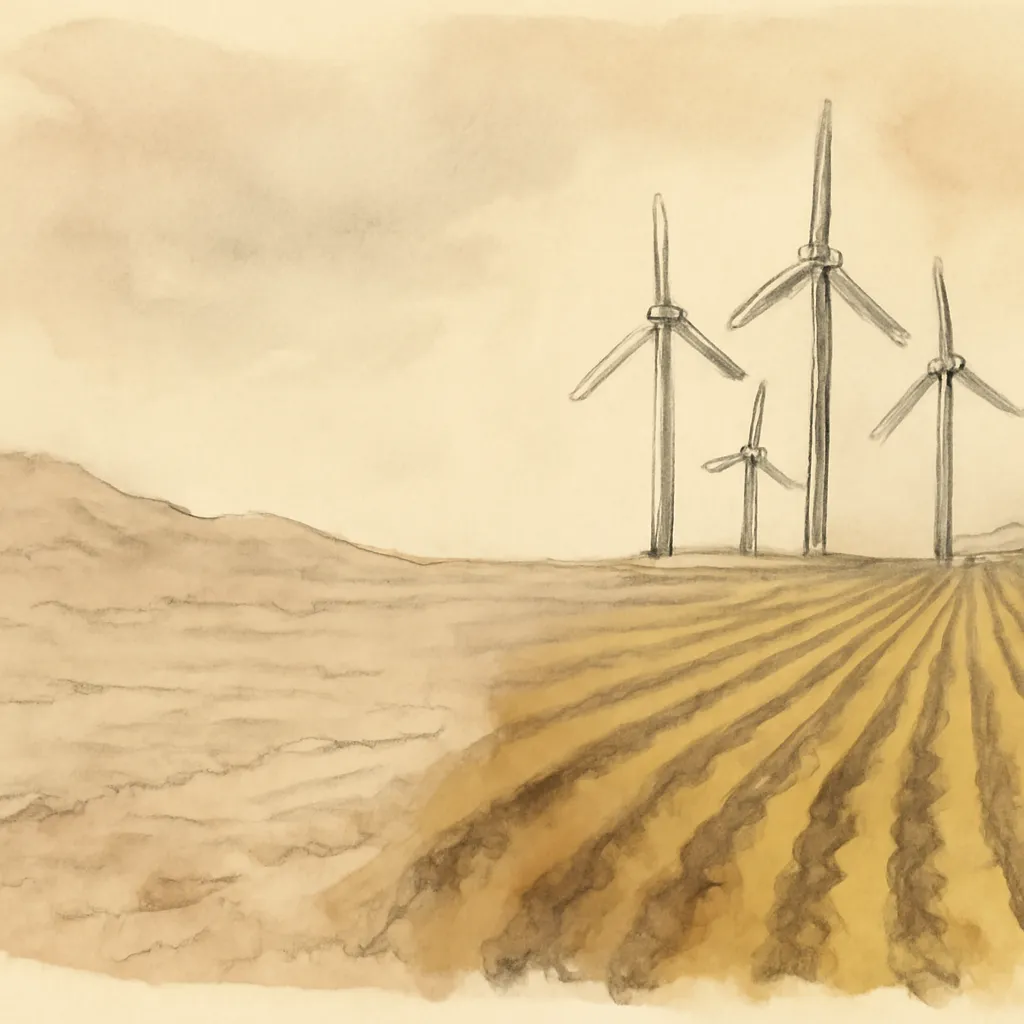
Harris champions the theory of cultural materialism, arguing that material conditions—like environment, technology, and economic needs—are the primary drivers of societal development. Rather than seeing culture as shaped mainly by ideas or beliefs, Harris insists that practical realities such as food sources, population pressures, and ecological limits shape everything from religion to social structure. This perspective challenges readers to look beyond surface explanations and consider the underlying material forces that mold human societies.
2.The Evolutionary Roots of Human Behavior
'Our Kind' delves into the evolutionary origins of traits like cooperation, aggression, and family structure. Harris connects contemporary human behavior to patterns established in our early history as hunter-gatherers, suggesting that many modern customs have deep evolutionary roots. By understanding these origins, readers can better grasp why certain behaviors persist across cultures and eras.
3.The Logic Behind Seemingly Irrational Customs
Harris is known for demystifying practices that outsiders might consider bizarre or irrational—such as dietary taboos, marriage rules, or ritual sacrifices. He argues that these customs often have hidden practical functions, like resource management or social cohesion, even if participants are unaware of the underlying logic. This approach encourages readers to look for rational explanations beneath the surface of cultural traditions.
4.The Impact of Technology and Environment
A recurring theme is that technological innovation and environmental constraints are central to understanding why societies develop as they do. Harris explores how the adoption of agriculture, domestication of animals, and urbanization transformed human lives, reshaping everything from gender roles to political organization. He emphasizes that no society exists in a vacuum—material conditions continually push cultures to adapt or perish.
5.Questioning Ethnocentrism
Harris challenges ethnocentric thinking by urging readers to see all cultures as responses to specific material circumstances, rather than as superior or inferior. He promotes a relativistic understanding, arguing that what might seem strange or backward from one perspective often makes sense within a particular ecological and historical context. This fosters a more empathetic and analytical approach to cultural differences.
6.Where Are We Going? The Future of Humanity
The book closes by speculating about humanity’s future, considering the challenges posed by population growth, technological change, and environmental limits. Harris warns that ignoring the material realities that have always shaped societies could have dire consequences. He calls for a rational, evidence-based approach to solving global problems, grounded in an understanding of our evolutionary and cultural past.