1.The Rise of Decentralized Systems
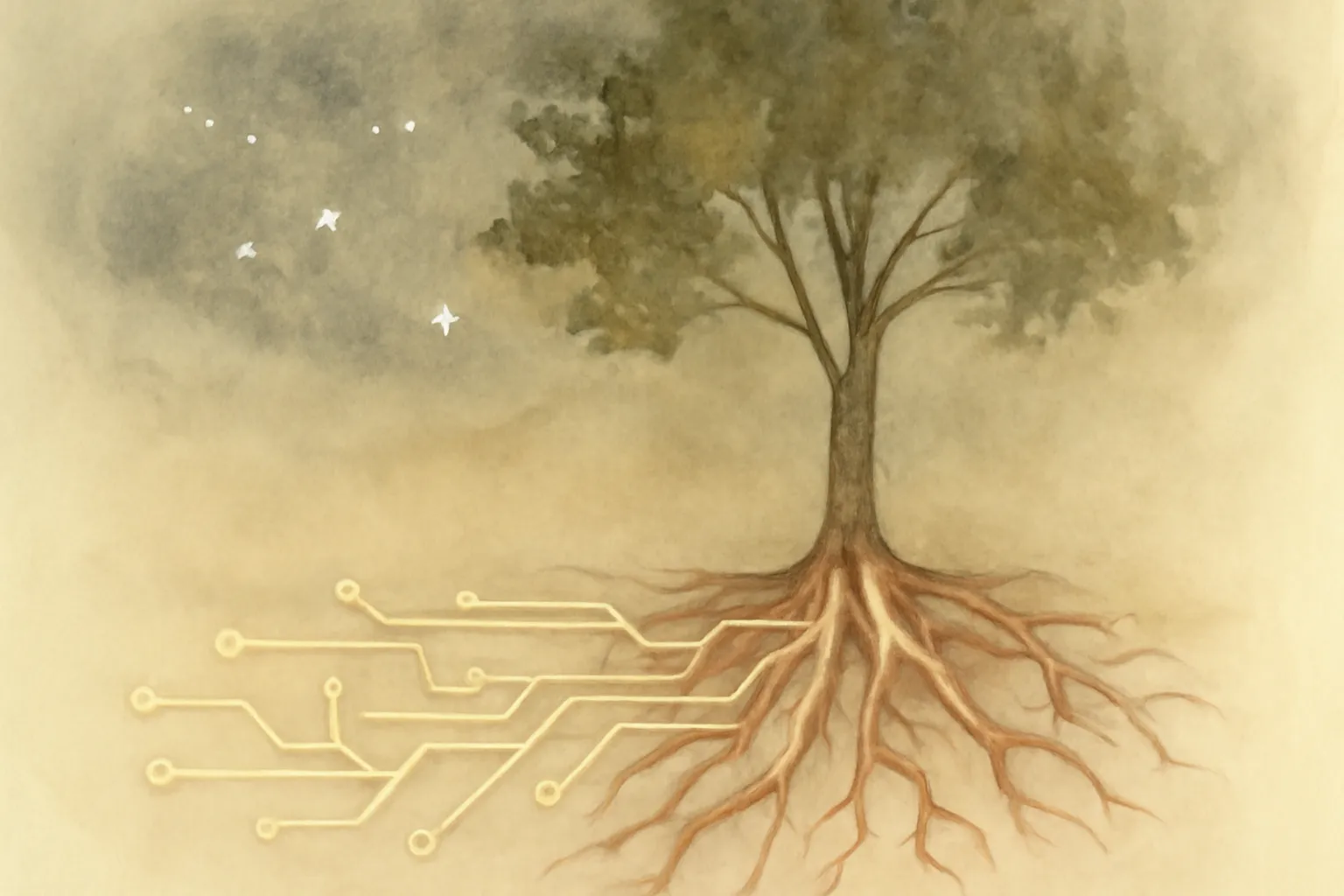
Kelly argues that the most robust and adaptive systems—whether biological, technological, or social—are decentralized. Instead of top-down command, these systems thrive on distributed control, local interactions, and emergent order. He illustrates how ant colonies, the internet, and economies all operate without a central authority, suggesting that the future will belong to such bottom-up architectures.
2.Machines as Living Systems
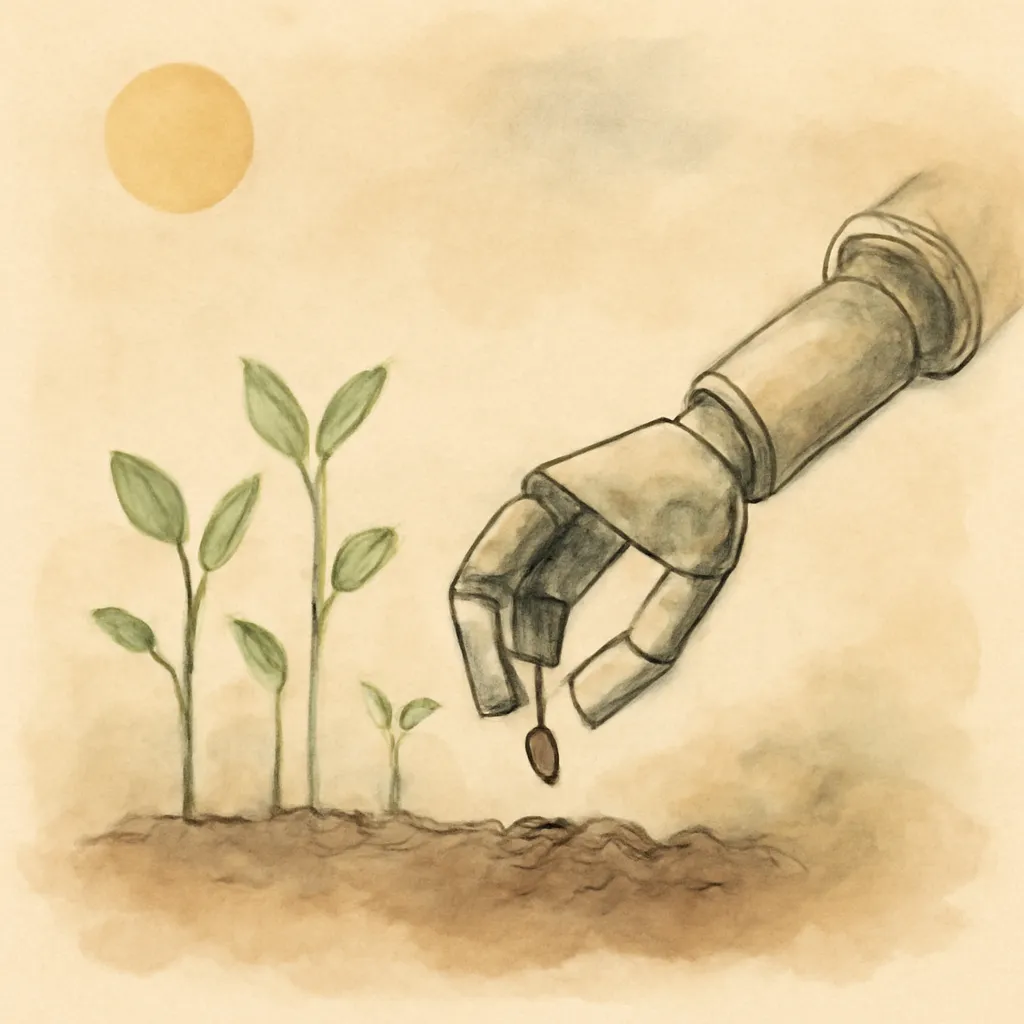
A central thesis is that machines are becoming more 'biological' in their behavior. Kelly explores how robotics, software, and networks increasingly mimic life: they evolve, adapt, and sometimes even reproduce. This blurring of boundaries raises questions about what it means to be alive and how our technologies might participate in evolutionary processes.
3.The Power of Emergence
Emergence is the phenomenon where complex order arises from simple rules and interactions. Kelly shows how this principle underlies everything from flocking birds to market economies to artificial intelligence. Rather than being designed in detail, these systems self-organize, producing outcomes that are unpredictable but often more resilient and creative than centrally planned alternatives.
4.The Limits of Control
Kelly challenges the traditional engineering mindset that seeks to tightly control and predict outcomes. He contends that as systems grow in complexity, attempts at absolute control become not only futile but counterproductive. Instead, he advocates for nurturing environments where desirable behaviors can emerge organically.
5.Co-evolution of Humans and Technology
The book posits that humans and their creations are locked in a co-evolutionary dance. As we design machines, those machines in turn shape us—our behaviors, societies, and even our biology. Kelly suggests that understanding this mutual shaping is crucial for navigating the future responsibly.
6.Ecological Thinking for the Technological Age
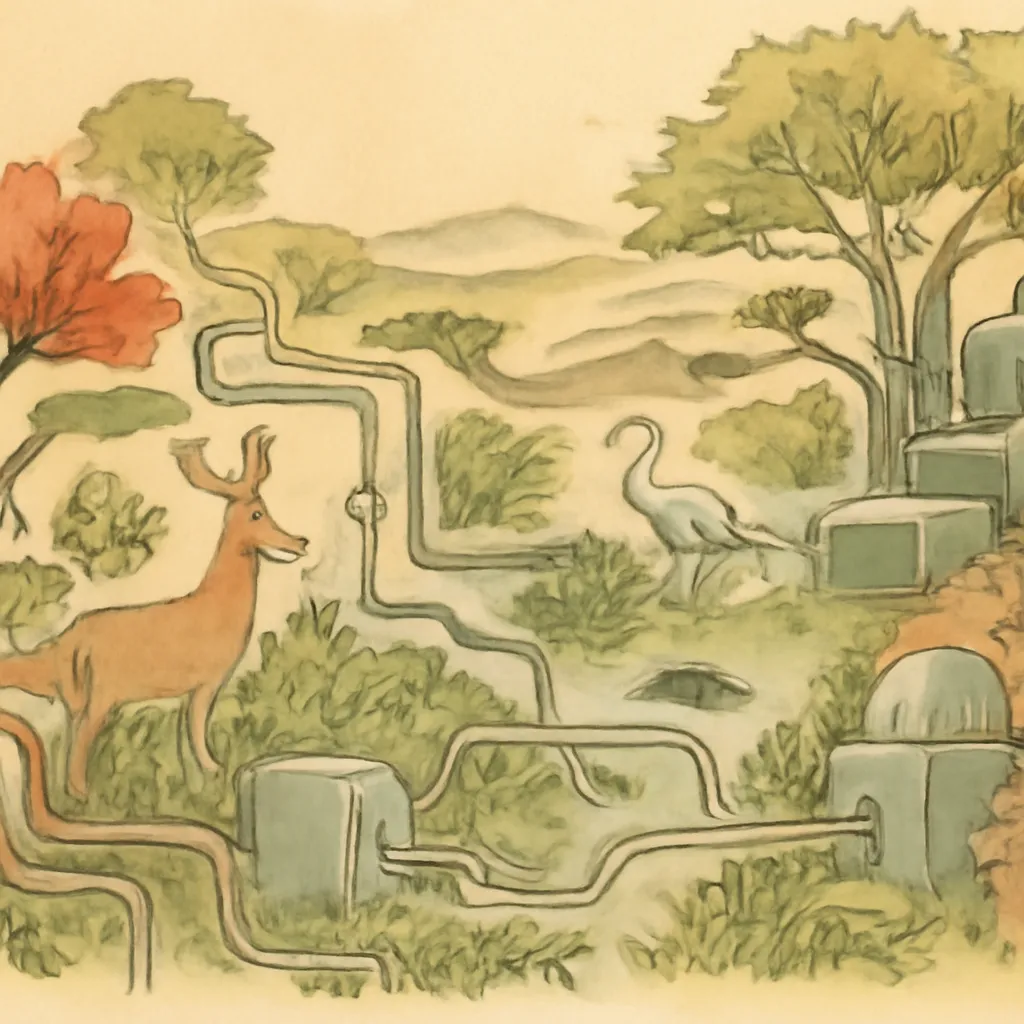
Kelly urges readers to adopt an ecological mindset when dealing with technology. Rather than viewing machines as isolated tools, we should see them as part of complex, interconnected systems—subject to feedback, adaptation, and unintended consequences. This perspective encourages humility and adaptability in technological design and policy.