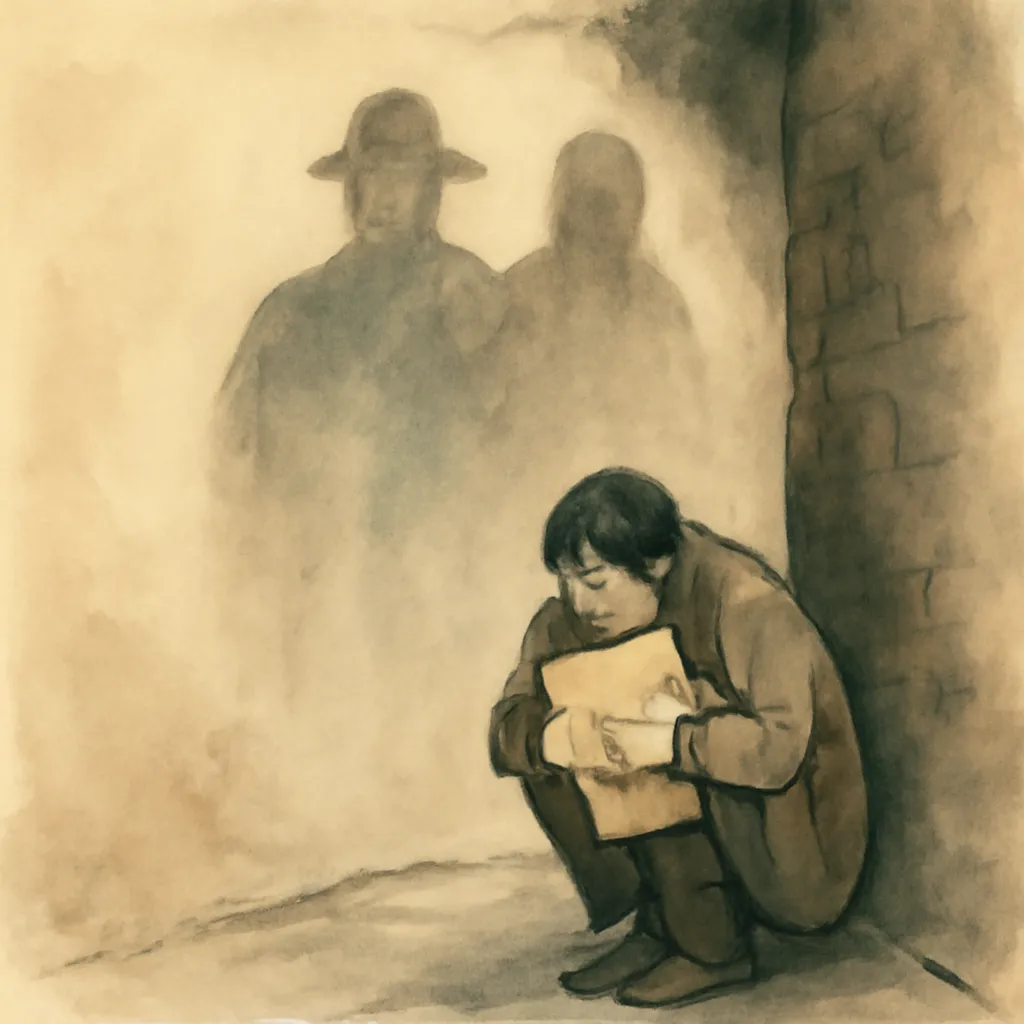
1.The Machinery of Revolution
Valtin exposes the inner workings of the Communist underground in Europe during the interwar years, describing in vivid detail the tactics, discipline, and ruthlessness required of its operatives. He reveals how the movement's leaders demanded absolute loyalty and secrecy, often at the expense of personal morality or even human life. The book demystifies the romantic image of revolution, showing instead a world of paranoia, manipulation, and constant danger, where ideological purity trumps individual conscience.
2.Ideology Versus Humanity
A central theme is the corrosive effect of totalitarian ideology—whether Communist or Nazi—on the individual. Valtin describes how devotion to a cause can erode empathy and justify atrocities, as operatives are encouraged to betray friends, family, and even themselves for the sake of the Party. The memoir is a meditation on the loss of self in service to an all-consuming ideology, and the ways in which such movements prey on idealism to create instruments of terror.
3.Espionage as a Way of Life
Valtin's life as a spy is depicted not as glamorous, but as isolating and psychologically harrowing. He recounts constant surveillance, double-crosses, and the ever-present threat of exposure or death. The memoir offers a rare, granular look at the methods of clandestine warfare: coded messages, secret meetings, and the use of violence or blackmail. This portrait of espionage is both thrilling and sobering, stripping away any illusions of heroism.
4.Betrayal and the Collapse of Trust
Trust is a fragile commodity in Valtin's world, and betrayal is both a tool and a constant threat. The book is punctuated by stories of comrades turning on each other, of informers and provocateurs, and of the paranoia that pervades underground movements. Valtin explores the psychological toll this takes, as the boundaries between friend and foe blur, and the cost of survival becomes ever steeper.
5.The Tragedy of German Communism
Valtin provides a unique insider’s perspective on the failure of the German Communist movement to resist the rise of Nazism. He is critical of the movement’s infighting, doctrinaire rigidity, and the manipulation by Soviet interests, which ultimately crippled its ability to form effective opposition. The memoir is a lament for lost opportunities and a warning about the dangers of ideological purity over pragmatic resistance.
6.Personal Redemption and Disillusionment
The narrative is also a story of personal awakening and the painful process of breaking free from ideological captivity. Valtin’s journey from committed revolutionary to disillusioned exile is marked by self-examination and regret. The book ends not with triumph, but with a sober reckoning of the costs of fanaticism and the enduring struggle to reclaim one’s humanity.