1.Dehumanization in Professional Sports
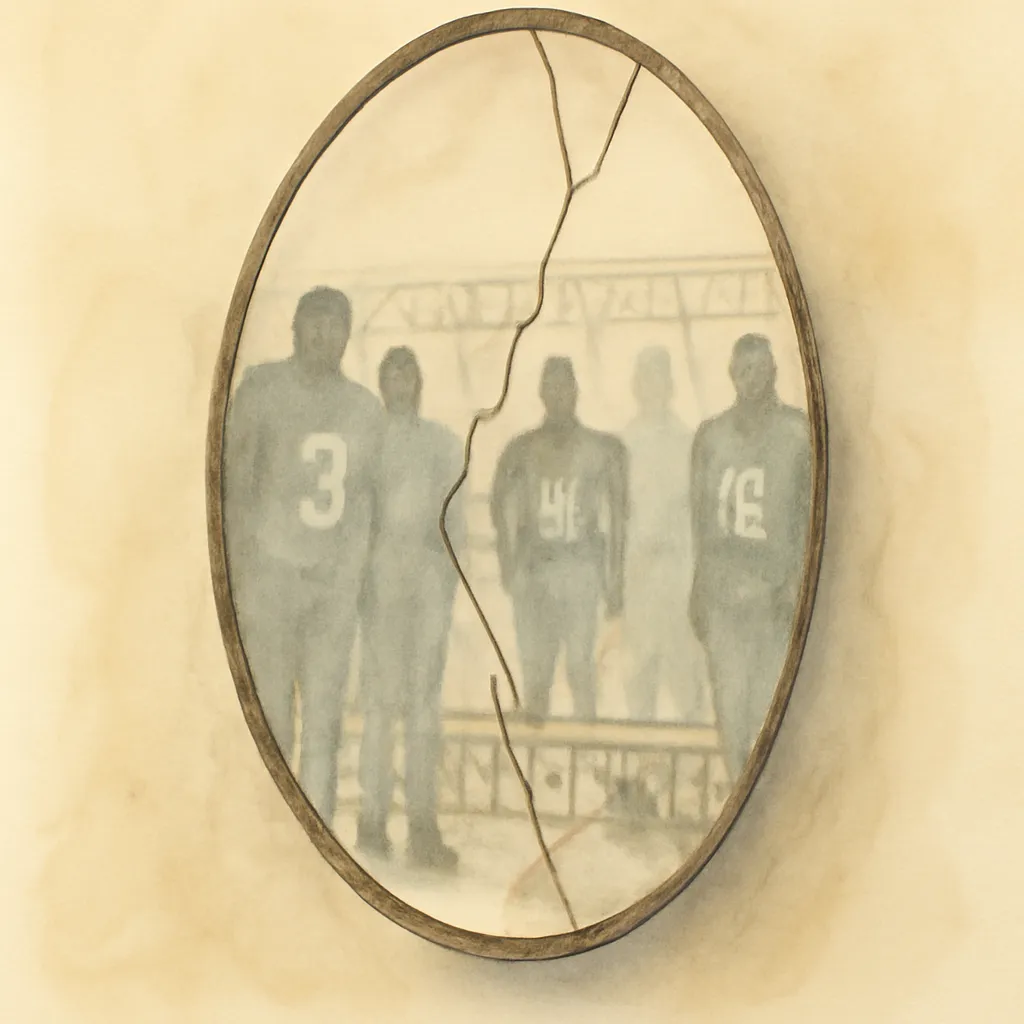
Meggyesy reveals how the NFL, far from being just a game, is an institution that often treats players as expendable commodities. He describes a culture where athletes are pushed to sacrifice their bodies and individuality for the sake of profit and team success, leading to emotional numbness and alienation. The book details how this environment strips away personal identity, reducing players to mere performers in a high-stakes business.
2.Racism and Social Injustice
A significant portion of the memoir addresses the systemic racism embedded in professional football during the 1960s and 70s. Meggyesy exposes both overt and subtle forms of discrimination, from locker room dynamics to management decisions. He connects these experiences to broader struggles for civil rights, arguing that sports both reflect and perpetuate social inequalities.
3.Violence and Physical Toll
The book offers an unflinching look at the violence inherent in football—not just as spectacle, but as a lived reality for players. Meggyesy discusses the normalization of pain, injury, and aggression, and how these are valorized by coaches and fans alike. He questions the long-term cost of this violence on players' bodies and psyches, challenging the myth of the invincible athlete.
4.Drug Use and Coping Mechanisms
Meggyesy candidly recounts the widespread use of drugs—both prescribed and illicit—within the NFL as players seek to manage pain, stress, and performance demands. He critiques the league's tacit acceptance of these practices, highlighting how the pressure to play through injury and maintain peak performance often leads to destructive habits.
5.Personal Awakening and Activism
Central to the memoir is Meggyesy's own transformation from a conforming athlete to a socially conscious critic. His growing disillusionment with the NFL leads him to question authority, embrace countercultural values, and eventually become an advocate for players' rights and social justice. The book traces his journey toward self-liberation and his ongoing commitment to reforming the system.
6.The Myth Versus Reality of the American Dream
Out of Their League challenges the popular narrative that professional sports offer a straightforward path to success and fulfillment. Meggyesy argues that the dream sold to young athletes is often a mirage, masking exploitation and disillusionment. He urges readers to look beyond the glamour and consider the real costs paid by those in the game.