1.Time Travel as a Catalyst for Self-Discovery
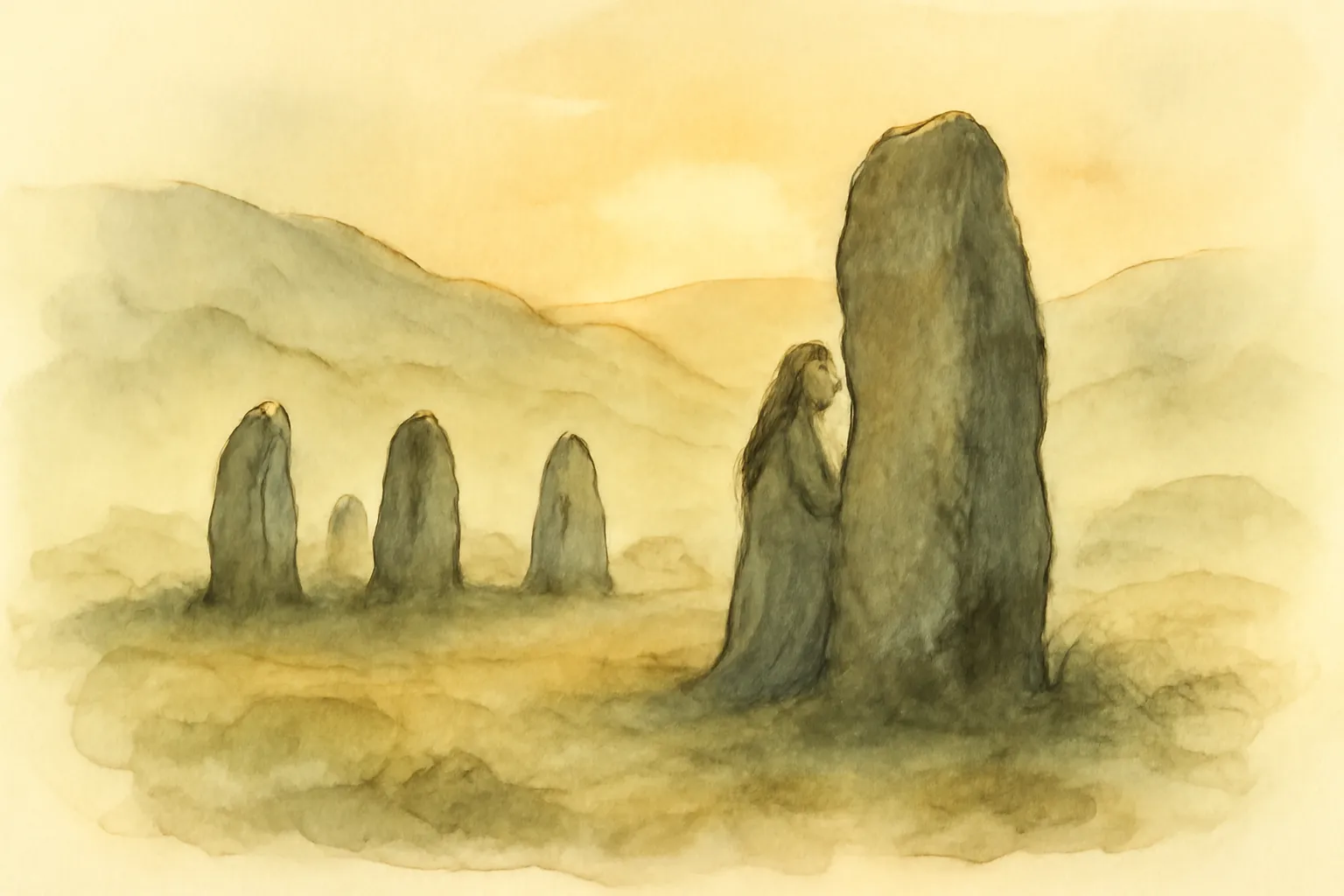
Claire Randall’s abrupt journey from 1945 to 1743 Scotland is more than a plot device—it’s a crucible that forces her to confront her identity, values, and desires. The time travel element isn’t just about adventure; it’s about how a person’s sense of self is challenged when stripped of familiar context. Claire’s medical knowledge, independence, and modern sensibilities become both assets and liabilities, compelling her to redefine who she is in a world with vastly different expectations for women.
2.Clash of Cultures and Gender Roles
Outlander vividly contrasts 20th-century and 18th-century attitudes, especially regarding gender, power, and social hierarchy. Claire’s struggle to assert herself among the Highlanders highlights the constraints placed on women in the past, while also exposing the prejudices and limitations of her own era. Gabaldon uses Claire’s outsider status to explore how societies shape—and often restrict—individual freedom, especially for women.
3.Love as Both Salvation and Conflict
At its core, Outlander is a love story, but one rooted in real emotional and ethical dilemmas. Claire’s relationships with her husband Frank in the 1940s and Jamie Fraser in the 1740s force her to grapple with loyalty, desire, and the meaning of commitment. The novel doesn’t romanticize love as simple or easy; instead, it examines how love can be transformative, painful, and morally complex when set against the backdrop of war and survival.
4.Historical Immersion and Political Intrigue
Gabaldon’s meticulous research brings 18th-century Scotland to life, from clan rivalries to the looming threat of the Jacobite uprising. The novel weaves personal stories with broader historical events, immersing readers in the everyday realities and dangers of the time. This provides not only a vivid setting but also a sense of urgency and realism that grounds the fantasy elements.
5.Survival and Adaptation
Claire’s journey is as much about physical survival as it is about emotional endurance. She faces violence, suspicion, and the constant threat of exposure as an outsider. Her resourcefulness, medical skills, and quick thinking are repeatedly tested, making her a compelling protagonist who must adapt or perish. The novel explores how adaptability and resilience are crucial to overcoming both external and internal obstacles.
6.The Nature of Home and Belonging
Outlander poses poignant questions about what constitutes 'home.' Is it a place, a time, or the people we love? Claire’s longing for her own era and her growing attachment to Jamie and the Highlands force her—and the reader—to consider where true belonging lies. The tension between past and present, duty and desire, is a driving force throughout the narrative.