1.Self-Understanding as the Foundation
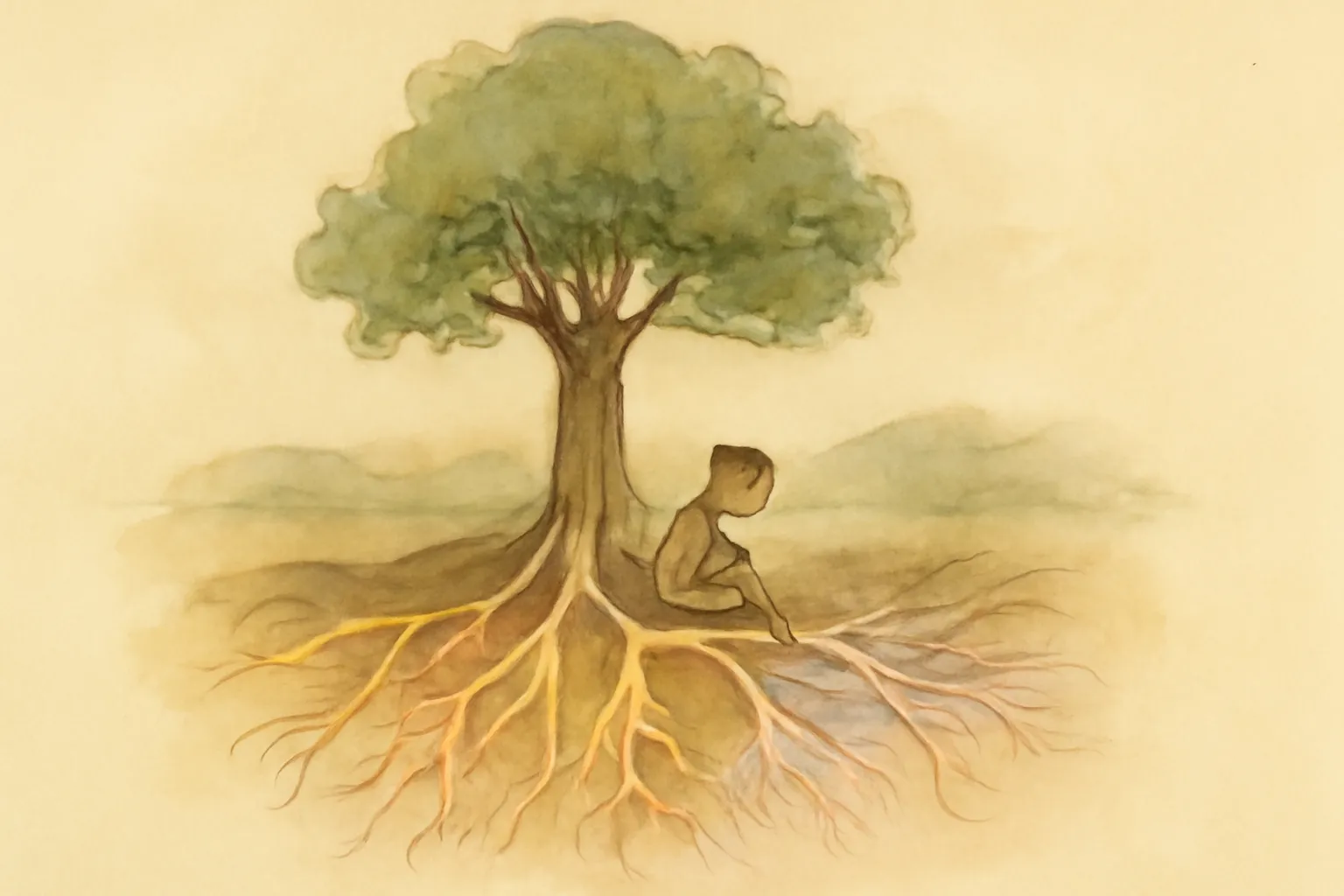
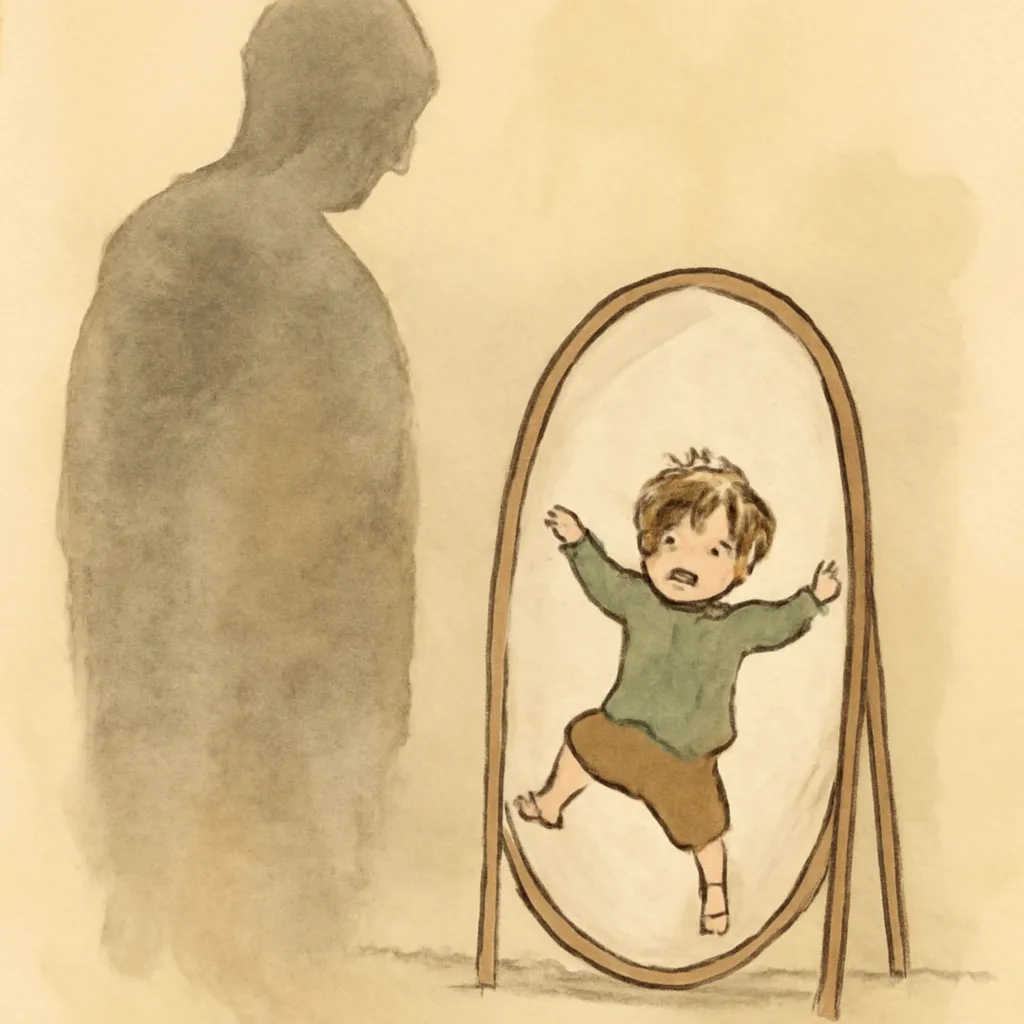
Siegel argues that to parent effectively, you must first understand yourself—your emotions, triggers, and the way your own childhood experiences shape your reactions. This self-awareness is not about blaming your parents or being perfect, but about recognizing how your internal world influences the way you respond to your child. By making sense of your own story, you can avoid unconsciously repeating patterns and instead make intentional, thoughtful choices.
2.Attachment and Emotional Security
The book draws on attachment theory, explaining how a parent's ability to reflect on their own experiences directly impacts their child's sense of security. Children need caregivers who are emotionally available and attuned. Siegel emphasizes that even if you didn't have a secure attachment growing up, you can develop the skills to provide it for your own children by working through your past.
3.Integration of Brain and Mind
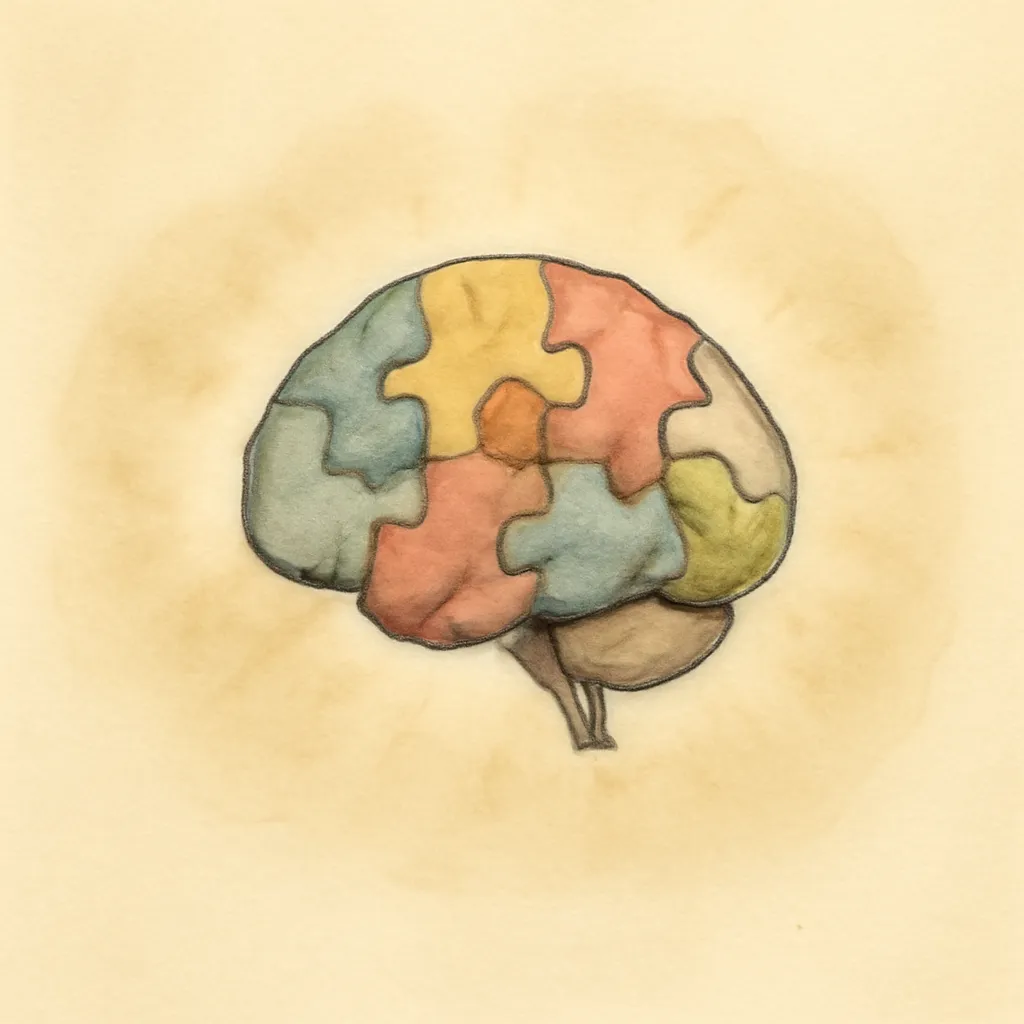
Siegel, a neuroscientist, introduces the concept of integration—helping different parts of the brain work together harmoniously. He shows how parents can foster integration in themselves and their children, leading to better emotional regulation, resilience, and empathy. This scientific perspective grounds the book’s advice in research, making it practical and credible.
4.Reflective Parenting
Reflective parenting is the practice of pausing to consider both your own and your child’s inner experiences before reacting. Siegel encourages parents to move beyond automatic responses and instead ask themselves what their child might be feeling or needing in the moment. This mindful approach leads to more empathetic and effective interactions.
5.Repairing and Reconnecting
Mistakes and ruptures in the parent-child relationship are inevitable. Siegel reassures readers that what matters most is the ability to repair—acknowledging mistakes, apologizing, and reconnecting. This process teaches children that relationships can withstand conflict and that emotions are manageable, building trust and resilience.
6.Breaking Intergenerational Patterns
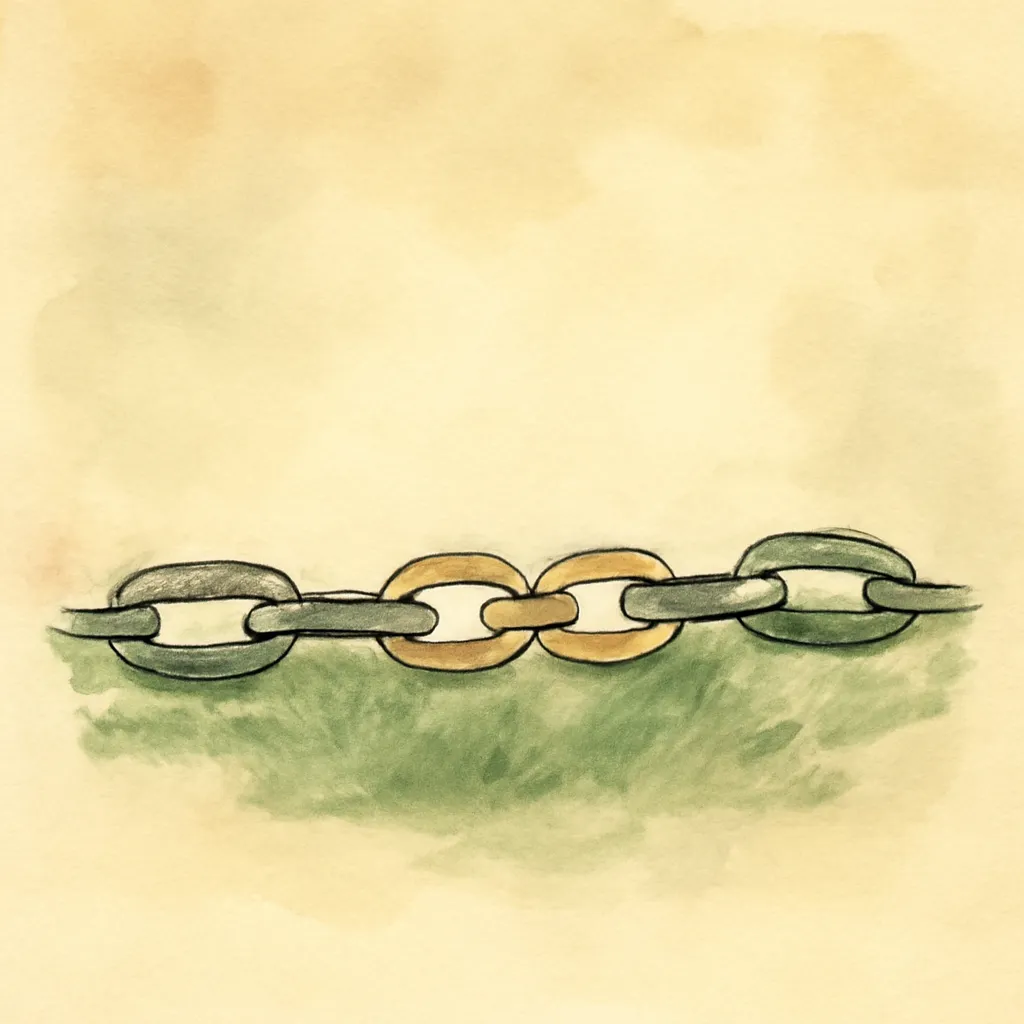
A central theme is the possibility of breaking harmful cycles passed down through families. By becoming aware of your own inherited patterns, you can choose new ways of relating to your child, fostering healthier dynamics for future generations. The book empowers parents to become agents of positive change in their families.