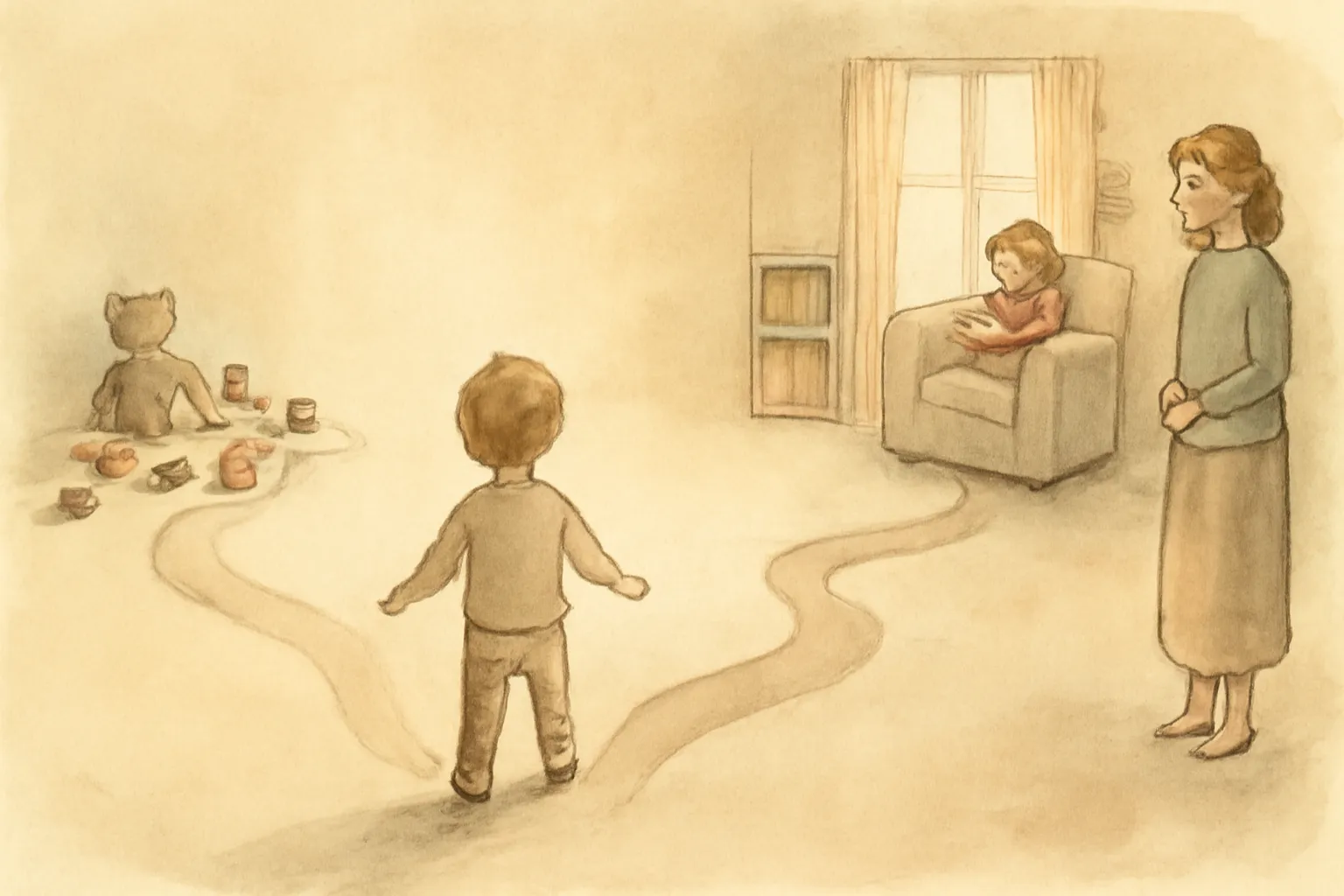
1.Love and Logic: The Core Philosophy
At the heart of the book is the idea that effective parenting balances empathy (love) with consistent consequences (logic). Rather than relying on threats or lectures, parents are encouraged to let children experience the natural or logical consequences of their actions, all while maintaining a supportive, caring relationship. This approach helps children internalize responsibility and learn from real-life experiences, not just parental commands.
2.Empowering Kids Through Choices
Fay and Cline emphasize the importance of giving children choices within limits. By offering options that are acceptable to the parent, children gain a sense of control and ownership over their decisions. This reduces power struggles and helps kids develop decision-making skills. The key is to present choices calmly and consistently, and to respect the child’s autonomy while guiding them toward wise decisions.
3.Learning from Mistakes
A central theme is allowing children to make mistakes and experience the consequences in a safe environment. Instead of rescuing kids from every error, parents are encouraged to show empathy and let the situation teach the lesson. This builds resilience and problem-solving abilities, preparing kids for real-world challenges. The authors argue that loving support, not criticism, helps children reflect on their actions and grow.
4.Neutralizing Arguments
The book provides practical scripts and techniques to avoid getting drawn into arguments or power struggles. One hallmark strategy is the use of empathetic, calm responses—such as 'I know' or 'What did I say?'—to defuse tension. By refusing to engage in debates or emotional battles, parents maintain authority and model self-control, making discipline less about confrontation and more about guidance.
5.Consistency and Follow-Through
Consistency is a cornerstone of the Love and Logic approach. The authors stress that consequences must be predictable and enforced every time, without anger or wavering. This reliability helps children feel secure and understand boundaries. It also teaches them that their actions have predictable outcomes, fostering a sense of accountability.
6.Tailoring Strategies to Age and Situation
The book acknowledges that different ages and personalities require different approaches. Fay and Cline provide examples and stories covering a range of ages, from toddlers to teens, helping parents adapt Love and Logic principles to their unique family dynamics. The emphasis is on flexibility and creativity, not rigid rules.