1.The Duality of the Mind: Mathematical vs. Intuitive Thinking
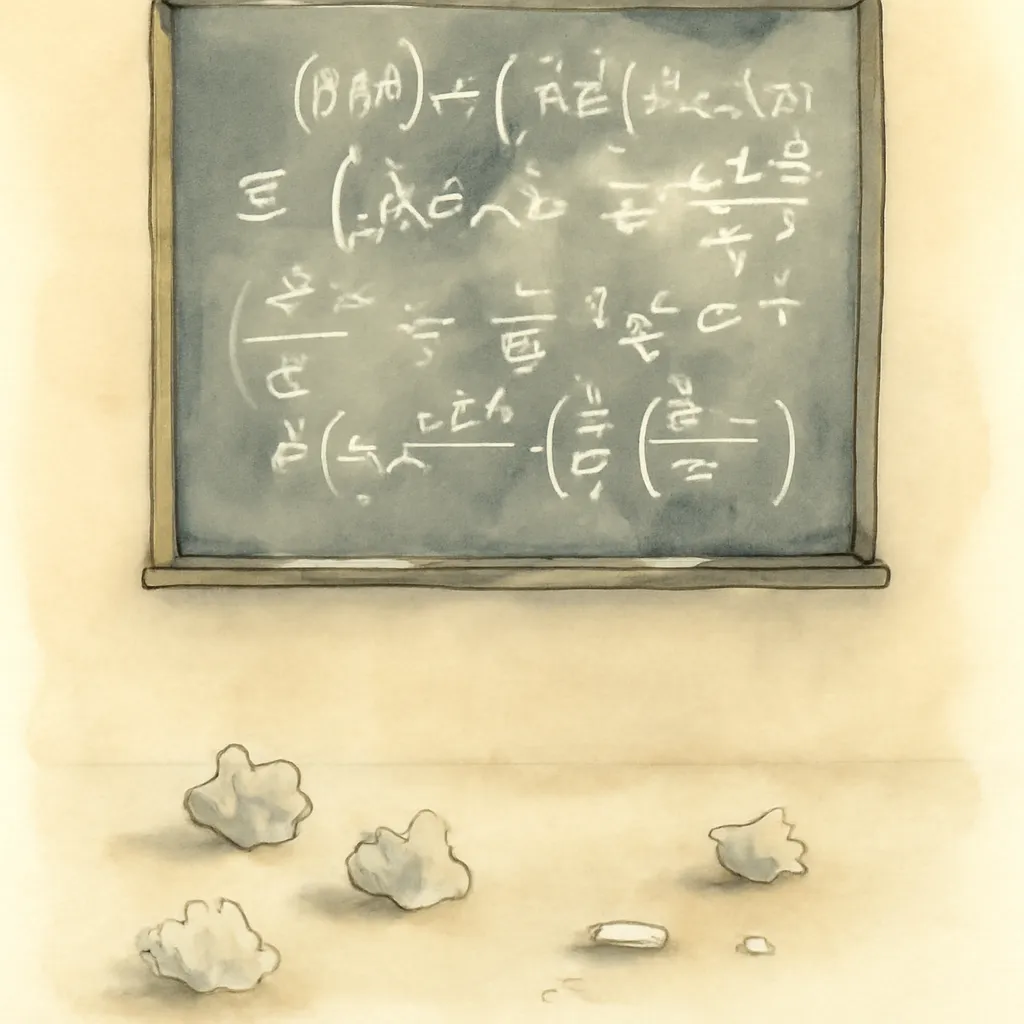
Pascal distinguishes between two types of minds: the mathematical and the intuitive. The mathematical mind operates on clear, structured principles that are often abstract and challenging to grasp without rigorous training. This type of thinking is precise but can be limiting in its application to the complexities of human experience. Pascal reflects that while mathematicians excel in the realm of objective truths, they often struggle with the subtleties of intuition, which requires a different skill set. In contrast, the intuitive mind engages with principles that are commonly understood and felt, making them more accessible yet potentially misleading. Pascal argues that while both types of thinking are valid, they often fail to intersect, leading to misunderstandings in both mathematics and the intuitive grasp of life's deeper truths. He emphasizes the necessity of cultivating both faculties to navigate the intricate landscapes of existence, suggesting that true wisdom lies in the balance of reason and intuition.
2.The Misery of Man Without God
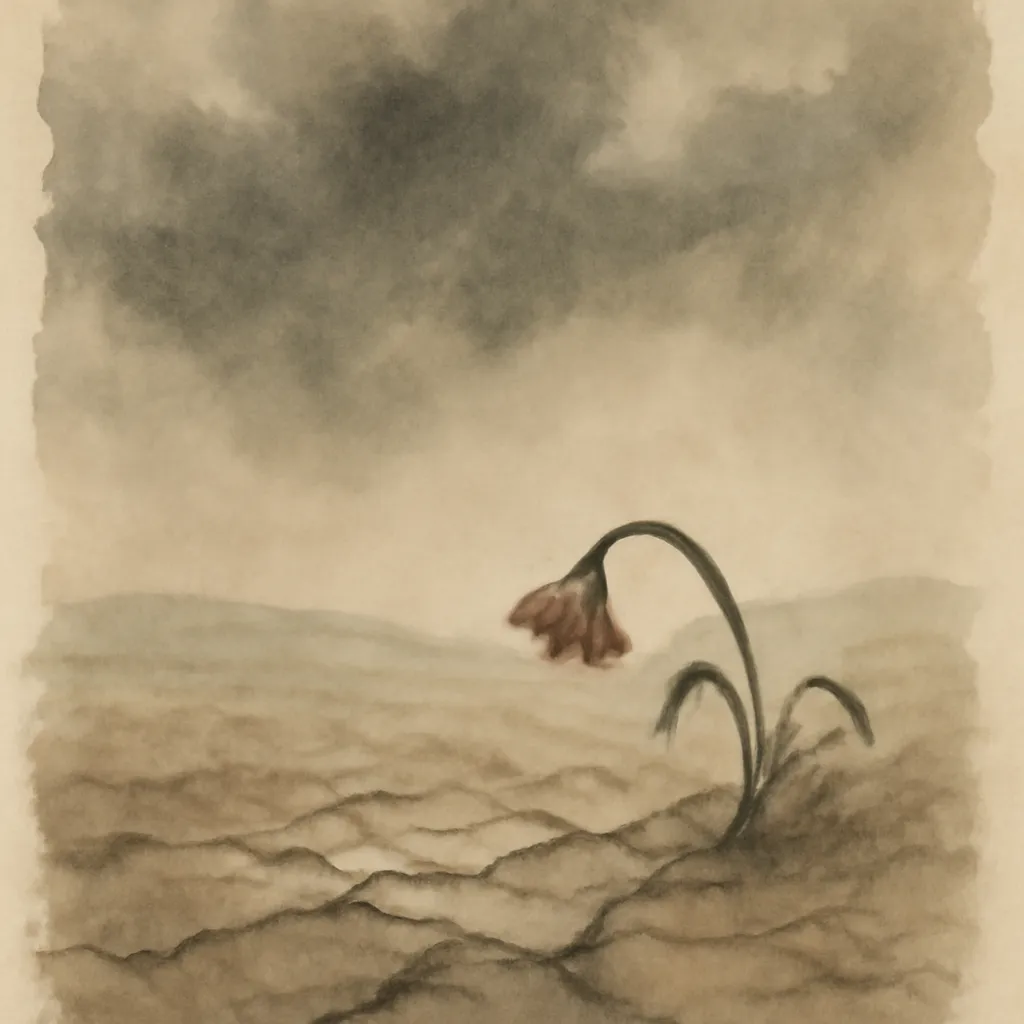
Pascal posits that the inherent misery of humanity stems from a separation from God. He asserts that without divine guidance, individuals are left in a state of despair, chasing fleeting pleasures and ultimately finding them unsatisfying. This misery is not merely a philosophical abstraction but a profound reality observable in the lives of people across all walks of life. Pascal describes the existential void that fills the hearts of those who turn away from God, a void that nothing in the material world can fill. He argues that our natural inclination towards happiness is often misdirected because we seek fulfillment in transient things rather than in the eternal. This disconnection leads to a cycle of despair and superficiality, where people become trapped in their own distractions. Through faith in God, individuals can find true happiness, as He alone can fill the infinite abyss within. This radical view challenges the secular understanding of happiness and calls for a spiritual awakening to overcome human misery.
3.The Role of Imagination in Human Experience
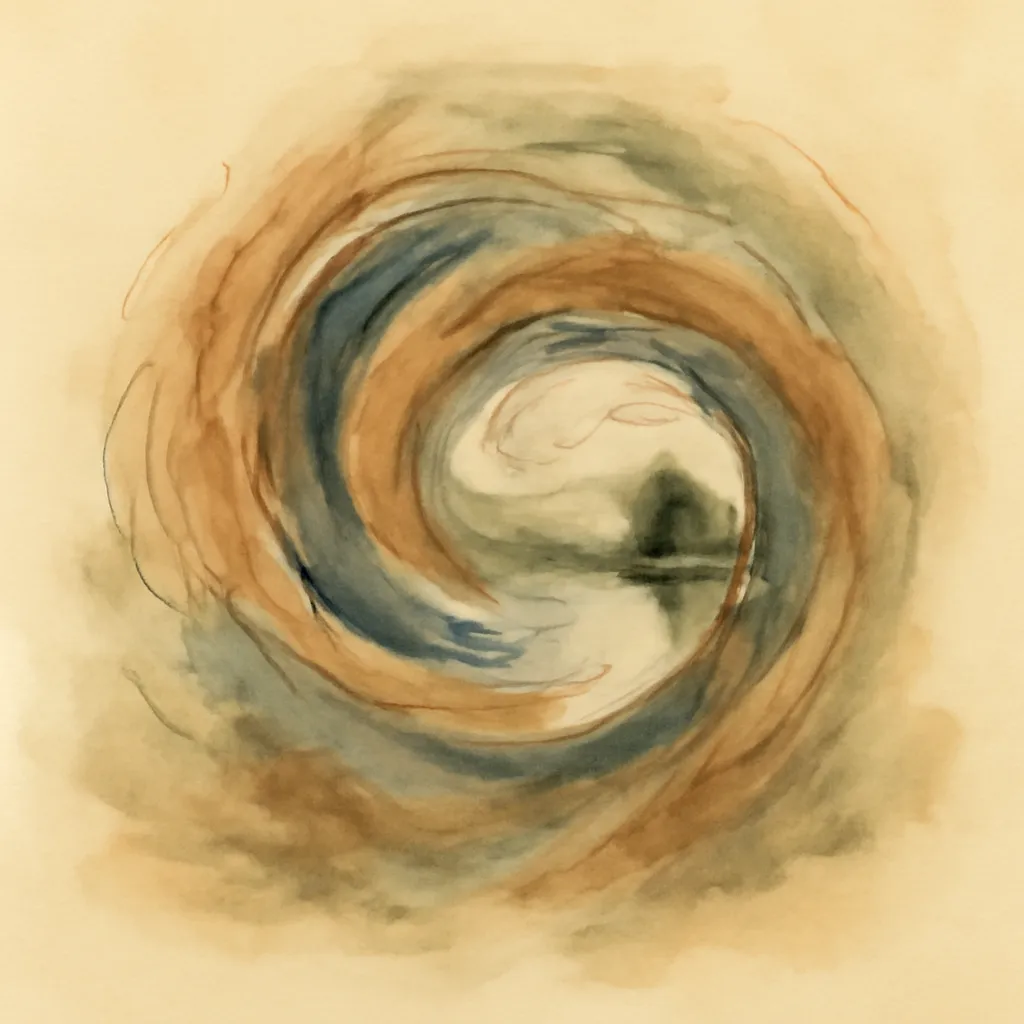
Pascal identifies imagination as a powerful yet deceptive force within human beings. It shapes our perceptions and can lead us astray from truth, often distorting our understanding of reality. He elaborates on how imagination can create illusions of happiness and success, drawing individuals away from the deeper truths of existence. For example, people may envision a life filled with wealth or fame, only to find that such pursuits lead to emptiness. Imagination, while essential for creativity and innovation, can also generate fears, desires, and false beliefs that distract us from the pursuit of genuine knowledge. Pascal emphasizes the need for clarity and reason in countering the misleading tendencies of imagination. He suggests that by grounding ourselves in reason and faith, we can navigate the complexities of life more effectively. This interplay between imagination and reason is crucial for understanding human behavior and the pursuit of truth, underscoring the importance of discernment in our lives.
4.The Necessity of the Wager: A Call to Seek God
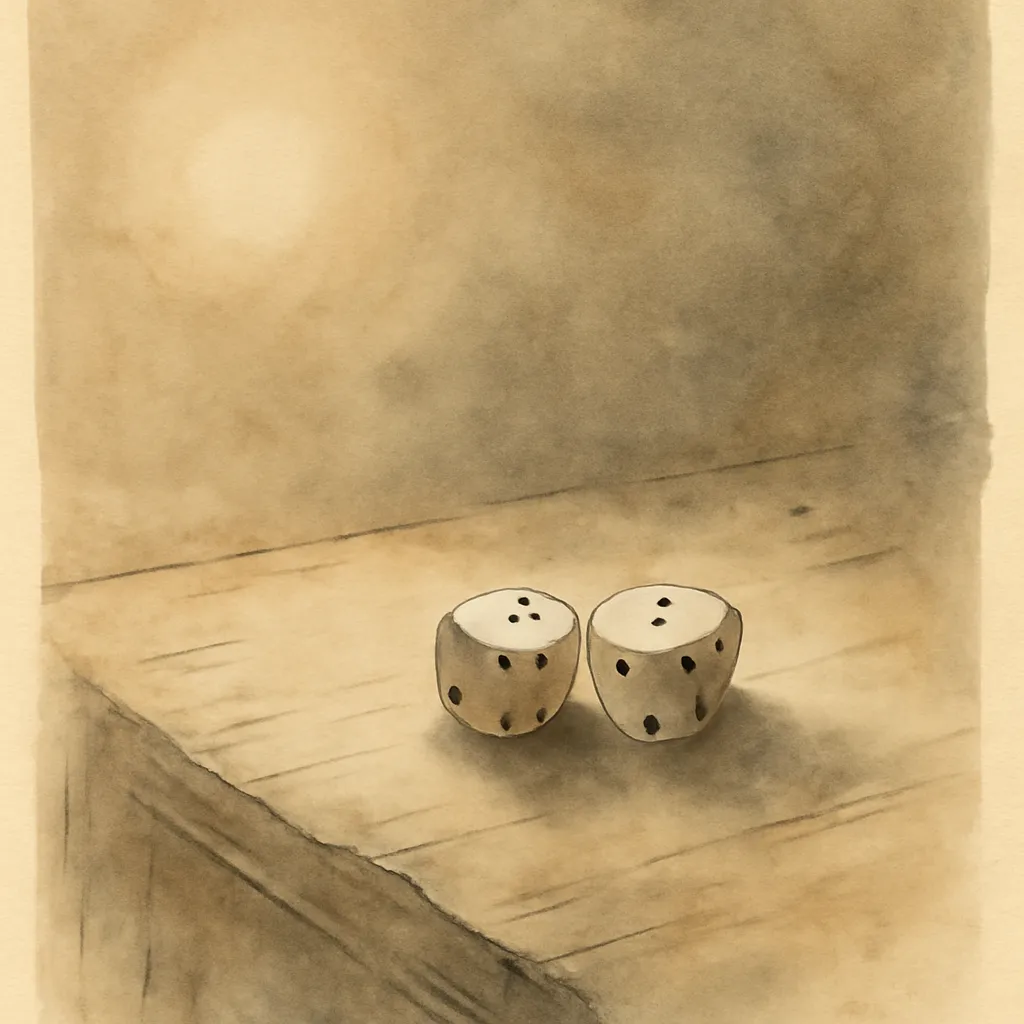
In his famous wager, Pascal argues that believing in God is a rational choice given the potential eternal consequences of disbelief. He presents a compelling case for faith as a bet on the existence of God, suggesting that even if the evidence is not conclusive, the potential rewards of belief outweigh the risks of skepticism. Pascal frames this wager as an appeal to reason, encouraging individuals to consider the implications of their beliefs on their lives and afterlives. He posits that if God exists and one chooses to believe, the rewards are infinite; conversely, if God does not exist, the cost of belief is minimal compared to the potential eternity of suffering. This pragmatic approach encourages individuals to seek God, not merely as a matter of faith but as a rational decision in light of the uncertainties of life and the afterlife. Pascal's wager is a profound invitation to explore spirituality, recognizing that even the most skeptical individual has a stake in the outcome of their beliefs. It serves as a bridge between faith and reason, urging individuals to reflect on their spiritual journey.
5.Justice and the Nature of Law

Pascal critiques human-made laws and societal norms, arguing that they often lack true justice. He highlights the absurdity of legal systems that allow for injustices based solely on arbitrary circumstances, such as geography or cultural customs. Through various examples, he illustrates how different societies might uphold laws that are fundamentally unjust, leading to a world where morality becomes subjective and inconsistent. Pascal suggests that true justice must be grounded in universal principles rather than the shifting sands of human opinion. He challenges the notion that societal customs can serve as a reliable foundation for law, arguing instead for a divine standard of justice that transcends human constructions. This critique raises essential questions about the foundations of morality and the role of divine justice in human affairs. By examining the inconsistencies in human laws, Pascal calls for a deeper understanding of justice that aligns with the divine order, asking readers to reflect on the moral implications of their beliefs and actions within society.
6.The Philosophers and the Limits of Human Reason
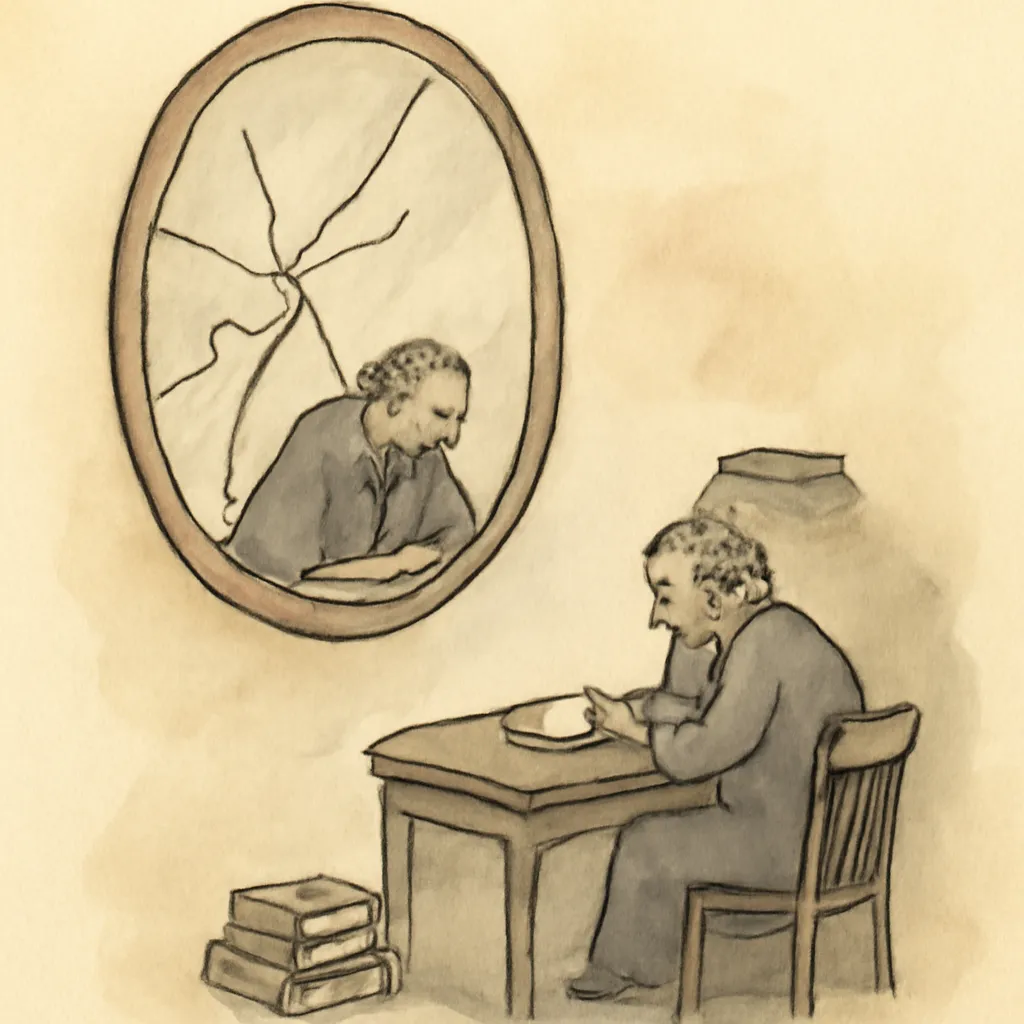
Pascal engages critically with the philosophical traditions of his time, particularly those of Descartes and the Stoics. He questions their reliance on reason alone to understand the complexities of existence, arguing that such an approach is insufficient without the acknowledgment of divine influence. Pascal asserts that while human reason is valuable, it is ultimately limited and incapable of grasping the entirety of truth without faith. He critiques Descartes’ philosophy, suggesting that it attempts to dispense with God after establishing a basic premise of existence. Pascal emphasizes that without God, the foundation of knowledge becomes unstable. He acknowledges the contributions of philosophy but warns against its limitations, particularly when it disregards the spiritual and moral dimensions of life. This perspective invites readers to reflect on the interplay between faith and reason in their understanding of the world, suggesting that true understanding necessitates both intellectual inquiry and spiritual insight.
7.The Nature of Humanity: A Thinking Reed
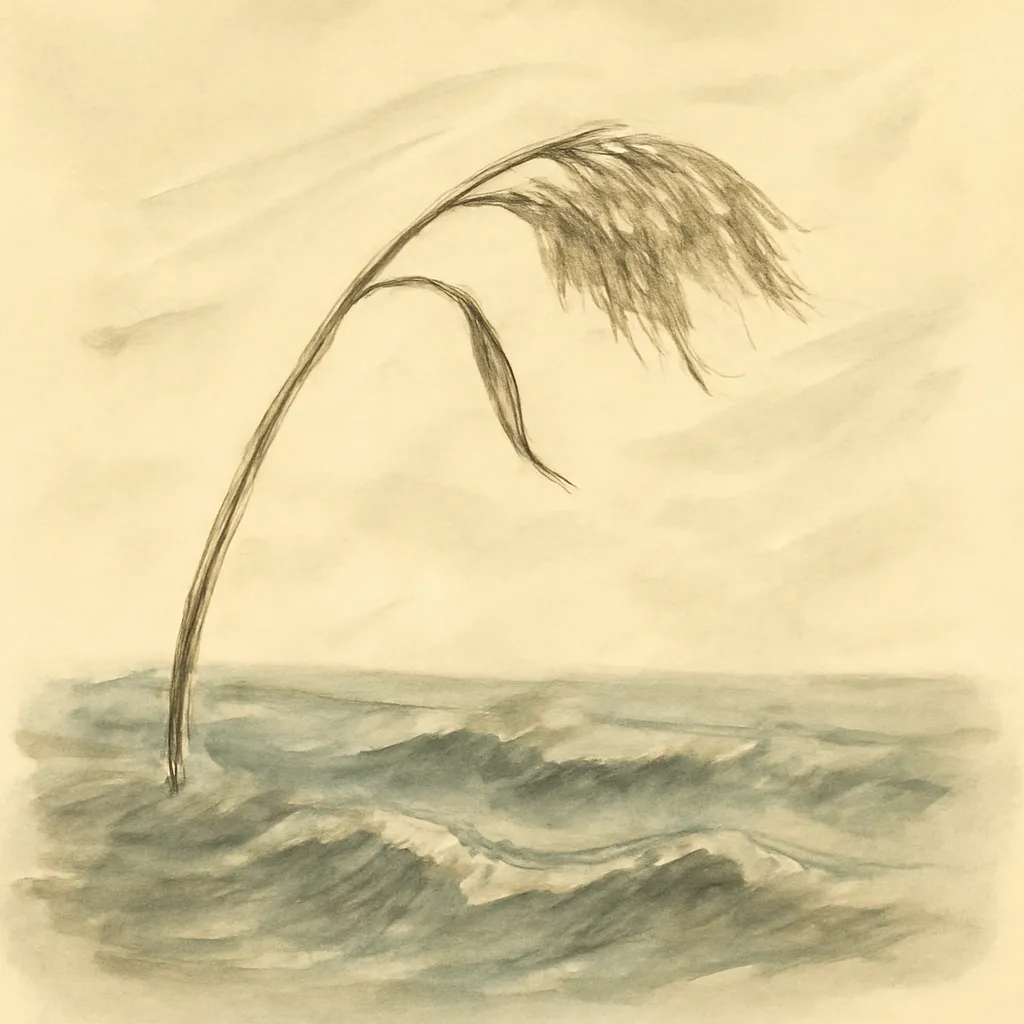
Pascal famously describes man as a 'thinking reed,' emphasizing the dual nature of humanity as both fragile and profoundly capable of thought. This metaphor encapsulates the human condition, highlighting our vulnerability in the face of the universe while also underscoring the dignity that comes from our ability to reason. He argues that while we are physically weak and susceptible to the forces of nature, our capacity for thought elevates us above all other creatures. This thoughtfulness allows us to reflect on our existence, grapple with profound questions, and seek meaning beyond our immediate surroundings. Pascal asserts that our true strength lies not in physical prowess but in our capacity for moral and intellectual engagement. It calls for an elevation of our understanding of humanity, suggesting that true nobility is found in intellectual and spiritual pursuits. He stresses that we must cultivate our thoughts and use them to seek God, for it is through this pursuit that we find our true place in the universe.
8.The Fundamentals of the Christian Religion

Pascal articulates the core tenets of Christianity, emphasizing the importance of understanding both the existence of God and the inherent corruption of human nature. He argues that recognizing our wretchedness is crucial for grasping the necessity of a Redeemer. This dual recognition forms the foundation of Christian faith, where the acknowledgment of sin leads to the realization of the need for divine grace. Pascal contends that this understanding is vital for true moral insight and the pursuit of happiness. He emphasizes that without faith, humans cannot identify the true good or justice, leading to a perpetual state of dissatisfaction and despair. Pascal frames Christianity as a response to the human condition, inviting readers to explore the transformative power of faith in addressing life's deepest questions and dilemmas. By presenting a clear understanding of the human predicament and the divine solution, he encourages a profound engagement with the principles of Christianity and their implications for our lives.
9.The Prophecies: Evidence of Divine Revelation
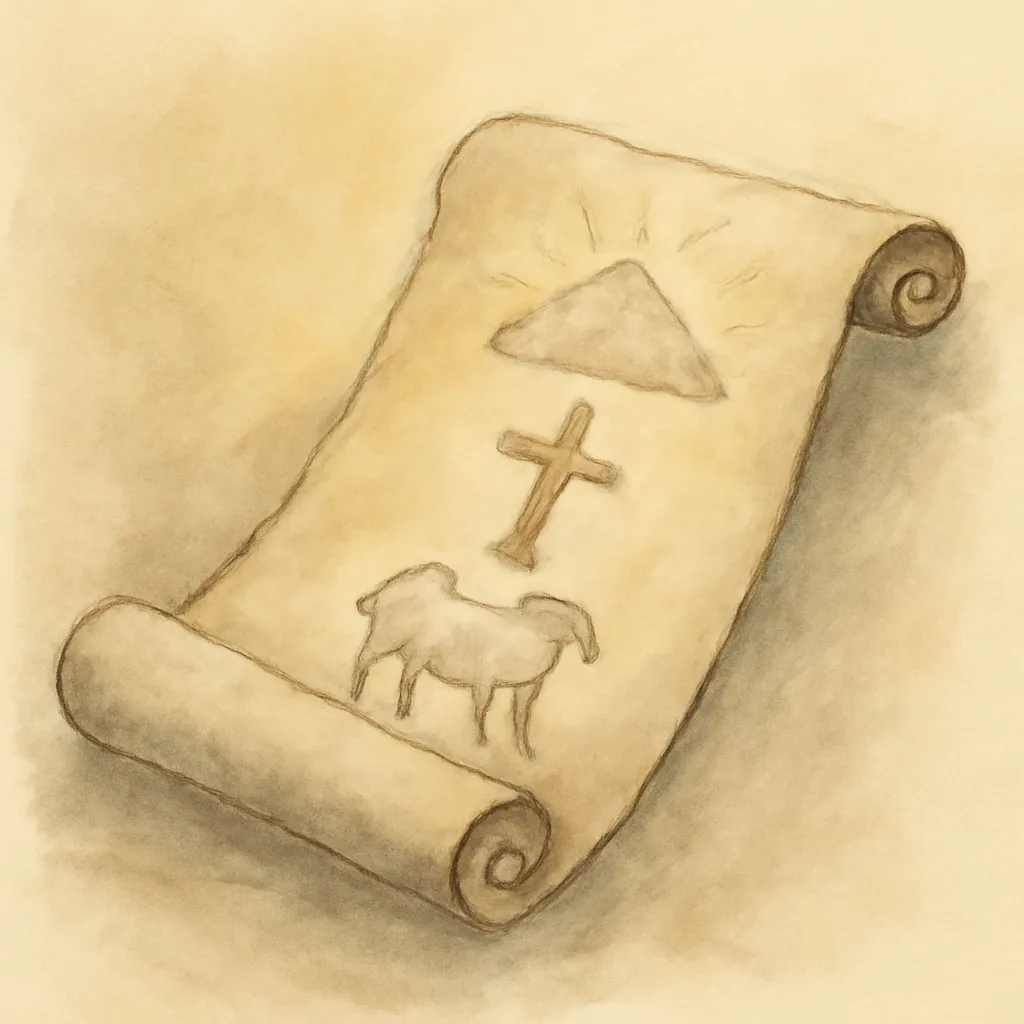
Pascal highlights the significance of biblical prophecies as a testament to the divine nature of Christianity. He argues that the fulfillment of these prophecies in the life of Jesus Christ serves as compelling evidence of God's presence in history. For Pascal, the predictive nature of these prophecies is not coincidental but indicative of a deliberate divine plan. He emphasizes that throughout history, numerous individuals and communities have foretold the coming of the Messiah, creating a rich tapestry of expectation and fulfillment. This argument not only reinforces the credibility of the Christian faith but also challenges skeptics to reconsider their views on religious truth. Pascal's emphasis on prophecy underscores the interconnectedness of the Old and New Testaments, illustrating how the narrative of redemption unfolds across time. By presenting prophecy as a unifying theme within Christianity, he invites readers to engage with the broader implications of divine revelation and its impact on human history, encouraging a deeper exploration of the sacred texts.
10.Miracles as a Test of Doctrine
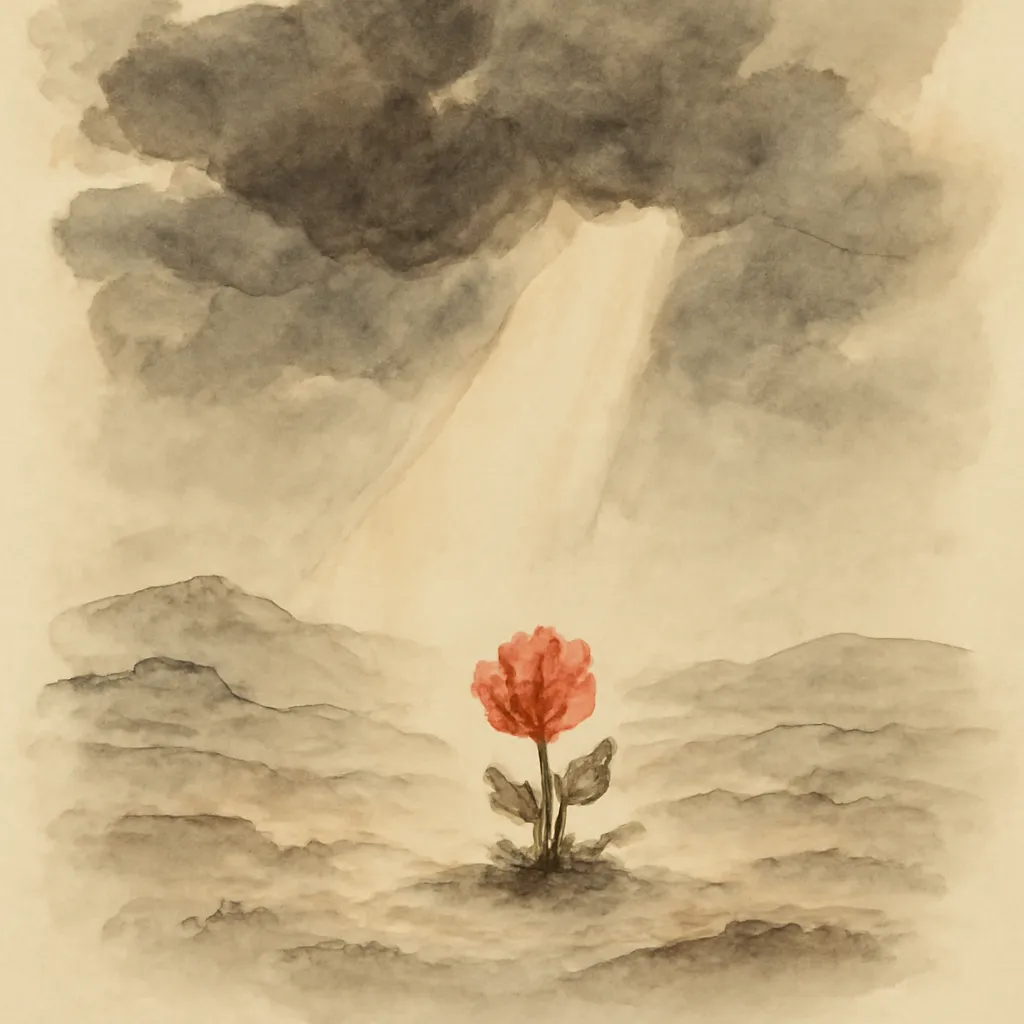
In his exploration of miracles, Pascal argues that true miracles serve as validation of doctrine, providing tangible evidence of divine intervention in the world. He distinguishes between false miracles and true ones, asserting that the latter must align with the teachings of scripture and the nature of God. For Pascal, miracles are not merely spectacles but profound signs that reveal deeper truths about God's character and purpose. He emphasizes that miracles must possess both integrity and consistency with the doctrine they are meant to support. This perspective encourages readers to view miracles as integral to understanding faith, providing a framework for discerning genuine divine action from mere illusions. By situating miracles within the broader context of doctrine, Pascal invites readers to explore the interplay between faith and empirical evidence in their spiritual journeys while acknowledging the complexity of discerning true miracles in a world filled with deception.