1.The Struggle for Identity

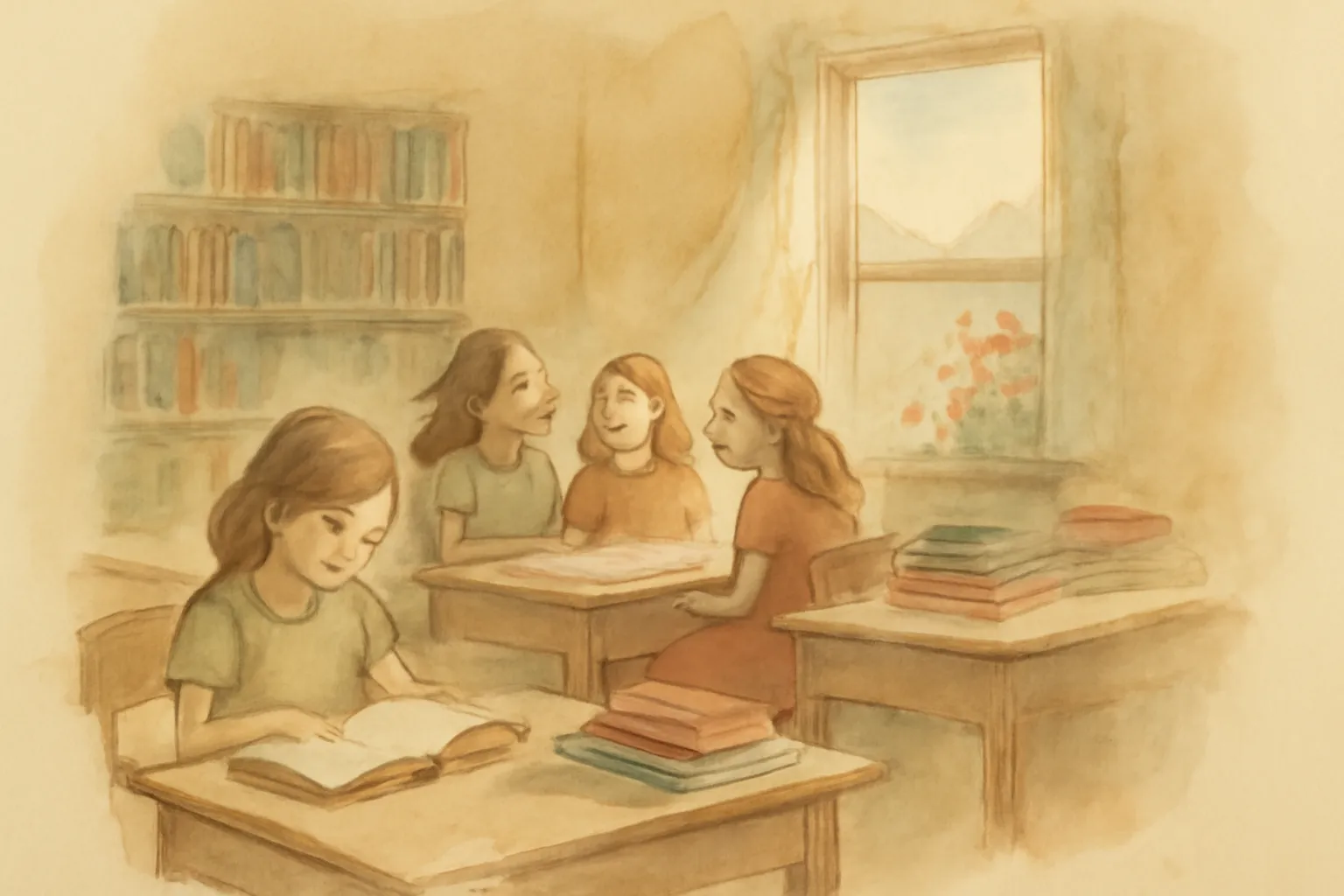
Peggy's journey begins with her uncertainty about her place in the new school environment. On her first day, she is called 'Miss Montfort' by the Principal, which instantly makes her feel out of place and disconnected from her peers. This moment signifies not just her newness to the school, but also the challenge of defining who she is away from the influence of her family. Her clumsiness and awkwardness during introductions highlight her struggle to find her identity in an unfamiliar setting. This theme is prevalent throughout the book, as Peggy grapples with her self-image and the expectations of her peers. Her discomfort is compounded by her longing for her sister Jean, illustrating how familial bonds can ground us in times of uncertainty. As Peggy learns to navigate the social landscape, she gradually begins to assert her identity, embracing her quirks and finding strength in her authenticity. The journey reflects the universal adolescent experience of searching for self amidst external pressures.
2.Homesickness and Growth

Peggy's initial excitement about attending school is quickly overshadowed by intense homesickness. The stark contrast between her new, bare room and her sunny, shared space with Jean at home deepens her sense of isolation. This feeling is palpable when she describes her 'heart sinking' at the sight of her new surroundings, contrasting the warmth and familiarity of home. Yet, through these moments of sorrow, Peggy embarks on a journey of personal growth. The support from her cousin Margaret and the gifts from her uncle become symbols of love and encouragement, reminding her of home. These gifts, particularly the afghan and sofa pillows, represent not just physical comfort but also the emotional warmth that familial ties provide. As she learns to adapt to her new environment, Peggy transforms her homesickness into motivation, using her longing for family as a source of strength to forge new friendships and experiences. This transformation highlights the resilience of youth and the ability to find new roots in the face of change.
3.The Power of Friendship
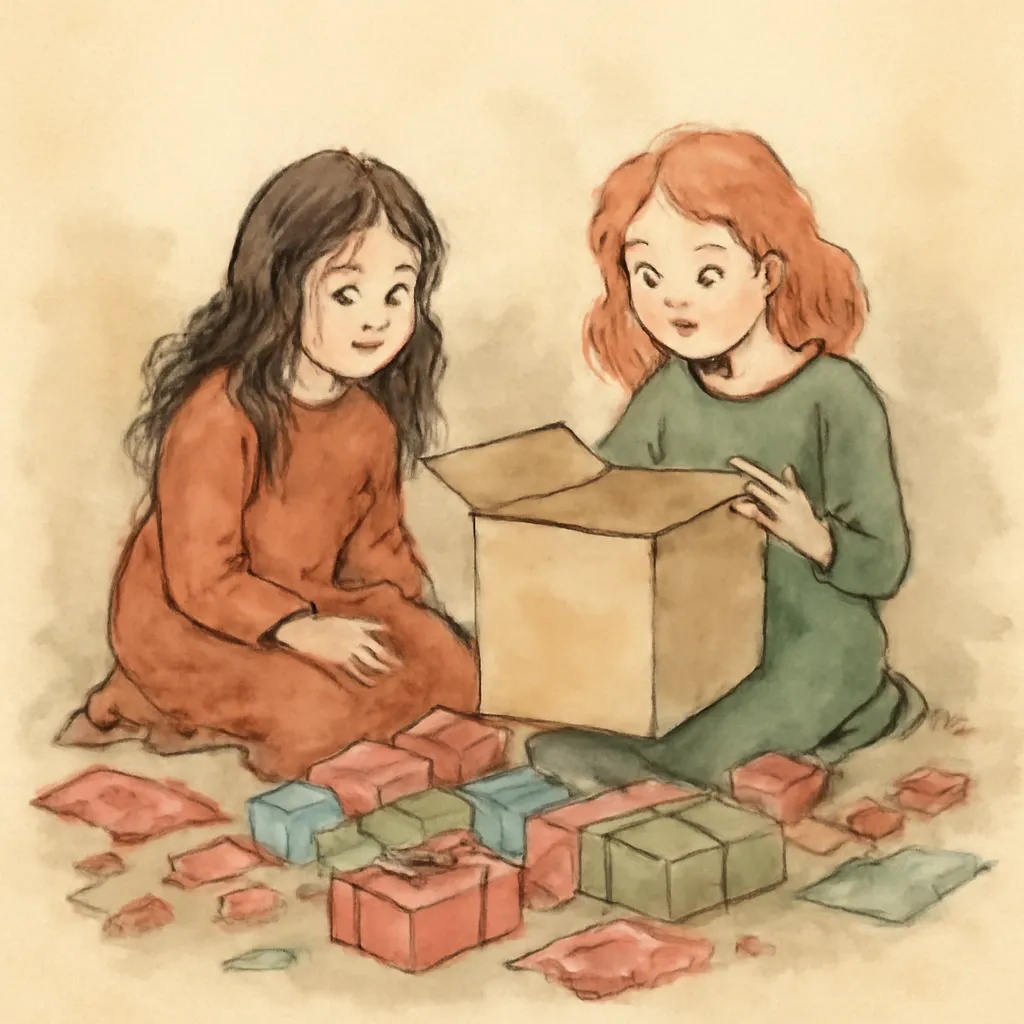
Friendship emerges as a central theme in Peggy's story, particularly through her bond with Bertha Haughton. Their shared excitement over a box of gifts from Peggy's family illustrates the joy that friendship brings. As they unwrap each item together, their camaraderie deepens, making Peggy feel more connected and less alone. Bertha’s kindness and willingness to share in Peggy's delight create a safe space for Peggy to express herself and feel valued. Moreover, Peggy’s willingness to stand up for Lobelia Parkins, who faces bullying, further emphasizes the importance of loyalty and compassion in friendships. When Peggy invites Lobelia to confide in her, she demonstrates the transformative power of friendship, forging a connection that helps both girls combat their insecurities. As Peggy navigates the complexities of school life, these relationships provide her with the emotional support she needs to confront challenges, showcasing how genuine connections can inspire courage and resilience. The dynamics of friendship in 'Peggy' serve as a reminder of how pivotal these bonds are during the formative years.
4.Facing Adversity

Throughout the narrative, Peggy encounters various adversities that test her character. From the academic challenges posed by Miss Pugsley's rhetoric class to the social dynamics with peers like Grace Wolfe, Peggy learns that facing adversity is a crucial part of growth. Her struggles in class, particularly when she feels utterly lost and overwhelmed, represent the universal experience of feeling inadequate. The way Miss Pugsley seems to take pleasure in Peggy’s confusion adds a layer of cruelty to the academic pressure, reinforcing the emotional weight of failure. However, instead of succumbing to despair, Peggy learns to confront these challenges head-on. The way she ultimately embraces her weaknesses and seeks help from friends and teachers illustrates a vital lesson: that vulnerability can lead to strength and improvement. This resilience is a cornerstone of her character development, demonstrating that perseverance in the face of adversity is essential for personal growth. Each setback Peggy faces becomes an opportunity for reflection and self-discovery, highlighting the importance of resilience in personal development.
5.Bullying and Empathy
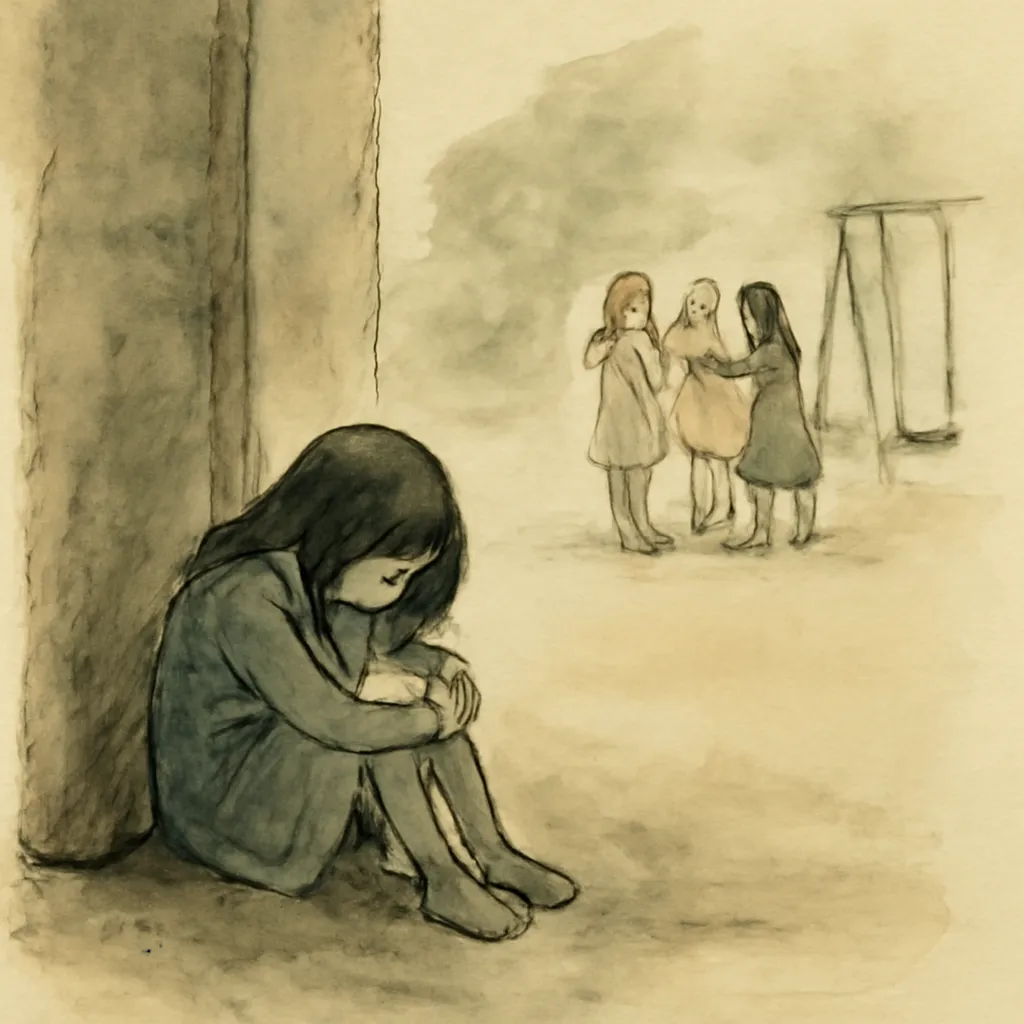
The issue of bullying is poignantly depicted through the experiences of Lobelia Parkins, who becomes a target for her peers. Peggy’s initial reaction to Lobelia's distress showcases her innate sense of empathy, as she feels compelled to intervene when Lobelia is teased. This act of kindness not only helps Lobelia but also empowers Peggy, reinforcing the idea that standing up for others can foster a sense of community and belonging. The narrative highlights the detrimental effects of bullying on mental health, as Lobelia's fear leads to illness and isolation. Peggy's determination to protect her friend reflects a broader message about the importance of empathy and the responsibility individuals have to support one another. When Peggy vows to help Lobelia and encourages her to stand tall against bullies, it serves as a powerful example of how compassion can create change. This theme encourages readers to reflect on their roles in combating bullying and promoting kindness, emphasizing that every individual has the power to impact another’s life positively.
6.The Importance of Self-Advocacy

As Peggy navigates her school life, she learns the importance of self-advocacy. Initially, she is hesitant to speak up for herself, particularly in academic settings where she feels outmatched. However, as she gains confidence through her friendships and experiences, she begins to assert herself more. This is exemplified when she confronts the bullying of Lobelia and later seeks help from her teachers when struggling with her studies. Peggy’s evolution from a timid girl to one who is willing to stand up for herself and her friends illustrates a critical life lesson: that advocating for oneself and others is essential in overcoming challenges. The moment Peggy stands her ground against Miss Pugsley and expresses her confusion about the material shows her growth and determination to be heard. This empowerment is a key aspect of her personal growth and resonates with readers as they consider their own voices in the face of adversity. The narrative encourages individuals to recognize their worth and be their own advocates in a world that often overlooks the quiet and the meek.
7.The Role of Mentorship
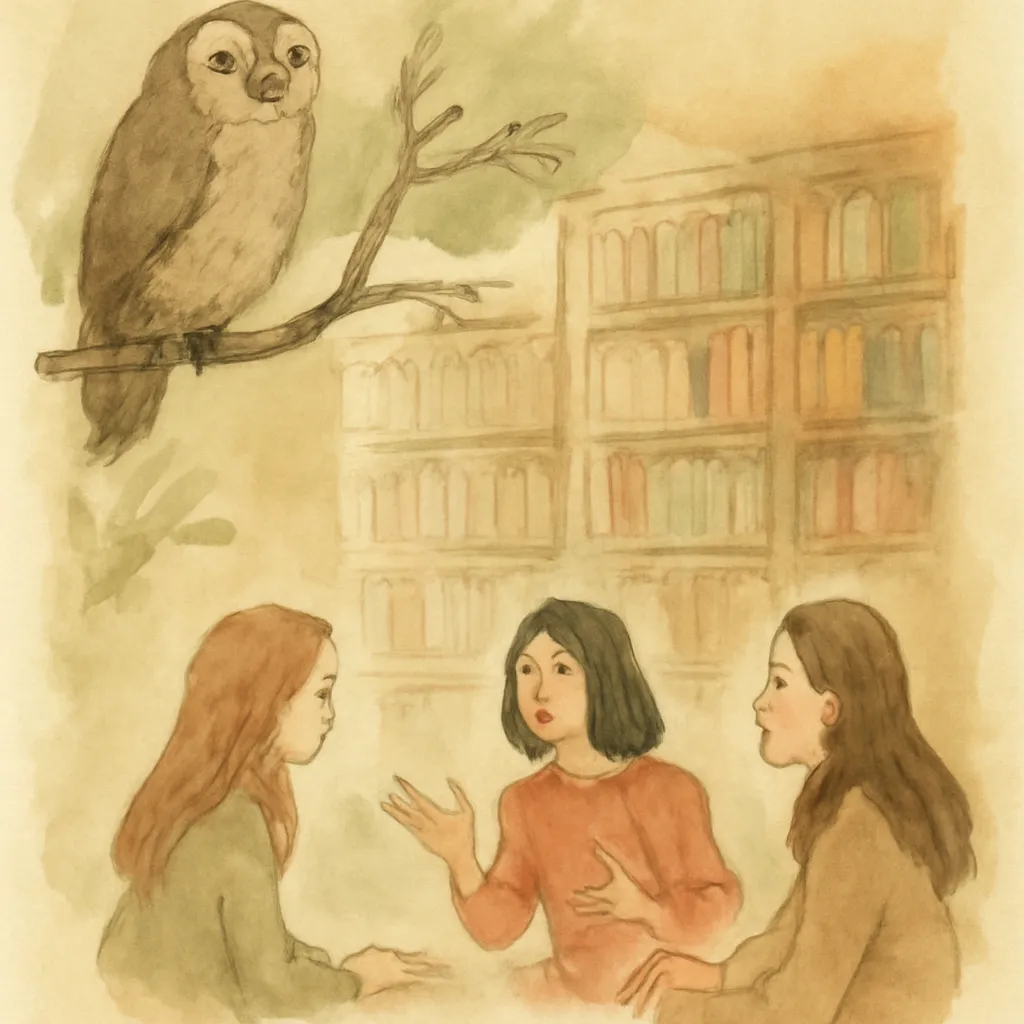
Mentorship plays a significant role in Peggy's development, particularly through her interactions with teachers like Miss Russell and Miss Cortlandt. Miss Russell, as the Principal, embodies authority but also compassion, providing guidance that helps shape Peggy's understanding of the school environment. Her steady presence offers a sense of security, allowing Peggy to navigate her new world with more confidence. In contrast, Miss Pugsley represents the harsher realities of academia, challenging Peggy in ways that force her to confront her weaknesses. While Miss Pugsley’s methods may seem severe, they push Peggy to seek her own understanding and grow through her struggles. Miss Cortlandt's engaging teaching style transforms Peggy's perception of history, making it relatable and enjoyable. The way Miss Cortlandt brings historical figures to life allows Peggy to connect with the material on a personal level. These mentor figures illustrate the impact that positive adult influences can have on young individuals, shaping their educational experiences and personal growth. Peggy's evolving relationships with her teachers highlight the importance of mentorship in nurturing resilience and encouraging a love for learning, ultimately helping her realize her potential.
8.Courage in Vulnerability
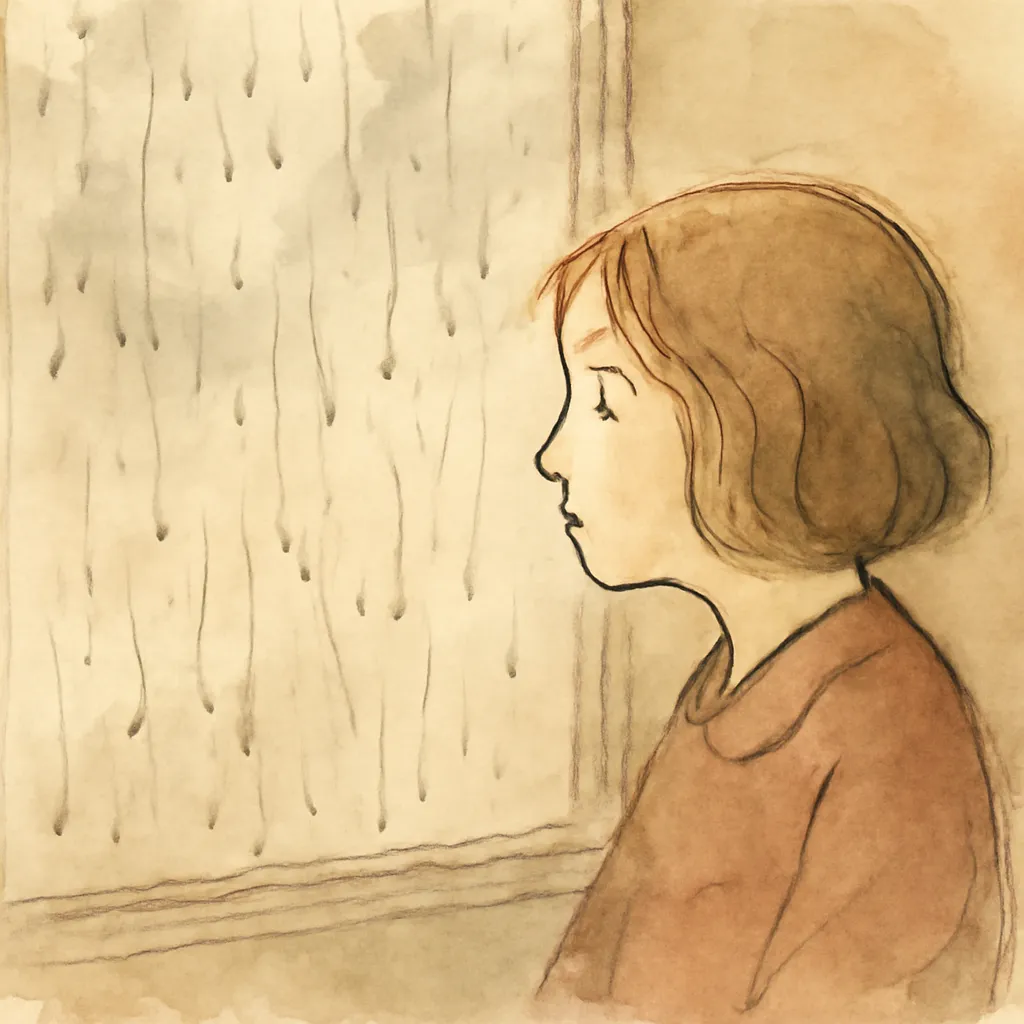
Peggy's journey is marked by moments of vulnerability that ultimately lead to her growth. Her initial embarrassment in the classroom and her homesickness expose her insecurities, yet these experiences also serve as catalysts for change. When Peggy takes the risk to befriend Lobelia and stand up against bullying, she demonstrates that courage often comes from embracing one's vulnerabilities. This theme is reinforced when she navigates her feelings of inadequacy in Miss Pugsley's class, ultimately learning to accept her imperfections. The narrative teaches that true strength lies in the acknowledgment of one’s weaknesses and the willingness to seek help. Peggy's moments of doubt, coupled with her decision to confront challenges, create a profound message about the importance of being genuine and open. By showcasing her struggles and triumphs, the story conveys that vulnerability is not a weakness but a strength that can lead to deeper connections and personal development. This understanding encourages readers to embrace their vulnerabilities as part of their unique journeys and to recognize that every challenge can lead to growth.
9.The Joy of Learning
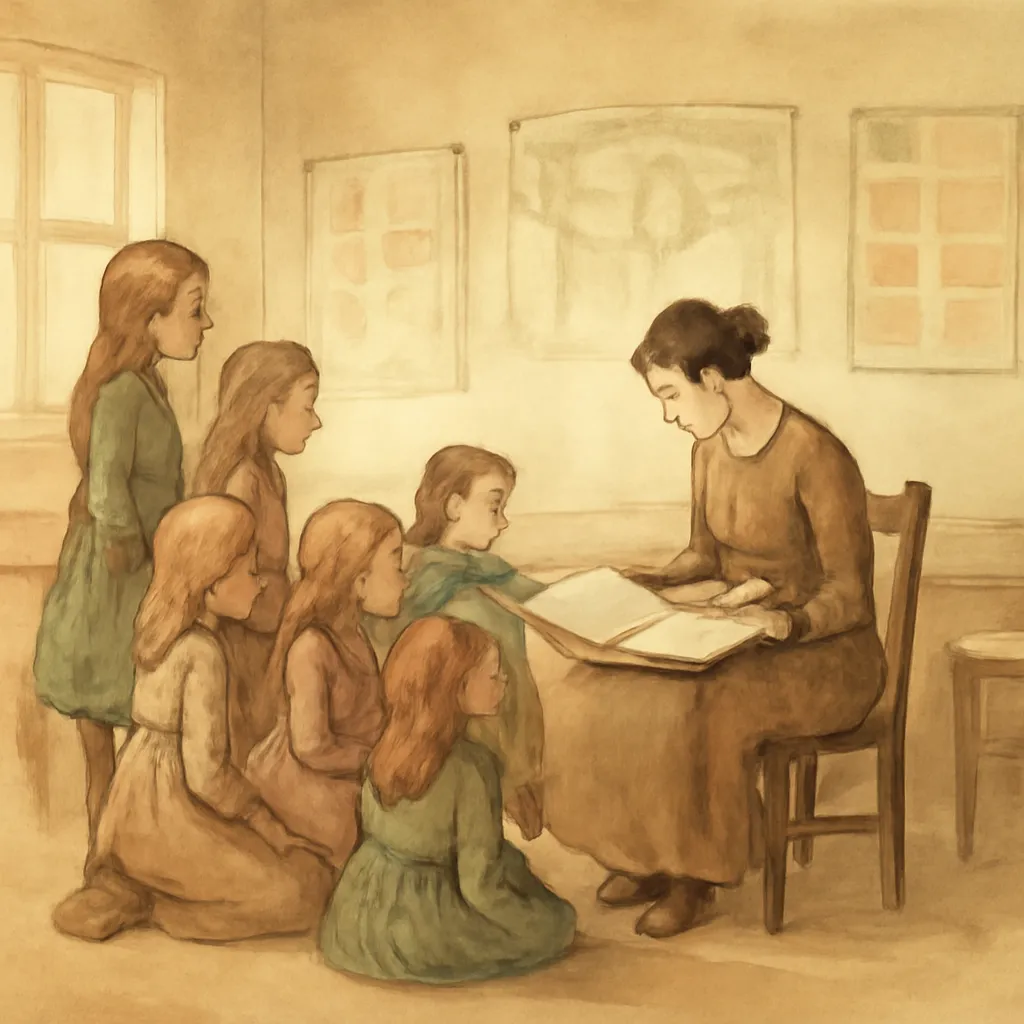
As the story progresses, Peggy's attitude toward learning shifts significantly. Initially, she is overwhelmed by the academic demands of her new environment, particularly in subjects like rhetoric and history. However, through the support of her peers and the engaging teaching methods of Miss Cortlandt, Peggy begins to find joy in her studies. The transformation of her perception of history from a tedious subject to one filled with life and relevance illustrates the potential for education to inspire and motivate. This change is evident when Peggy expresses enthusiasm for what she learns, showcasing that education can be a source of joy when approached with the right mindset. Peggy's newfound enthusiasm for learning serves as a reminder of the importance of fostering curiosity and a love for knowledge, which can profoundly impact a student's experience. The story encourages readers to approach their own learning journeys with excitement and openness, highlighting the transformative power of education in shaping one's future.
10.The Value of Community
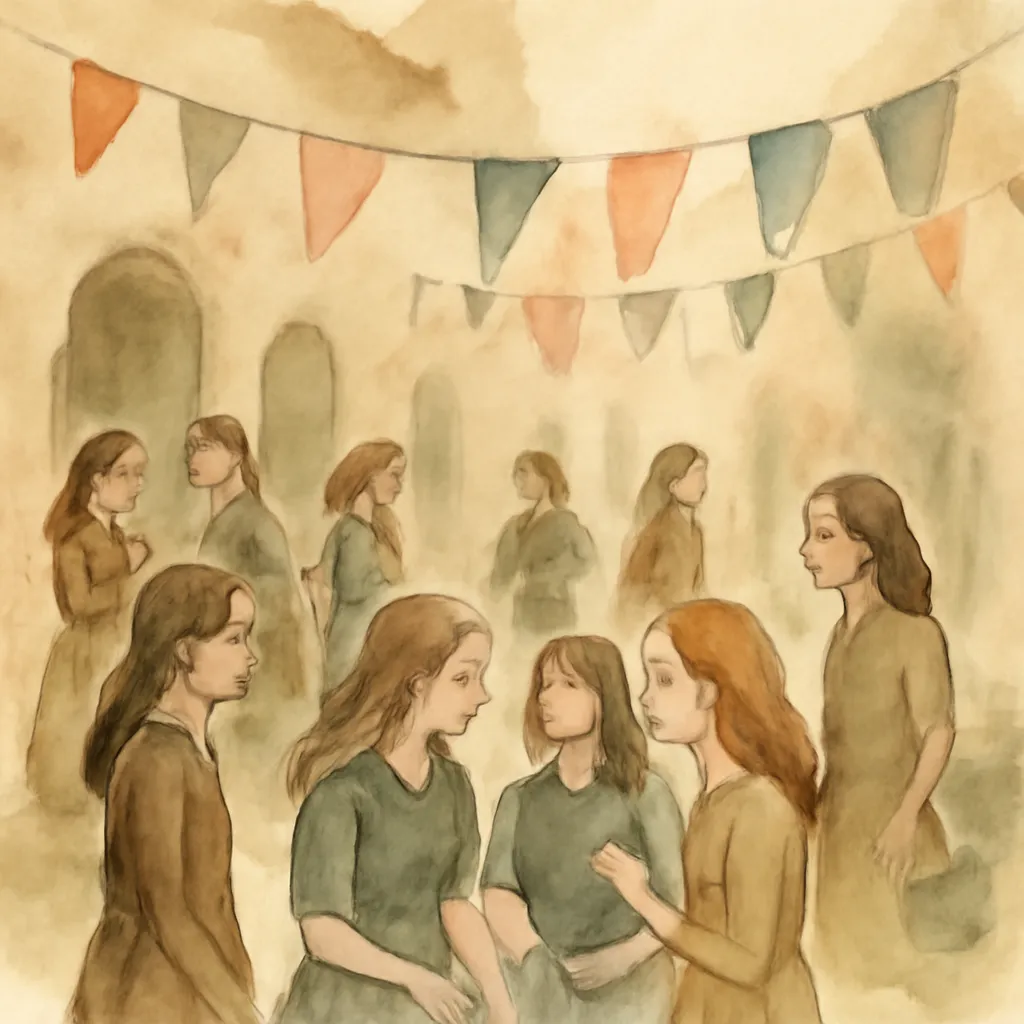
Community emerges as a vital aspect of Peggy's experience at school, shaping her sense of belonging and identity. The relationships she forms with classmates, teachers, and even the administration contribute to her growth and resilience. The collective spirit of the school, particularly during events like the Junior Reception, fosters camaraderie and support among students. As Peggy helps with decorations and participates in school activities, she finds a sense of purpose and connection. This involvement reinforces the idea that being part of a community can enhance one's sense of belonging and identity, providing emotional and social support. The narrative emphasizes the importance of collaboration and mutual support in overcoming challenges and celebrating successes. As Peggy learns to navigate her community, readers are reminded of the significance of finding and nurturing their own supportive networks, highlighting that belonging is an essential part of the human experience.