1.The Limits of Grief and Denial
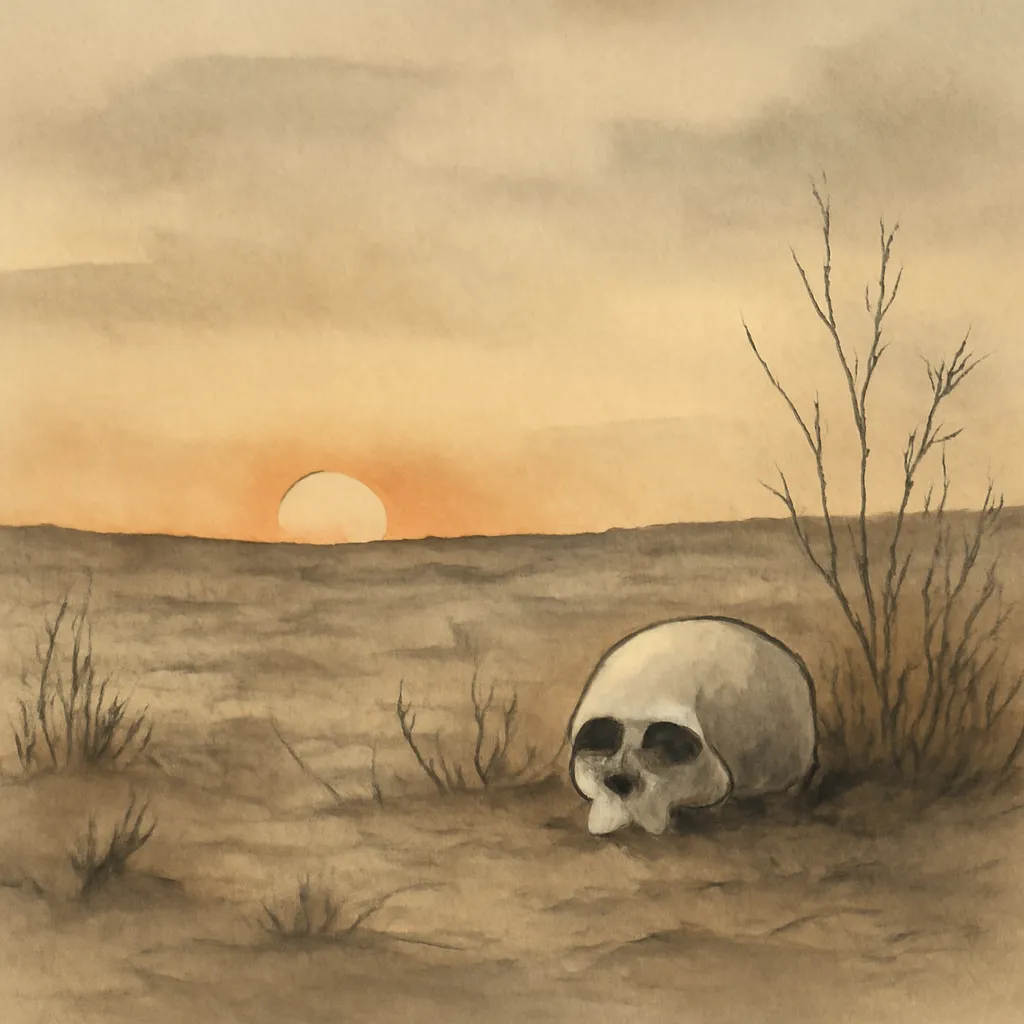
At its core, Pet Sematary is about the human struggle to accept death. The protagonist, Louis Creed, is confronted with unimaginable loss and the seductive promise of reversing it. The novel explores how grief can cloud judgment, leading people to desperate, irrational actions. King suggests that denial of death’s finality can be more destructive than death itself, and that facing loss honestly is both necessary and excruciating.
2.The Dangers of Playing God
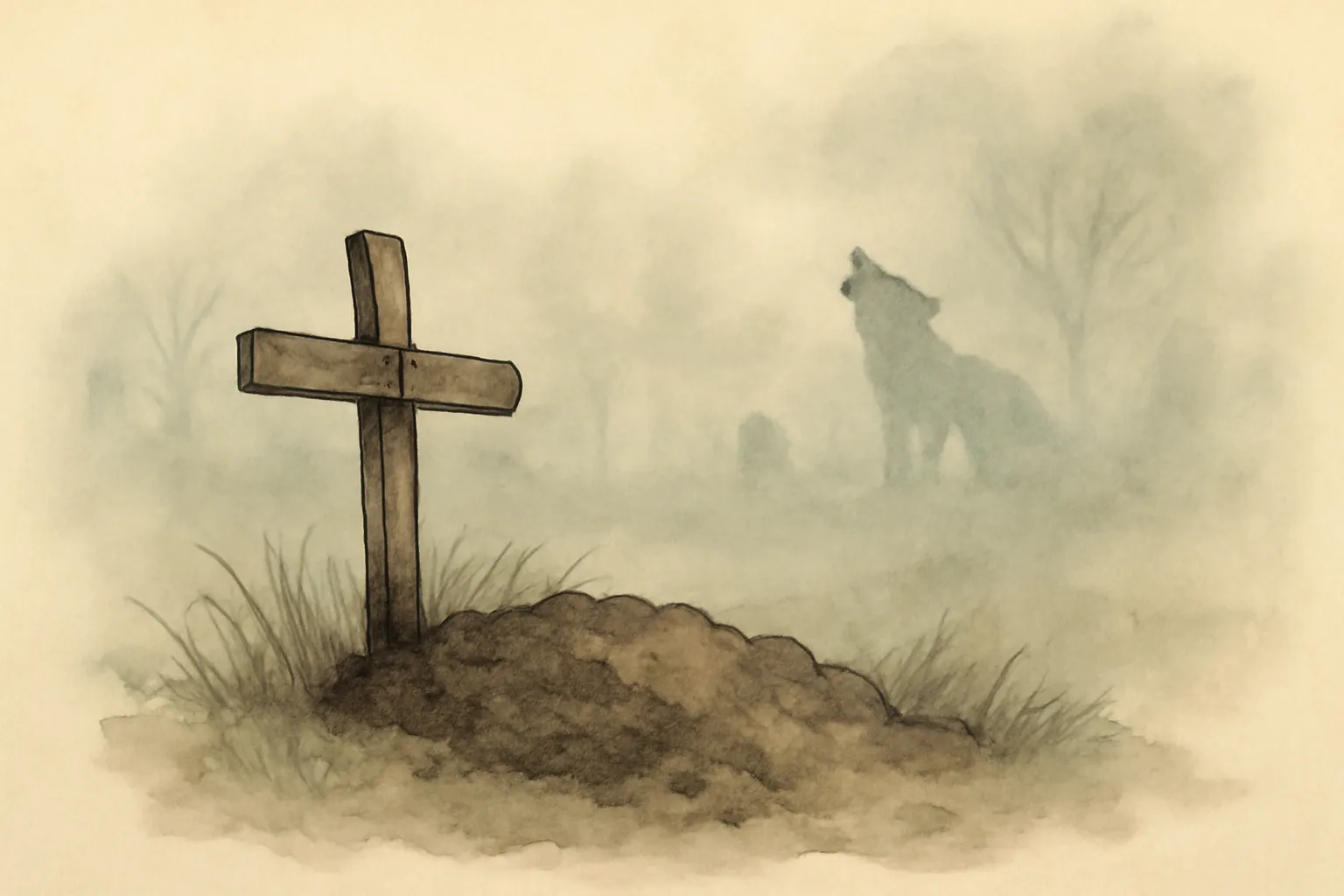
King uses the supernatural burial ground as a metaphor for humanity’s urge to control fate. The power to resurrect comes with horrific consequences, raising questions about the ethics of interfering with life and death. The story warns that some boundaries—especially those separating life from death—exist for a reason, and violating them invites chaos and suffering.
3.The Corruption of Innocence
Children and pets, symbols of innocence, are central to the novel’s emotional impact. Their exposure to death and the supernatural highlights the vulnerability of innocence in a world where evil can intrude at any moment. King uses the Creed family’s experiences to show how attempts to shield loved ones from pain can backfire, leading to greater harm.
4.The Power of Place and Folklore
The setting—a rural Maine town with its own legends—plays a vital role. The Pet Sematary and the ancient Micmac burial ground are not just backdrops but active agents in the story, embodying the weight of local history and the persistence of old, dark forces. King draws on folklore to create a sense of inevitability, as if the land itself demands a price for trespass.
5.Family, Responsibility, and Guilt
The novel is as much a domestic drama as it is a horror story. Louis’s choices are shaped by his love for his family, but also by guilt and a sense of responsibility. King examines how family bonds can drive people to heroic or disastrous actions, and how guilt can become a haunting force in its own right.
6.The Inevitability of Death
Despite the supernatural elements, Pet Sematary is ultimately a meditation on mortality. King confronts readers with the uncomfortable truth that death is universal and unavoidable. The horror arises not just from what returns from the grave, but from the refusal to accept that some losses are permanent.