1.The Loss of Innocence Begins Early
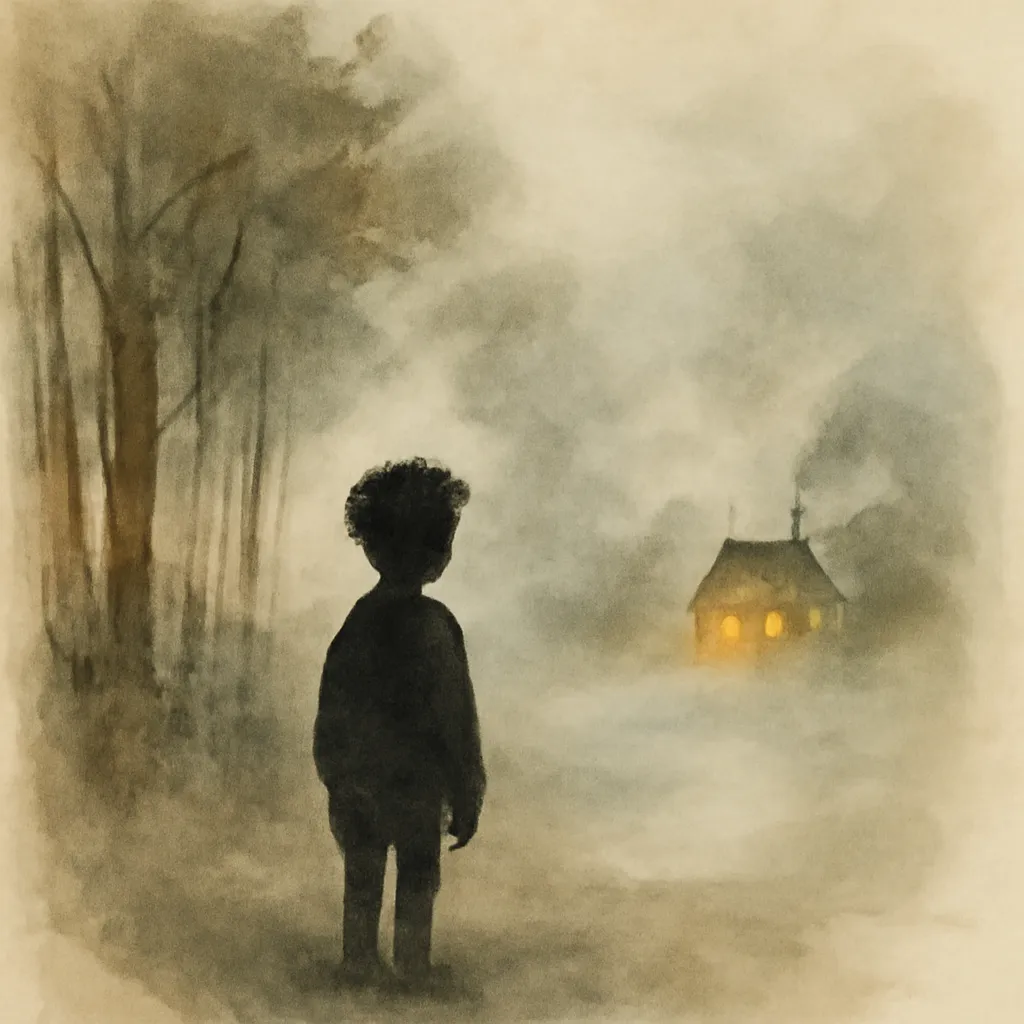
The narrative opens with the poignant realization that all children, except one, must grow up. This idea is embodied in Wendy Darling's early experience in her garden, where her mother expresses a wish for her to remain a child forever. This moment marks the transition from innocence to the awareness of adulthood, which is depicted as the 'beginning of the end.' The story emphasizes that childhood is fleeting, filled with wonder and magic, but inevitably gives way to responsibilities and societal expectations. Wendy's journey is symbolic of this loss, as she is torn between the desire to nurture and the pressure to conform to adult roles. Barrie uses this theme to highlight the bittersweet nature of growing up, posing the question of whether one can truly retain the essence of childhood amidst the demands of the adult world.
2.The Nature of Peter Pan
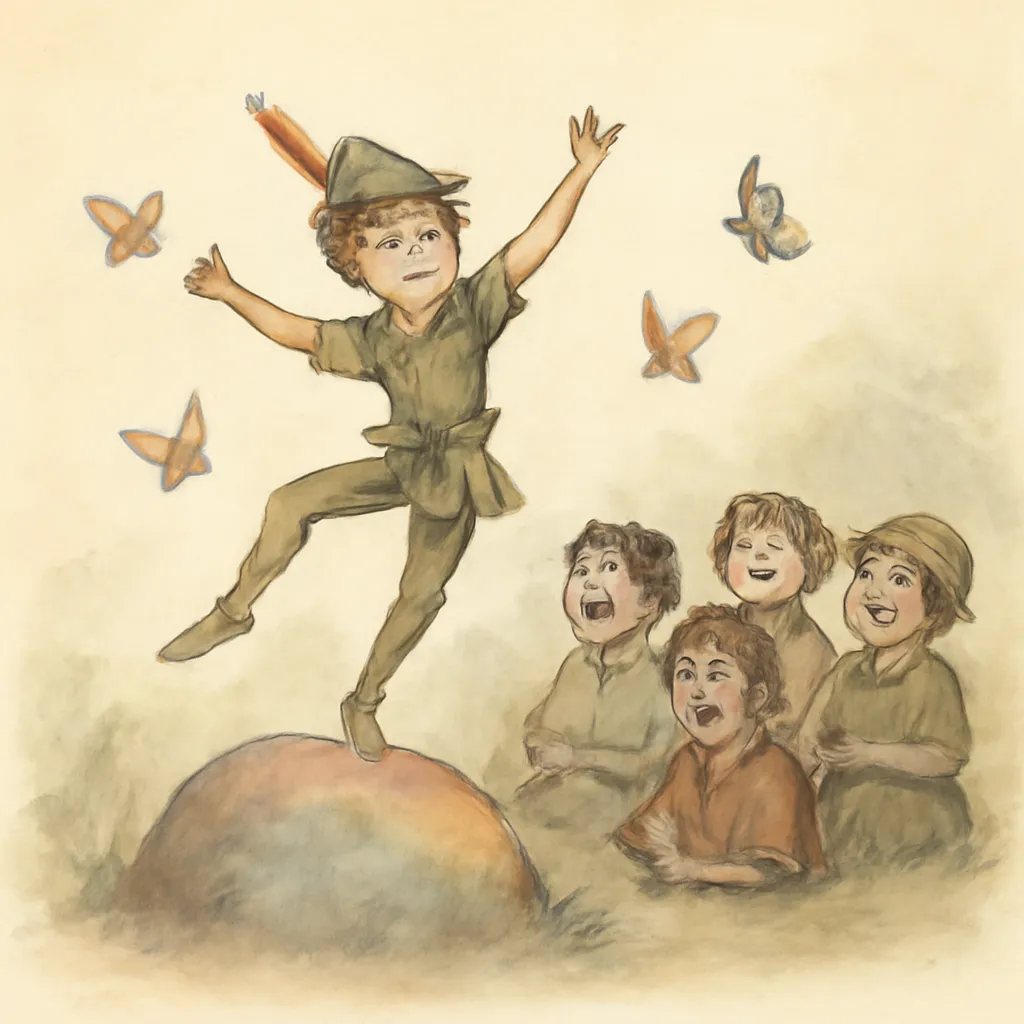
Peter Pan is a complex character who embodies the spirit of eternal childhood. His refusal to grow up is not merely a choice but a fundamental aspect of his being. He is carefree, adventurous, and often reckless, leading the Lost Boys on wild escapades in Neverland. However, Peter's character also reveals a darker side—his lack of understanding of the emotional needs of others. For instance, his interactions with Wendy showcase a blend of admiration and selfishness; he values her nurturing nature but is ultimately indifferent to her feelings and desires. This duality in Peter's character raises questions about the nature of childhood itself: is it purely joyful, or is there a cost to remaining in a state of perpetual play? Barrie's portrayal of Peter invites readers to reflect on the complexities of childhood and the responsibilities that come with maturity.
3.Wendy as the Mother Figure
Wendy Darling assumes the role of a mother figure not only to her brothers but also to Peter and the Lost Boys. Her nurturing instincts are evident as she cares for the boys in Neverland, creating a home out of their adventures. This maternal role highlights the theme of femininity and the expectations placed on women to provide care and stability. Wendy's desire to return home and her longing for the comforts of family life contrast sharply with Peter's aversion to adulthood. Through Wendy, Barrie explores the tension between the innocence of childhood and the inevitability of growing up. Wendy's journey ultimately underscores the sacrifices that come with caring for others and the emotional toll of stepping into adult roles. The juxtaposition of her nurturing qualities against Peter's carefree nature serves to illuminate the complexities of childhood and the transition into adulthood.
4.The Role of Tinker Bell
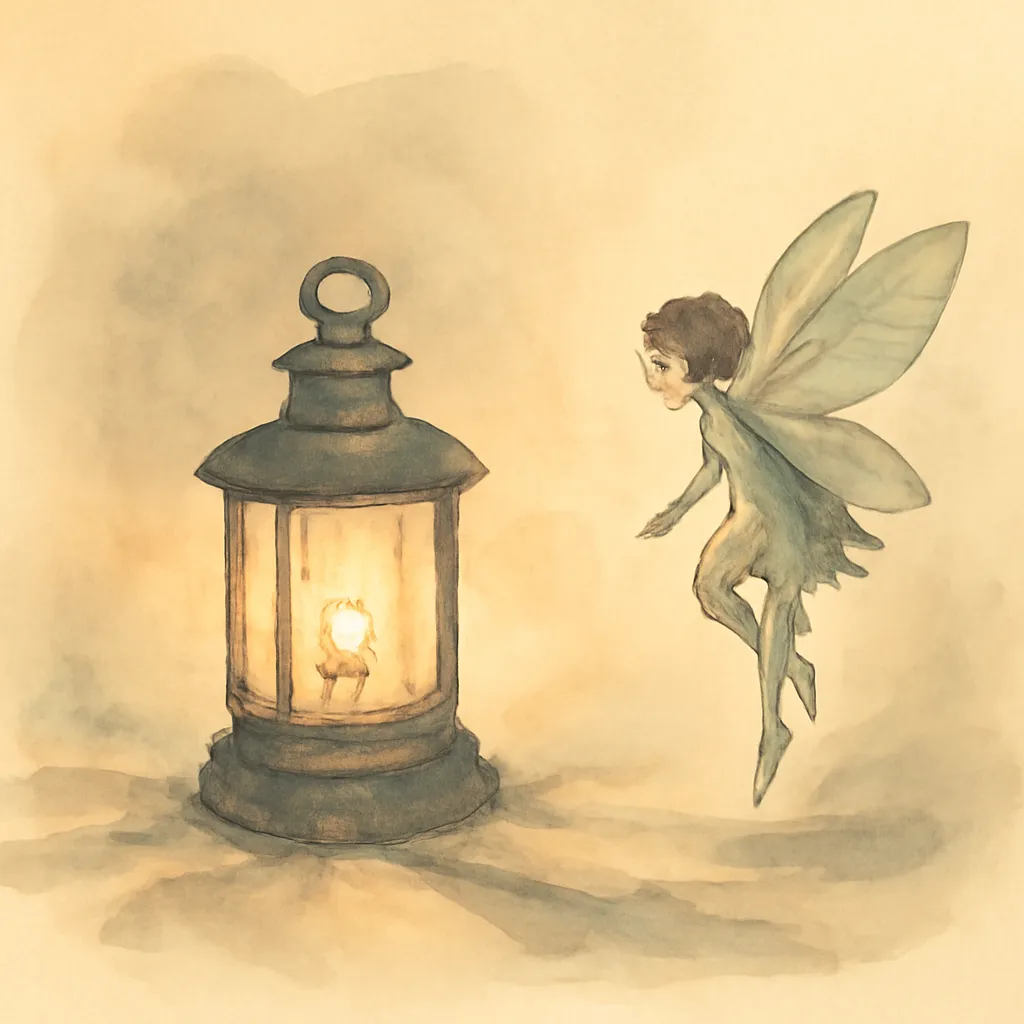
Tinker Bell, the feisty fairy, serves as both a source of magic and a representation of the complexities of friendship and jealousy. Her character adds depth to the story, as she exhibits a fierce loyalty to Peter while simultaneously displaying a volatile temperament. Tinker Bell's interactions with Wendy are particularly telling; she is both envious of Wendy's relationship with Peter and protective of her own position. This dynamic between the two female characters highlights the competitive nature of friendships, especially in the context of love and attention from a central figure like Peter. Tinker Bell's jealousy and her willingness to resort to trickery to maintain Peter's affection serve as a reminder of the darker aspects of childhood relationships. Barrie uses Tinker Bell to explore themes of loyalty, love, and the complexities of female friendships, ultimately suggesting that even in the world of make-believe, emotions can run deep.
5.The Adventure of Flight
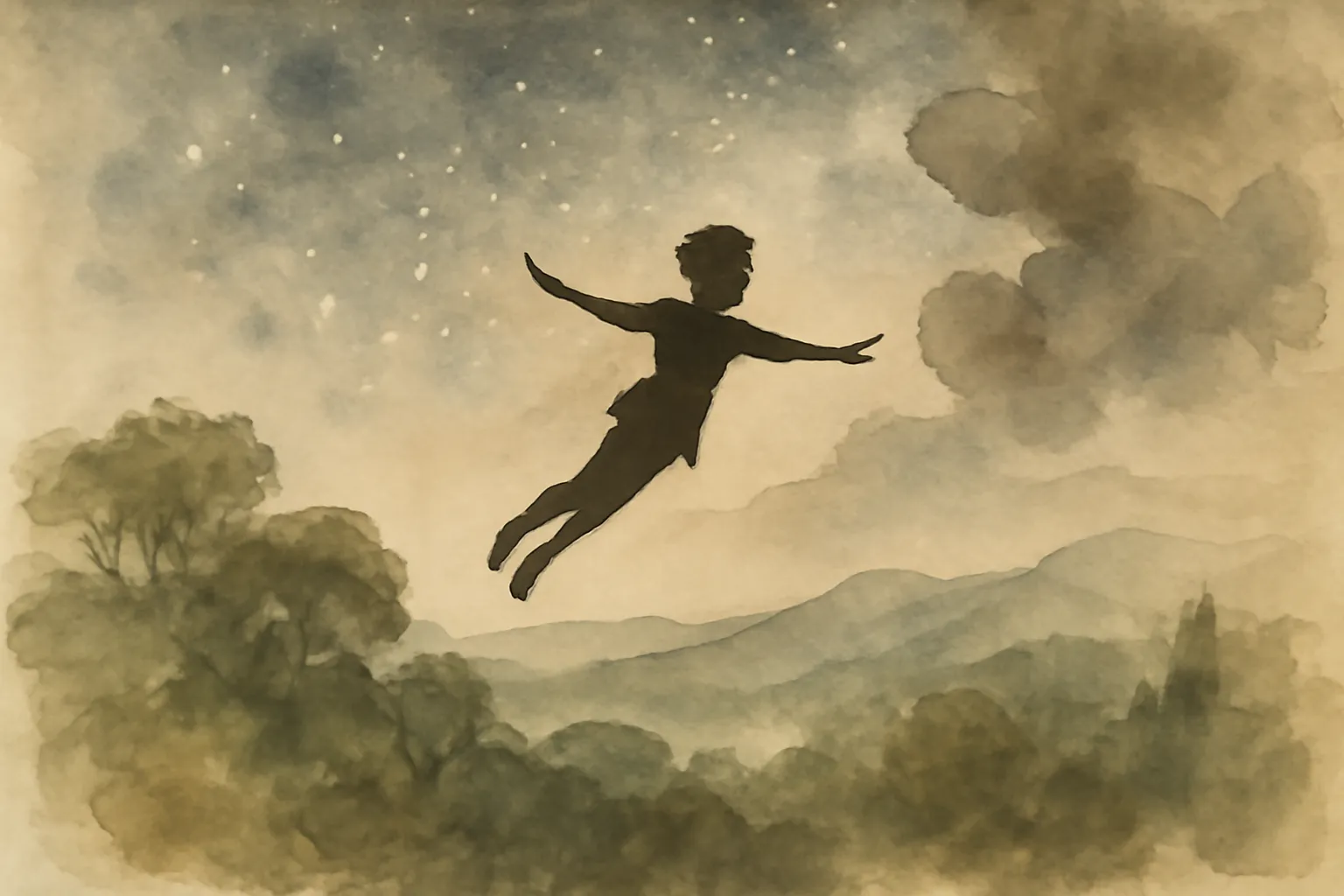
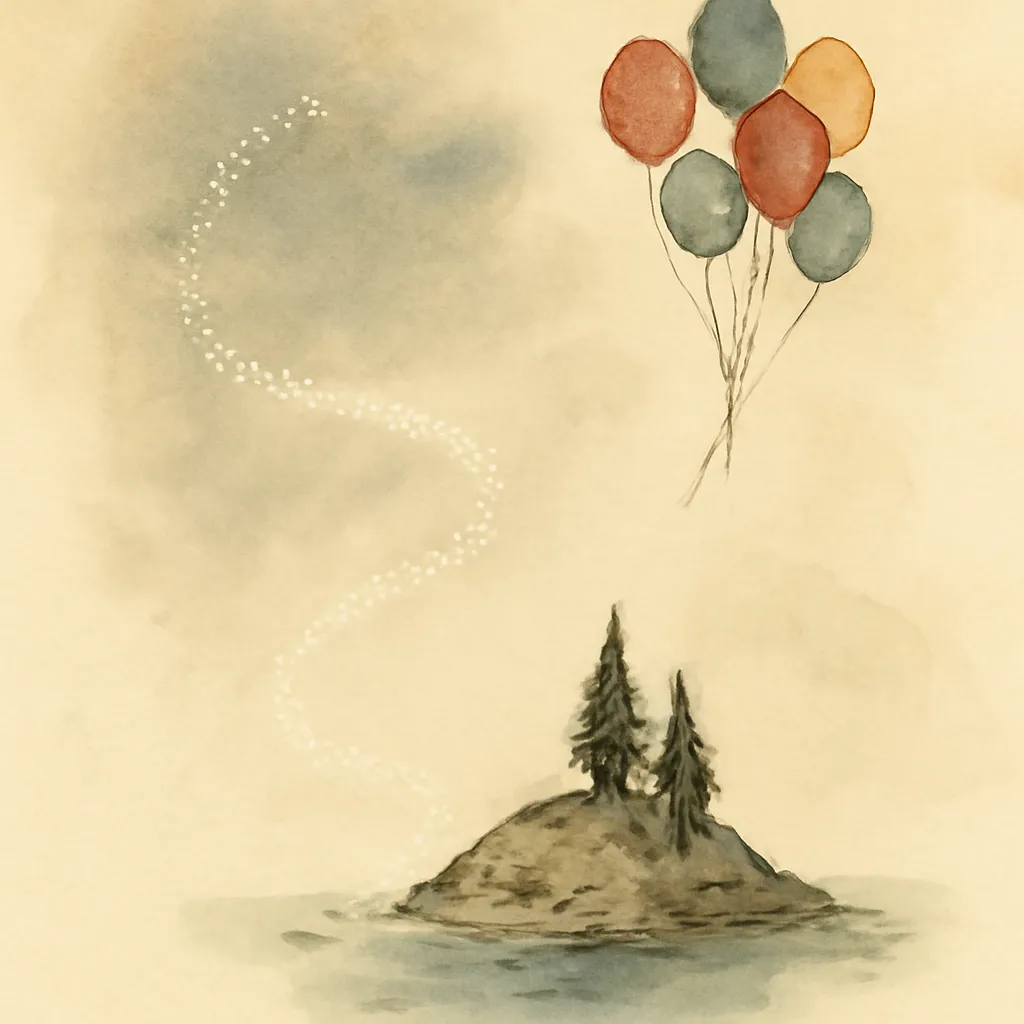
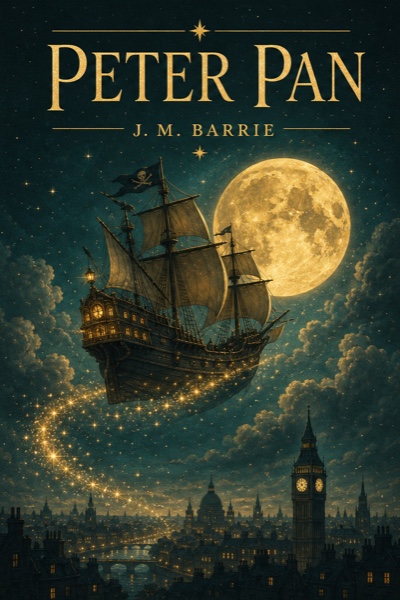
The act of flying to Neverland is a central motif in the story, symbolizing the liberation and joy of childhood imagination. Peter's instruction to follow 'second to the right, and straight on till morning' captures the whimsical and nonsensical nature of childhood adventures. The exhilaration of flight allows the children to escape the constraints of their everyday lives, but it also serves as a metaphor for the fleeting nature of childhood. As they soar through the skies, the children experience a sense of freedom and possibility that is often lost in adulthood. However, Barrie juxtaposes this joy with the risks involved in their adventures, as moments of danger and uncertainty arise. The thrill of flying is tempered by the reality that such freedom comes at a cost, reinforcing the notion that the transition from childhood to adulthood is fraught with complexities and challenges.
6.The Dangers of Neverland
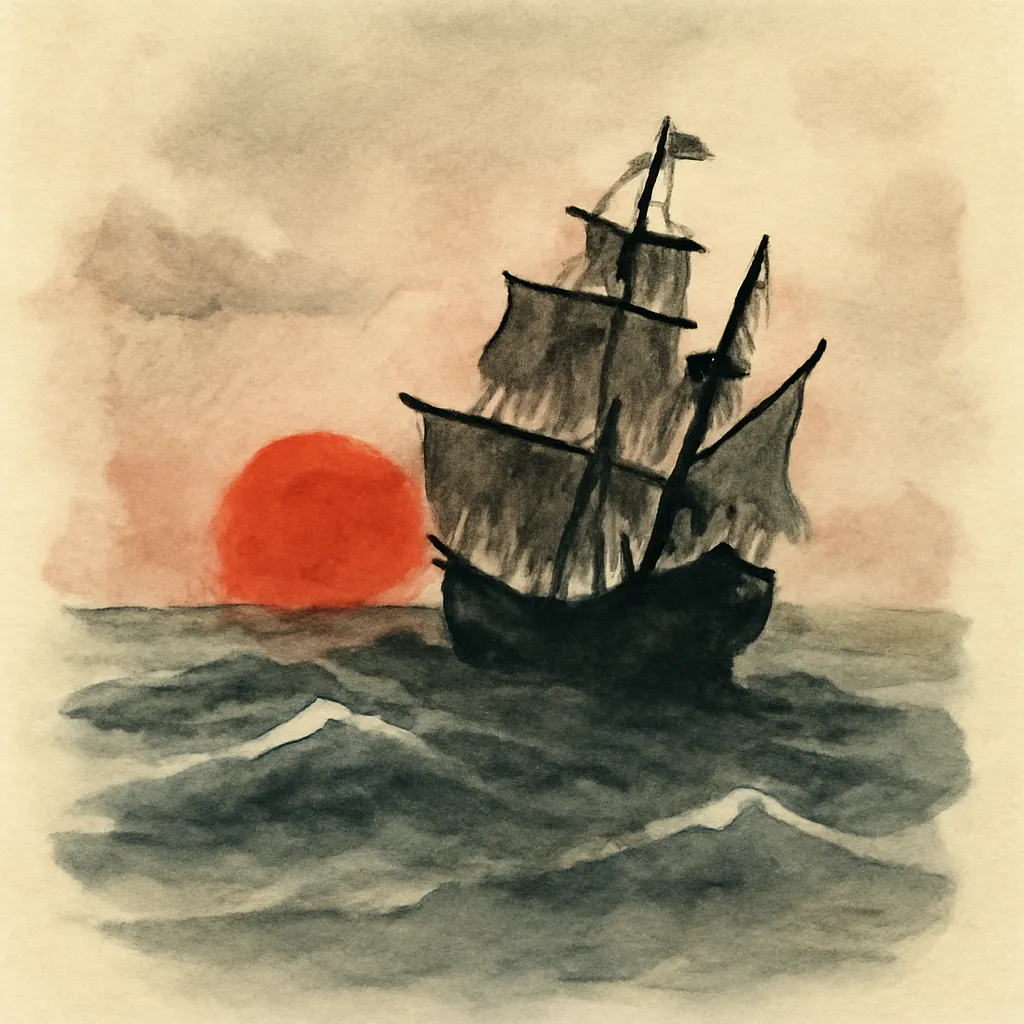
Despite its enchanting allure, Neverland is fraught with dangers that reflect the darker aspects of childhood. The presence of pirates, led by the nefarious Captain Hook, introduces themes of fear and conflict that challenge the idyllic vision of childhood adventure. Hook represents the adult world's treachery and the loss of innocence, constantly pursuing Peter and the Lost Boys. The encounters with Hook and his crew serve to illustrate the inevitable confrontations children face as they navigate their own fears and challenges. Additionally, the mermaids, while beautiful and alluring, are portrayed as indifferent and even cruel, further emphasizing the idea that not all aspects of childhood are nurturing and safe. Barrie uses these dangers to underscore the complexities of growing up, suggesting that the journey into adulthood is often marked by trials that test one’s courage and resilience.
7.The Concept of Time in Neverland
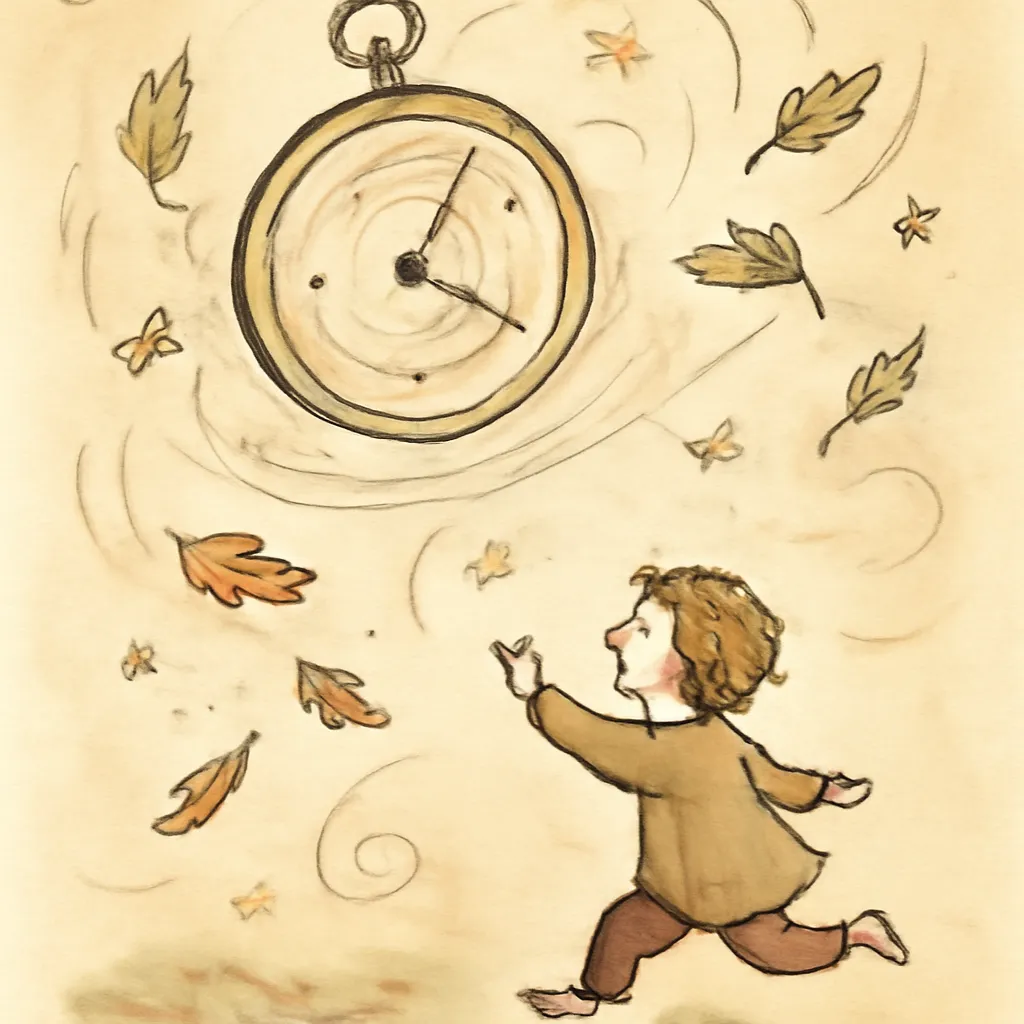
Time in Neverland operates under different rules than in the real world, reflecting the fluidity of childhood experience. Peter and the Lost Boys exist in a realm where time is irrelevant, allowing them to indulge in endless play and adventure. However, this timelessness also contributes to the chaos of their lives, as they are unmoored from the responsibilities and structure that adulthood brings. The contrast between Peter's eternal youth and Wendy's growing awareness of time's passage highlights the tension between the desire to remain a child and the necessity of facing reality. As Wendy matures, she becomes increasingly aware of the implications of time, culminating in her decision to return home. Barrie’s exploration of time serves as a poignant reminder that while childhood may seem eternal, it is ultimately a fleeting phase that must give way to the demands of adulthood.
8.The Sacrifice of Peter Pan
Peter Pan's character embodies the paradox of eternal youth: while he enjoys the freedom of childhood, he is also burdened by the loneliness that comes with it. His refusal to grow up isolates him from meaningful connections, leaving him unable to form lasting relationships. This loneliness is evident in his interactions with Wendy and the Lost Boys, where he often prioritizes adventure over emotional bonds. Peter's sacrifices—his friendships and the warmth of familial love—underscore the cost of his perpetual childhood. Barrie suggests that the desire to escape adulthood, while appealing, can lead to a profound sense of isolation. This theme invites readers to consider the balance between embracing the joys of childhood and accepting the responsibilities and connections that come with growing up.
9.The Return Home
The climactic moment of the story is marked by Wendy's eventual decision to return home, a poignant acknowledgment of the realities of growing up. Her departure from Neverland signifies the end of childhood innocence and the acceptance of adult responsibilities. Wendy's return is bittersweet, as she recognizes the importance of family and the love that awaits her at home. This decision also highlights Peter's inability to understand the significance of such sacrifices, as he remains trapped in his desire for eternal youth. The contrast between Wendy's acceptance of adulthood and Peter's refusal to change serves as a powerful commentary on the nature of growing up. Barrie ultimately suggests that while the magic of childhood is enchanting, it is the bonds of love and family that provide true fulfillment in life.