1.The Nature of Childhood
From the very beginning, 'Peter Pan' establishes that all children, except one, must grow up. This poignant truth is introduced through Wendy's realization at the tender age of two, when her mother expresses a wish for her to remain a child forever. This sets the stage for the central theme of the story: the struggle between the joys of childhood and the inevitability of growing up. Barrie portrays childhood as a magical time filled with wonder and imagination, embodied in Peter Pan's refusal to grow up and his ability to fly. However, this refusal comes at a cost, leading to a deeper exploration of what it means to mature and take on responsibilities. The contrast between Peter's eternal youth and Wendy's journey towards adulthood highlights the tension between innocence and the harsh realities of life.
2.Wendy as the Mother Figure
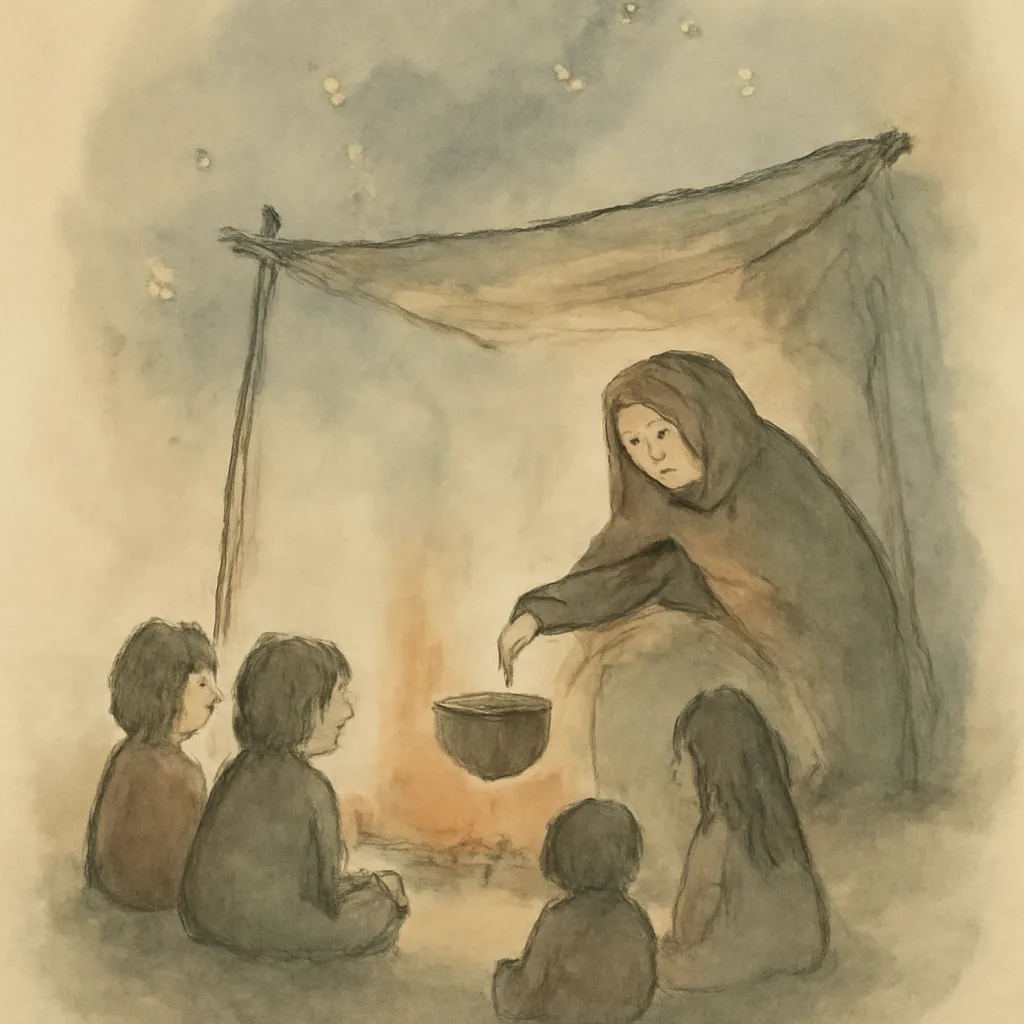
Wendy Darling serves as a critical character who embodies the nurturing qualities often associated with motherhood. When she travels to Neverland with Peter and her brothers, she instinctively takes on the role of caregiver, preparing meals and telling stories. Wendy's desire to care for the Lost Boys reflects a natural inclination towards nurturing, which contrasts sharply with Peter's carefree attitude. This dynamic creates a fascinating interplay between the desire for freedom and the comfort of home. Wendy's journey is not just about adventure; it's also about her grappling with the responsibilities that come with growing up. Ultimately, her character arc illustrates the bittersweet nature of leaving childhood behind, as she learns to balance her dreams of adventure with the reality of familial love and duty.
3.The Enchantment of Neverland
Neverland represents the ultimate escape from reality, a realm where the impossible becomes possible and imagination reigns supreme. It is a place filled with fairies, pirates, and adventures that defy the laws of nature. Barrie uses Neverland to explore the idea of a perfect childhood, free from the burdens of adulthood. However, as the story unfolds, it becomes clear that this enchanted land is not without its own dangers and challenges. The presence of Captain Hook and the threat of the pirates introduce elements of conflict and fear, reminding readers that even in paradise, peril lurks. Furthermore, the Lost Boys, who are often characterized by their wild and carefree nature, reveal the darker side of eternal childhood—the loneliness and longing for connection that can accompany a life devoid of growth. Through Neverland, Barrie weaves a rich tapestry of fantasy that ultimately serves as a reflection of the complexities of childhood.
4.The Conflict with Captain Hook
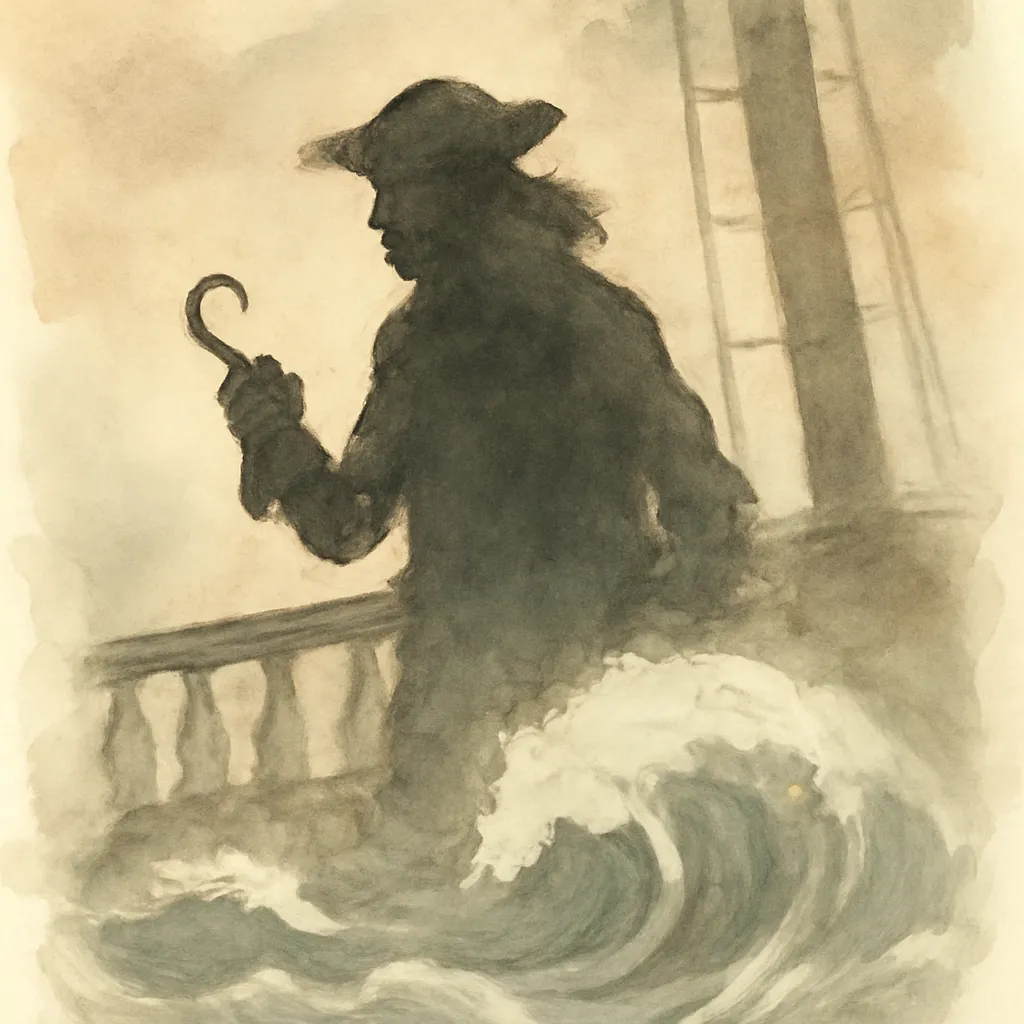
Captain Hook serves as a formidable antagonist in 'Peter Pan,' representing the fears and challenges that accompany adulthood. His character is a complex blend of villainy and vulnerability, embodying the darker aspects of growing up. Hook's obsession with revenge against Peter Pan highlights the theme of lost innocence, as he is driven by his desire to reclaim a sense of power that he has lost. The dynamic between Peter and Hook also illustrates the struggle between youth and the encroaching responsibilities of adulthood. Hook's cunning and ruthlessness contrast sharply with Peter's innocent bravery, creating a compelling conflict that drives the narrative forward. Moreover, Hook's interactions with the Lost Boys and his treatment of Wendy reveal the complexities of power dynamics, further emphasizing the tension between childhood playfulness and adult seriousness.
5.The Role of Tinker Bell
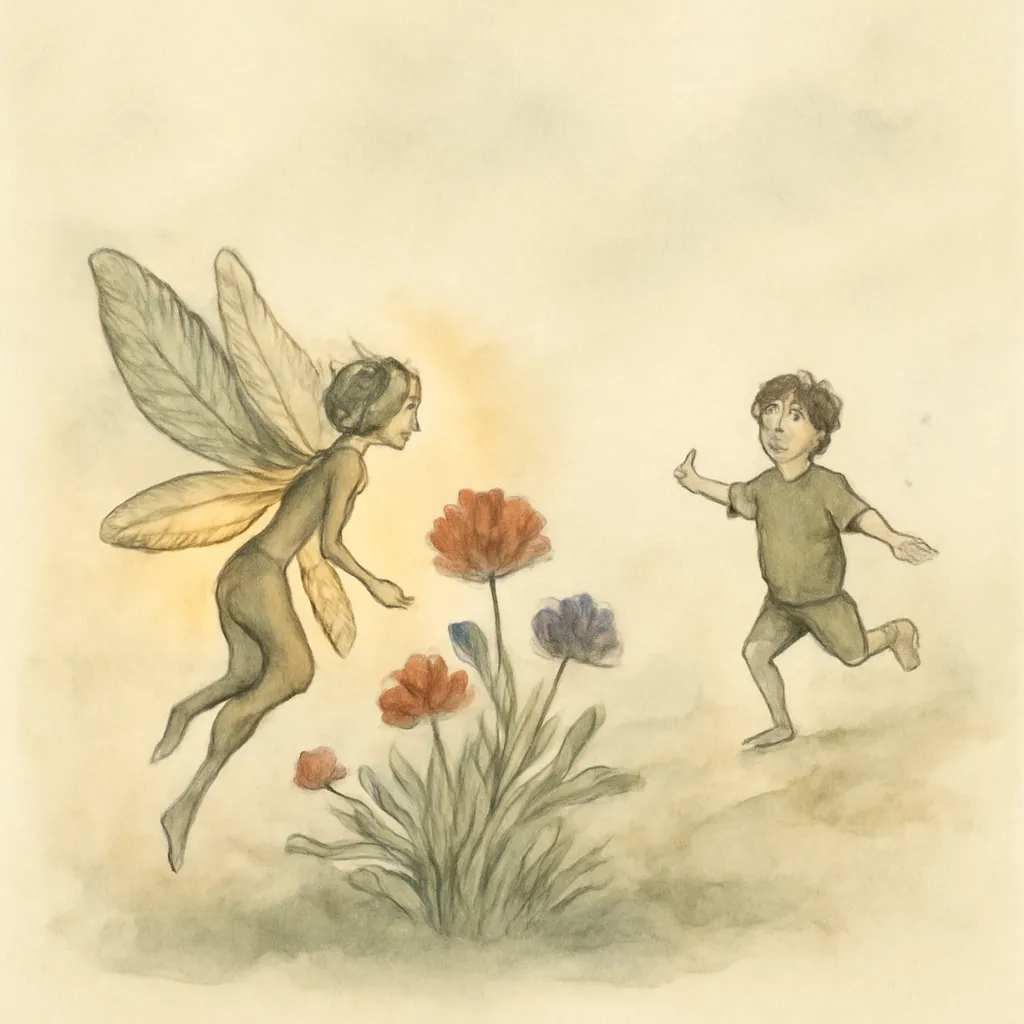
Tinker Bell, the spirited fairy, adds a unique layer to the story with her fierce loyalty and complex emotions. She embodies the essence of childhood wonder and jealousy, often reflecting the duality of love and possessiveness. Tink's relationship with Peter is characterized by both affection and rivalry, as she struggles to accept Wendy's presence in his life. Her actions, driven by a desire to protect Peter, often lead to moments of both humor and tension. Tinker Bell's jealousy serves as a reminder that even in the realm of childhood fantasy, emotions can be tumultuous and complicated. Her ultimate sacrifice to save Peter underscores the depth of her character, illustrating the theme of friendship and loyalty that resonates throughout the story. Tinker Bell's vibrant personality and emotional complexity make her an unforgettable character that enriches the narrative.
6.The Illusion of Freedom
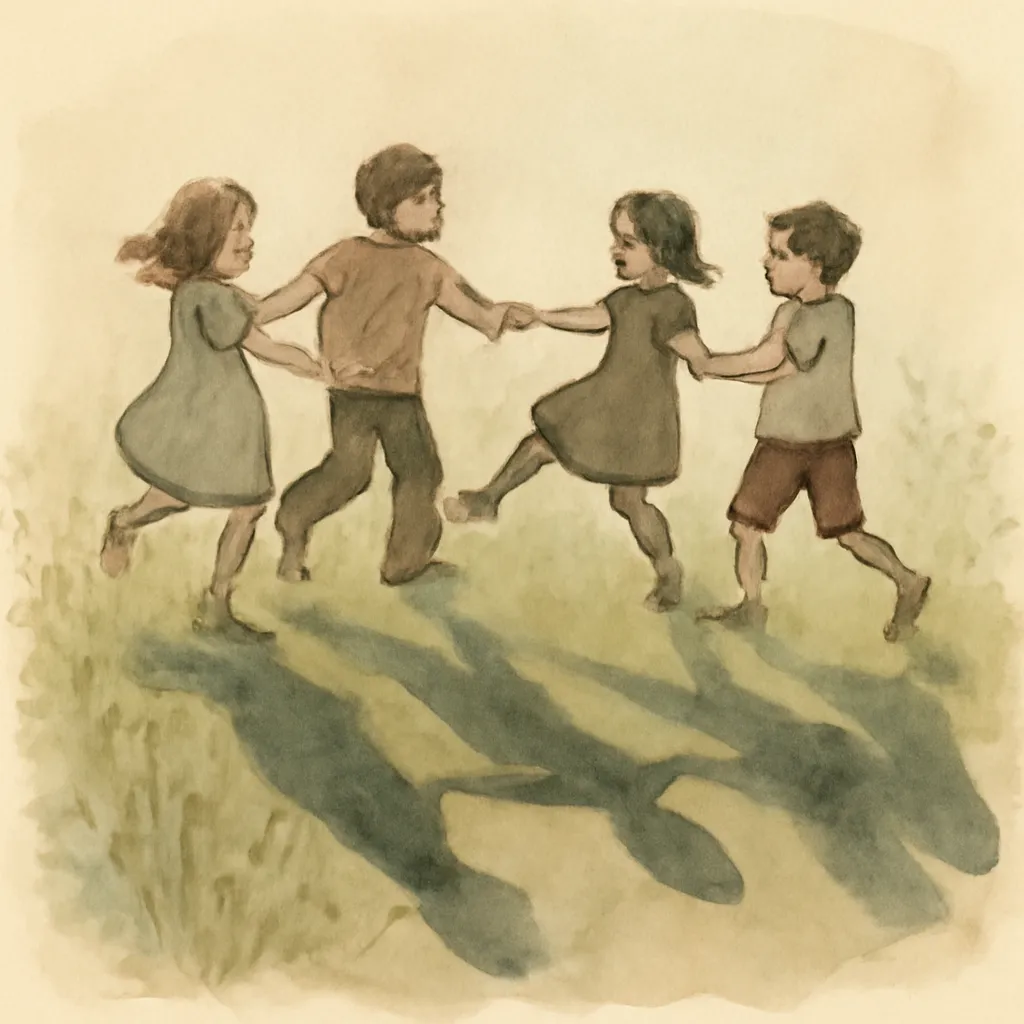
Peter Pan's adventures in Neverland present an alluring illusion of freedom, where children can escape the constraints of the adult world. However, this freedom comes with its own set of limitations and consequences. Barrie skillfully illustrates that while Peter and the Lost Boys revel in their carefree existence, they are also bound by the rules of their fantasy world. The boys, for instance, face the constant threat of danger from pirates and wild beasts, emphasizing that freedom is not without its risks. Moreover, Peter's refusal to grow up ultimately leads to loneliness and a lack of meaningful connections with others. This paradox of freedom versus responsibility invites readers to reflect on the nature of adulthood, suggesting that true freedom may lie in the ability to embrace growth and forge deeper relationships. Through Peter's journey, Barrie challenges the notion that childhood is synonymous with freedom, revealing the complexities of both stages of life.
7.The Importance of Storytelling
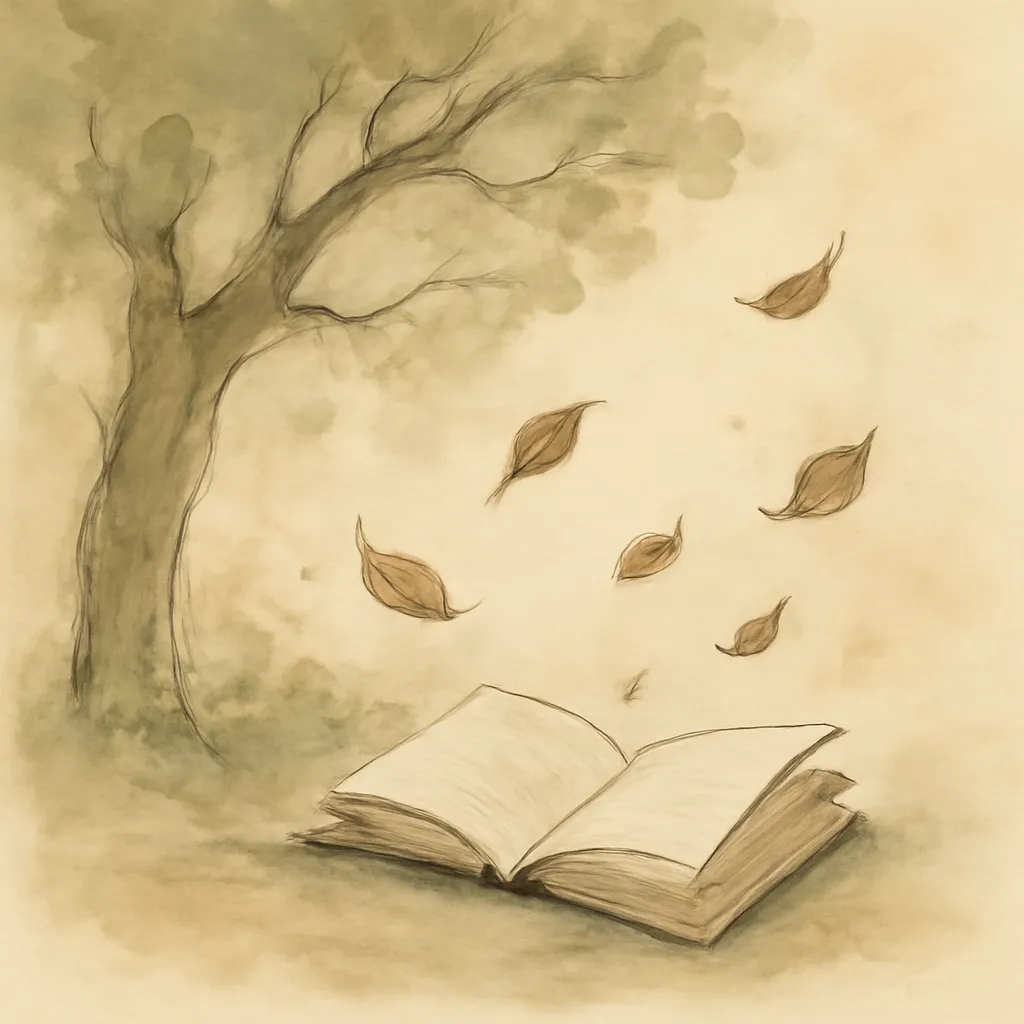
Storytelling is a central motif in 'Peter Pan,' serving as a means of connecting characters and conveying deeper themes. Wendy's tales of adventure and imagination provide comfort and joy to the Lost Boys, highlighting the power of stories to nurture and inspire. Through her storytelling, Wendy embodies the role of a mother, creating a sense of belonging and security within the group. Moreover, the act of storytelling allows characters to explore their identities and desires, as they navigate the thin line between reality and fantasy. Barrie emphasizes that stories shape our understanding of the world, influencing how we perceive ourselves and our relationships. The interplay between storytelling and adventure in Neverland illustrates the transformative power of imagination, suggesting that stories can provide solace in times of uncertainty and longing. Ultimately, storytelling becomes a vehicle for connection and growth, weaving together the threads of childhood and adulthood.
8.The Loss of Innocence
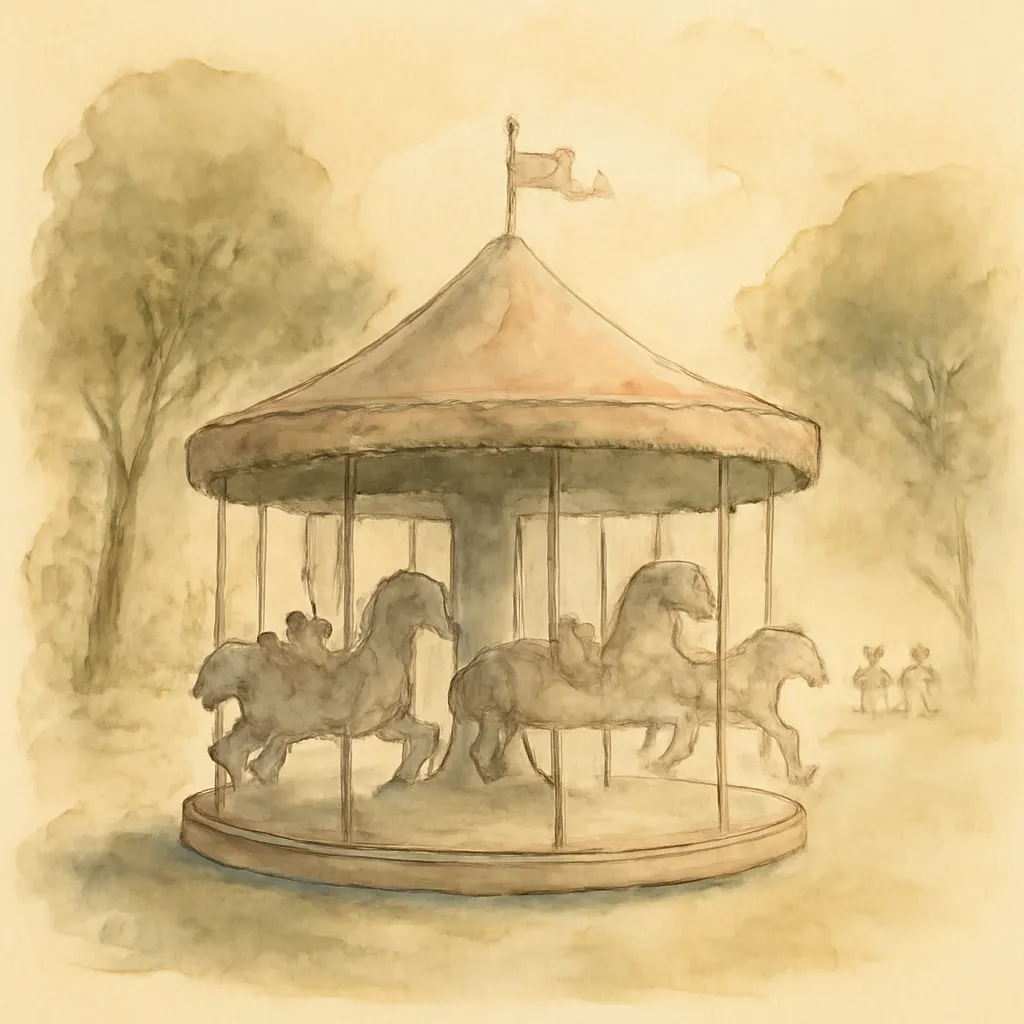
A poignant theme in 'Peter Pan' is the inevitable loss of innocence that accompanies growing up. As the story progresses, characters are confronted with the realities of life that challenge their whimsical perceptions of childhood. Wendy's transition from carefree girl to responsible caregiver symbolizes this loss, as she navigates the complexities of adulthood. The contrast between Peter's eternal youth and Wendy's maturation serves as a reminder that innocence cannot be preserved indefinitely. The encounter with the pirates and the dangers of Neverland force the children to confront their fears and vulnerabilities, leading to moments of profound reflection. Barrie skillfully illustrates that while childhood is filled with wonder, it is also marked by the bittersweet realization that innocence must eventually give way to maturity. This theme resonates deeply with readers, evoking a sense of nostalgia for the simplicity of youth while acknowledging the growth that comes with age.
9.The Symbolism of Flight
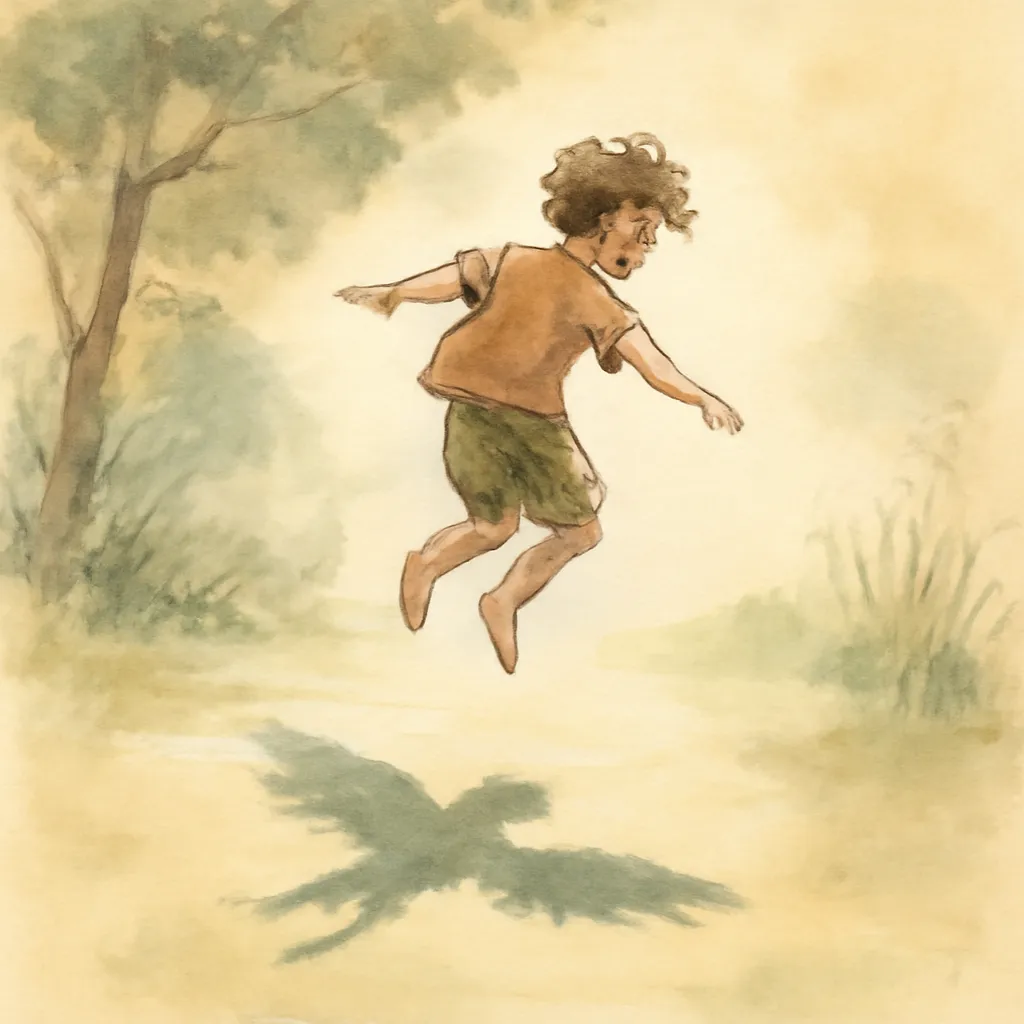
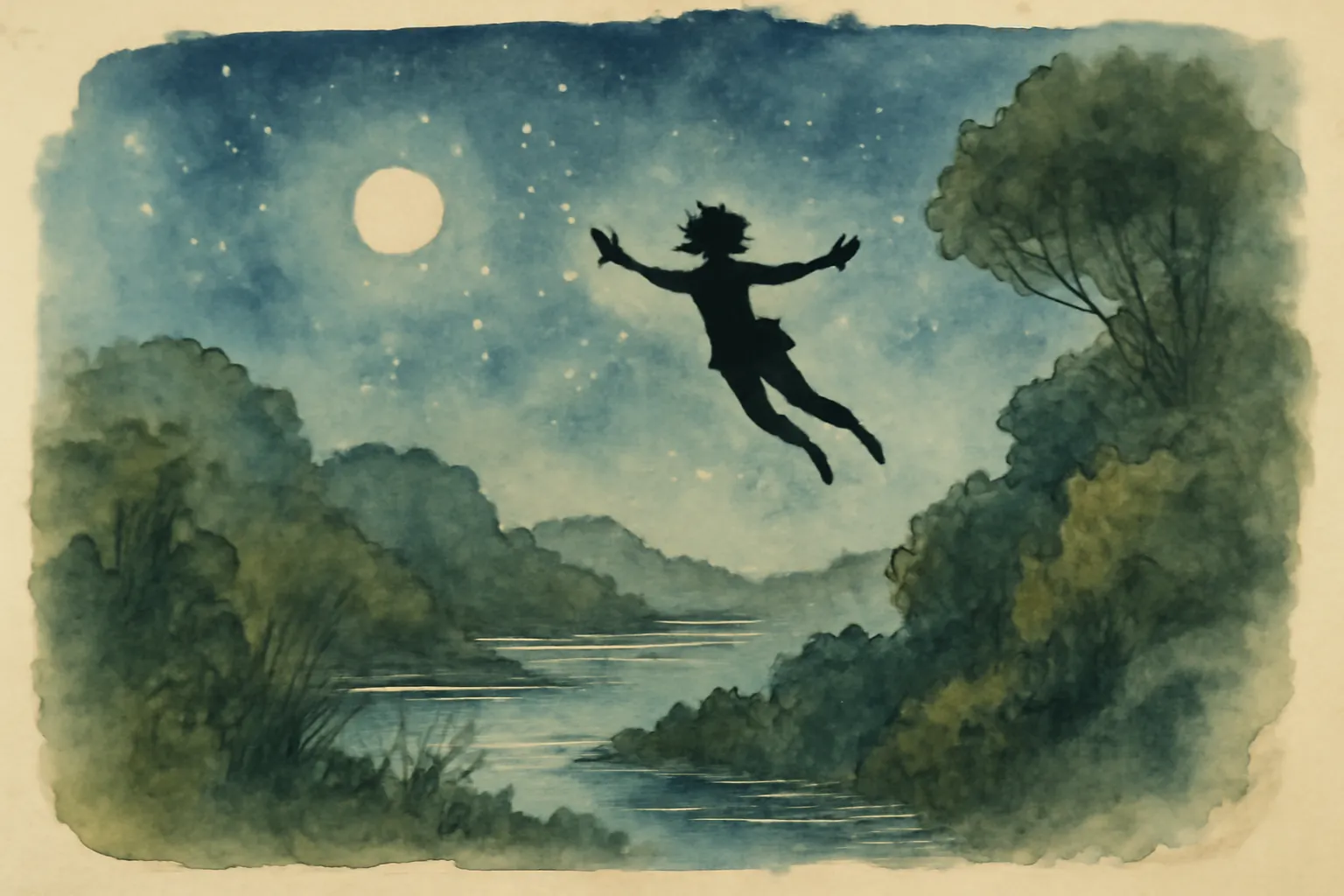
Flight is a powerful symbol in 'Peter Pan,' representing freedom, imagination, and the desire to escape the confines of reality. Peter's ability to fly allows him to transcend the limitations of the adult world, embodying the spirit of childhood adventure. The act of flying becomes a metaphor for the liberation of the imagination, inviting readers to embrace their own creativity and dreams. However, Barrie also uses flight to explore the fragility of this freedom, as the children face the risk of falling and the dangers that lurk below. The moments of flight serve as both exhilarating and perilous, reminding readers that with great freedom comes great responsibility. Moreover, the act of flying together fosters a sense of camaraderie among the characters, highlighting the importance of connection and shared experiences in the journey of life. Through the symbolism of flight, Barrie encourages readers to cherish their dreams while acknowledging the complexities of navigating the path to adulthood.
10.The Return to Reality

The conclusion of 'Peter Pan' brings the characters back to the reality of life, emphasizing the importance of accepting growth and change. Wendy's eventual return home signifies the end of her childhood adventures and the beginning of her journey into adulthood. This transition is marked by a sense of melancholy, as Peter remains in Neverland, forever trapped in his refusal to grow up. Barrie poignantly captures the bittersweet nature of returning home, as Wendy reconciles her memories of adventure with the responsibilities of family life. The story concludes with the understanding that while childhood is fleeting, the experiences and lessons learned remain with us. Wendy's ability to embrace her role as a mother reflects the beauty of growth, as she carries the spirit of adventure into her new life. The return to reality serves as a reminder that while we may long for the simplicity of childhood, it is through acceptance and growth that we find true fulfillment and connection.