1.The Existence of the Phantom
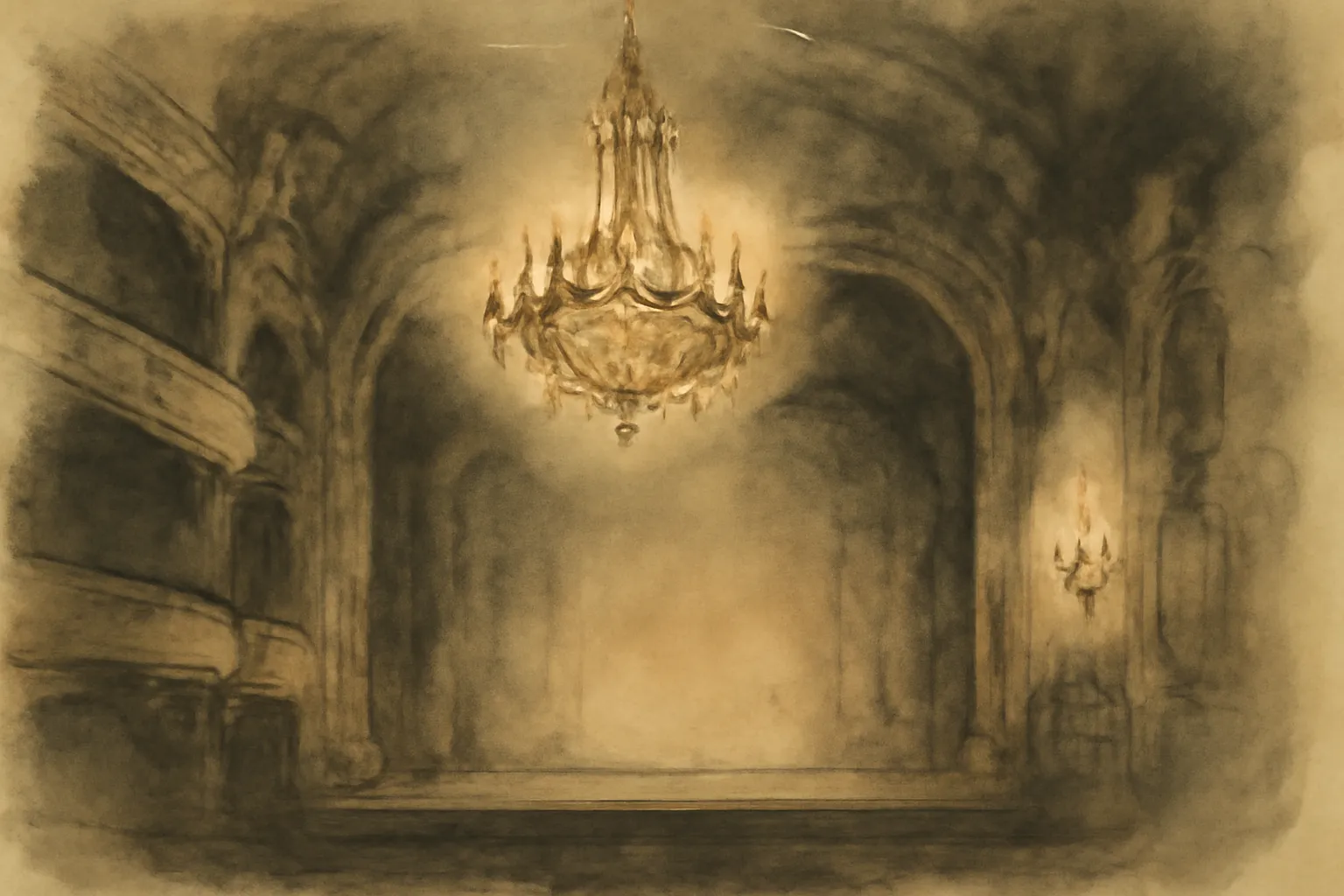
The story begins with the assertion that the Opera ghost is not merely a figment of imagination but a real entity that has haunted the Paris Opera House. This revelation sets the stage for a tale that intertwines reality with the supernatural. The managers of the Opera, Debienne and Poligny, face strange occurrences that they initially dismiss as superstition. However, their ignorance leads to dire consequences as they fail to recognize the true nature of the Phantom, Erik. This theme of disbelief in the face of evidence emphasizes how the extraordinary can often be dismissed as mere fantasy, reflecting society's tendency to ignore the unseen struggles of individuals like Erik, who lives in the shadows of society, both literally and metaphorically.
2.Christine Daaé: The Object of Obsession
Christine Daaé, a talented young soprano, becomes the focal point of the Phantom's obsession. Her journey from a chorus girl to a celebrated artist is marked by her extraordinary voice, which captivates not only the audience but also Erik. Christine’s character embodies the struggle between innocence and the corrupting influence of power and fame. The Phantom, who sees her as his muse, believes he can control her destiny through his manipulation. This dynamic raises questions about the nature of love and possession, as Erik's love for Christine becomes a twisted form of obsession that ultimately leads to tragedy. Christine's inner conflict and her eventual choice between Erik and Raoul, the Vicomte de Chagny, highlight the complexities of love and the societal expectations placed upon women in a patriarchal society.
3.The Duality of Beauty and Monstrosity
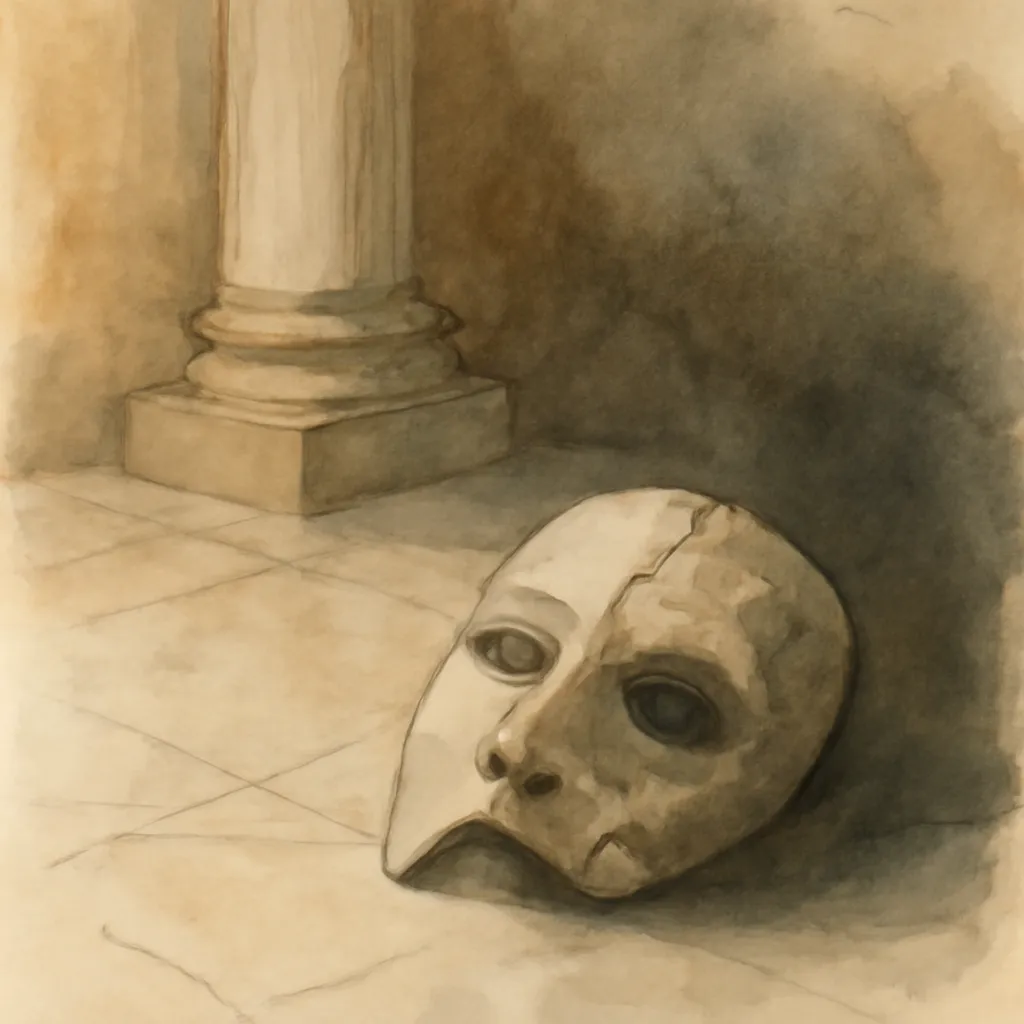
Erik, the Phantom, is a brilliant composer and architect, yet he is also a figure of horror, bearing physical deformities that render him a social outcast. This duality serves as a powerful commentary on how society perceives beauty and monstrosity. The Opera House itself, a place of beauty and art, is juxtaposed against the dark, hidden depths where Erik resides. His genius is overshadowed by his physical appearance, leading to his isolation and desperation. This exploration of the dichotomy between inner and outer beauty invites readers to reflect on their own judgments and biases. Erik's tragic fate illustrates that true monstrosity often lies in the actions taken by individuals in response to societal rejection, making a poignant statement about the consequences of prejudice and the longing for acceptance.
4.The Role of Music as a Unifying Force
Music plays a vital role in the narrative, serving as both a means of communication and a tool of manipulation. Erik uses music to enchant Christine, teaching her to sing and guiding her to success. Their shared passion for music creates a bond that transcends the boundaries of their respective worlds. However, music also becomes a weapon in Erik's hands, as he uses it to instill fear and assert control over the Opera House. The contrast between the beauty of Christine's voice and the haunting melodies composed by Erik underscores the complexity of their relationship. Ultimately, music symbolizes both love and power, illustrating how it can be a source of connection while also reflecting the darker aspects of obsession and control.
5.The Influence of the Supernatural
The presence of the supernatural is a constant thread throughout the story, manifesting in the form of the Phantom's ghostly appearances and the eerie occurrences at the Opera. The supernatural elements serve to heighten the tension and create an atmosphere of suspense, blurring the lines between reality and fantasy. The Opera ghost's ability to manipulate the environment around him reflects the psychological torment that both he and Christine experience. The fear of the unknown and the unseen drives the narrative, as characters grapple with their beliefs and fears. This interplay between the supernatural and the psychological explores the impact of trauma and the ways in which individuals cope with their inner demons, inviting readers to consider the nature of fear and its influence on human behavior.
6.The Impact of Society on Individual Identity
The characters in 'The Phantom of the Opera' are deeply affected by the societal norms and expectations of their time. Christine's rise to fame is marred by the constraints placed upon her as a woman in a male-dominated society, where her worth is often measured by her appearance and her relationships with powerful men like Raoul and Erik. The managers of the Opera represent the societal elite, more concerned with maintaining their status and profitability than addressing the genuine talents and needs of their performers. The pressure to conform to societal expectations leads to conflict and tragedy, particularly for Erik, whose rejection by society fuels his rage and desperation. This critique of social hierarchies highlights the broader implications of societal influence on personal identity and the quest for self-acceptance amidst adversity.
7.The Tragic Consequences of Obsession
Erik's obsession with Christine ultimately leads to catastrophic consequences for all involved. His inability to accept rejection and his desperate need for love drive him to commit heinous acts, including kidnapping and murder. This descent into madness illustrates how obsession can corrupt even the most talented individuals, transforming love into a destructive force. The climax of the story reveals the tragic outcomes of Erik's actions, as he loses everything he cherishes in his pursuit of control and acceptance. The narrative serves as a cautionary tale about the dangers of obsession, emphasizing that love must be rooted in mutual respect and understanding, rather than possession and control.
8.Raoul: The Romantic Hero
Raoul, the Vicomte de Chagny, serves as the traditional romantic hero in contrast to Erik's tragic figure. His love for Christine is genuine, yet he struggles to protect her from the Phantom's grasp. Raoul embodies the ideals of nobility and honor, but his privileged background also highlights the limitations of his understanding of Christine's plight. Throughout the story, Raoul's attempts to rescue Christine reflect the heroic archetype, yet his actions also reveal his own vulnerabilities and insecurities. His relationship with Christine is marked by moments of tenderness and conflict, illustrating the complexities of love that exists even in seemingly perfect relationships. Raoul's journey underscores the theme of sacrifice, as he is willing to risk everything for Christine's safety, ultimately questioning what true love entails.
9.The Symbolism of the Opera House
The Paris Opera House itself serves as a powerful symbol within the narrative, representing the intersection of art, beauty, and darkness. Its grandiosity masks the secrets and horrors that lie beneath its surface, much like the characters within the story who struggle with their own hidden traumas. The Opera House is a space where dreams are realized, but it is also where nightmares unfold, as the Phantom's presence disrupts the harmony of the artistic community. This duality invites readers to consider the complexities of artistic ambition and the sacrifices made in pursuit of success. The Opera House becomes a microcosm for the broader societal issues of the time, reflecting the tensions between appearance and reality, art and life, and the consequences of ambition that can lead to both glory and ruin.
10.The Conclusion of a Tragic Love Story
The story culminates in a heart-wrenching resolution that encapsulates the themes of love, sacrifice, and redemption. Christine's ultimate choice between Erik and Raoul leads to a profound exploration of the nature of love and the costs associated with it. In the end, Erik's tragic fate serves as a reminder of the consequences of unfulfilled desire and the pain of isolation. Christine's compassion for Erik allows for a moment of redemption, as she recognizes the humanity beneath his monstrous exterior. This conclusion emphasizes the complexity of human emotions, suggesting that love can exist even in the darkest of circumstances. The story leaves readers with lingering questions about the nature of acceptance, the potential for change, and the enduring power of love, even in the face of tragedy.