1.The Brain’s Construction of Reality
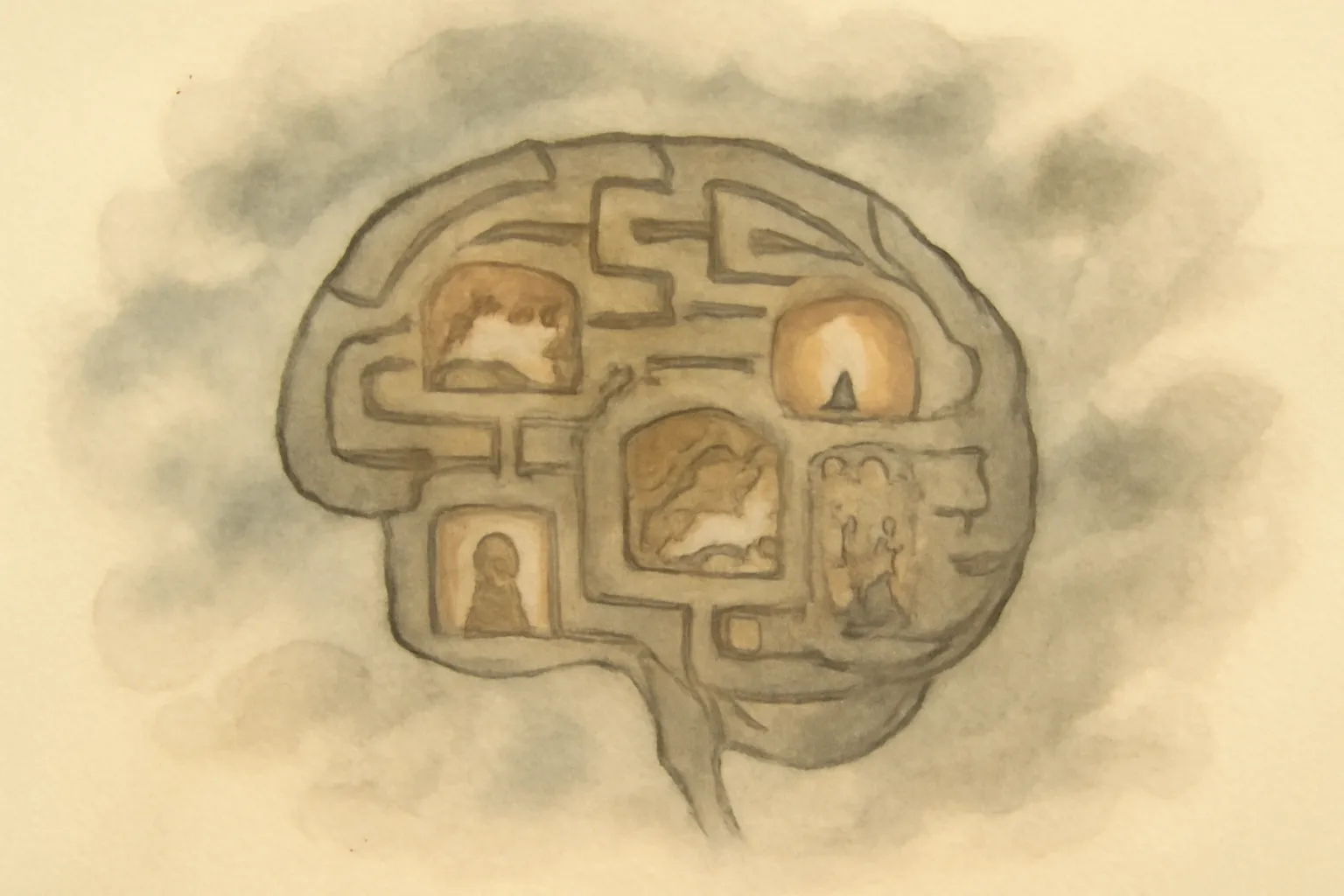
Ramachandran demonstrates that our sense of reality is an active construction by the brain, not a passive reflection of the world. Through cases like phantom limb syndrome, he shows how the brain can create vivid sensations and perceptions even when the corresponding body part is missing. This suggests that our everyday experience is a kind of controlled hallucination, shaped by neural maps and expectations.
2.Body Image and the Self
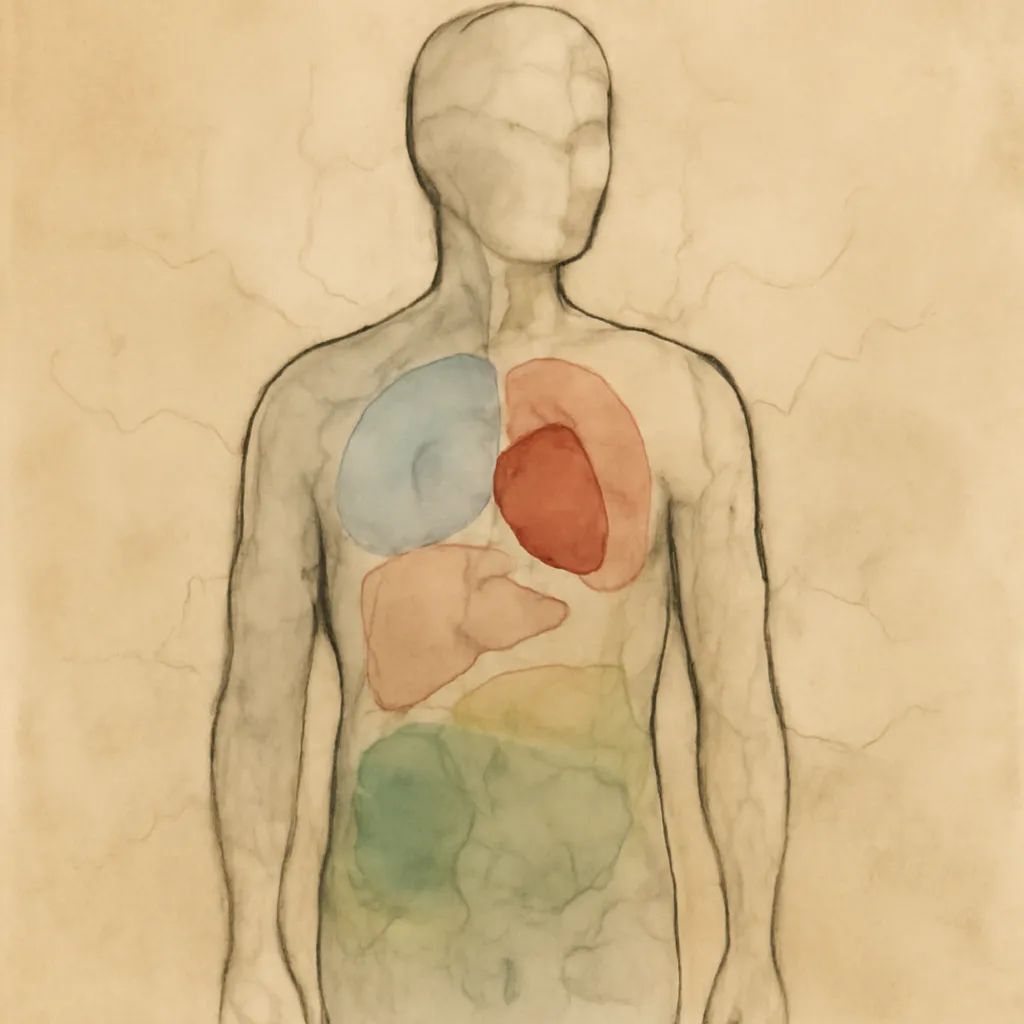
The book explores how the brain builds a map of the body—its 'body image'—and how this map can be disrupted by injury or disease. Patients who feel pain in amputated limbs, or who deny paralysis after a stroke, reveal that our sense of self is deeply rooted in neural representations. These cases challenge our assumptions about where 'we' reside and how stable our sense of self really is.
3.Neuroscience Illuminates Human Nature
Ramachandran uses neurological disorders to probe fundamental questions about belief, denial, and the nature of consciousness. For example, patients who confabulate or deny obvious deficits provide a window into the mechanisms of self-deception and rationalization. The book argues that by studying the brain’s failures, we can better understand its normal functions and the roots of human behavior.
4.Simple Experiments, Profound Insights
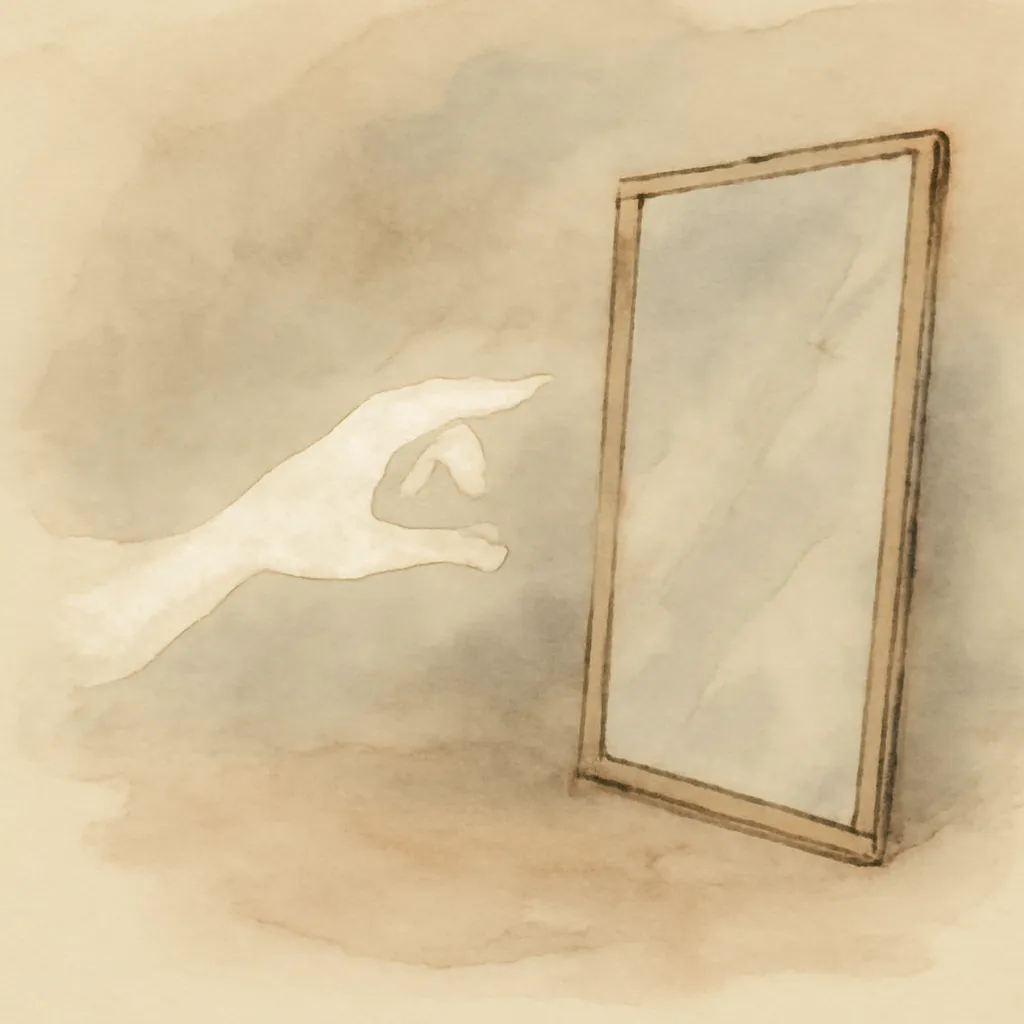
A hallmark of Ramachandran’s approach is his use of ingenious, low-tech experiments—like mirror therapy—to uncover deep truths about the brain. These experiments not only help patients but also reveal the brain’s remarkable plasticity and capacity for adaptation. The simplicity of these methods makes the science approachable and underscores that groundbreaking discoveries don’t always require complex technology.
5.The Brain and the Mysteries of Mind
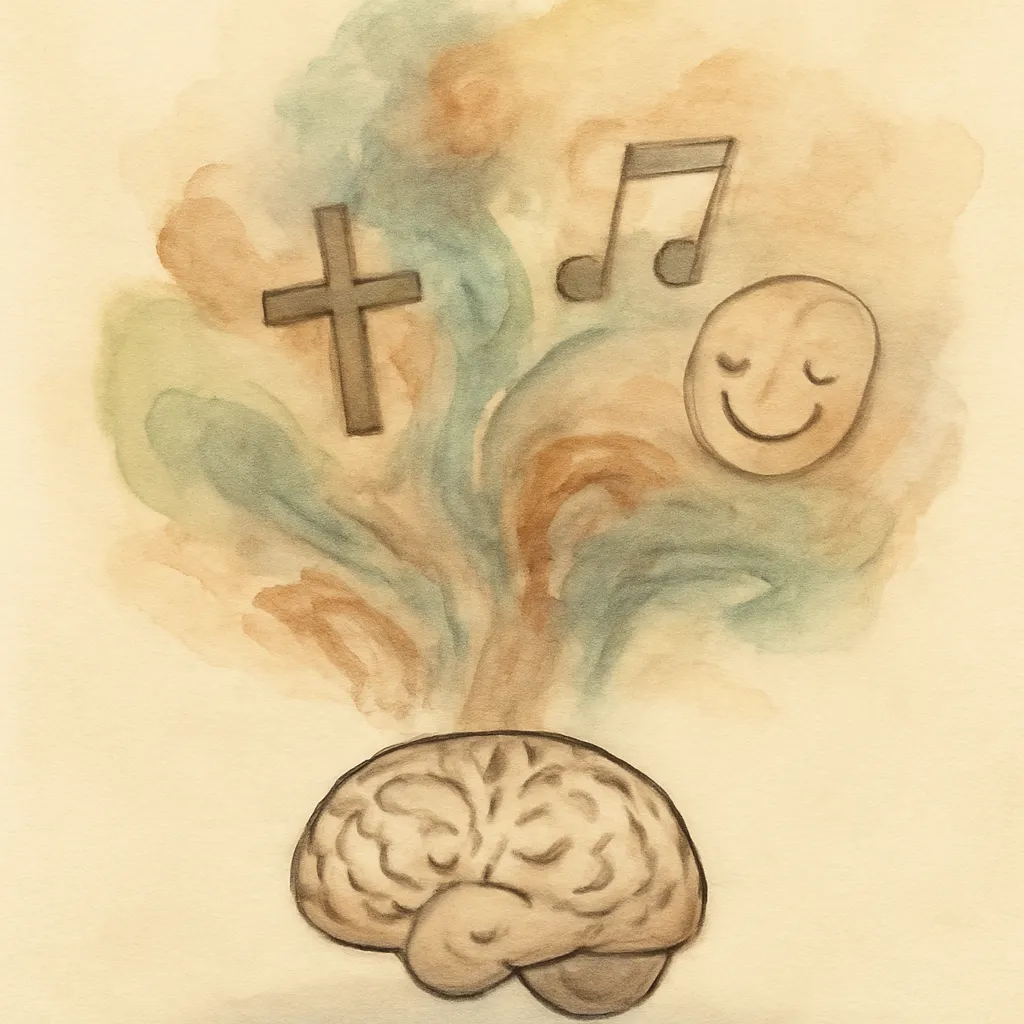
The book delves into big questions: Why do we believe in God? How do we experience art and music? Why do we laugh? Ramachandran suggests that even our most profound experiences have neurological underpinnings, and that studying the brain’s quirks can illuminate the roots of spirituality, creativity, and emotion. This perspective bridges the gap between neuroscience and the humanities.
6.Limits and Wonders of Self-Knowledge
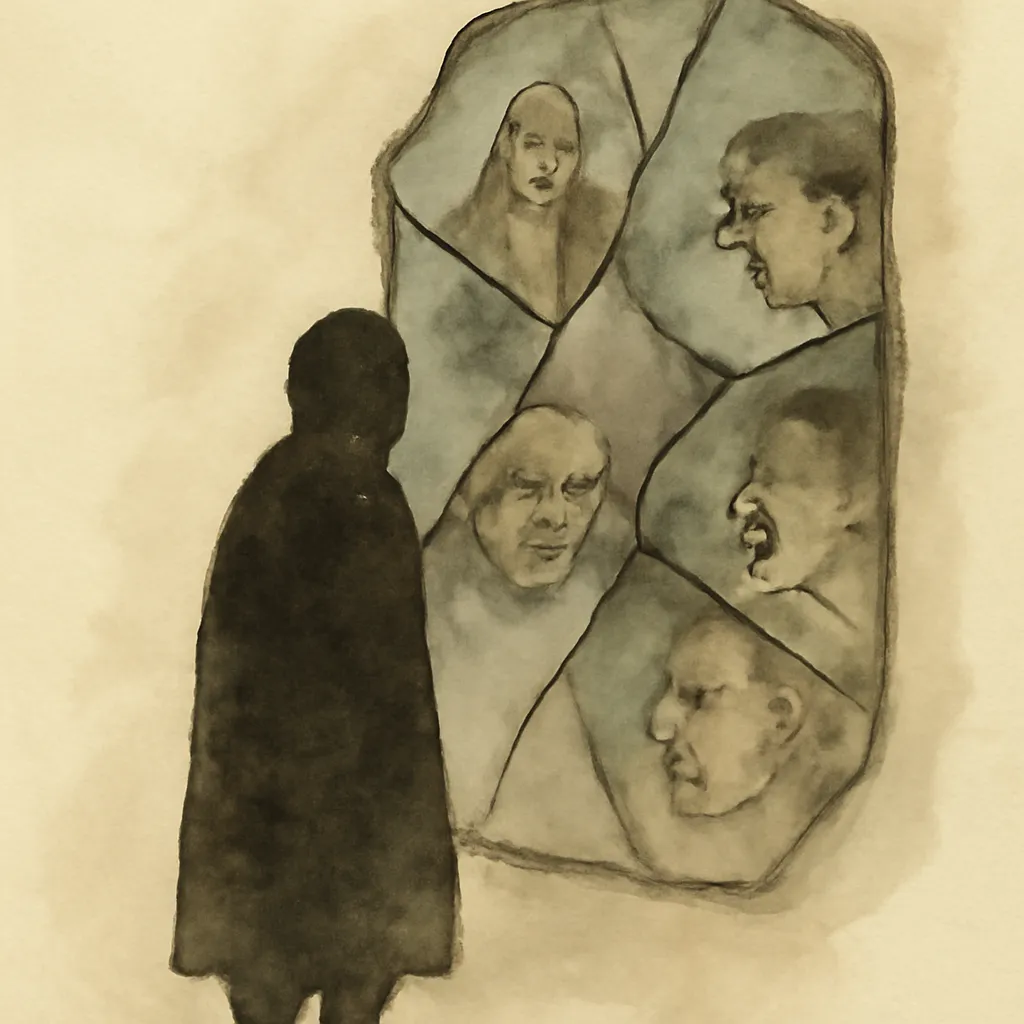
Phantoms in the Brain challenges the notion that we have direct access to our own minds. Through cases of anosognosia (denial of illness) and other syndromes, Ramachandran shows that introspection can be unreliable. The book invites readers to appreciate both the power and the fallibility of the brain’s self-modeling capacities.