1.Philosophy as Questioning
Osborne emphasizes that philosophy is less about providing definitive answers and more about asking probing questions. From the ancient Greeks to modern thinkers, the book shows how philosophy challenges assumptions, encourages skepticism, and invites readers to reflect on what they know and why. This approach demystifies philosophy, presenting it as an ongoing conversation rather than a set of dogmas.
2.The Evolution of Western Thought
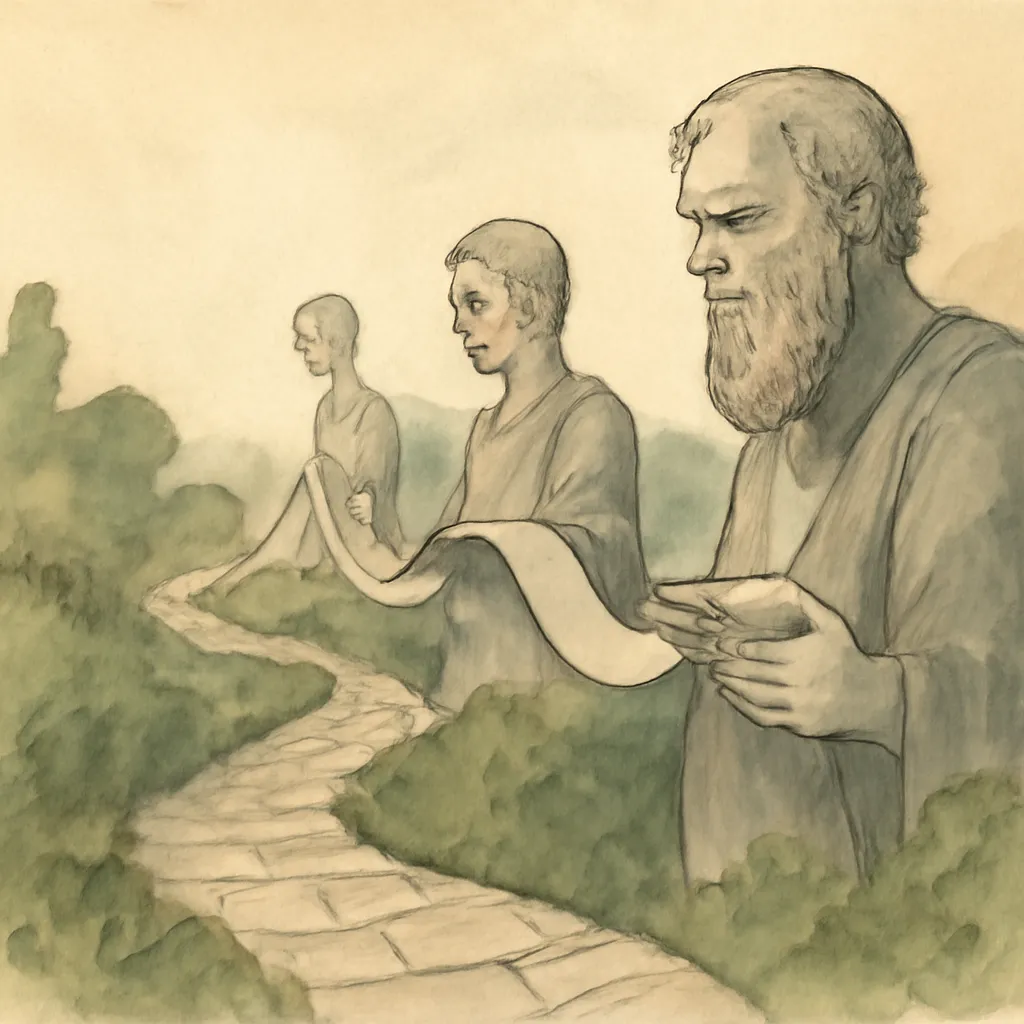
The book traces the development of Western philosophy from its roots in ancient Greece through the Enlightenment and into the twentieth century. Osborne highlights how each era’s thinkers responded to the problems and ideas of their predecessors, illustrating philosophy’s dynamic, cumulative nature. This context helps readers see philosophy as a living tradition shaped by historical change.
3.Key Philosophical Questions
Osborne organizes the book around recurring philosophical questions: What is reality? What can we know? What is a good life? By returning to these core inquiries, he shows how different philosophers have tackled the same fundamental issues in diverse ways, making the subject relevant to anyone who has ever wondered about existence, knowledge, or morality.
4.Philosophy’s Relevance and Subversiveness
A central theme is philosophy’s reputation as both irrelevant and dangerous. Osborne explores why philosophy has often been viewed with suspicion by authorities and dismissed as impractical by others. He argues that philosophy’s power lies in its ability to challenge the status quo, question received wisdom, and inspire critical thinking—qualities that can be unsettling but are essential for progress.
5.Making Philosophy Accessible
Philosophy for Beginners stands out for its use of humor, cartoons, and plain language. Osborne and illustrator Ralph Edney break down complex ideas without oversimplifying, making philosophy engaging and unintimidating. This approach invites readers who might otherwise shy away from the subject to participate in philosophical thinking.
6.The Limits and Value of Philosophy
Osborne acknowledges that philosophy cannot answer every question or solve every problem, but he insists on its enduring value. By teaching us to think critically, recognize assumptions, and tolerate ambiguity, philosophy enriches our intellectual lives and helps us navigate an uncertain world.