1.Philosophy as Dialogue Across Time
Warburton frames philosophy as an ongoing conversation, where thinkers respond to and build upon each other’s ideas. By introducing classic texts in their historical context, he shows how questions about knowledge, ethics, politics, and reality have evolved. This approach encourages readers to see philosophy not as a static body of knowledge, but as a dynamic, living discipline that invites participation and critical engagement.
2.Making Classics Accessible
One of Warburton’s key contributions is his ability to distill complex arguments from works like Plato’s Republic, Descartes’ Meditations, or Kant’s Critique of Pure Reason into clear, digestible summaries. He avoids jargon and explains technical terms, making the classics approachable without oversimplifying. This demystification empowers readers to tackle primary texts with greater confidence.
3.Critical Scrutiny, Not Blind Reverence
Rather than treating classic works as unquestionable authorities, Warburton models critical reading. He highlights each philosopher’s main arguments and then raises thoughtful objections or alternative interpretations. This encourages readers to weigh strengths and weaknesses, fostering independent thinking rather than passive acceptance.
4.Themes That Shape Western Thought
The book identifies recurring themes—such as justice, freedom, the nature of reality, and the limits of human knowledge—that run through the canon. By tracing how different philosophers approach these problems, Warburton demonstrates both the diversity and continuity of philosophical inquiry, helping readers connect abstract debates to enduring human concerns.
5.The Relevance of Philosophy Today
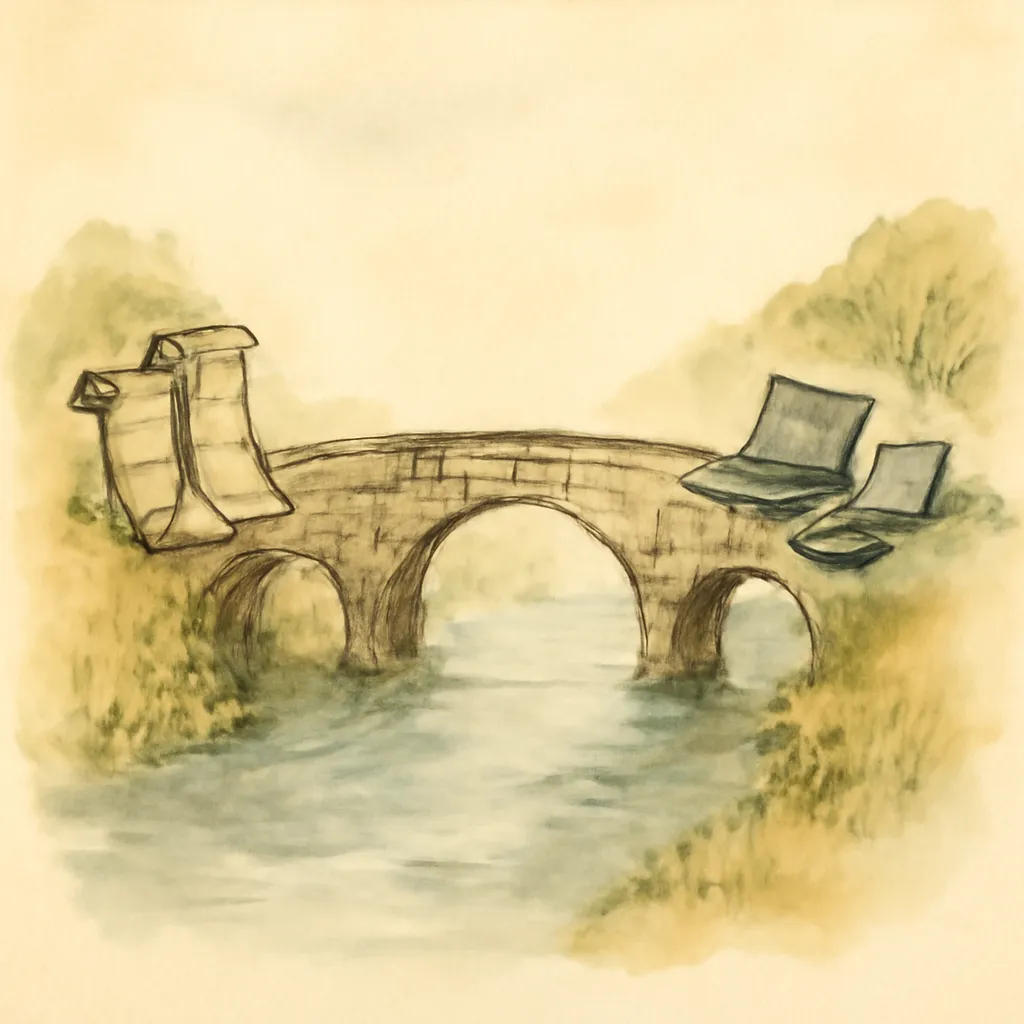
Warburton consistently draws links between historical texts and contemporary issues, showing how philosophical questions about morality, politics, and knowledge remain urgent. This relevance is underscored by discussions of modern thinkers like Rawls and Wittgenstein, bridging the gap between past and present and inviting readers to apply philosophical reasoning to their own lives.
6.Encouraging Philosophical Curiosity
By presenting philosophy as an open-ended exploration rather than a set of dogmas, Warburton encourages readers to ask their own questions and pursue further reading. The book serves as both a map of the philosophical landscape and an invitation to join the journey, making it an ideal starting point for lifelong learning.