1.Classifying the Impossible
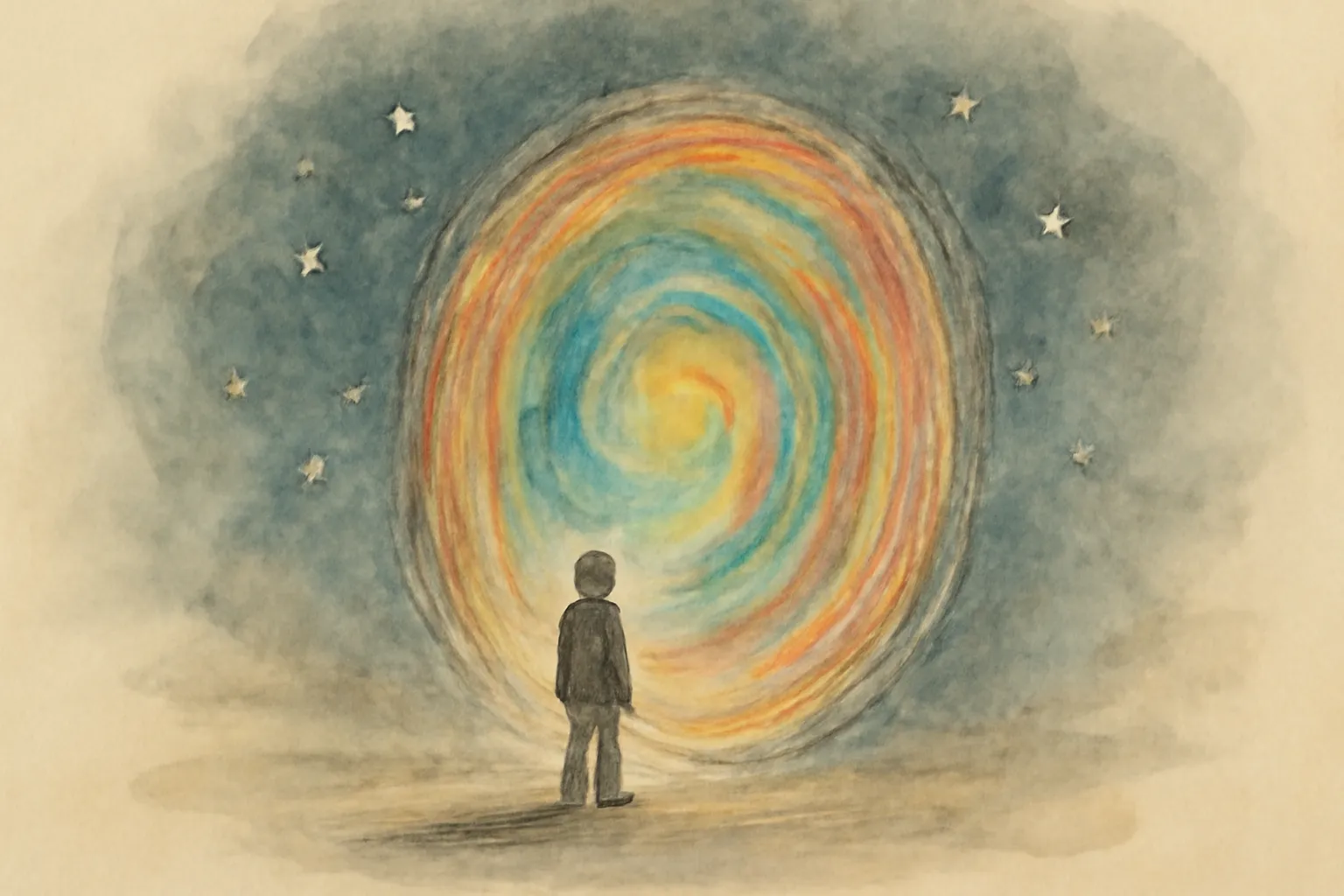
Kaku introduces a unique framework that categorizes 'impossible' technologies into three classes, based on their plausibility and the timescales required for their realization. Class I impossibilities are technologies that don't violate known physical laws and might be achieved within a century, such as invisibility or teleportation. Class II encompasses those that might take millennia, like time travel or faster-than-light travel, while Class III are those that fundamentally contradict our understanding of physics—such as perpetual motion machines. This classification helps readers distinguish between dreams that are simply out of reach for now, and those that may forever remain fantasy.
2.From Fiction to Physics
The book bridges the gap between science fiction and actual scientific research, showing how many ideas once deemed impossible have become everyday realities—think of lasers or atomic energy. Kaku explores the scientific principles behind popular sci-fi concepts, grounding each in real physics. By doing so, he demonstrates that today's fiction can inspire tomorrow's breakthroughs, and that the line between imagination and possibility is often thinner than we think.
3.The Limits of Physical Law
Kaku emphasizes the importance of fundamental physical laws—like the laws of thermodynamics and relativity—in setting boundaries for what is possible. He explains how these laws both constrain and guide scientific innovation, and why some ideas, such as perpetual motion or time machines, face immense theoretical hurdles. Yet, he also highlights how new discoveries can sometimes shift our understanding, suggesting that 'impossible' is a moving target in science.
4.Technologies on the Horizon
The book delves into specific technologies—force fields, invisibility cloaks, telepathy, and more—and assesses their feasibility based on current scientific knowledge. Kaku discusses the progress being made in fields like metamaterials (for invisibility), quantum physics (for teleportation), and neuroscience (for telepathy), providing a realistic appraisal of how close we are to achieving these marvels. He often points to ongoing experiments and theoretical advances that could one day bring these concepts to life.
5.The Role of Imagination in Science
Kaku argues that imagination is a driving force in scientific progress. By taking science fiction seriously, scientists can be inspired to pursue bold ideas and challenge conventional wisdom. The book encourages readers to see the value in creative thinking and to recognize that many of today's technologies were once considered impossible dreams. This perspective fosters a sense of wonder and possibility about the future.
6.Ethics and the Future of the Impossible
While exploring the boundaries of what might be possible, Kaku also touches on the ethical implications of advanced technology. He prompts readers to consider not just whether we can achieve things like mind reading or time travel, but whether we should. This reflection on the societal consequences of scientific progress adds depth to the discussion and invites critical thinking about the future we are building.