1.Kind and Firm Parenting
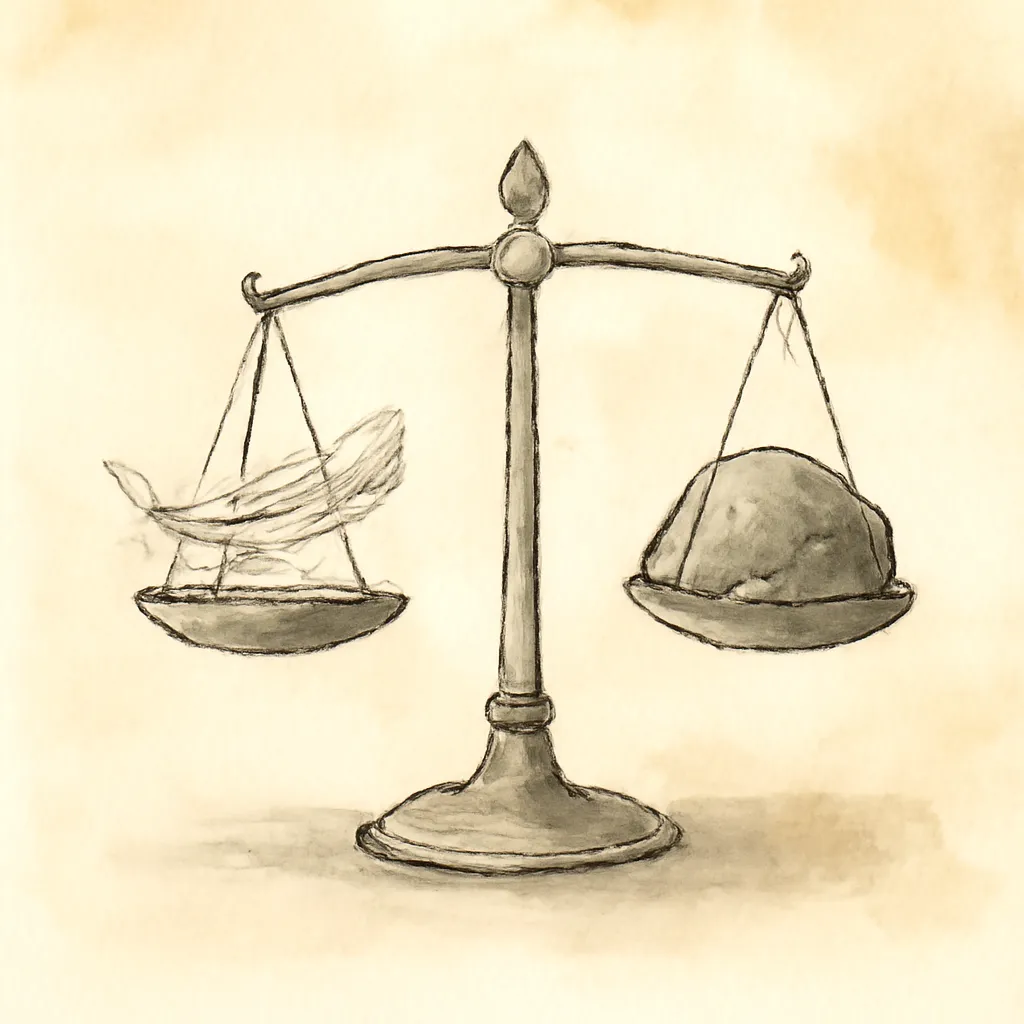
Nelsen emphasizes that effective discipline is both kind and firm at the same time. Instead of harsh punishment or indulgent permissiveness, parents are encouraged to set clear boundaries while treating children with dignity and respect. This balance helps children feel secure and valued, which in turn fosters cooperation and trust. The book provides specific examples and language parents can use to communicate expectations without resorting to threats or bribes.
2.Focus on Solutions, Not Punishment
A core idea is shifting from a punishment mindset to a solutions-oriented approach. When problems arise—whether it's sibling rivalry, bedtime struggles, or homework battles—parents are guided to involve children in finding respectful, practical solutions. This collaborative process teaches problem-solving skills and accountability, rather than simply enforcing compliance through fear or rewards.
3.Encouragement Over Praise
Nelsen distinguishes between encouragement and praise, highlighting that encouragement focuses on effort, improvement, and the process rather than just outcomes. This approach helps children develop intrinsic motivation and a growth mindset. By noticing and affirming children's progress and persistence, parents can nurture self-esteem and resilience.
4.Teaching Life Skills
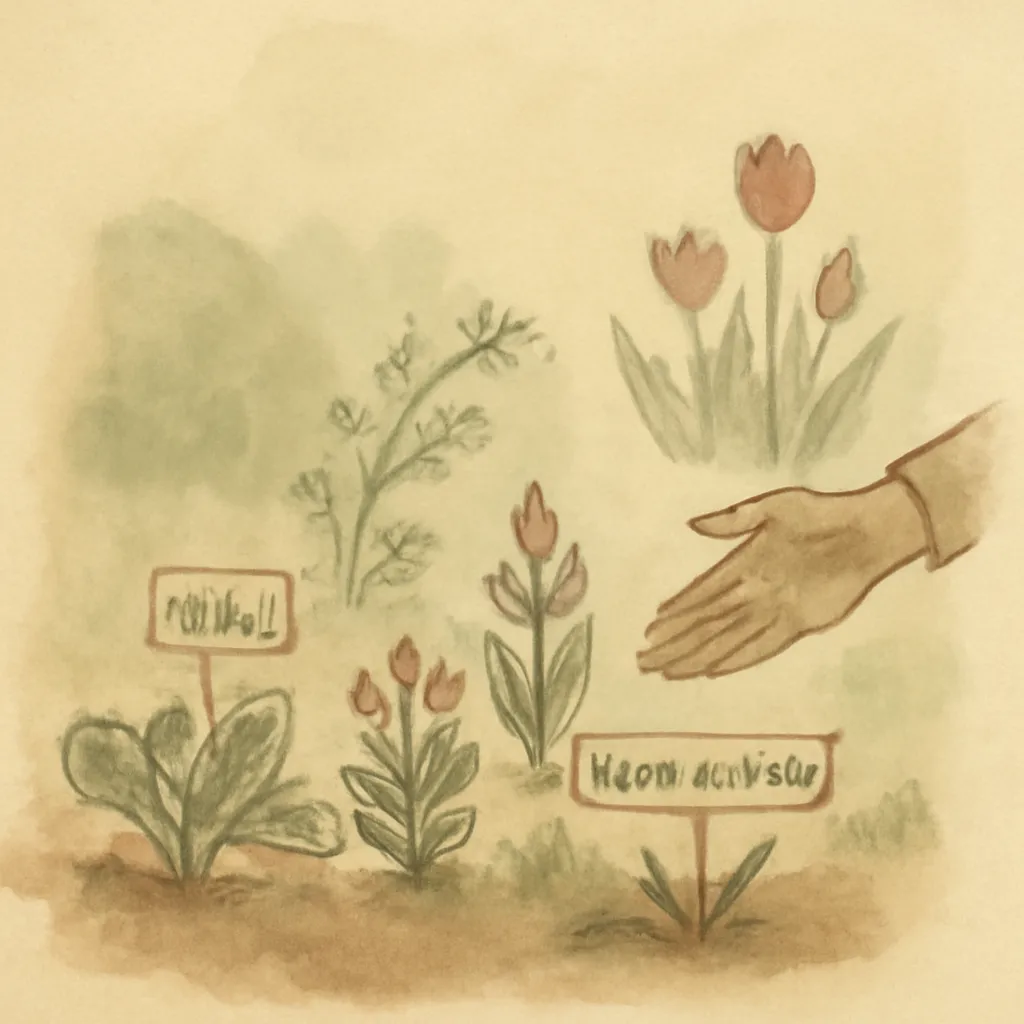
The book stresses that discipline is about teaching, not punishing. Parents are encouraged to use everyday challenges as opportunities to teach valuable life skills such as responsibility, cooperation, and problem-solving. Through consistent routines, involving children in decision-making, and modeling respectful communication, parents help their children grow into capable adults.
5.Long-Term Parenting Perspective
Positive Discipline urges parents to consider the long-term effects of their parenting choices. Rather than seeking quick fixes to stop unwanted behavior, the focus is on nurturing qualities that will serve children throughout their lives—such as self-discipline, empathy, and respect for others. This perspective helps parents stay grounded during difficult moments and make choices aligned with their core values.
6.Handling Modern Challenges
The updated edition addresses contemporary issues like technology use, ADHD, and childhood obesity. Nelsen provides guidance on setting healthy boundaries around screens, supporting children with diverse needs, and fostering healthy habits. The advice is practical, adaptable, and rooted in the same principles of respect and collaboration.