1.Gentrification and Community Identity
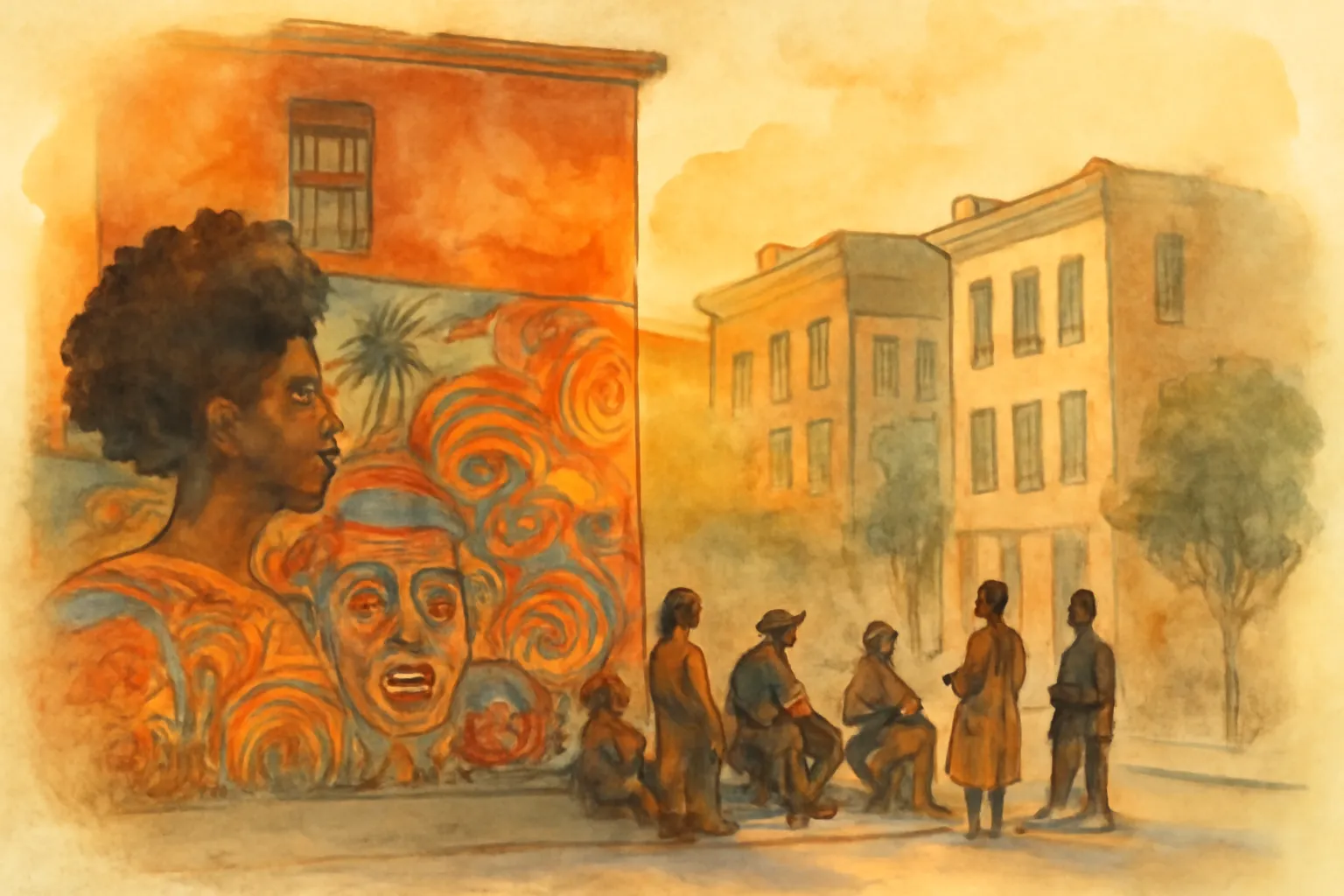
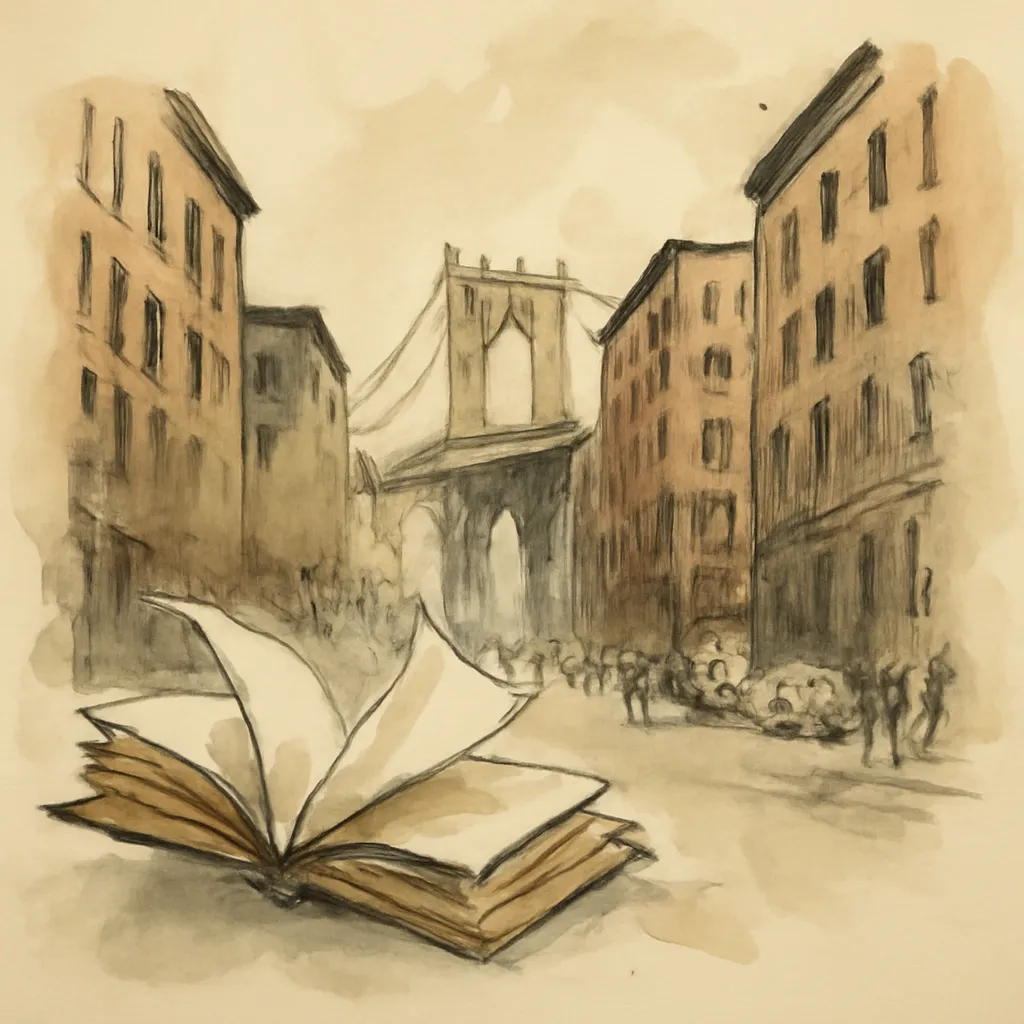
At the heart of Pride is the struggle to preserve cultural identity amid rapid neighborhood change. Zuri Benitez’s Bushwick is not just a backdrop, but a living, breathing character threatened by gentrification. Zoboi explores how new wealth and outsiders disrupt established communities, raising questions about who gets to claim a place as home. The novel asks readers to consider the costs of 'improvement' and the resilience required to maintain heritage and connection.
2.Pride, Prejudice, and Misunderstanding
True to its inspiration, Pride is a story about the dangers of first impressions and the ways pride and prejudice shape relationships. Zuri and Darius’s initial animosity is rooted in assumptions about class, culture, and intent. As their perspectives shift, Zoboi shows how empathy and honest conversation can bridge divides, but also how hard it is to let go of long-held beliefs.
3.Family as Foundation
Zuri’s family is loud, loving, and central to her identity. The Benitez sisters’ dynamic, their parents’ struggles, and their shared dreams ground the novel’s emotional stakes. Zoboi portrays family as both a source of strength and a site of conflict, emphasizing how familial bonds can anchor individuals even as the world around them changes.
4.Cultural Heritage and Self-Expression
Zuri’s Afro-Latino roots are celebrated throughout the narrative, from her poetry to her pride in Bushwick’s traditions. The novel foregrounds the importance of knowing where you come from, and how cultural expression—through food, music, language, and art—serves as resistance against erasure. Zoboi champions the idea that self-expression is both personal and political.
5.Coming of Age Amid Uncertainty
Pride is also a coming-of-age story, with Zuri facing college applications, romantic confusion, and the pressure to define her future. Zoboi captures the uncertainty and hope of adolescence, especially for young people of color navigating societal expectations and limited opportunities. Zuri’s journey is about claiming space for herself, even when the ground is shifting.
6.Reimagining the Classics
By setting Pride and Prejudice in modern Brooklyn, Zoboi invites readers to see how classic narratives can be revitalized to reflect new voices and realities. This adaptation is not just homage, but a statement: stories of love, class, and belonging are universal, but context matters. Zoboi’s retelling is both respectful and radically new.