1.Radical Truth and Radical Transparency
Dalio argues that the foundation of effective organizations—and personal growth—is a culture where people are encouraged to speak honestly and openly. Radical truth means facing reality as it is, not as you wish it to be. Radical transparency ensures that information flows freely, reducing misunderstandings and enabling better decision-making. This approach can be uncomfortable, but Dalio maintains that it leads to trust, faster learning, and fewer costly mistakes.
2.Life as a Series of Machines
Dalio conceptualizes life, organizations, and even personal habits as machines—systems with inputs, processes, and outputs. By observing how these 'machines' function, identifying what works and what doesn’t, and then tweaking the system, you can achieve better results over time. This mindset encourages detachment from ego and emotion, focusing instead on objective diagnosis and improvement.
3.The Five-Step Process to Success
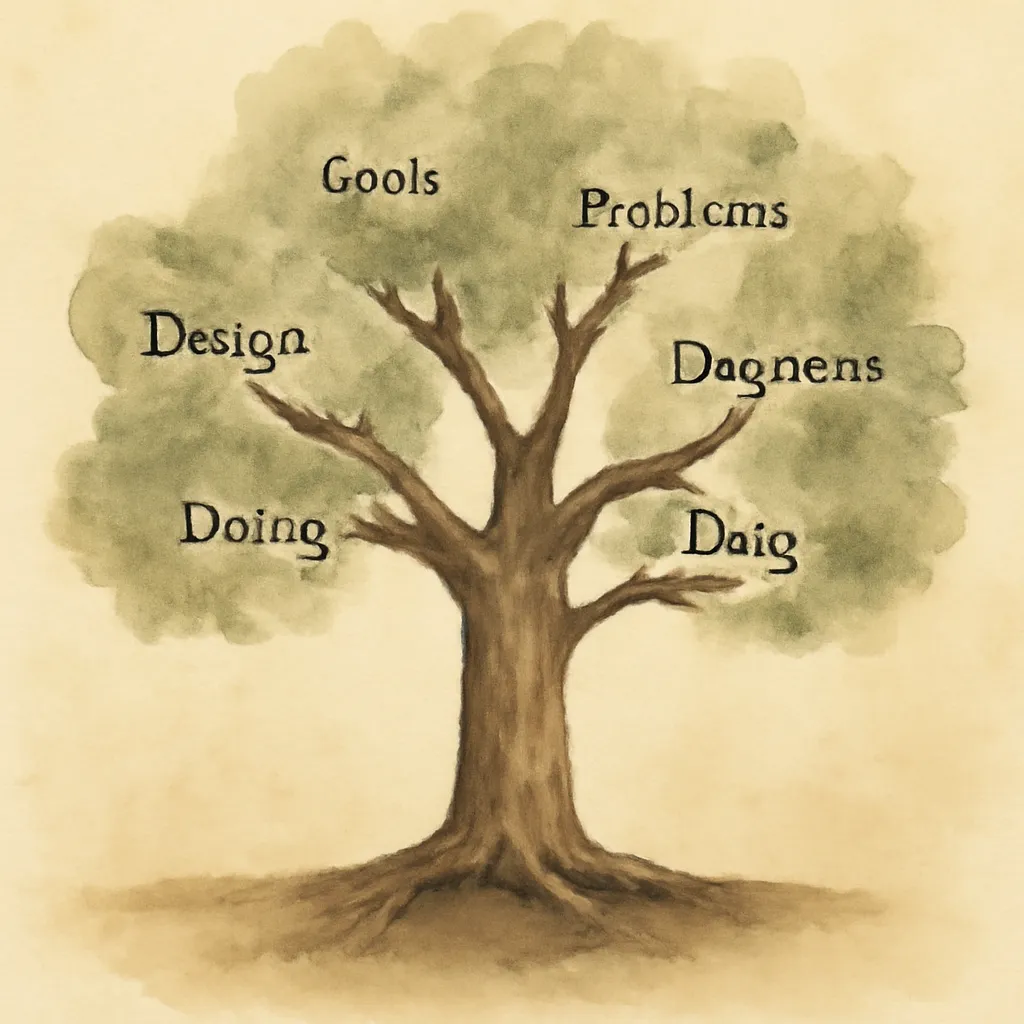
Dalio distills his approach into a repeatable five-step process: 1) Set clear goals, 2) Identify and don’t tolerate problems, 3) Diagnose problems to get at their root causes, 4) Design plans to get around those problems, and 5) Do what’s necessary to push these designs through to results. This process is the backbone of his personal and professional achievements and is presented as universally applicable.
4.Embracing Failure as Feedback
A core theme is that mistakes and failures are not to be feared or hidden but embraced as valuable learning opportunities. Dalio encourages readers to analyze their failures systematically, extracting lessons and updating their principles accordingly. This mindset shift transforms setbacks into stepping stones for growth and innovation.
5.Meritocracy and Believability-Weighted Decision Making
Dalio’s organizations operate as idea meritocracies, where the best ideas win out regardless of hierarchy. He introduces the concept of 'believability-weighted' decision making, where opinions are weighted based on a person’s track record and expertise. This system aims to reduce bias and improve outcomes by leveraging collective intelligence rather than deferring to authority alone.
6.Systematizing Principles for Consistency
Dalio advocates for explicitly writing down your principles and using them as decision-making tools. By codifying what works, you create a personal operating manual that brings consistency and clarity to complex situations. This practice also enables organizations to scale their culture and decision quality as they grow.