1.A Chance Encounter Changes Everything
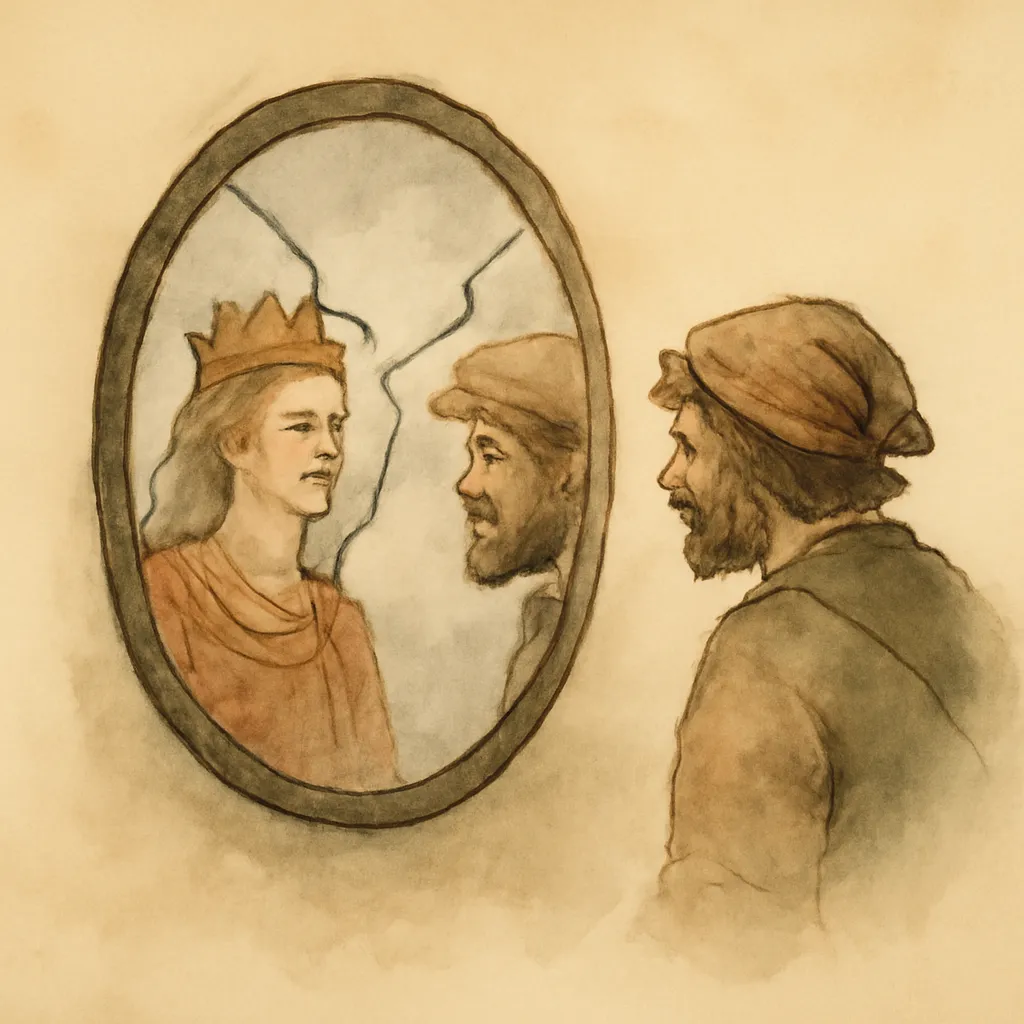
Rudolf Rassendyll, a carefree Englishman, embarks on a journey to Ruritania, a kingdom steeped in political intrigue and royal lineage. His life takes a dramatic turn when he meets the King of Ruritania, Rudolf V, who bears an uncanny resemblance to him. This chance encounter sets off a chain of events that sees Rassendyll drawn into a web of royal duty and deception. The stark contrast between Rassendyll's leisurely life and the weight of the king's responsibilities highlights the theme of identity and the burdens that come with power. The initial meeting not only foreshadows the impersonation that will follow but also introduces the reader to the precarious nature of royal life, where appearances can be deceiving and loyalty can waver.
2.The Perils of Impersonation
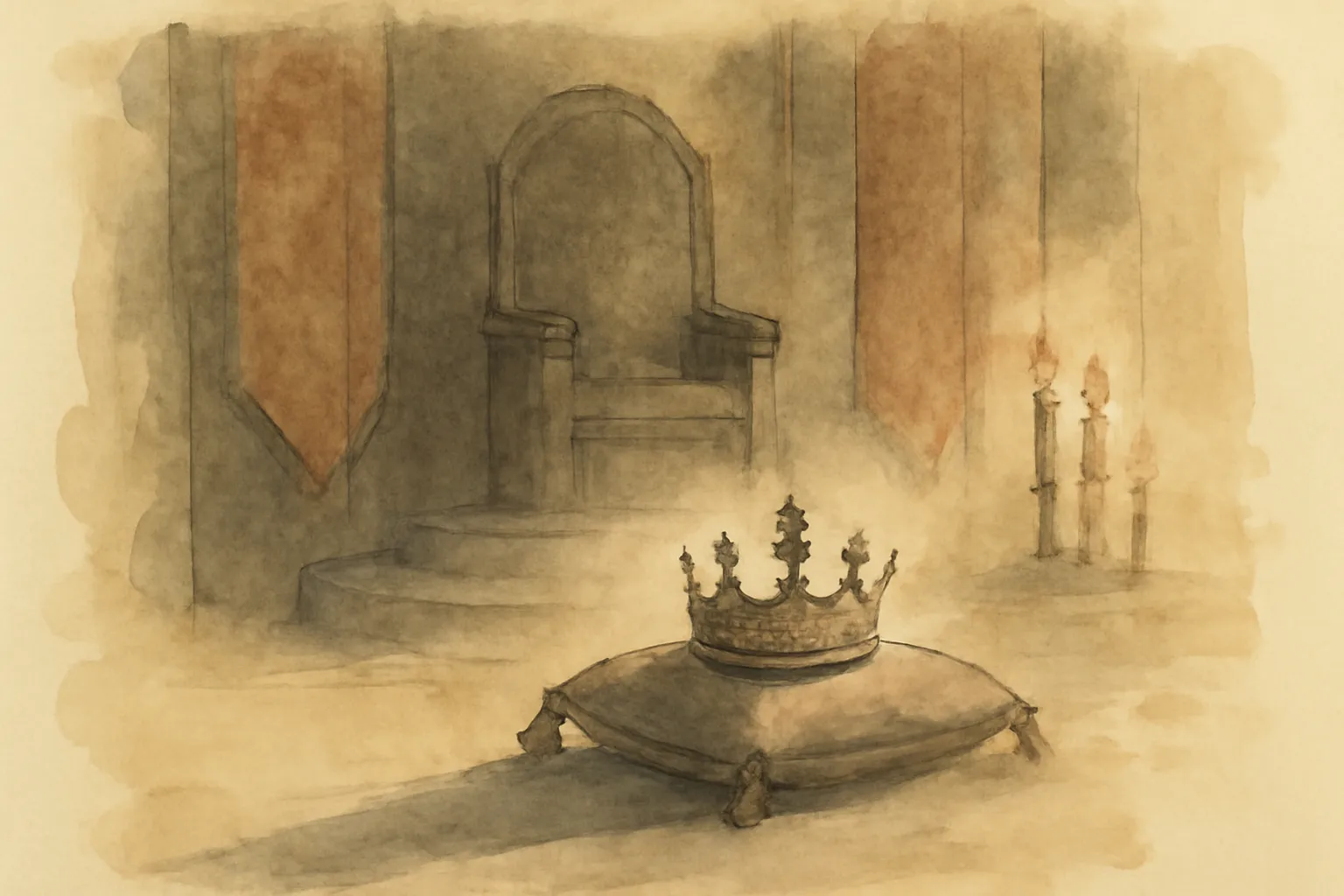
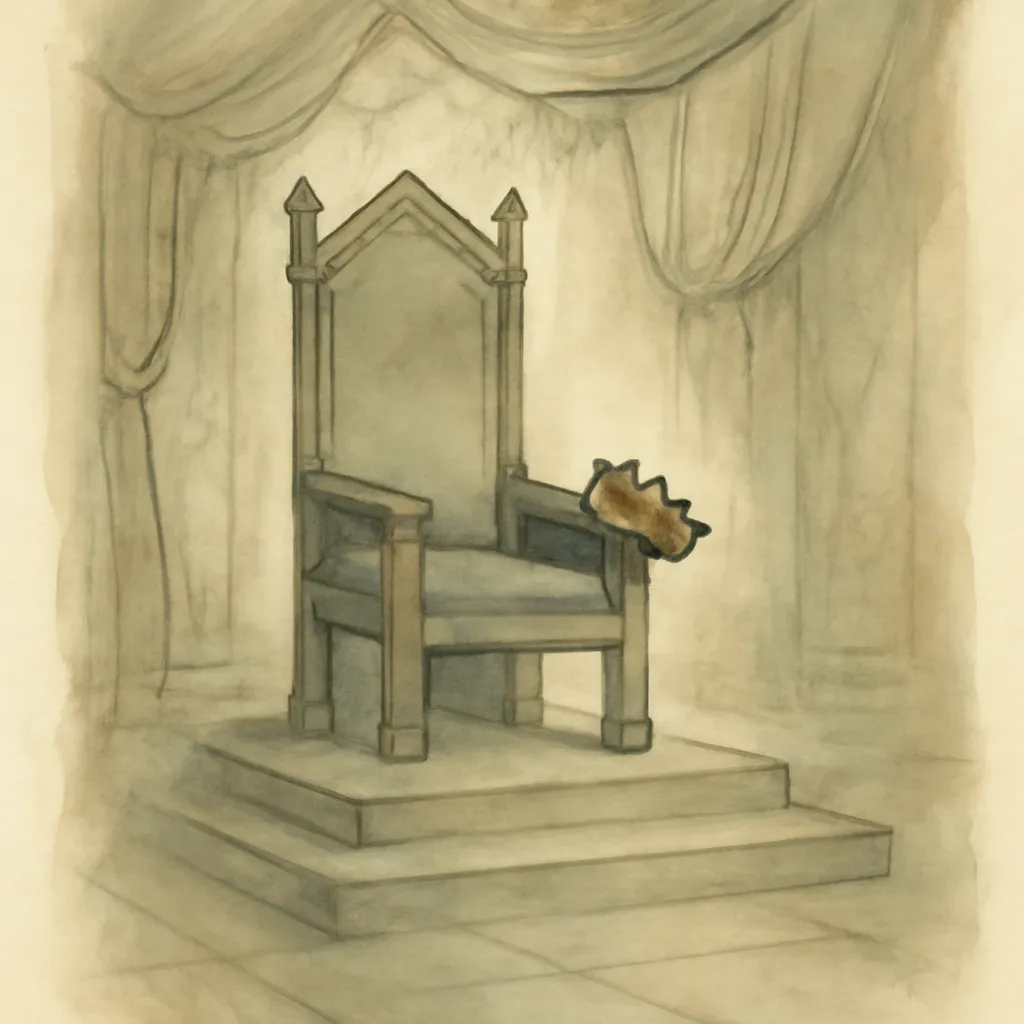
When King Rudolf is incapacitated, Rassendyll is persuaded to take his place for the coronation ceremony. The gravity of this decision weighs heavily on him, as he must navigate the complexities of royal life while maintaining the façade of being the king. This situation presents a unique exploration of identity, as Rassendyll must embody the king's persona while grappling with his own moral compass. The tension escalates as Rassendyll realizes that his actions could have dire consequences for the kingdom, especially with the scheming Duke Michael lurking in the shadows. The duality of Rassendyll's character—both as a man of leisure and a reluctant monarch—adds depth to the narrative, illustrating the challenges of leadership and the sacrifices one must make for the greater good.
3.Loyalty and Betrayal in the Court
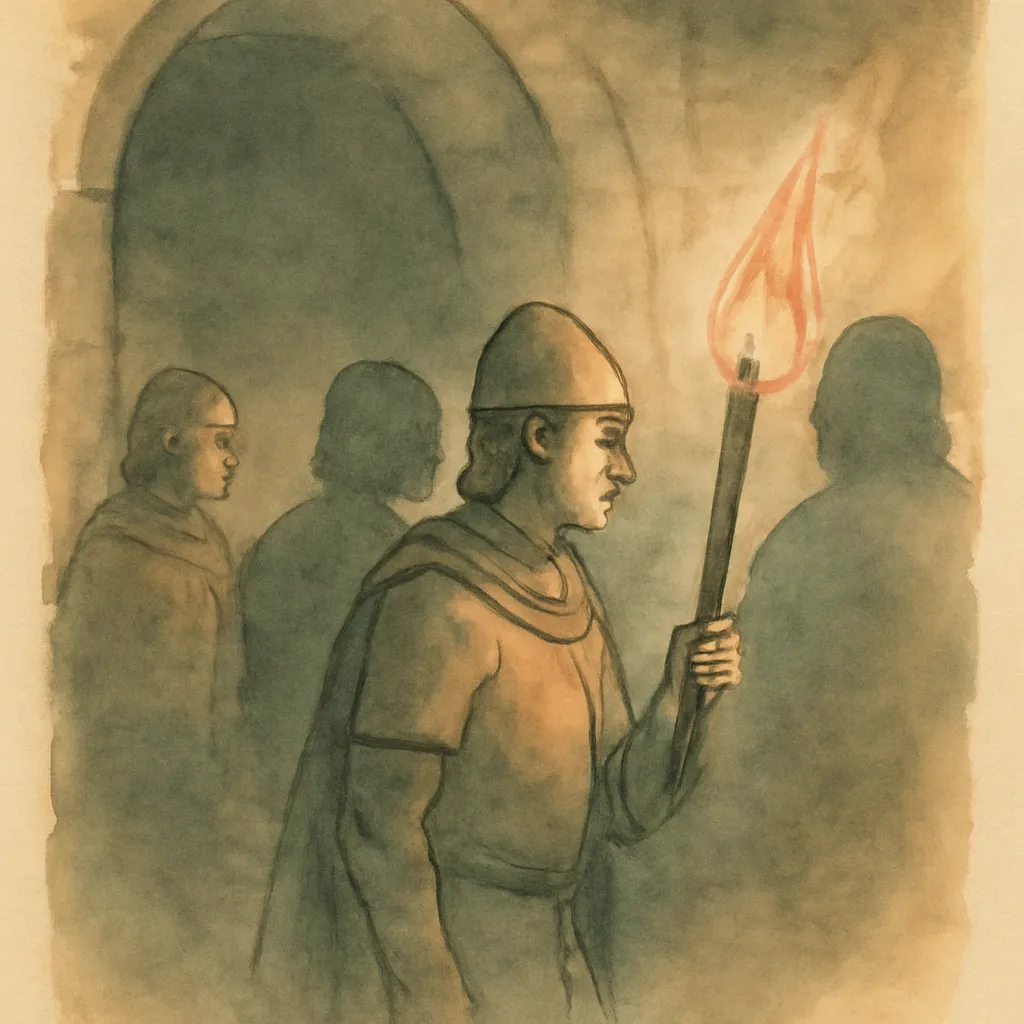
The dynamics of loyalty and betrayal are central to The Prisoner of Zenda, as Rassendyll navigates the treacherous waters of the Ruritanian court. Characters such as Colonel Sapt and Fritz von Tarlenheim exemplify unwavering loyalty to the king, providing Rassendyll with the support he needs to maintain his ruse. However, the presence of Duke Michael introduces a formidable antagonist whose ambition knows no bounds. Michael's machinations to usurp the throne reveal the darker side of political ambition, where personal gain often trumps loyalty to family and country. This conflict not only heightens the stakes for Rassendyll but also serves as a commentary on the nature of power and the lengths individuals will go to achieve their desires. The interplay of loyalty and betrayal creates a rich backdrop for the unfolding drama, keeping readers on the edge of their seats.
4.A Royal Romance Amidst Chaos
As Rassendyll steps into the role of the king, he finds himself drawn to Princess Flavia, the king's betrothed. Their developing romance adds an emotional layer to the narrative, as Rassendyll grapples with his feelings while knowing that he is living a lie. The tension between duty and desire is palpable, as Rassendyll must balance his growing affection for Flavia with the reality of his impersonation. This romance serves as a poignant reminder of the personal sacrifices made in the name of duty and the complexities of love in a world governed by political machinations. Flavia's character embodies the ideals of loyalty and love, making her a compelling counterpart to Rassendyll's internal struggles. The romantic subplot enriches the story, providing readers with a heartfelt connection amidst the political turmoil.
5.The Castle of Zenda: A Symbol of Imprisonment
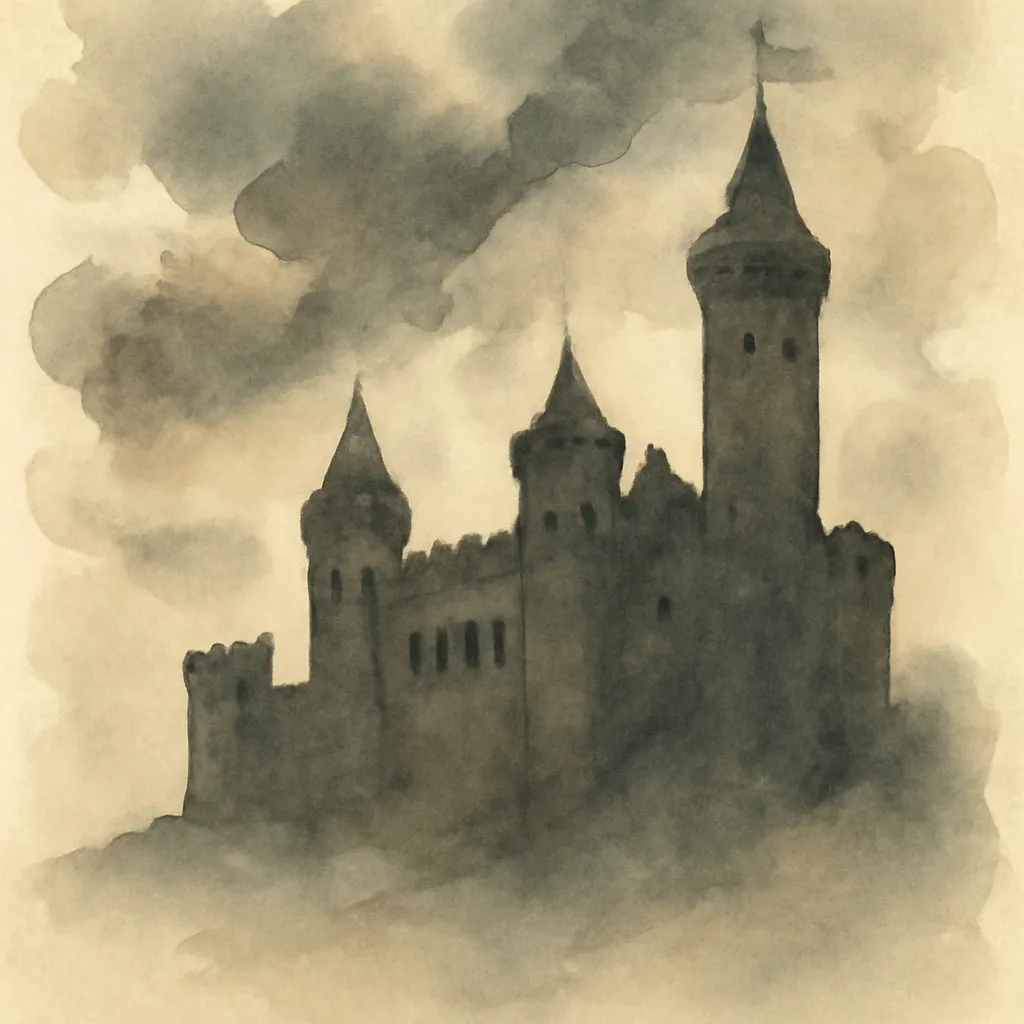
The Castle of Zenda serves as a powerful symbol throughout the novel, representing both physical and emotional imprisonment. It is here that the true king is held captive by Duke Michael, and the castle's imposing structure reflects the weight of the political strife occurring within Ruritania. Rassendyll's eventual journey to the castle to rescue the king showcases the lengths he is willing to go to uphold justice and restore order. The castle's isolation and fortifications highlight the themes of entrapment and the struggle for freedom, both for the king and for Rassendyll himself. This setting is pivotal, as it is where the climax of the story unfolds, culminating in a dramatic confrontation that tests Rassendyll's resolve and courage. The castle's dual role as a prison and a stronghold adds a layer of complexity to the narrative, making it a key player in the unfolding drama.
6.The Power of Deception and Identity
Rassendyll's journey is a profound exploration of deception and identity, as he must reconcile his true self with the role he plays as the king. The constant threat of exposure looms over him, creating an atmosphere of tension and suspense. This theme is mirrored in the actions of Duke Michael, who embodies the darker aspects of ambition and deception. As Rassendyll navigates the court, he must constantly adapt to the expectations placed upon him, blurring the lines between reality and pretense. The novel raises important questions about the nature of identity: Can one truly inhabit another's life without losing oneself in the process? Rassendyll's experiences challenge the notion of authenticity, as he learns that sometimes, the roles we play can reveal deeper truths about ourselves.
7.Friendship and Camaraderie in Crisis
Amidst the chaos of political intrigue, the bonds of friendship are tested and strengthened. Rassendyll's relationships with characters like Colonel Sapt and Fritz von Tarlenheim illustrate the importance of loyalty and camaraderie in times of crisis. These friendships provide Rassendyll with the support and guidance he needs to navigate the treacherous landscape of Ruritania. The camaraderie shared among these characters highlights the theme of collective action against tyranny, as they work together to thwart Duke Michael's plans. Their unwavering loyalty serves as a reminder that even in the darkest of times, the bonds of friendship can be a source of strength and resilience. This theme resonates throughout the narrative, emphasizing the power of unity in the face of adversity.
8.The Climax: A Battle of Wits and Will
The climax of The Prisoner of Zenda unfolds in a dramatic confrontation between Rassendyll and Duke Michael, culminating in a battle of wits that tests their respective resolves. Rassendyll's ingenuity and courage are put to the ultimate test as he orchestrates a daring rescue mission to save the true king from the castle. This moment is rife with tension, as the stakes have never been higher—failure could mean the loss of the crown and the lives of those he holds dear. The encounter showcases Rassendyll's growth as a character, transforming from a carefree Englishman into a decisive leader willing to risk everything for justice. The resolution of this conflict serves as a powerful commentary on the nature of good versus evil, illustrating that courage and honor can triumph over treachery and ambition. This pivotal moment solidifies the novel's themes of identity and sacrifice, leaving readers breathless with anticipation.
9.Love and Sacrifice: The Final Decisions
As the dust settles after the climactic events, Rassendyll faces a heart-wrenching decision regarding his future with Princess Flavia. Their love, forged amidst deception and danger, is tested by the realities of their respective roles as king and commoner. Rassendyll's ultimate sacrifice—choosing to step back and allow the true king to reclaim his throne—underscores the theme of selflessness and duty. This poignant conclusion serves as a reminder that love can manifest in many forms, and sometimes, the greatest act of love is letting go. Flavia's character embodies the ideals of loyalty and resilience, standing by Rassendyll even as they are forced apart. The emotional weight of this decision resonates with readers, highlighting the complexities of love in a world fraught with political intrigue and personal sacrifice.
10.The Legacy of Rassendyll's Adventure
The Prisoner of Zenda leaves readers with a lasting legacy of adventure, romance, and the exploration of identity. Rassendyll's journey serves as a timeless reminder of the complexities of human nature and the choices that define us. The novel's rich tapestry of characters and the intricate plot intertwine to create a narrative that is both thrilling and thought-provoking. Through Rassendyll's experiences, readers are invited to reflect on the nature of leadership, loyalty, and the sacrifices required for the greater good. The story's enduring popularity speaks to its universal themes, resonating with audiences across generations. In a world where power dynamics and personal relationships are ever-evolving, The Prisoner of Zenda remains a poignant exploration of the human condition, leaving an indelible mark on the landscape of adventure literature.