Describes the main causes of procrastination, discusses fears of failure, separation, and attachment, and gives advice on time management, goal setting, and stress.
Unpacking the roots of procrastination—and practical ways to break free.
If you’ve ever wondered why you put things off, even when you know it hurts you, this book offers more than just quick fixes. Burka and Yuen dig deep into the emotional and psychological causes of procrastination, helping readers understand their own patterns and offering concrete strategies to change. You'll come away with both insight and actionable tools to reclaim your time and confidence.
Jane B. Burka is a clinical psychologist with decades of experience studying and treating procrastination. Her expertise, combined with co-author Lenora M. Yuen, brings both academic rigor and therapeutic insight to the book.
Key ideas
1.Procrastination Is Not Just Poor Time Management
Burka and Yuen argue that procrastination is rarely about laziness or lack of discipline. Instead, it often stems from deeper psychological issues—such as fear of failure, fear of success, or even fear of separation from others. By reframing procrastination as a complex emotional response rather than a simple bad habit, the book encourages readers to look beyond surface-level solutions and address the underlying anxieties that drive their delays.
2.The Role of Fear: Failure, Success, and Judgment
A central theme is that procrastinators are often driven by fear—fear of failing and being judged, but also fear of succeeding and the expectations that come with it. These fears can be paralyzing, leading to avoidance as a way to protect self-esteem. The book explores how these fears manifest in everyday life and how recognizing them is the first step toward overcoming procrastination.
3.Perfectionism and All-or-Nothing Thinking
Perfectionism is a common trait among procrastinators. The authors explain how setting unrealistically high standards or engaging in all-or-nothing thinking can make starting or finishing tasks feel overwhelming. This mindset traps people in a cycle of avoidance and guilt. The book offers strategies to challenge perfectionistic thinking and cultivate a more forgiving, realistic approach to work.
4.The Influence of Early Experiences and Family Dynamics
Burka and Yuen delve into how childhood experiences and family expectations shape procrastination habits. For example, overbearing or critical parents can contribute to a fear of judgment, while permissive environments may not foster self-discipline. Understanding these roots helps readers see their procrastination as a learned response, not a fixed character flaw, and opens the door to change.
5.Practical Tools: Time Management and Goal Setting
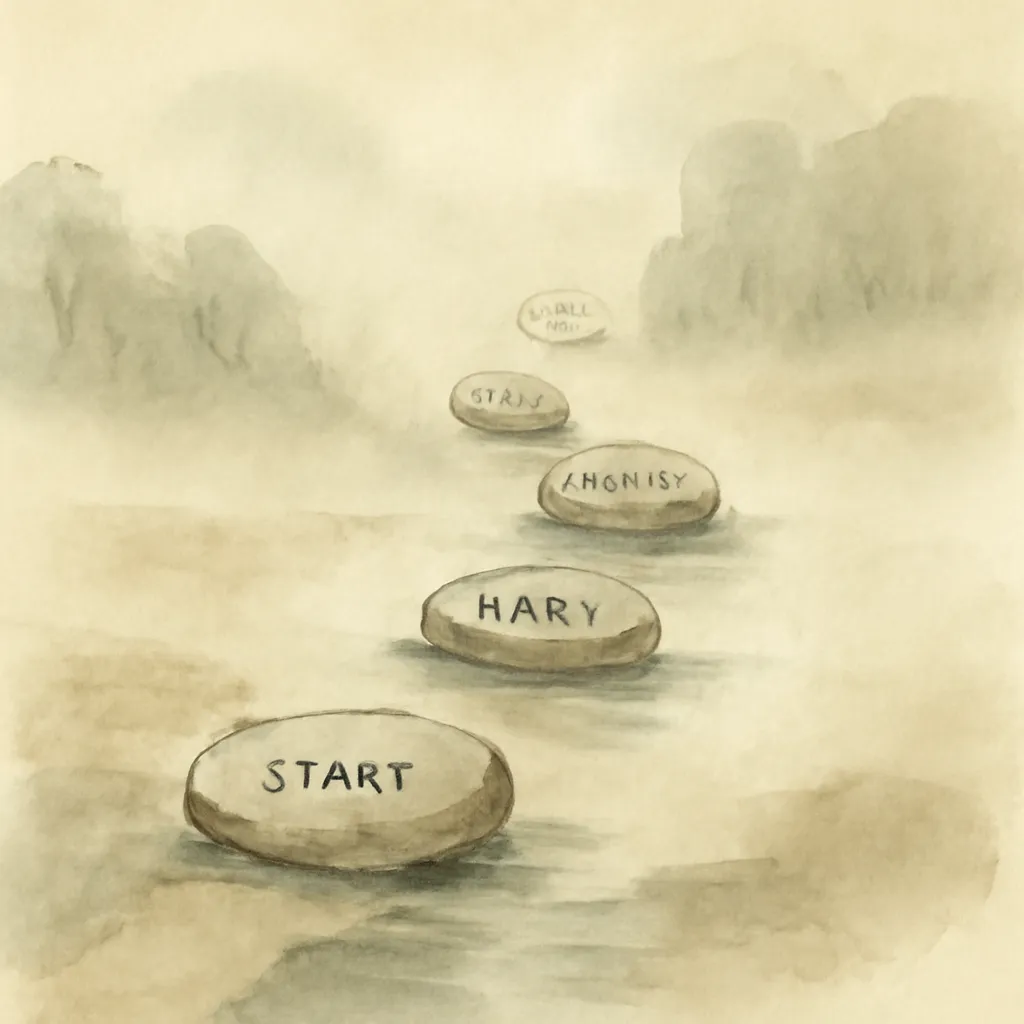
While the book is rich in psychological insight, it also provides practical advice. Techniques like breaking tasks into smaller steps, setting specific goals, and using external accountability are covered. The authors stress that these tools are most effective when paired with an understanding of one’s emotional triggers, making change both sustainable and compassionate.
6.Building Self-Compassion and Resilience
A key takeaway is the importance of self-compassion in overcoming procrastination. Rather than berating themselves, readers are encouraged to approach their struggles with curiosity and kindness. This shift not only reduces shame but also builds resilience, making it easier to face challenges and setbacks without reverting to old habits.
Key takeaways
◆Procrastination is often rooted in fear, not laziness.
◆Perfectionism can be a major obstacle to getting started.
◆Understanding your personal triggers is key to change.
◆Practical strategies work best when paired with self-awareness.
◆Self-compassion helps break the cycle of avoidance and guilt.
In conclusion
Burka and Yuen’s book stands out by blending psychological insight with practical advice, making it a valuable resource for anyone struggling with procrastination. By addressing the emotional roots of delay and offering compassionate, actionable steps, the book empowers readers to make lasting changes. If you’re looking for more than just tips—and want to understand yourself better in the process—this book is a thoughtful and effective guide.
Notable quotes
“Procrastination is not a problem of time management, but a problem of emotional management.”
“The dread of doing a task uses up more time and energy than doing the task itself.”