1.The Duality of Human Nature
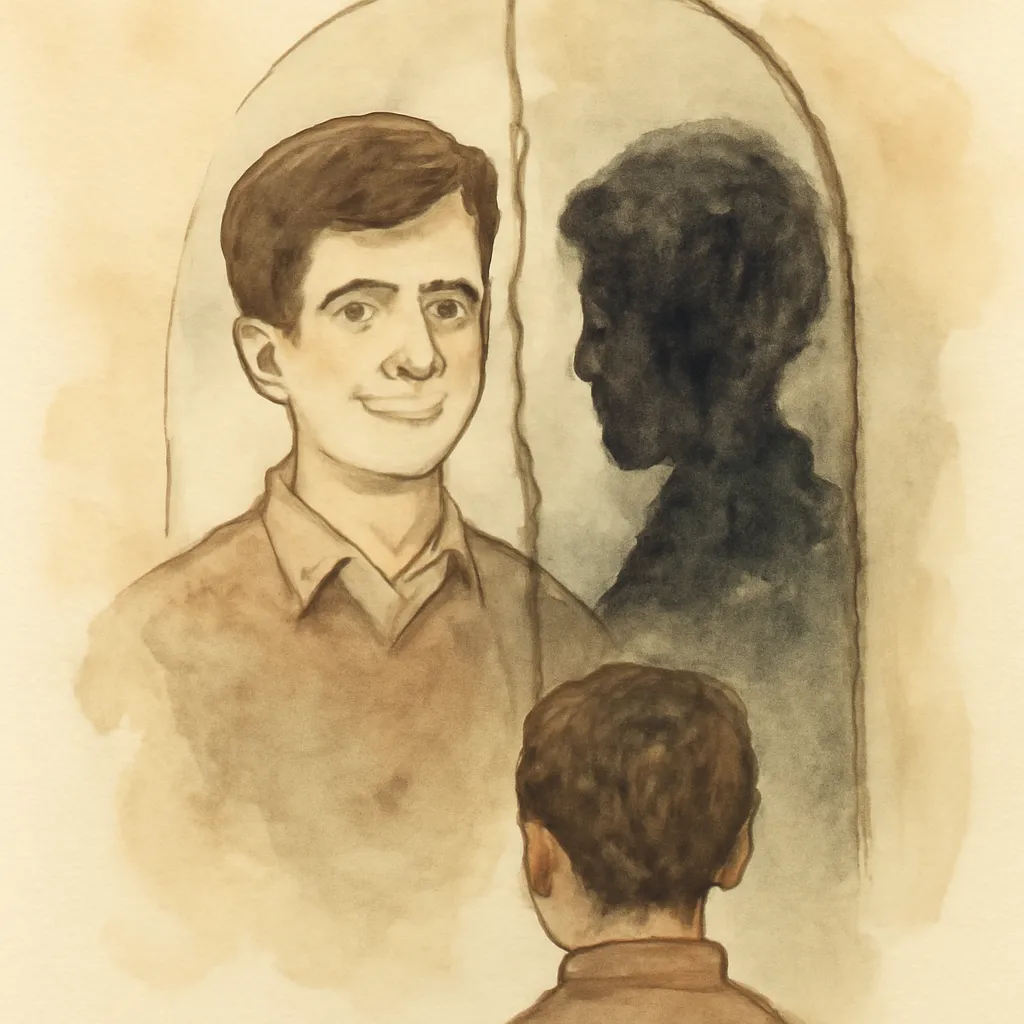
Psycho delves deeply into the theme of duality, showing how ordinary people can harbor extraordinary darkness. Norman Bates, the central character, embodies this split: outwardly meek and polite, inwardly tormented by violent impulses and a fractured psyche. The novel suggests that the capacity for evil exists alongside normalcy, and that the line between sanity and madness is disturbingly thin.
2.The Unreliability of Appearances
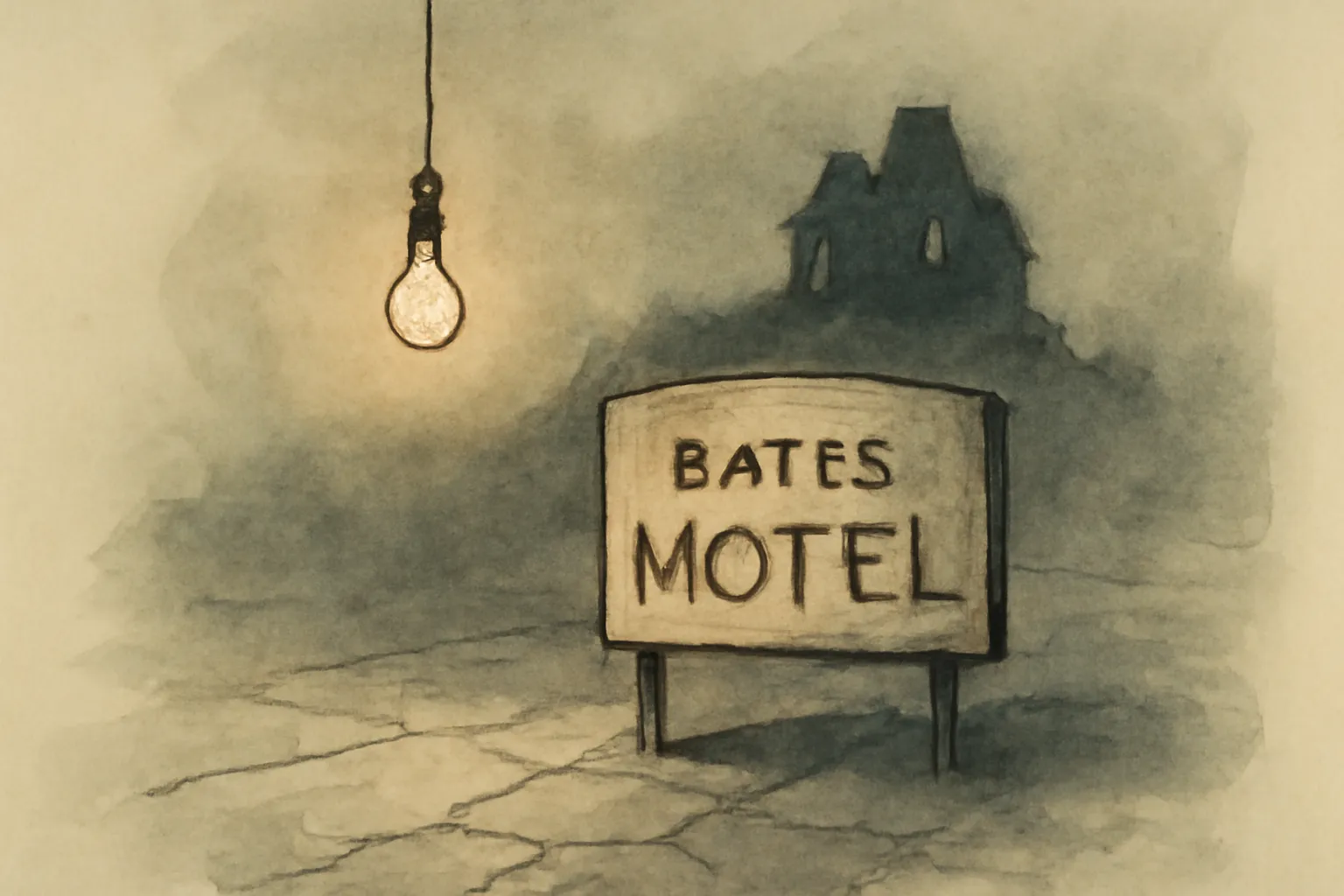
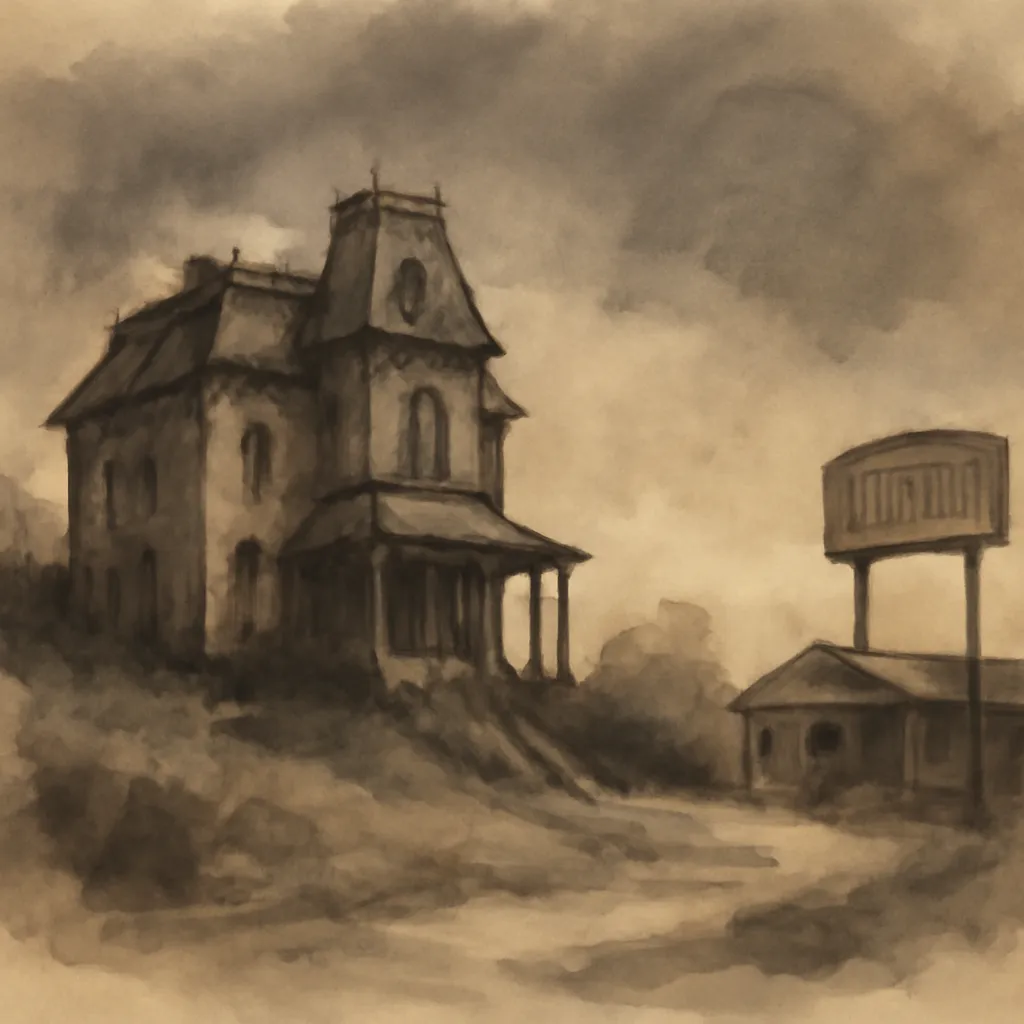
Bloch masterfully manipulates reader expectations by presenting characters and settings that seem safe or mundane, only to reveal the horror lurking beneath. The Bates Motel, with its unassuming facade, becomes a stage for unspeakable acts. This idea warns readers to question what is taken for granted and to recognize that evil often hides in plain sight.
3.Psychological Horror Over Supernatural
Unlike many horror novels of its era, Psycho eschews the supernatural in favor of psychological terror. The true horror comes from the mind—its capacity for denial, repression, and delusion. By rooting the story in mental illness and trauma, Bloch makes the terror feel more immediate and plausible, intensifying its impact.
4.Isolation and Vulnerability
Isolation is a recurring motif, both physical and emotional. The characters are cut off from help—Marion Crane is alone on the run, Norman is isolated by his circumstances and mind, and the motel itself is remote. This isolation amplifies their vulnerability, making the violence and suspense more acute and the reader’s sense of dread more palpable.
5.The Power of Obsession
Obsession drives the narrative, from Marion’s desperate flight with stolen money to Norman’s compulsive attachment to his mother. These obsessions distort reality and lead to destructive choices. Bloch uses obsession to explore how unchecked desires and fixations can spiral into tragedy and horror.
6.Subversion of Genre Expectations
Psycho famously upends the conventions of the thriller and horror genres. By abruptly shifting focus from the apparent protagonist to Norman, and by revealing the true nature of the crimes late in the story, Bloch unsettles readers and keeps them off-balance. This subversion has influenced countless works since, making Psycho a blueprint for modern psychological suspense.