1.Puck as a Guide to History
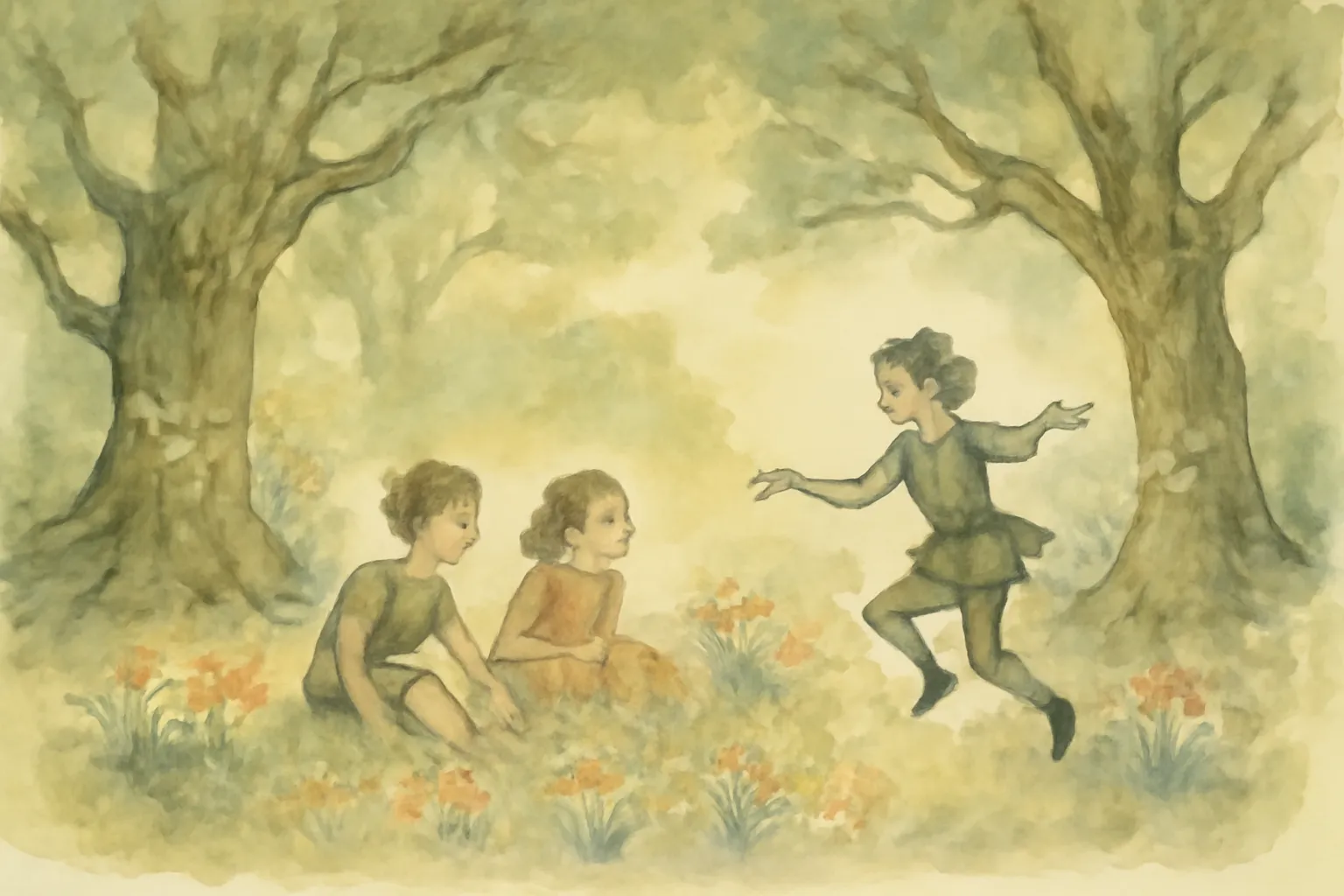
Puck serves as the embodiment of England's folklore, acting as a bridge between the modern world and its storied past. As a mischievous fairy, he possesses the ability to transport Una and Dan through time, allowing them to witness key historical events and figures. Puck's playful demeanor contrasts with the gravity of the tales shared, which range from the heroic to the tragic. This duality enriches the narrative, as Puck teaches the children—and the readers—that history is not just a series of dates and events but a collection of stories filled with human emotion and experience. Through Puck's eyes, the children learn to appreciate the complexities of their heritage, making history feel alive and relevant. The whimsical nature of Puck’s character allows for a blend of humor and profundity, capturing the essence of human experiences that are often overlooked in traditional historical accounts.
2.The Legacy of Weland's Sword
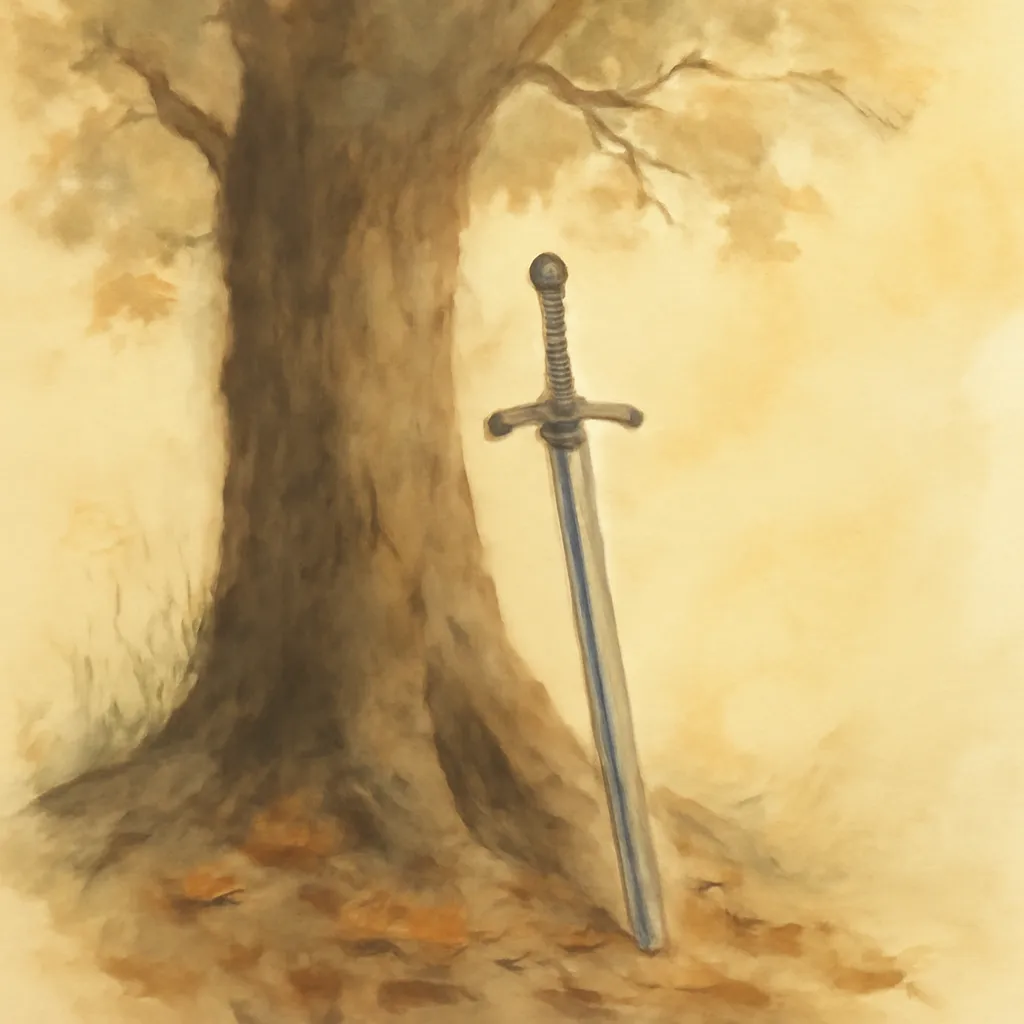
One of the most captivating tales revolves around Weland the Smith, a legendary figure whose sword becomes a symbol of honor and legacy. Sir Richard Dalyngridge recounts the story of how Weland's craftsmanship and the sword's journey reflect the values of bravery and loyalty. The sword, once a tool for battle, transforms into a narrative device that illustrates the shifting dynamics of power and allegiance throughout history. Sir Richard's retelling emphasizes how the sword was not merely a weapon but a representation of his identity and his connection to his ancestors. As the children learn about the sword's significance, they realize that objects can carry stories that reflect the ideals and struggles of those who wielded them. This tale emphasizes the importance of remembering the past and understanding how it shapes personal and collective identities. The sword, with its deep gouges from past battles, serves as a tangible reminder of the sacrifices made by those who came before, urging readers to honor their lineage.
3.Interplay of Cultures
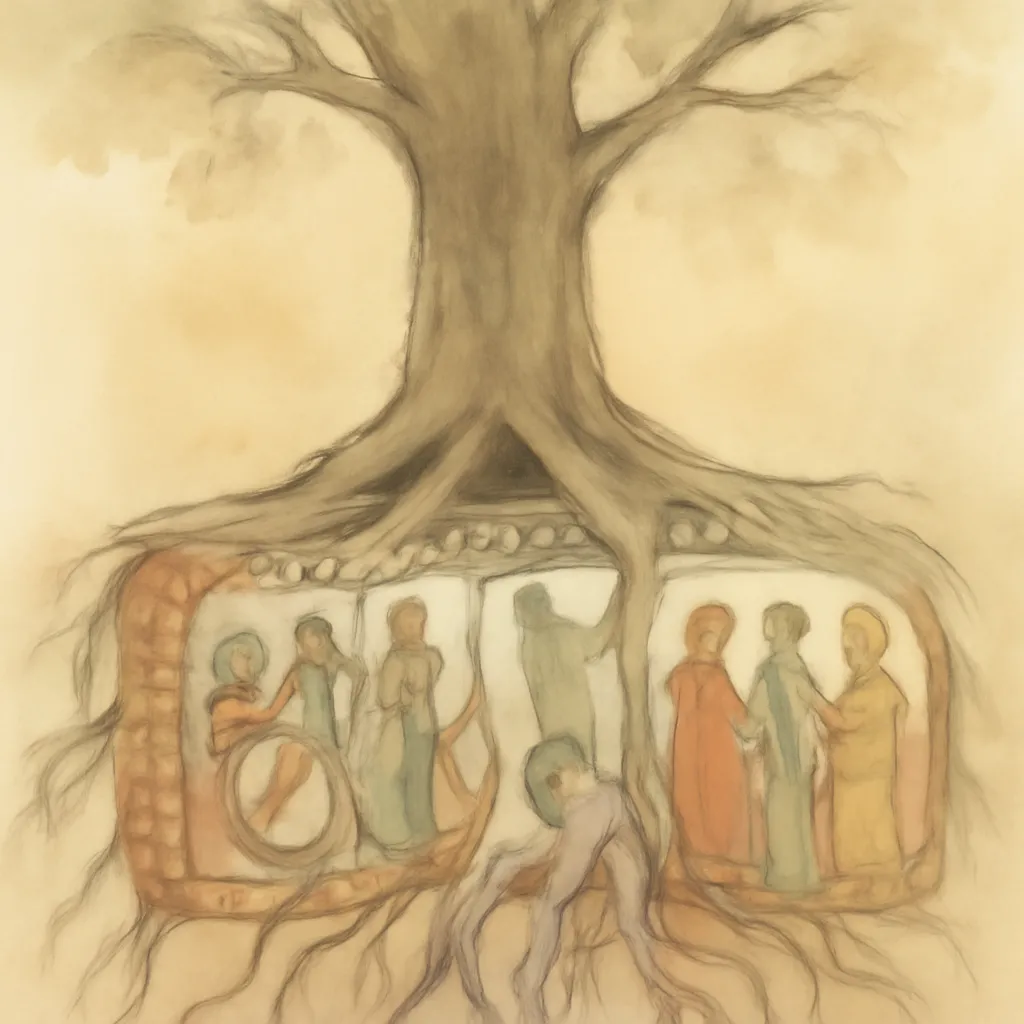
Kipling explores the rich interplay of cultures through the encounters of Una and Dan with various historical figures, including Saxons, Normans, and Vikings. Each character represents a different facet of England's diverse heritage, showcasing how these cultures influenced one another over time. For example, the story of Sir Richard illustrates the complexities of Norman conquest and Saxon resistance, shedding light on the struggles for power and the blending of traditions. The children’s interactions with these figures reveal the common threads of humanity that bind people across different epochs. The contrasts between the Norman and Saxon perspectives allow for deeper discussions about loyalty, identity, and the consequences of conflict. Kipling suggests that understanding these cultural interactions is essential to comprehending the formation of modern Britain, highlighting the importance of dialogue and cooperation among diverse groups. By presenting history as a tapestry woven from various threads, he emphasizes that each culture has contributed to the richness of the English identity.
4.Nature as a Character
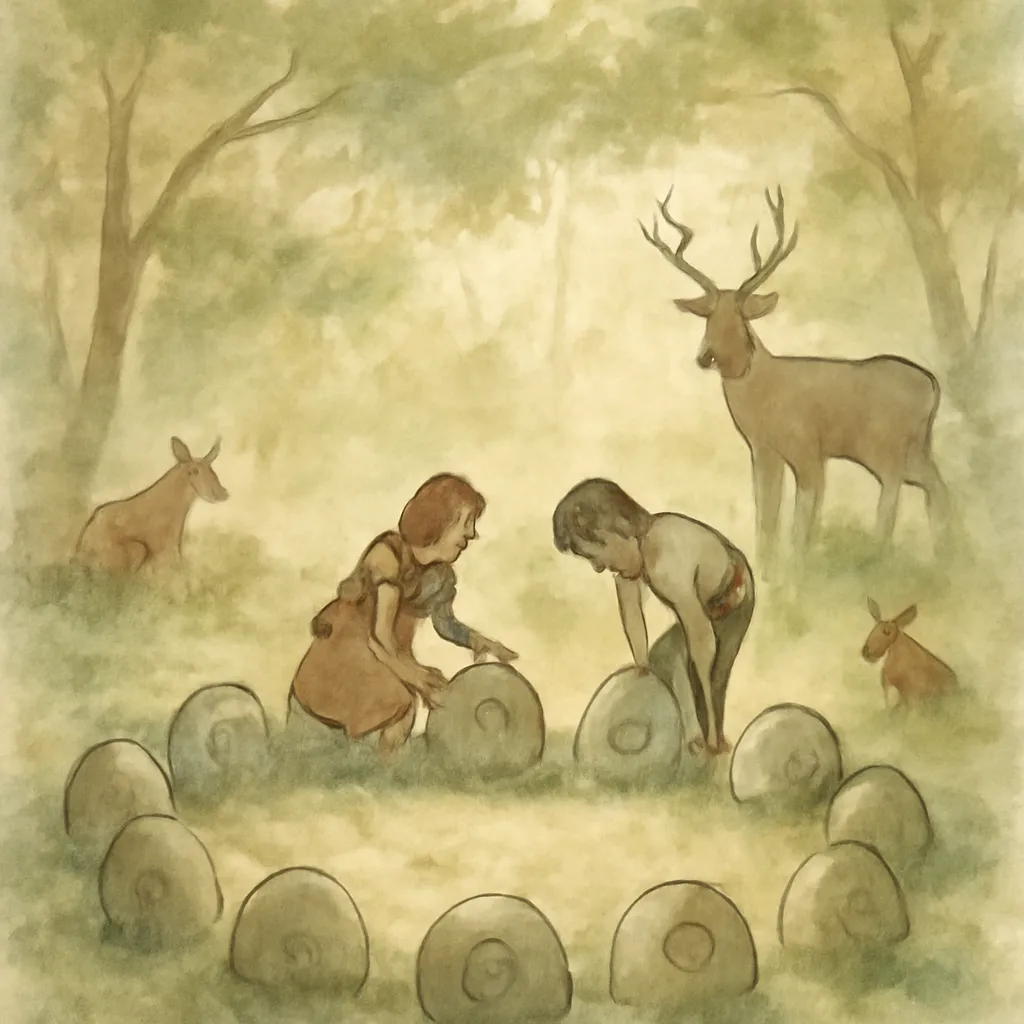
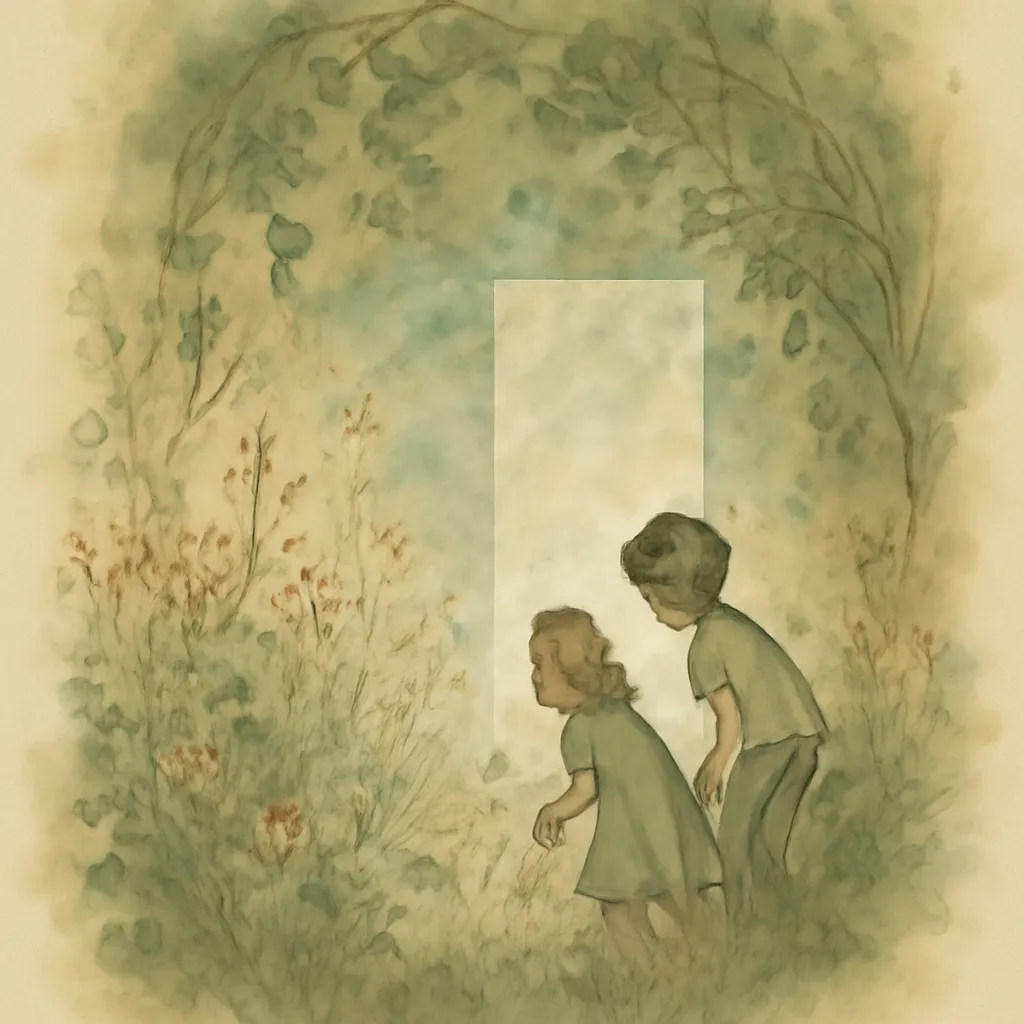
The natural landscape in Pook's Hill is not just a backdrop but a vital character in the story. Kipling imbues the woods, fields, and rivers with a sense of magic and history, suggesting that the environment holds the memories of those who came before. The children's explorations through these landscapes lead them to discover traces of past civilizations, emphasizing the interconnectedness of people and their surroundings. Puck often highlights how the land bears witness to history, allowing the children to appreciate the stories embedded within it. This relationship invites readers to consider how nature influences culture and vice versa. The pastoral beauty of the settings contrasts with the harsh realities of historical events, underscoring the resilience of both the land and its people. Kipling’s vivid descriptions evoke a sense of reverence for nature, encouraging readers to reflect on the importance of preserving their environment as a living repository of history and culture.
5.Moral Lessons Embedded in Folklore
Each tale within Puck of Pook's Hill carries moral lessons that reflect the values of the time and resonate with universal truths. Puck, as a trickster, often presents scenarios that challenge the characters' ethics and decisions, prompting readers to reflect on right and wrong. For example, the story of Fulke and his son illustrates the complexities of loyalty and betrayal, urging readers to consider the consequences of their actions. The moral dilemmas presented in these stories encourage critical thinking and foster a sense of empathy for the characters. Kipling adeptly weaves these lessons into the narrative, reminding readers that history is not just about facts but also about the choices made by individuals. Through these narratives, he embeds lessons about honor, sacrifice, and the importance of integrity, suggesting that the wisdom of the past can guide present and future generations in their moral choices.
6.The Role of Storytelling
Storytelling emerges as a powerful theme throughout Puck of Pook's Hill, serving as a means of preserving history and culture. Each character's tale is a testament to the importance of oral tradition and the art of narration in human experience. The children, as eager listeners, embody the role of the audience, reminding readers of the significance of engaging with stories that shape our understanding of the world. Kipling suggests that storytelling is not merely entertainment; it is a vital tool for education and connection across generations. The interplay of narrative styles—from Sir Richard's earnest recounting of battles to Puck's playful teasing—highlights the versatility of storytelling as a medium for conveying truth. This theme encourages readers to value their own stories and the narratives of others, fostering empathy and understanding. By emphasizing the importance of sharing tales that reflect individual and collective experiences, Kipling reinforces the notion that stories can bridge gaps between cultures and time periods.
7.The Contrast of Past and Present
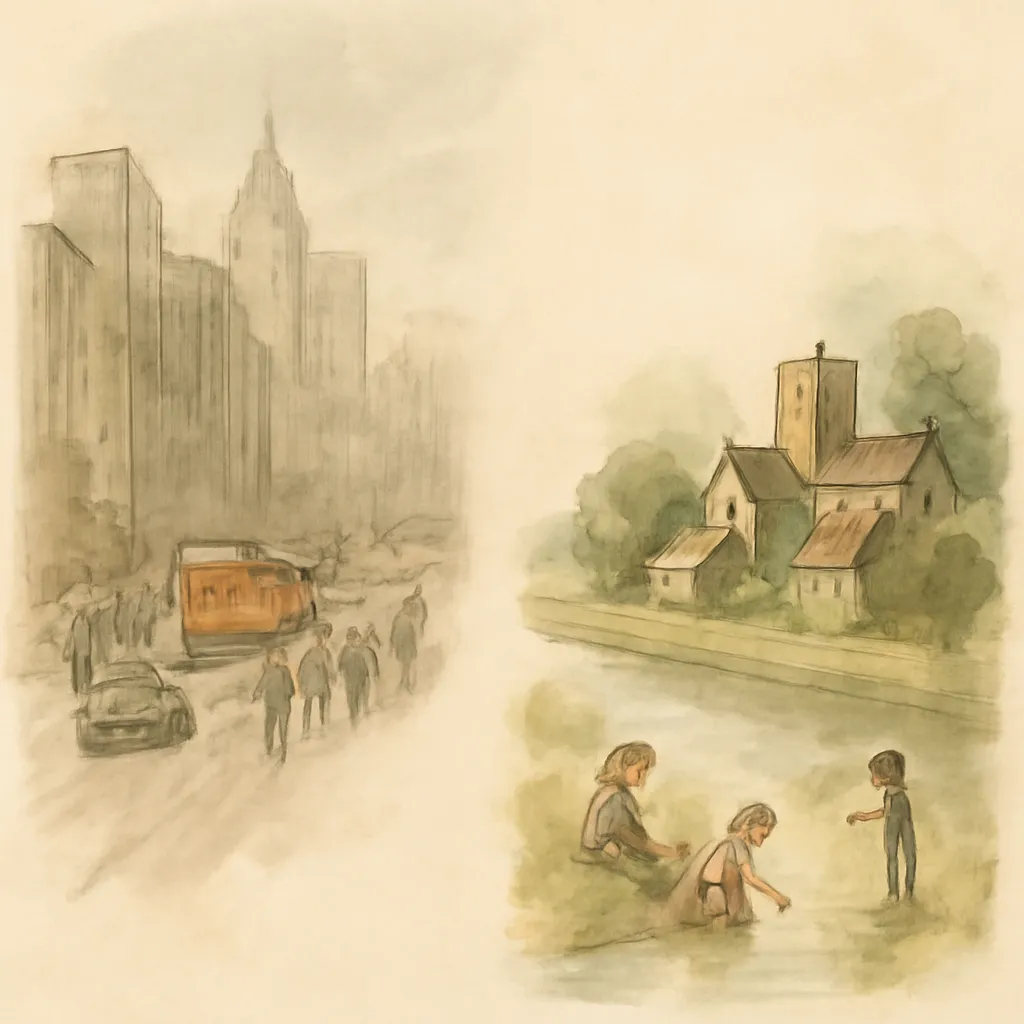
Kipling masterfully juxtaposes the simplicity of past lives with the complexities of modern existence through the experiences of Una and Dan. As they interact with historical figures, the children gain insights into the challenges and triumphs of those who lived before them. This contrast serves as a commentary on the evolution of society and the loss of certain values in the face of progress. The children's reflections on these experiences highlight the importance of learning from history to navigate the present. Kipling suggests that modern life, while enriched by advancements, often lacks the depth of connection found in earlier times. By bridging the gap between past and present, he encourages readers to appreciate the lessons that history offers, urging them to carry forward the wisdom of their ancestors. This thematic exploration prompts readers to consider how the values and struggles of the past continue to influence contemporary society.
8.The Enchantment of the Everyday
Kipling weaves a sense of enchantment into the everyday lives of the characters, suggesting that magic exists not just in extraordinary events but also in the mundane. The children's adventures are filled with wonder as they explore their surroundings and uncover the stories hidden within them. Puck's whimsical nature enhances this enchantment, reminding readers that magic often lies in perception and imagination. The way the children react to their environment—as they see ordinary objects transform into vessels of history—invites readers to find joy and fascination in their own lives. By portraying the natural world and everyday interactions as imbued with a sense of wonder, Kipling encourages individuals to embrace their surroundings and approach life with curiosity. This theme fosters a deeper appreciation for the small moments that often go unnoticed but hold the potential for extraordinary experiences.
9.The Power of Friendship
Friendship forms a central theme in Puck of Pook's Hill, particularly in the bond between Una and Dan. Their shared adventures and experiences foster a sense of camaraderie, allowing them to learn and grow together. This theme emphasizes the importance of companionship and mutual support in navigating challenges. As they meet various historical figures, their friendship is tested and strengthened, illustrating how relationships can shape one's understanding of the world. The children's ability to face fears and uncertainties together showcases the transformative power of friendship. Kipling suggests that true friendship transcends time and circumstance, providing a source of strength and comfort. This message resonates with readers, encouraging them to cherish their own friendships and the connections they forge, thereby enriching their lives and lending meaning to their experiences.