1.The Evolution of Reality’s Picture
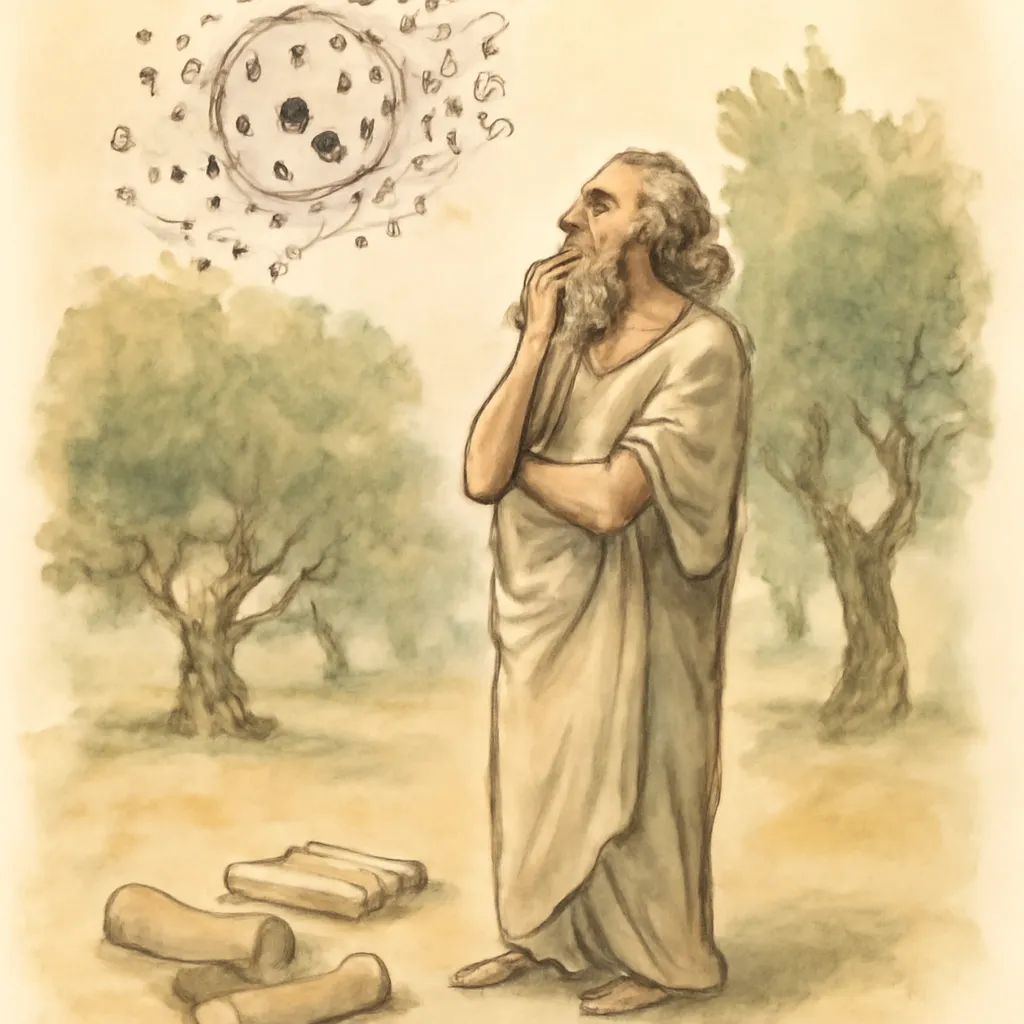
Rovelli traces the history of our understanding of the universe, from the atomists of ancient Greece to the breakthroughs of Einstein and quantum physics. He shows that our conception of reality has always been provisional, shaped by the limits of our knowledge and the tools we use to probe nature. This historical sweep reveals that what we take for granted—space, time, matter—has been repeatedly redefined, underscoring the provisional and evolving nature of scientific truth.
2.Quantum Gravity and the Granularity of Space
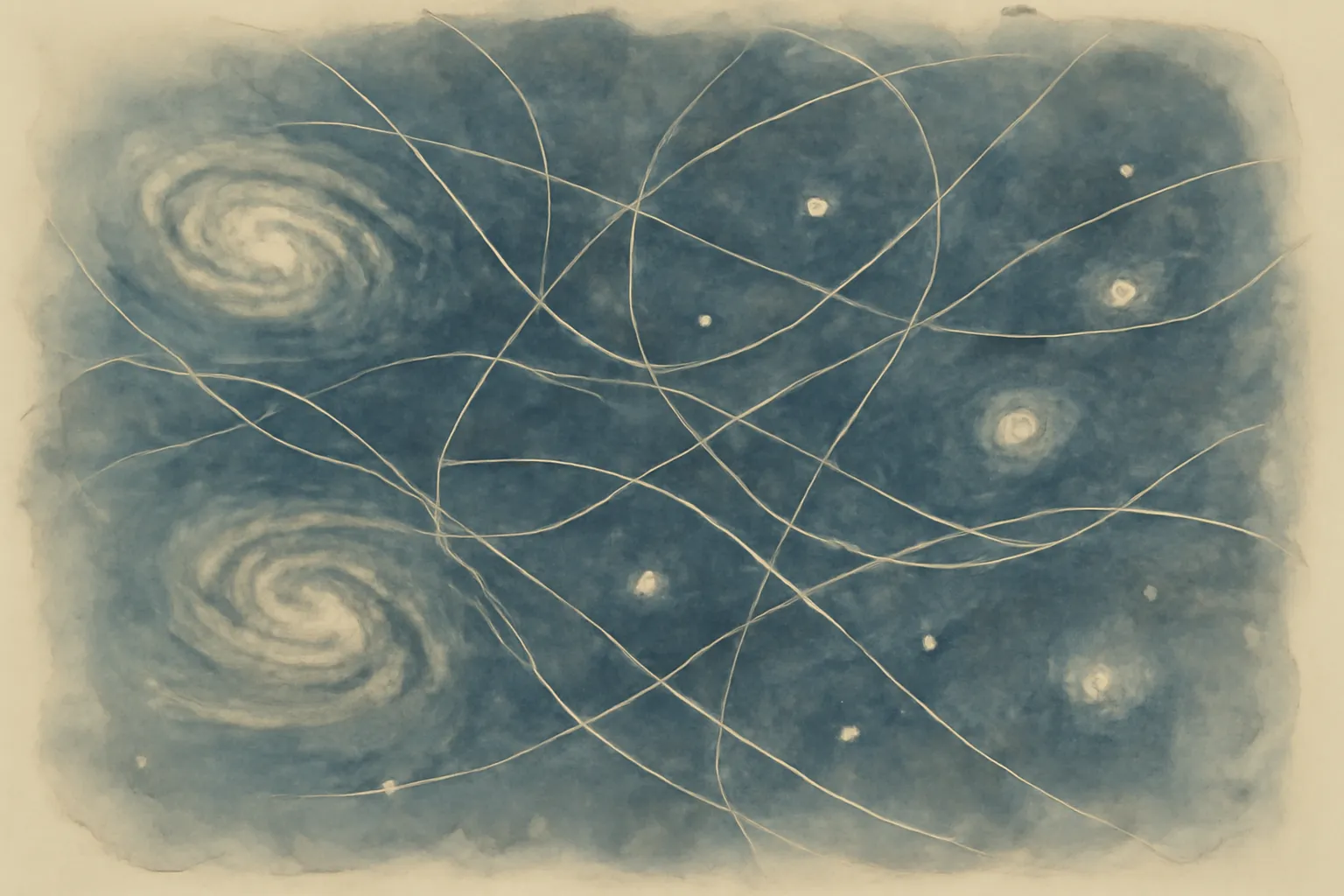
A central theme is loop quantum gravity, Rovelli’s own field of research, which proposes that space itself is not continuous but made up of tiny, discrete loops—'atoms of space.' This radical idea means that space, like matter, is quantized, fundamentally granular at the smallest scales. The implications are profound: the smooth fabric of spacetime dissolves into a network of relationships, challenging our everyday perceptions.
3.The Relational Nature of Reality
Rovelli argues that reality is not composed of things, but of processes and relations. In this view, objects do not possess absolute properties; instead, their characteristics emerge only in relation to other objects. This relational perspective, rooted in quantum mechanics, upends classical notions of an objective, observer-independent world and suggests that reality is a web of interactions.
4.The Fate of Space and Time
The book explores how the concepts of space and time themselves may not be fundamental. Rovelli discusses how, at the quantum level, time loses its traditional meaning, and space becomes a network of quantum events. This challenges the Newtonian view of an absolute stage on which events unfold, replacing it with a dynamic, emergent structure.
5.The Limits of Infinity and the Universe’s Boundaries
Rovelli questions the existence of infinities in nature, suggesting that the universe is fundamentally finite and bounded. He explains how infinities in physics often signal a breakdown of our theories rather than features of reality itself. This perspective encourages humility and openness to new frameworks as we push the boundaries of knowledge.
6.The Beauty and Uncertainty of Science
Throughout, Rovelli celebrates the beauty, creativity, and uncertainty of scientific inquiry. He emphasizes that science is not about certainties, but about the continual refinement of our understanding. By embracing uncertainty and wonder, we participate in a grand human quest to decipher the universe’s mysteries.