1.Blood as Destiny and Division
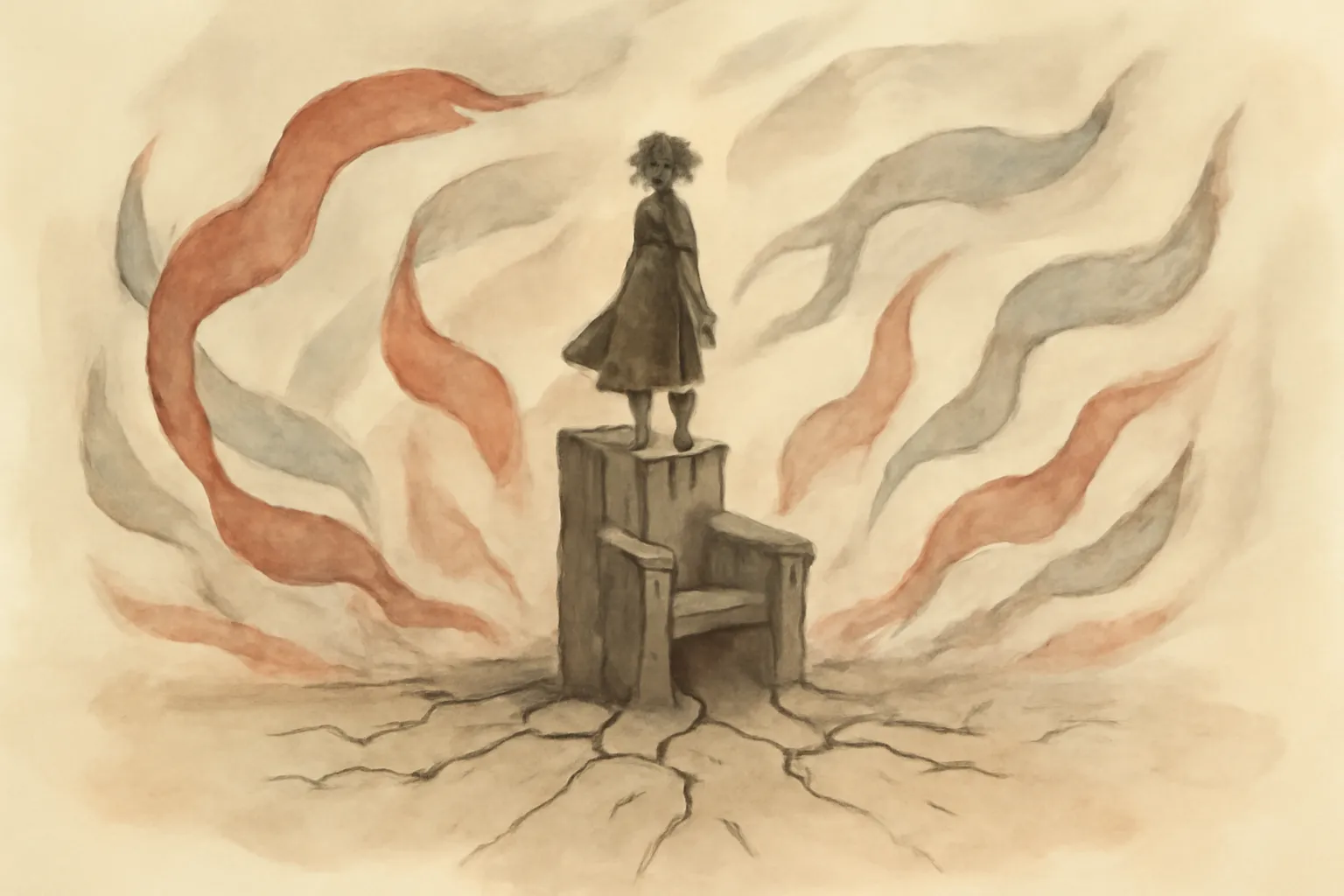
The central metaphor of Red Queen is the division between 'Red' and 'Silver' blood, which determines not only social status but also supernatural ability. This rigid hierarchy mirrors real-world systems of privilege and oppression, forcing readers to question the fairness of inherited power. Mare's discovery of her own abilities—despite her Red blood—challenges the very foundation of this world, highlighting how arbitrary and fragile such divisions can be.
2.Power, Corruption, and Identity
Mare’s journey is as much about self-discovery as it is about survival. Thrust into the Silver elite, she must quickly learn to play their dangerous games, all while hiding her true nature. The story explores how power can corrupt, not just those who wield it openly, but also those who must conceal their strengths. Mare’s shifting sense of identity—caught between two worlds—raises questions about authenticity and the cost of fitting in.
3.Rebellion and the Cost of Change
The rise of the Scarlet Guard and Mare’s involvement with them foregrounds the risks and sacrifices inherent in challenging an unjust system. The novel doesn’t romanticize revolution; instead, it shows the violence, betrayal, and moral ambiguity that come with it. Mare’s choices have consequences not just for herself, but for everyone she cares about, driving home the idea that real change is never easy or clean.
4.Betrayal and Trust
Red Queen is saturated with shifting alliances and betrayals, both personal and political. Mare must constantly question whom she can trust, and the story repeatedly upends expectations about loyalty. This theme keeps the narrative tense and unpredictable, while also exploring how betrayal can be both a tool of survival and a devastating wound.
5.Love, Loyalty, and Sacrifice
Romantic entanglements in Red Queen are deeply intertwined with questions of loyalty and self-sacrifice. Mare’s relationships with the royal princes are fraught with danger and conflicting motives, reflecting the larger struggle between personal desire and the needs of the many. The novel uses romance not just for drama, but to probe how love can inspire both courage and heartbreak.
6.The Uncertainty of Good and Evil
Characters in Red Queen are rarely wholly good or evil; instead, they are shaped by their circumstances and choices. The book resists simple moral binaries, instead portraying a world where even the best intentions can lead to harm, and villains may have understandable motivations. This complexity gives the story emotional depth and invites readers to question their own assumptions about justice.