1.The Return of the Master Detective
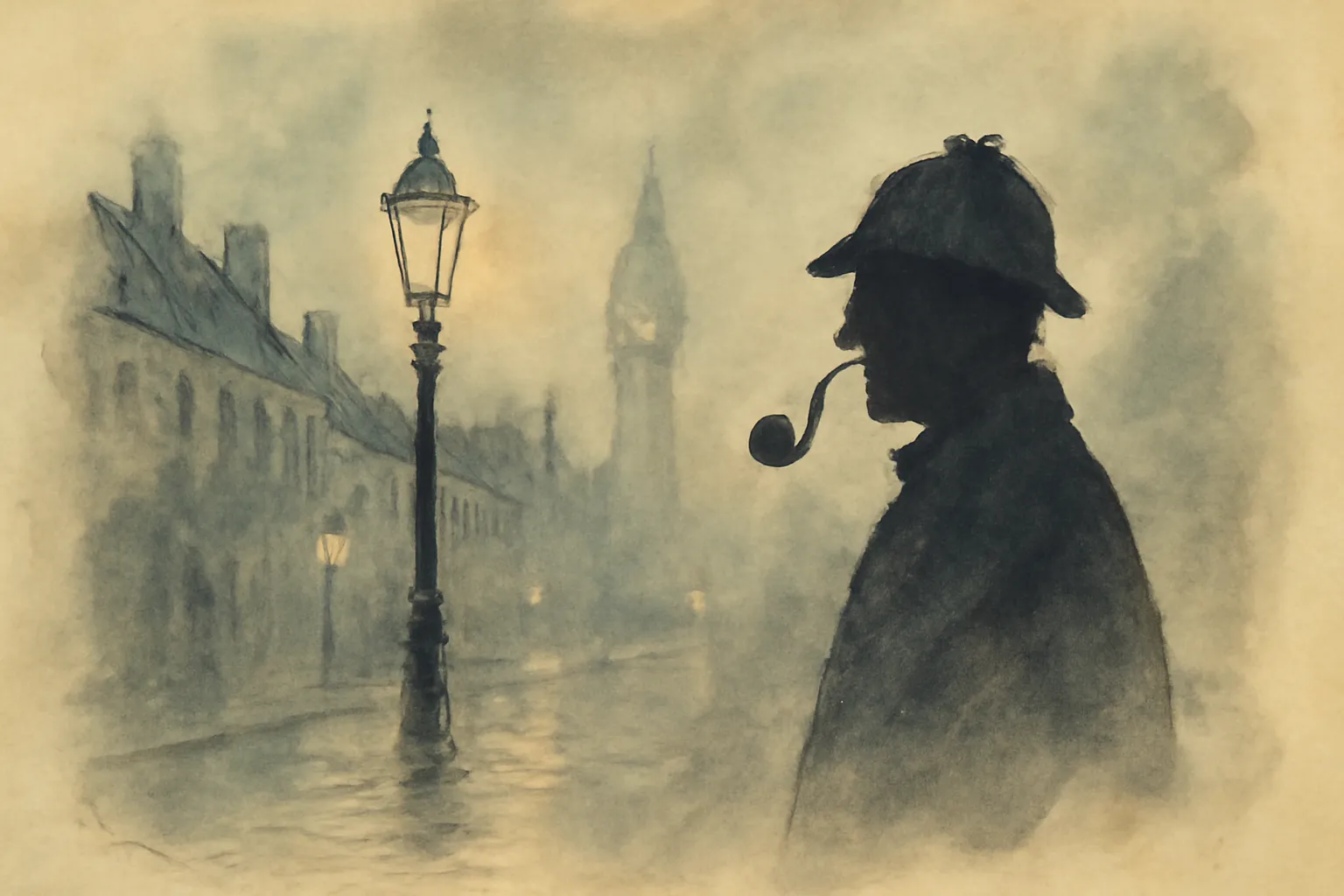
Sherlock Holmes's return in 'The Return of Sherlock Holmes' marks a significant moment in detective fiction, as it re-establishes the character as a cultural icon. After a decade-long absence following the events of 'The Final Problem,' Holmes's re-emergence is not just a return to form; it represents a renewal of hope for justice in a world rife with crime. The stories are set against the backdrop of Victorian London, a city teeming with intrigue and moral complexity. Each case Holmes tackles is carefully crafted to highlight his analytical prowess while also reflecting the societal issues of the time, such as class disparity and the nature of evil. This revival resonates with readers who yearn for a hero capable of cutting through the fog of deception and restoring order.
2.A Murder Most Foul: The Case of Ronald Adair
The collection opens with the chilling murder of Ronald Adair, a case that captivates both the public and Holmes. Adair's death occurs under mysterious circumstances, with no apparent motive or suspect. The initial investigation reveals a strong case against an unknown assailant, yet Holmes's keen intellect suggests that there are deeper layers to uncover. Through meticulous examination of the crime scene and the victim's background, Holmes demonstrates how seemingly trivial details can unlock the truth. The case serves as a reminder of Holmes's unique ability to see beyond the obvious, emphasizing the idea that the simplest explanations are often the most elusive. This narrative sets the tone for the rest of the collection, showcasing the intricate web of human relationships and motivations that often underpin criminal acts.
3.The Empty House: Resurrection and Revenge
In 'The Empty House,' Holmes's return is revealed in a dramatic fashion, underscoring not only his physical resurrection but also the thematic resurrection of justice. This story explores the psychological impact of Holmes's absence on Watson and society at large. It introduces Professor Moriarty's right-hand man, Colonel Sebastian Moran, who seeks revenge against Holmes for the demise of his master. The tension escalates as Holmes devises a clever trap to catch Moran, showcasing his strategic thinking and unparalleled observational skills. This narrative illustrates the theme of vengeance and the lengths to which individuals will go to protect their interests. The interplay between Holmes and Moran highlights the duality of heroism and villainy, as both characters operate under a strict moral code, albeit opposing ones.
4.The Adventure of the Dancing Men: Codes and Ciphers
This story delves into the world of codes and cryptography, with Holmes deciphering a series of mysterious drawings that hold the key to understanding a man's desperate situation. The protagonist, Hilton Cubitt, is plagued by a series of threatening notes featuring stick figures dancing. Holmes's ability to decode the messages not only reveals the identity of the sender but also exposes a tragic love story intertwined with jealousy and betrayal. The use of symbols as a means of communication reflects the broader theme of miscommunication in relationships, illustrating how easily intentions can be misconstrued. This narrative reinforces the idea that understanding the context behind a message is crucial for unraveling its meaning, a lesson that resonates beyond the confines of the story.
5.The Adventure of the Speckled Band: Fear and Deception
In 'The Adventure of the Speckled Band,' Holmes confronts the sinister nature of human greed and its ability to incite fear. The story revolves around a young woman's plea for help after her sister's mysterious death, which she believes is linked to their stepfather's malevolent intentions. Holmes's investigation reveals a shocking truth about the stepfather's obsession with exotic animals and his willingness to resort to murder to secure his fortune. This case illustrates how fear can be weaponized, manipulating individuals into submission. Holmes's triumph over the antagonist not only restores justice but also serves as a commentary on the resilience of the human spirit against oppression. The narrative highlights the importance of courage in the face of danger, a recurring theme in Holmes's adventures.
6.The Adventure of the Blue Carbuncle: Redemption and Forgiveness
This story presents a more light-hearted case, focusing on the theft of a valuable gem and the unexpected consequences of a chance encounter. Holmes discovers that the blue carbuncle, originally stolen, has inadvertently come into the possession of an innocent man. As Holmes investigates, he is faced with a moral dilemma: should he return the gem to its rightful owner or allow the man to keep it, given his unfortunate circumstances? The resolution emphasizes themes of redemption and forgiveness, illustrating how compassion can prevail over strict adherence to the law. This narrative serves as a reminder that not all crimes warrant punishment, and sometimes, understanding a person's situation can lead to a more just outcome. It highlights Holmes's humanity, showcasing his ability to empathize with the plight of others.
7.The Adventure of the Six Napoleons: Obsession and Destruction
In 'The Adventure of the Six Napoleons,' Holmes encounters a peculiar case involving the destruction of busts of Napoleon. As he investigates, he uncovers a web of obsession and revenge that drives the perpetrator to madness. The story explores how personal vendettas can lead to irrational behavior, ultimately resulting in destructive consequences. This case illustrates the fine line between passion and obsession, highlighting the dangers that can arise when one becomes consumed by their desires. Holmes's ability to untangle the motives behind the vandalism not only reveals the identity of the culprit but also serves as a commentary on the nature of obsession itself. The narrative encourages readers to reflect on their own passions and the potential consequences of unchecked desires.
8.The Adventure of the Golden Pince-Nez: The Weight of Guilt
This story delves into the psychological complexities of guilt and its impact on individuals. Holmes investigates the murder of a prominent figure, uncovering a tangled web of relationships and hidden motives. The narrative explores how guilt can manifest in various forms, influencing behavior and decision-making. As Holmes unravels the truth, he confronts the idea that guilt can drive individuals to commit desperate acts in an attempt to escape their conscience. This case serves as a profound exploration of the human psyche, illustrating that the burden of guilt can be as weighty as any physical crime. Holmes's resolution of the case emphasizes the importance of confronting one's past and seeking redemption, a recurring theme throughout the collection.
9.The Adventure of the Abbey Grange: Justice and Morality
In 'The Adventure of the Abbey Grange,' Holmes grapples with the complexities of justice and morality when faced with a murder case that appears straightforward at first glance. The victim's wife confesses to killing her husband in self-defense, but Holmes's investigation reveals deeper layers of deception and betrayal. The story challenges traditional notions of justice, posing questions about the morality of revenge and the lengths to which individuals will go to protect their loved ones. Holmes's final resolution underscores the idea that justice is not always black and white; rather, it exists in shades of gray, influenced by personal beliefs and circumstances. This narrative compels readers to consider the ethical implications of their actions and the impact of societal expectations on individual choices.
10.The Adventure of the Second Stain: Political Intrigue and Secrecy
The final story in the collection, 'The Adventure of the Second Stain,' revolves around a stolen document that could jeopardize national security. Holmes's investigation highlights the intersection of personal interests and political intrigue, revealing the lengths to which individuals will go to protect their secrets. The narrative emphasizes the theme of loyalty and betrayal, as characters must navigate the murky waters of political alliances. Holmes's ability to decipher the motivations behind the theft showcases his unparalleled analytical skills, while also illustrating the broader implications of secrecy in governance. This story serves as a poignant reminder of the delicate balance between transparency and confidentiality, particularly in matters of state. The resolution reinforces the idea that truth, while often obscured, is essential for the preservation of justice and integrity.