1.The Power of Financial Mindset
Kiyosaki contrasts the philosophies of his 'rich dad' (his best friend's father) and his 'poor dad' (his biological father) to show how attitudes toward money can lead to vastly different outcomes. The 'poor dad' values formal education and job security, while the 'rich dad' emphasizes financial education and entrepreneurship. The book argues that your mindset—how you think about money, risk, and opportunity—matters more than your income or background.
2.Assets vs. Liabilities
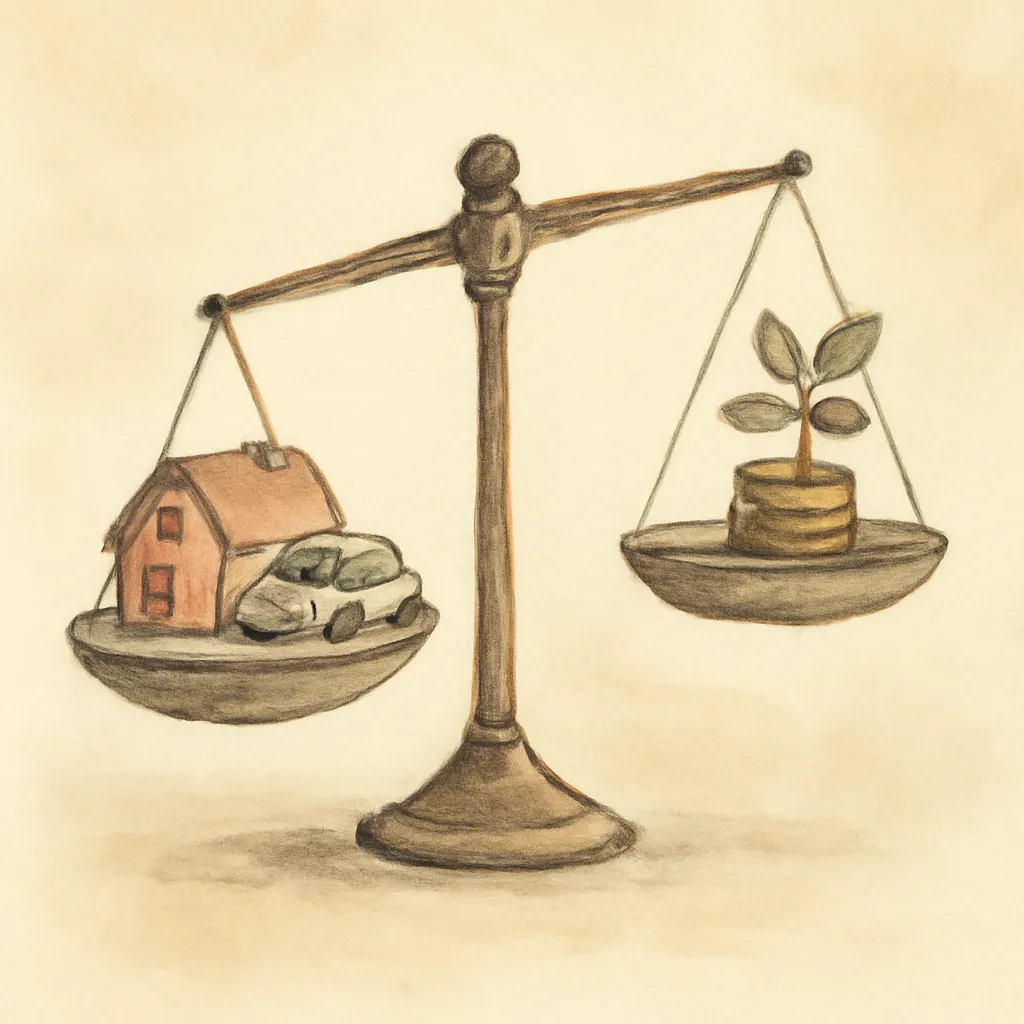
A central lesson is the importance of understanding the difference between assets and liabilities. Kiyosaki defines assets as things that put money in your pocket (like investments or businesses), while liabilities take money out (like personal homes or cars). Building wealth, he argues, means accumulating assets and minimizing liabilities—a principle often overlooked in traditional financial advice.
3.Financial Education Over Formal Education
The book challenges the conventional wisdom that school is the primary path to success. Kiyosaki asserts that schools rarely teach about money, leaving people ill-equipped for real-world financial decisions. He advocates for self-education in finance—learning about investing, taxes, and markets—as the real key to economic freedom.
4.The Importance of Taking Risks
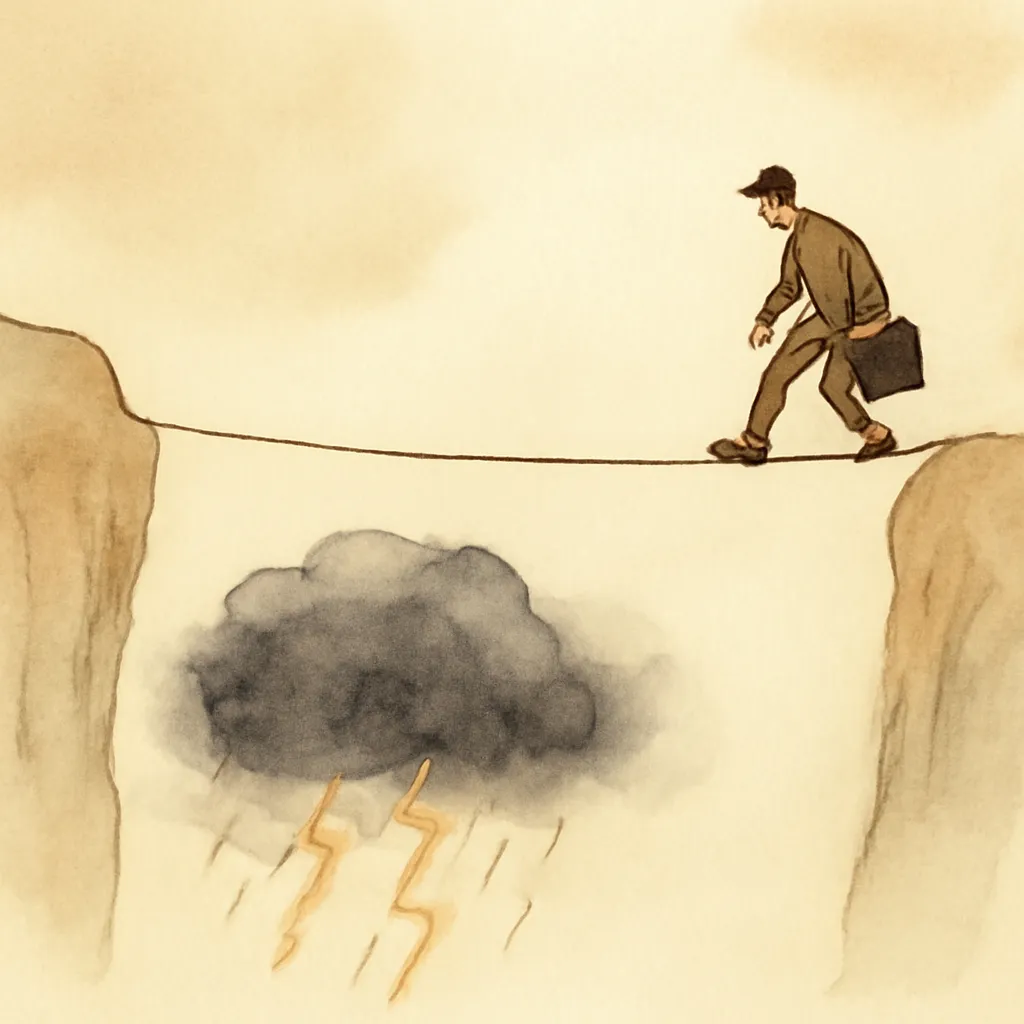
Kiyosaki encourages readers to embrace calculated risks and not fear failure. He argues that the willingness to try, fail, and learn is essential for building wealth, while the fear of losing money keeps many trapped in financial mediocrity. The book suggests that entrepreneurship and investing are accessible to those willing to learn and act.
5.Making Money Work for You
Instead of working for money, Kiyosaki urges readers to learn how to make money work for them. This means investing in assets that generate passive income, rather than relying solely on earned income from a job. The book teaches that financial independence comes from creating streams of income that don't require constant labor.
6.Escaping the Rat Race
Kiyosaki uses the concept of the 'rat race' to describe the cycle of earning and spending that traps many people. He argues that breaking free requires a shift in priorities: investing in financial education, building assets, and developing the discipline to reinvest rather than consume.