1.Narrative Innocence and Perspective
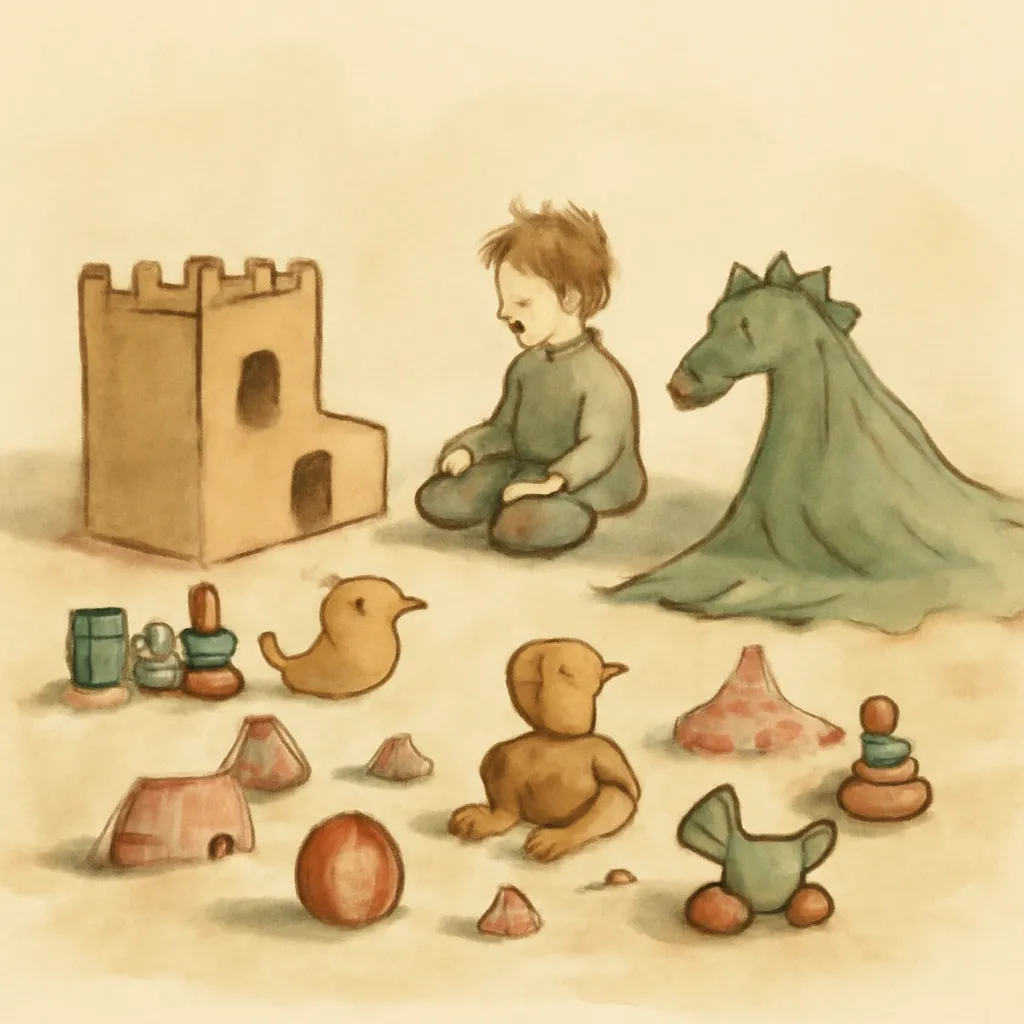
Emma Donoghue’s boldest choice is narrating the entire novel through Jack, a five-year-old who has never known a world beyond the small room where he and his mother are held captive. This child’s-eye view transforms the horror of their situation, filtering trauma through innocence and curiosity. Jack’s limited understanding shields the reader from the full brutality of their circumstances, while also highlighting the resilience of the human spirit and the ways children adapt to even the most unimaginable environments.
2.Motherhood as Heroism
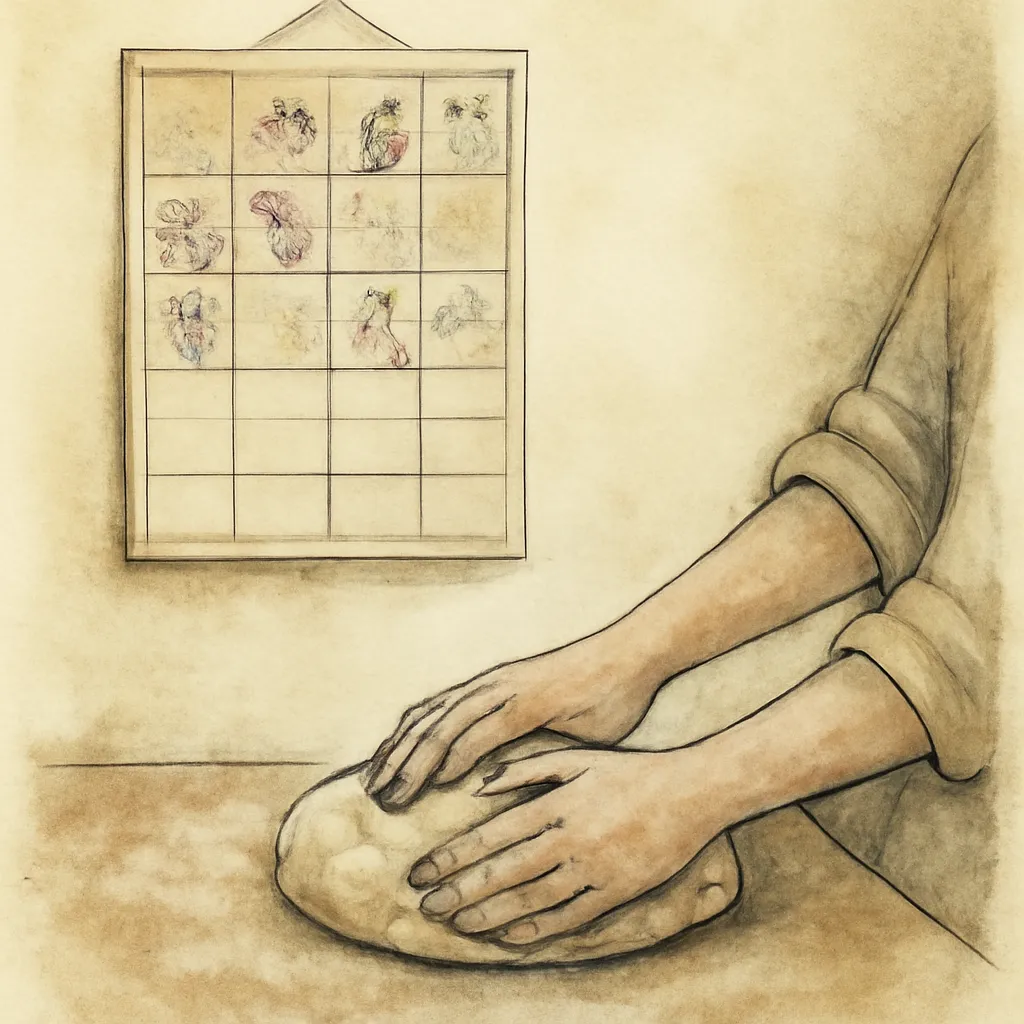
At the heart of Room is the extraordinary relationship between Ma and Jack. Ma’s creativity and fierce devotion keep Jack physically and emotionally safe, turning their prison into a world of stories, learning, and routine. Her ability to nurture, educate, and protect Jack under impossible conditions becomes an act of everyday heroism. The novel asks what parents owe their children, and how far a mother will go to shield her child from harm, even at great personal cost.
3.Freedom and Its Complexities
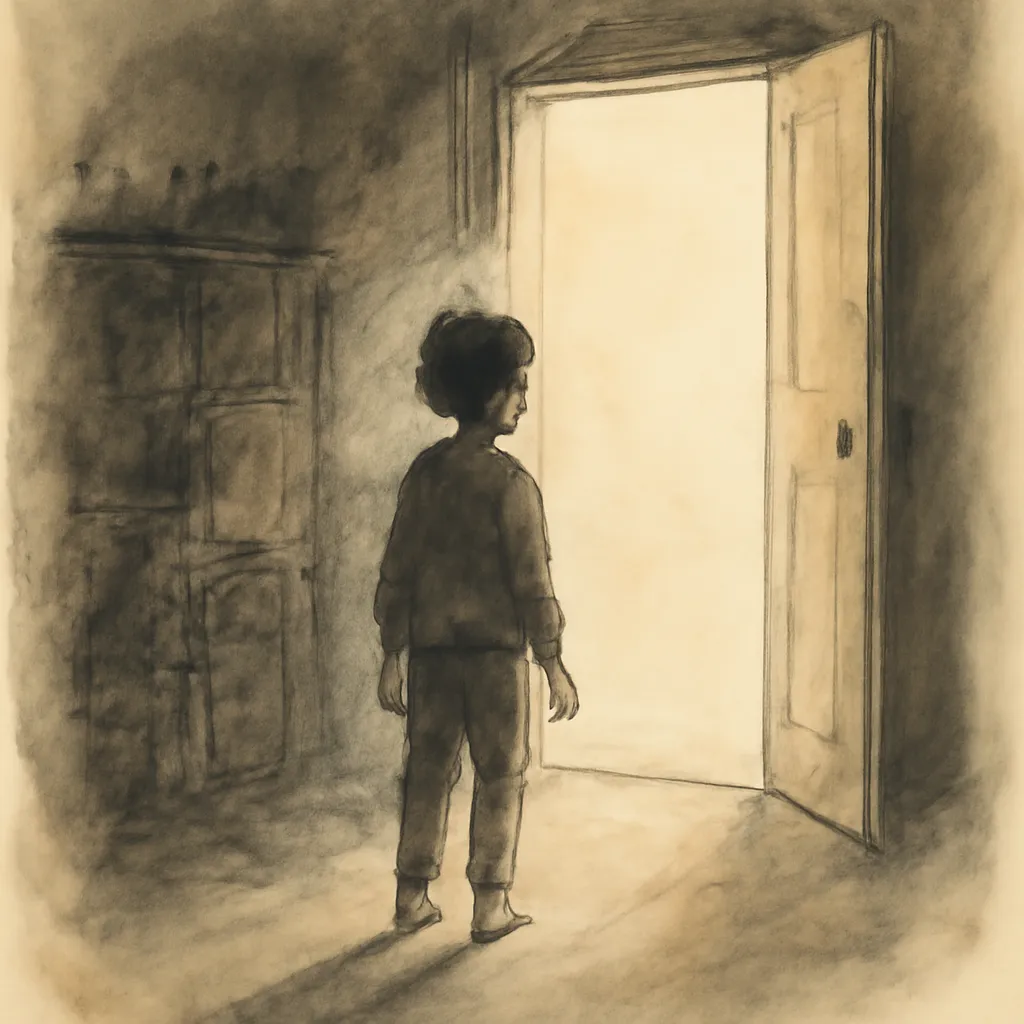
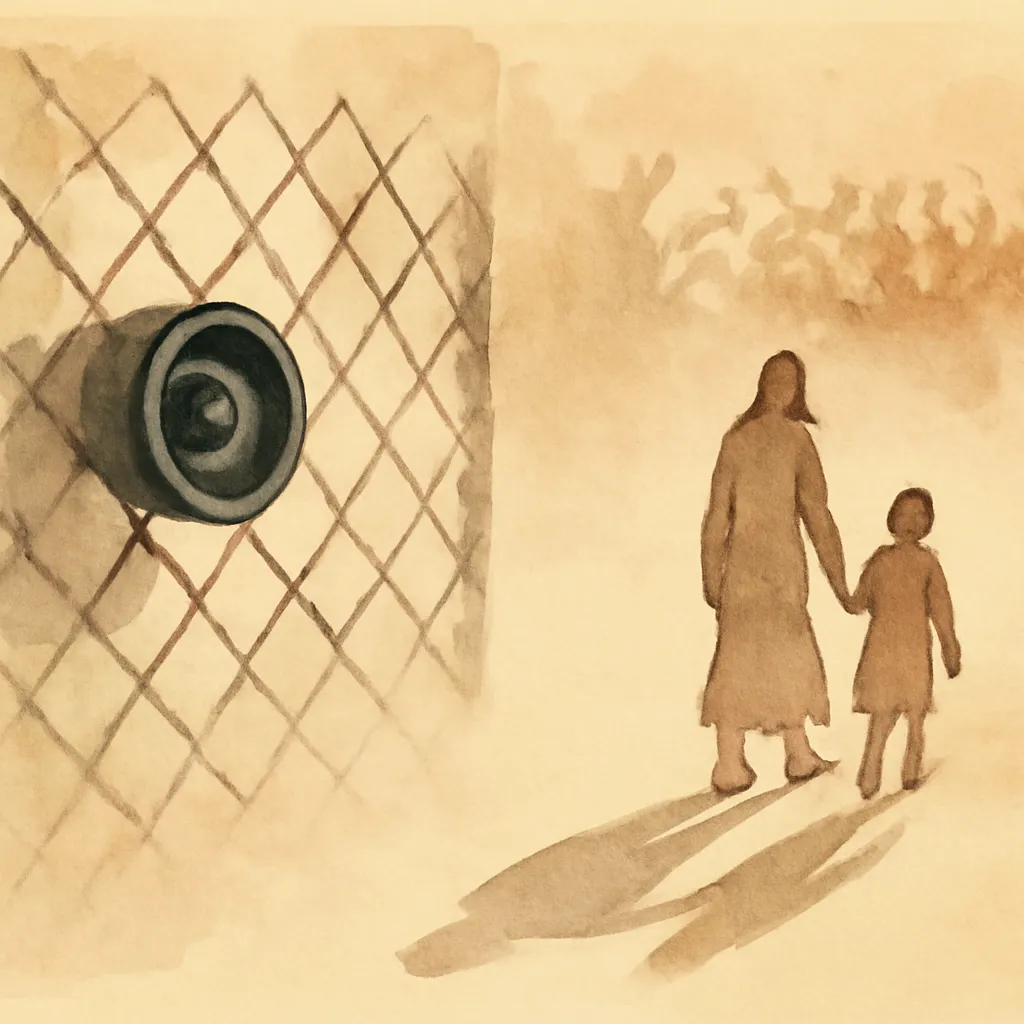
Room explores not just the trauma of captivity, but the equally daunting challenge of freedom. For Jack, the outside world is overwhelming and alien; for Ma, it is a place of both hope and new obstacles. The novel complicates the idea of rescue, showing that liberation is not an endpoint but the beginning of a difficult, ongoing process of healing and adaptation. It raises questions about what it means to be truly free, both physically and psychologically.
4.The Power of Imagination
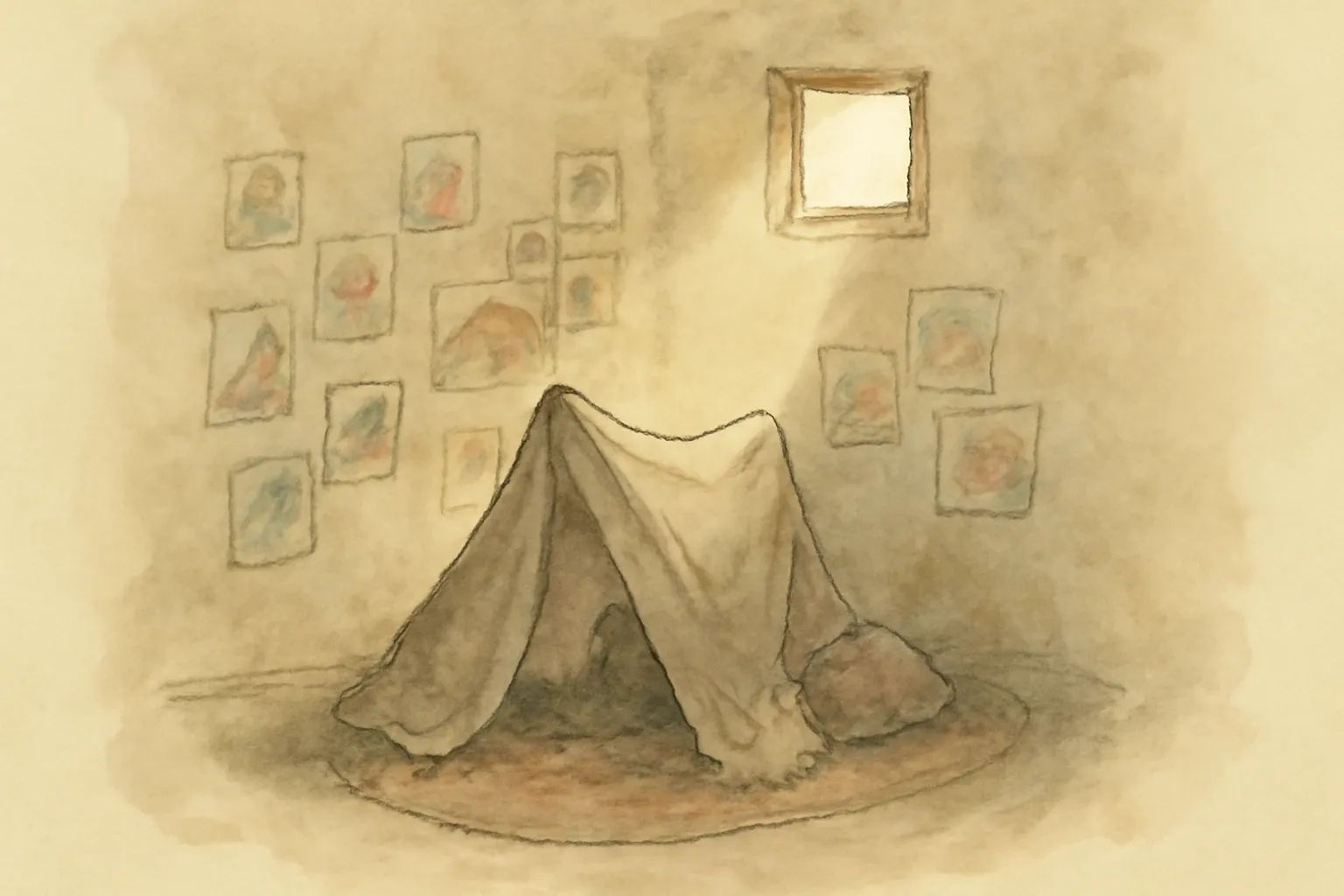
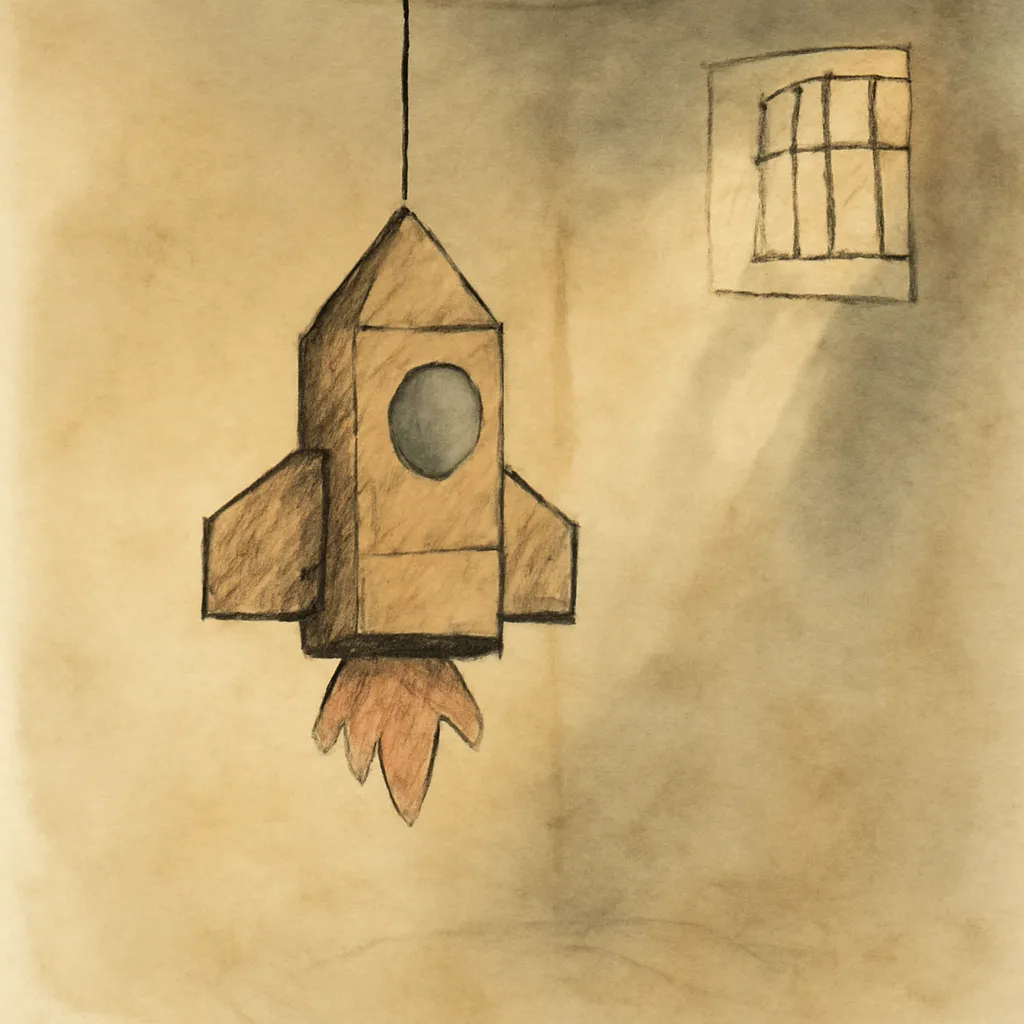
Imagination is both a survival tool and a source of hope in Room. Through games, stories, and rituals, Ma and Jack create meaning and structure in their confined world. Jack’s imaginative interpretations of their surroundings—naming objects, inventing stories—help him make sense of his reality. Donoghue suggests that storytelling and creativity are not just escapes, but essential mechanisms for enduring hardship and making sense of trauma.
5.Society, Media, and the Aftermath of Trauma
After their escape, Ma and Jack must navigate a world eager to sensationalize their ordeal. The novel scrutinizes society’s fascination with victims and the intrusive nature of media attention. Donoghue raises ethical questions about privacy, exploitation, and the challenges of reintegration after trauma. The story invites readers to consider how survivors are treated and what true support and understanding look like.