1.Evil in the Everyday
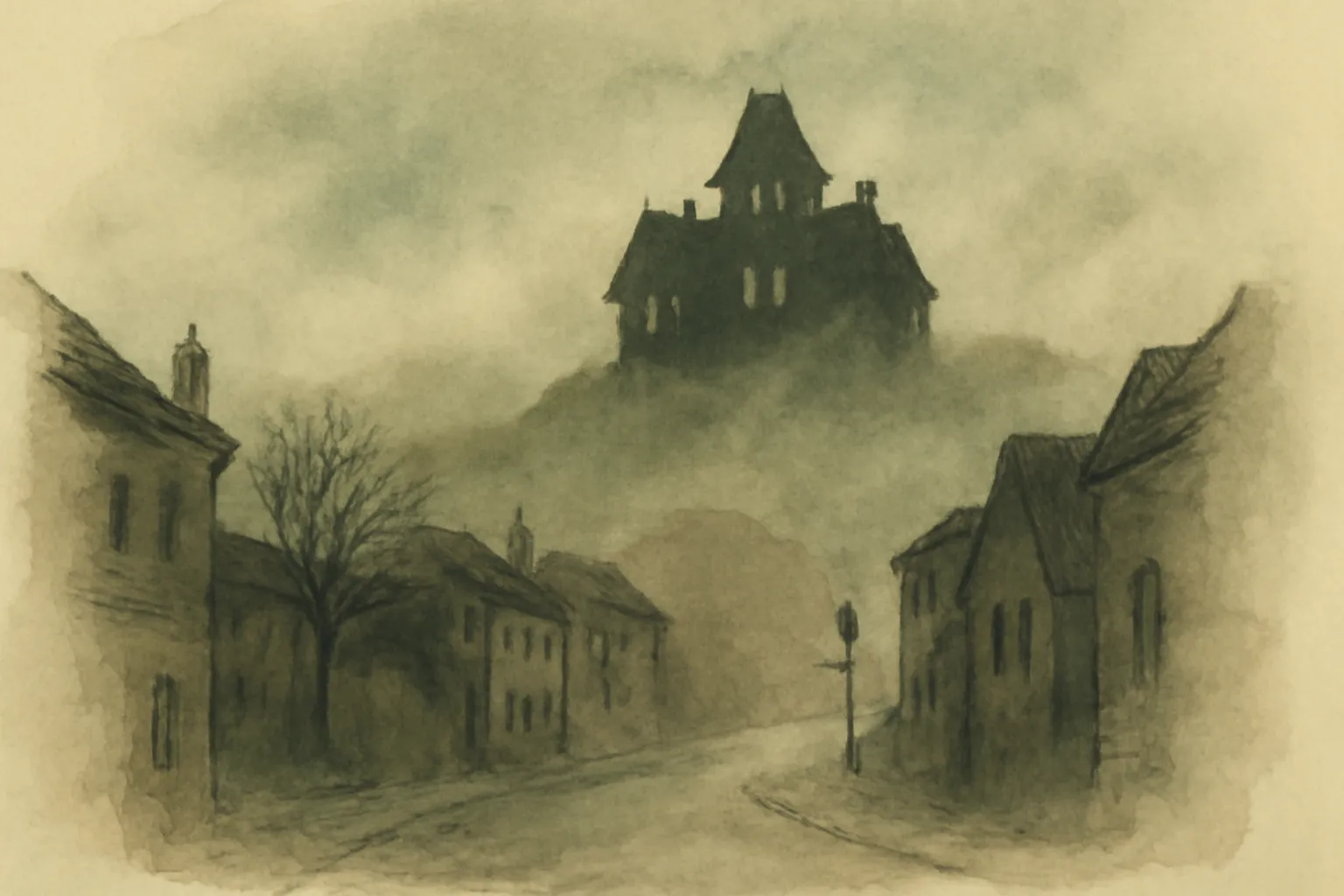
King's genius in 'Salem's Lot' lies in his ability to take the mundane—an old New England town, a decaying mansion, childhood memories—and infuse it with a creeping sense of dread. The horror is not just supernatural but rooted in the town's collective denial and complacency, suggesting that evil thrives where people refuse to see it.
2.The Power of the Past
The Marsten House stands as a symbol of unresolved trauma and the way history haunts the present. Ben Mears's return to his hometown is motivated by a desire to confront his own fears, but he discovers that the past cannot simply be exorcised by facing it—it must be fought, or it will consume the future.
3.Community and Isolation
As the town falls under the sway of darkness, King examines how isolation—both personal and communal—makes people vulnerable. The characters who survive are those who form bonds and resist the urge to turn inward, highlighting the importance of solidarity in the face of overwhelming threat.
4.The Corruption of Innocence
The novel’s horror is amplified by its impact on children and families. The disappearance and transformation of the town’s youth serve as a metaphor for the loss of innocence and the way evil preys on the most vulnerable. King uses this to evoke both fear and empathy in the reader.
5.Faith, Doubt, and Moral Courage
Characters in 'Salem's Lot' are forced to confront their beliefs—about God, evil, and themselves. The struggle is as much spiritual as physical, and King suggests that true courage comes from acknowledging fear and acting in spite of it, rather than relying on traditional notions of heroism.
6.The Allure and Danger of Myth
King revitalizes classic vampire lore by placing it in a modern context, showing how ancient myths can still hold power over contemporary minds. The townspeople’s reluctance to believe in the supernatural becomes their undoing, a commentary on the dangers of dismissing the irrational too quickly.