1.The Four Pillars of Flavor
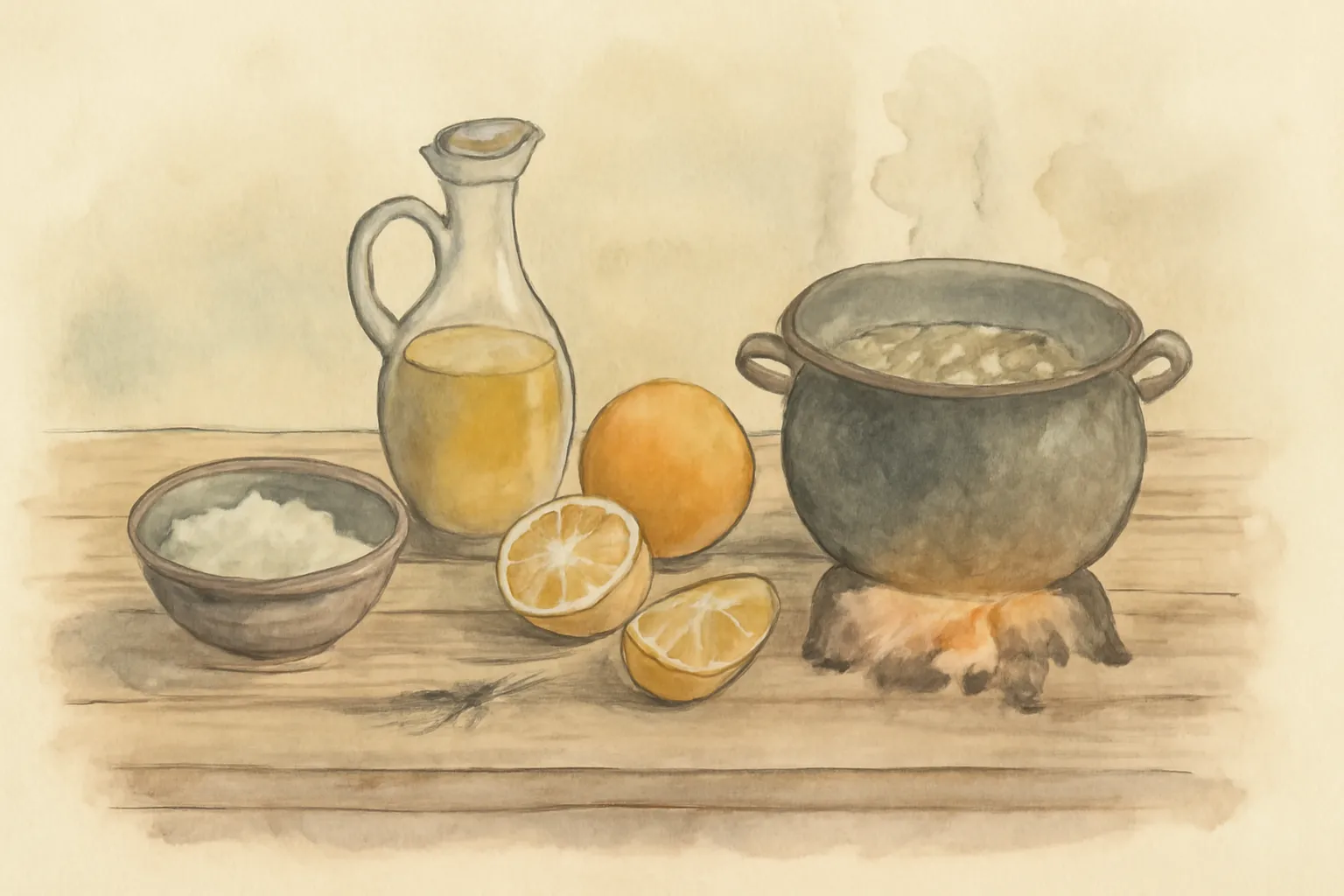
Nosrat organizes her entire approach around salt, fat, acid, and heat, arguing that mastering these four elements is the key to great cooking. Rather than focusing on specific recipes, she teaches readers to understand how each element works: salt enhances and deepens flavor, fat carries flavor and creates texture, acid balances and brightens, and heat transforms ingredients through cooking. This framework demystifies the process and gives cooks the tools to improvise and adapt in the kitchen.
2.Learning to Taste and Adjust
A major theme is the importance of tasting as you cook and adjusting based on your senses. Nosrat encourages readers to be curious and experimental, using their palate as a guide rather than blindly following instructions. This active engagement fosters intuition and confidence, helping cooks understand why certain adjustments—like adding a splash of vinegar or a pinch of salt—can elevate a dish.
3.Technique Over Recipes
Instead of providing endless recipes, Nosrat focuses on teaching foundational techniques that can be applied to any cuisine or ingredient. She explains the 'why' behind methods like salting meat in advance or balancing fat and acid in dressings. This emphasis on technique over rote instruction equips readers to cook creatively and troubleshoot problems as they arise.
4.Visual Learning and Accessibility
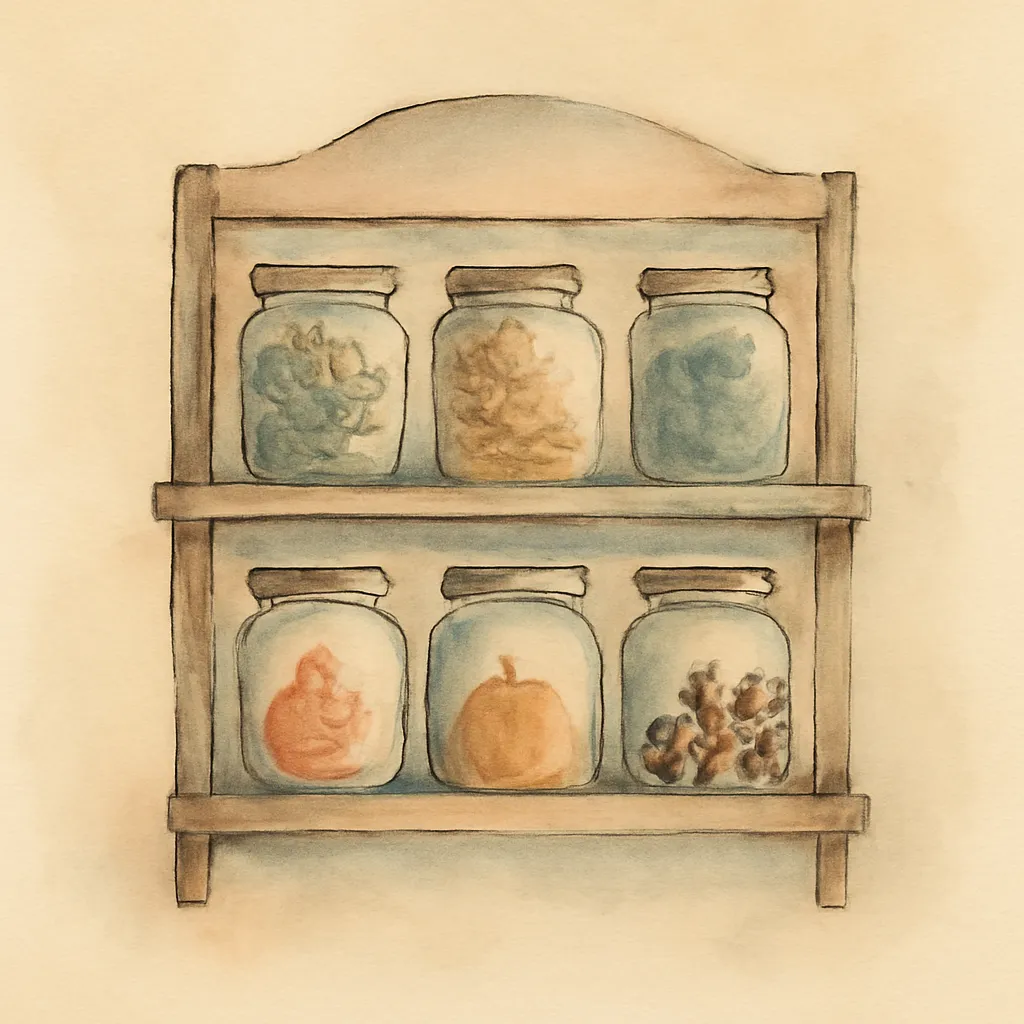
The book is notable for its engaging illustrations by Wendy MacNaughton, which make complex culinary concepts approachable and memorable. These visuals help demystify processes like emulsification or caramelization, making the material accessible to beginners and visual learners alike. The tone is warm, encouraging, and never intimidating.
5.Cultural and Personal Context
Nosrat draws on her Iranian heritage and professional experience, weaving personal stories and global culinary traditions throughout the book. This context enriches the lessons, showing how the four elements appear in diverse cuisines and inviting readers to connect cooking to their own backgrounds. It’s an inclusive approach that celebrates the universality of good food.
6.Empowerment Through Understanding
Ultimately, Salt, Fat, Acid, Heat is about empowering cooks to move beyond recipes and trust their judgment. By understanding the underlying principles of flavor and technique, readers gain the confidence to experiment, adapt, and truly enjoy the process of cooking. This shift from dependence to independence is at the heart of the book’s enduring appeal.