1.Family as Survival
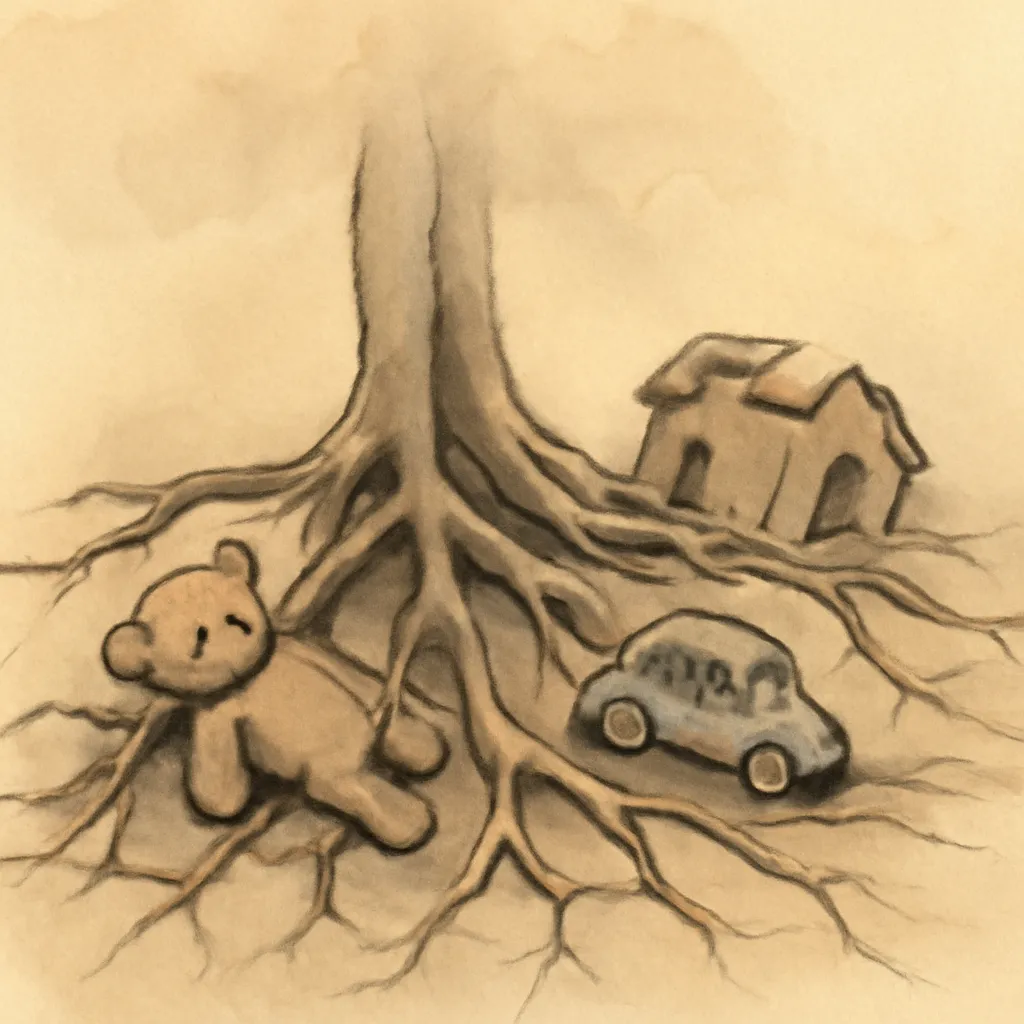
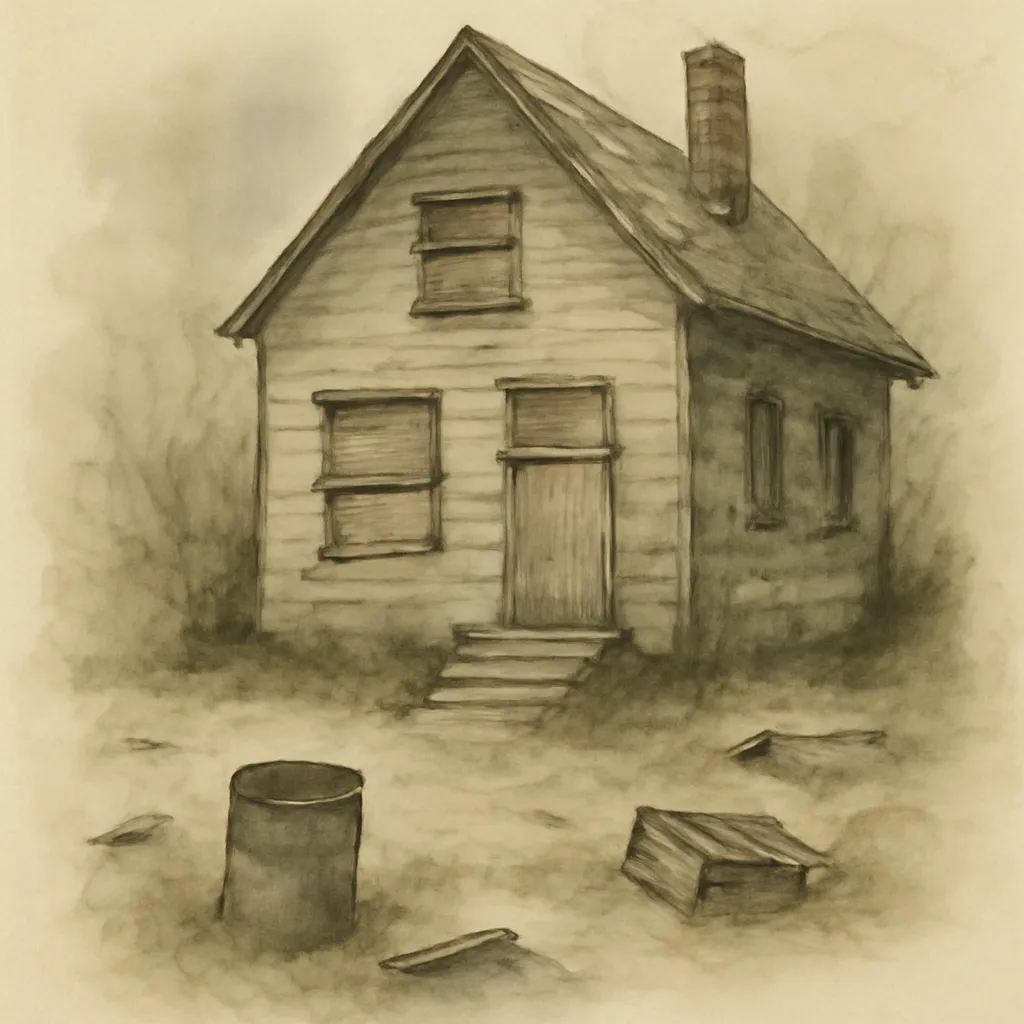
At its core, the novel explores how family bonds are both a lifeline and a source of pain. Esch and her brothers are motherless, largely neglected by their alcoholic father, and forced to fend for themselves. Yet their fierce loyalty to one another—especially in the face of poverty and disaster—becomes their main source of strength. This dynamic raises questions about what it means to protect and nurture when resources are scarce, and how love can persist even in the harshest conditions.
2.Coming of Age in Crisis
Esch’s journey is a powerful coming-of-age story set against both personal and environmental catastrophe. Her pregnancy, discovered just as the hurricane approaches, forces her to confront her own vulnerability and agency. The novel captures the confusion, longing, and resilience of adolescence, especially for a young woman navigating a world shaped by both gender and racial marginalization.
3.Nature as Both Threat and Mirror
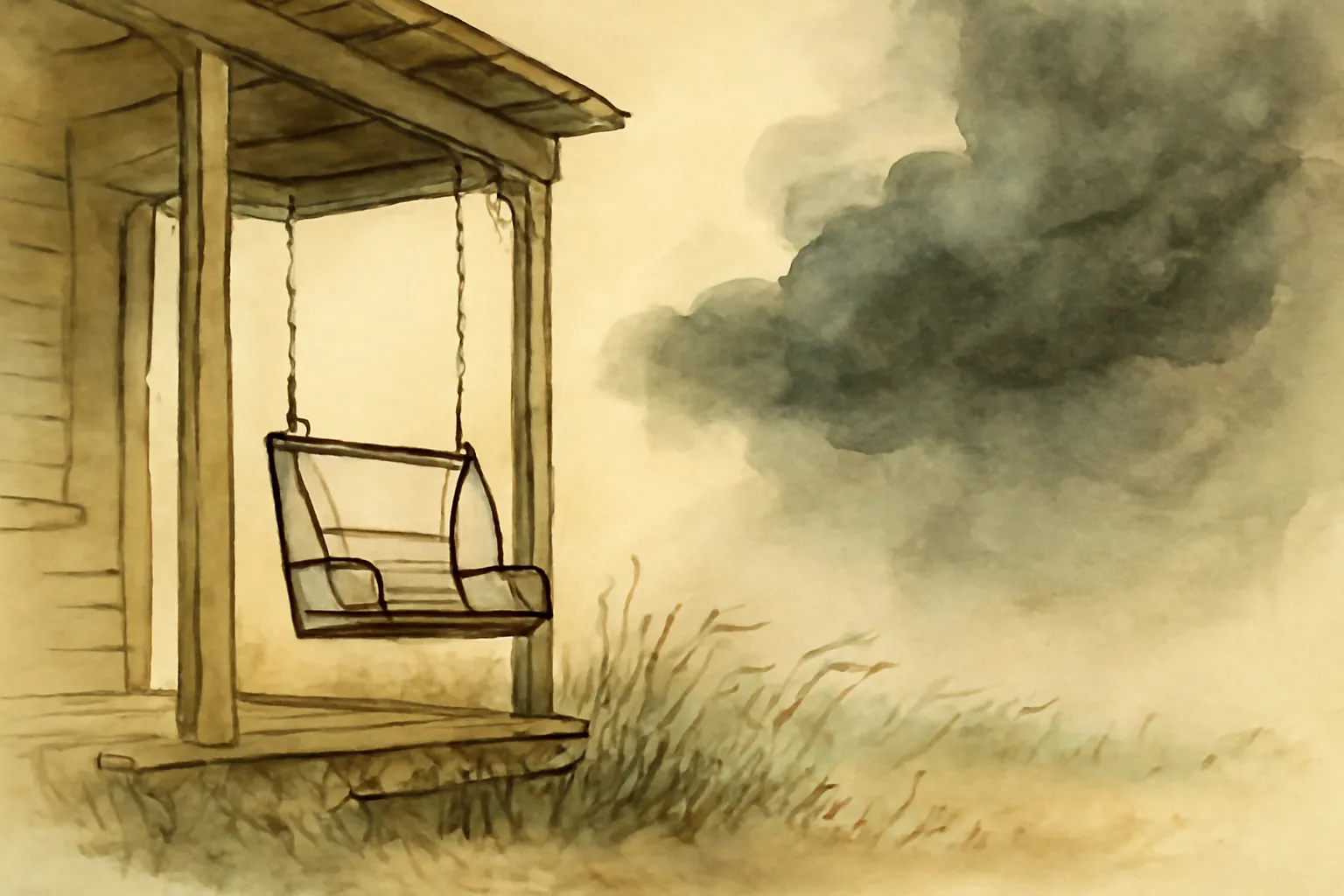
The looming hurricane is more than a backdrop; it’s a living, breathing force that mirrors the chaos and unpredictability in the family’s lives. Ward draws parallels between the violence of nature and the violence—emotional and physical—within the family and community. The pit bull, China, and her litter further echo themes of motherhood, survival, and the cycle of loss and renewal.
4.Poverty and Marginalization
Ward’s depiction of Bois Sauvage is unflinching in its portrayal of rural poverty and systemic neglect. The family’s struggles are not just personal but shaped by broader social and economic forces that leave them vulnerable long before the storm arrives. The novel asks readers to consider who is most at risk when disaster strikes, and why certain communities are left to fend for themselves.
5.Myth, Memory, and Storytelling
Throughout the novel, Esch draws on Greek mythology—particularly the story of Medea—to make sense of her own experiences. This layering of myth and memory deepens the narrative, suggesting that personal and collective histories are intertwined. Storytelling becomes a survival tool, a way to find meaning in suffering and hope amid devastation.
6.Resilience and Redemption
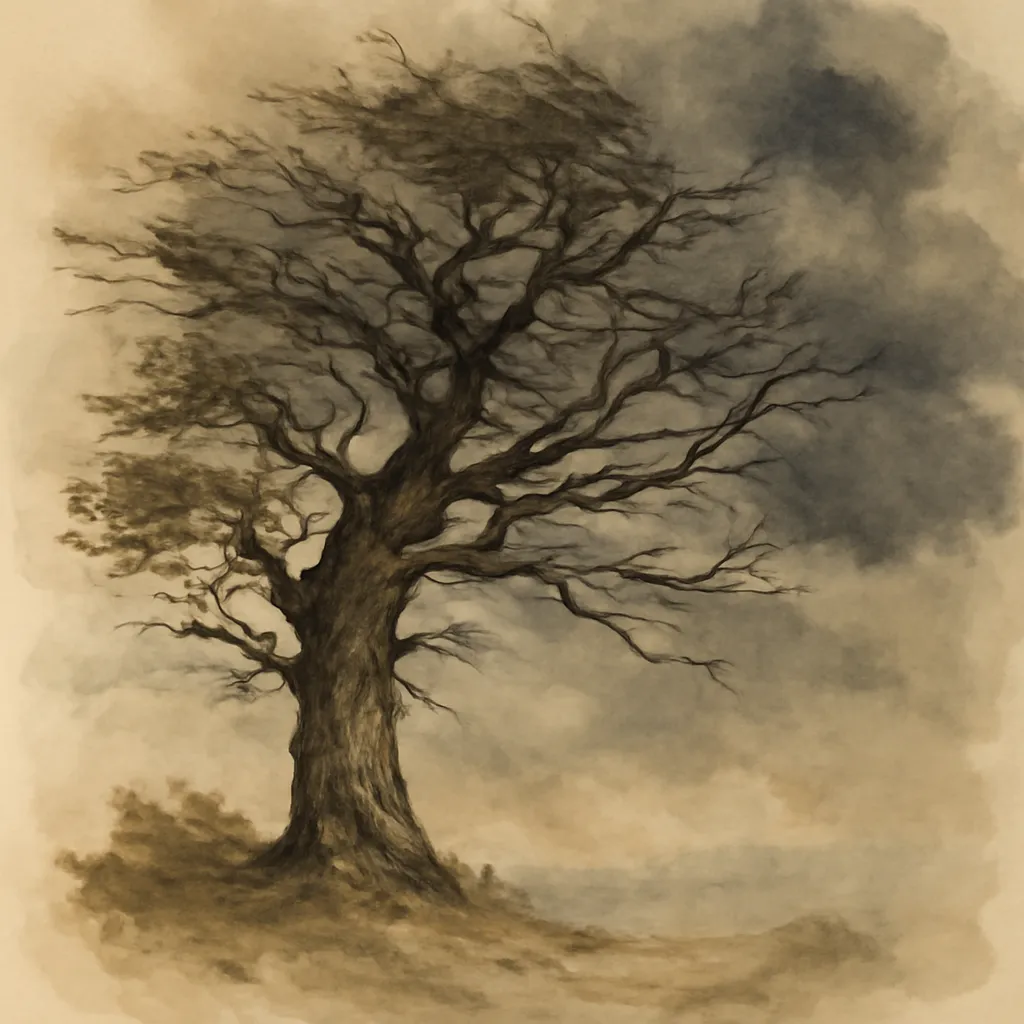
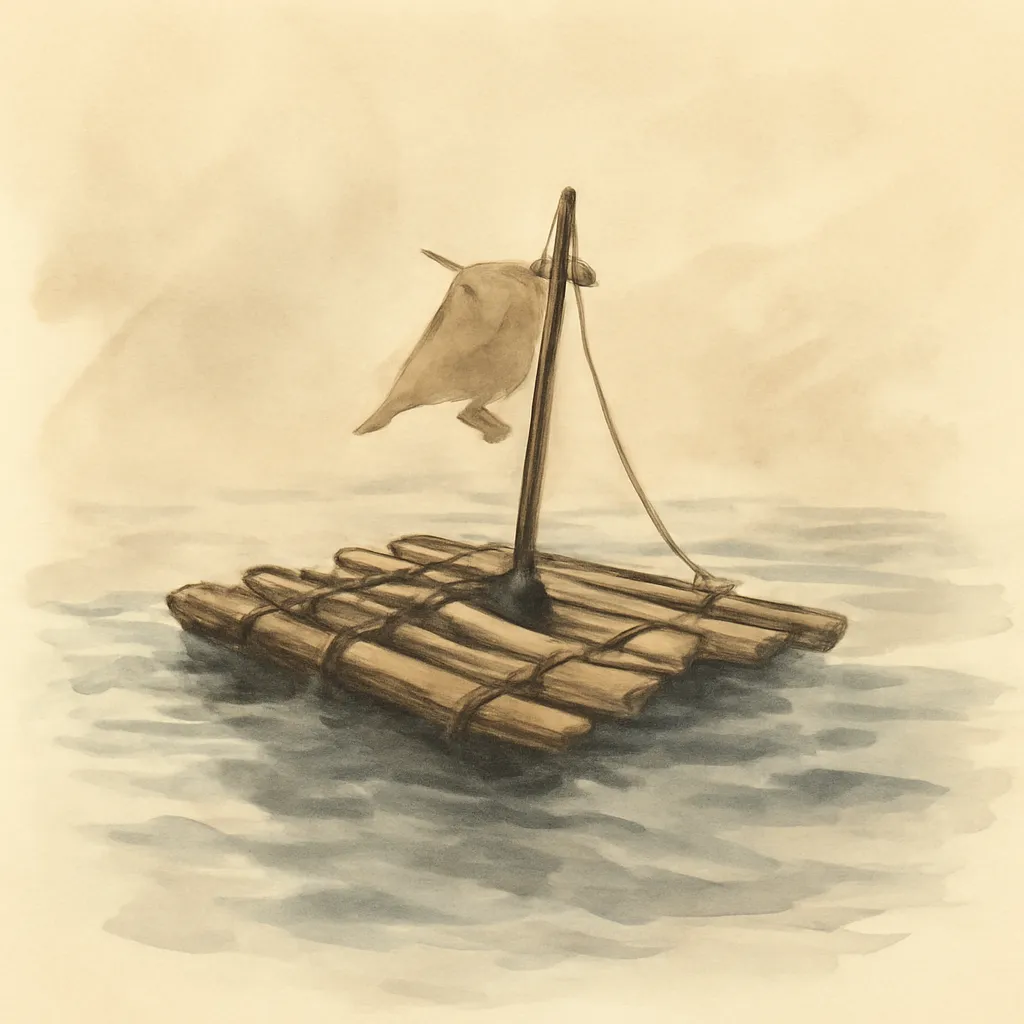
Despite the overwhelming odds, the novel is ultimately about endurance and the possibility of renewal. The family’s ability to salvage what remains—both physically and emotionally—after the storm speaks to the human capacity for resilience. Ward refuses easy redemption, but she offers a hard-won sense of hope rooted in connection and persistence.