1.The Power and Fragility of Dreams
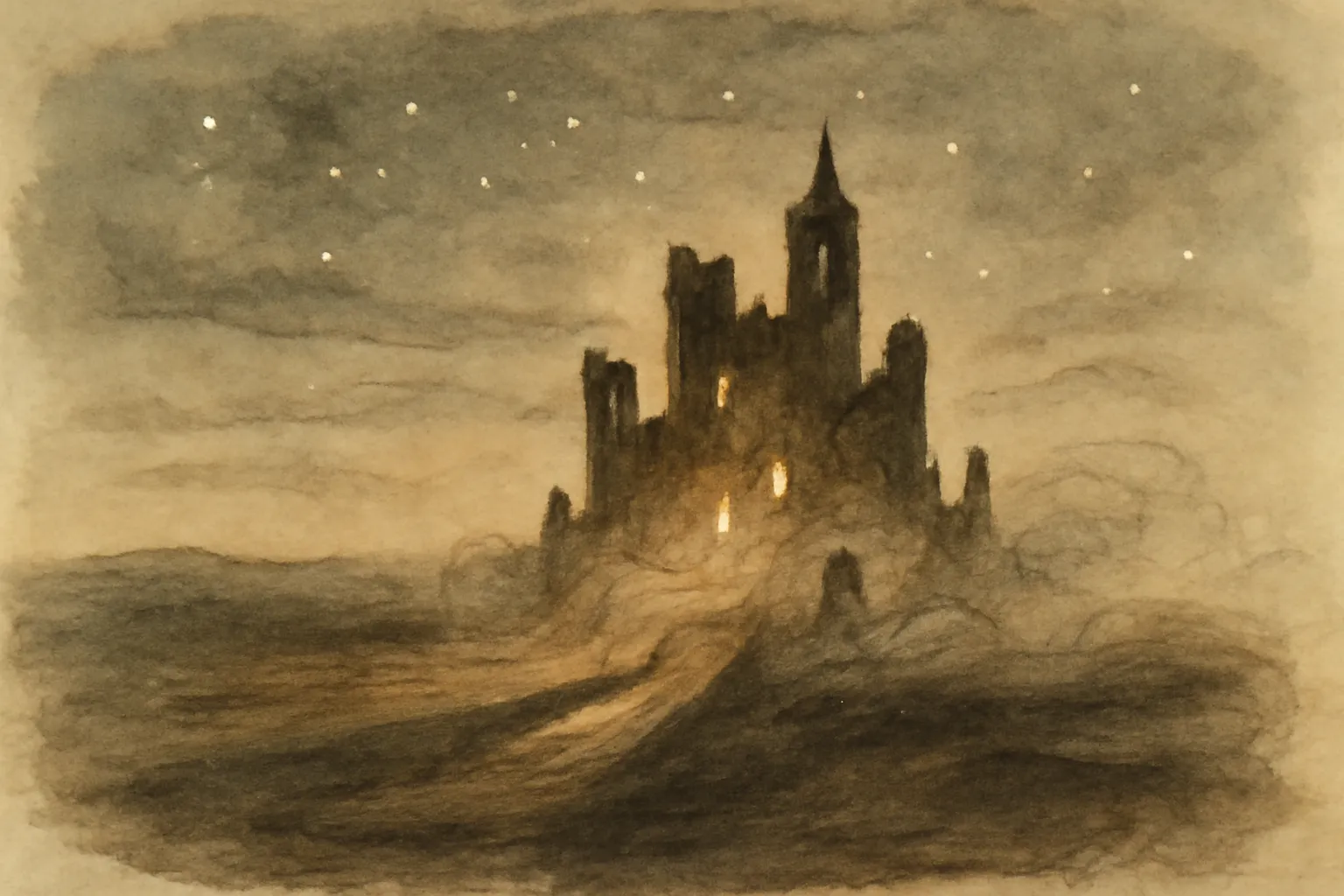
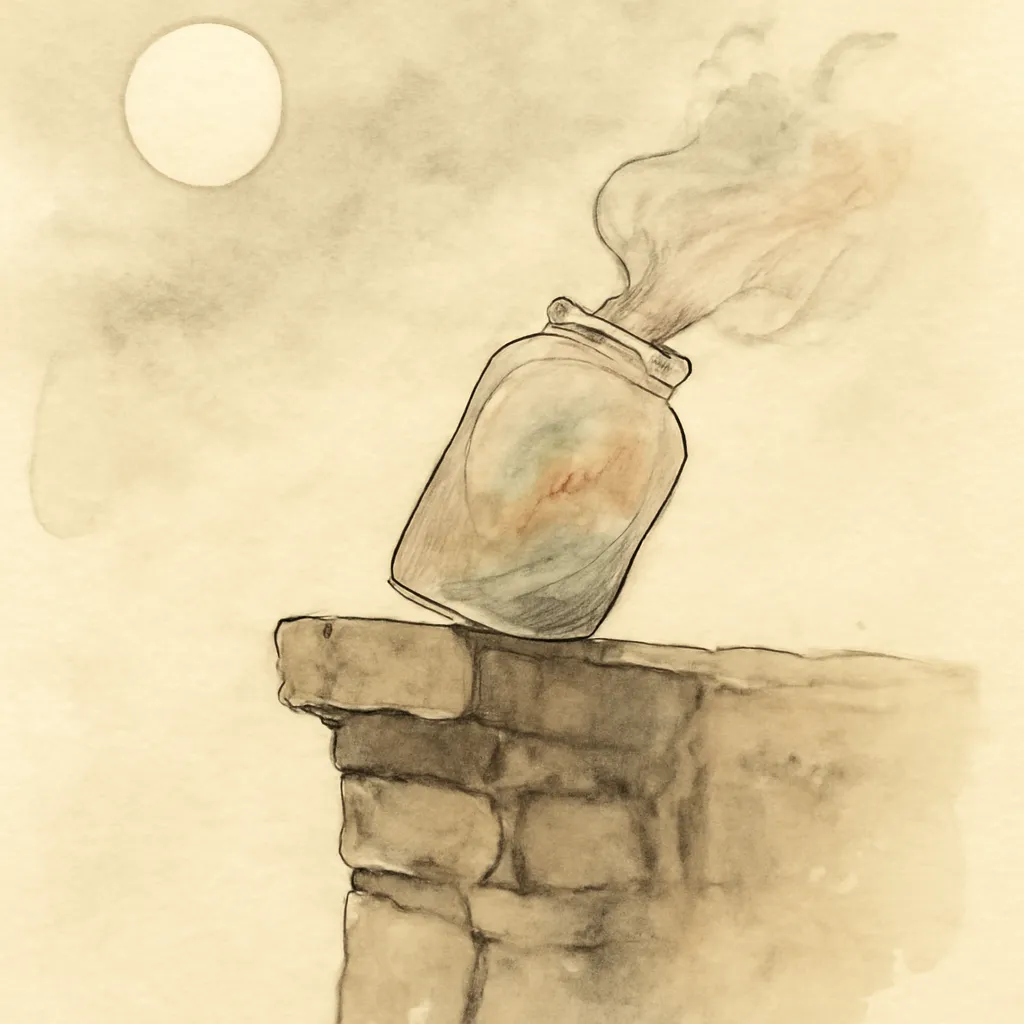
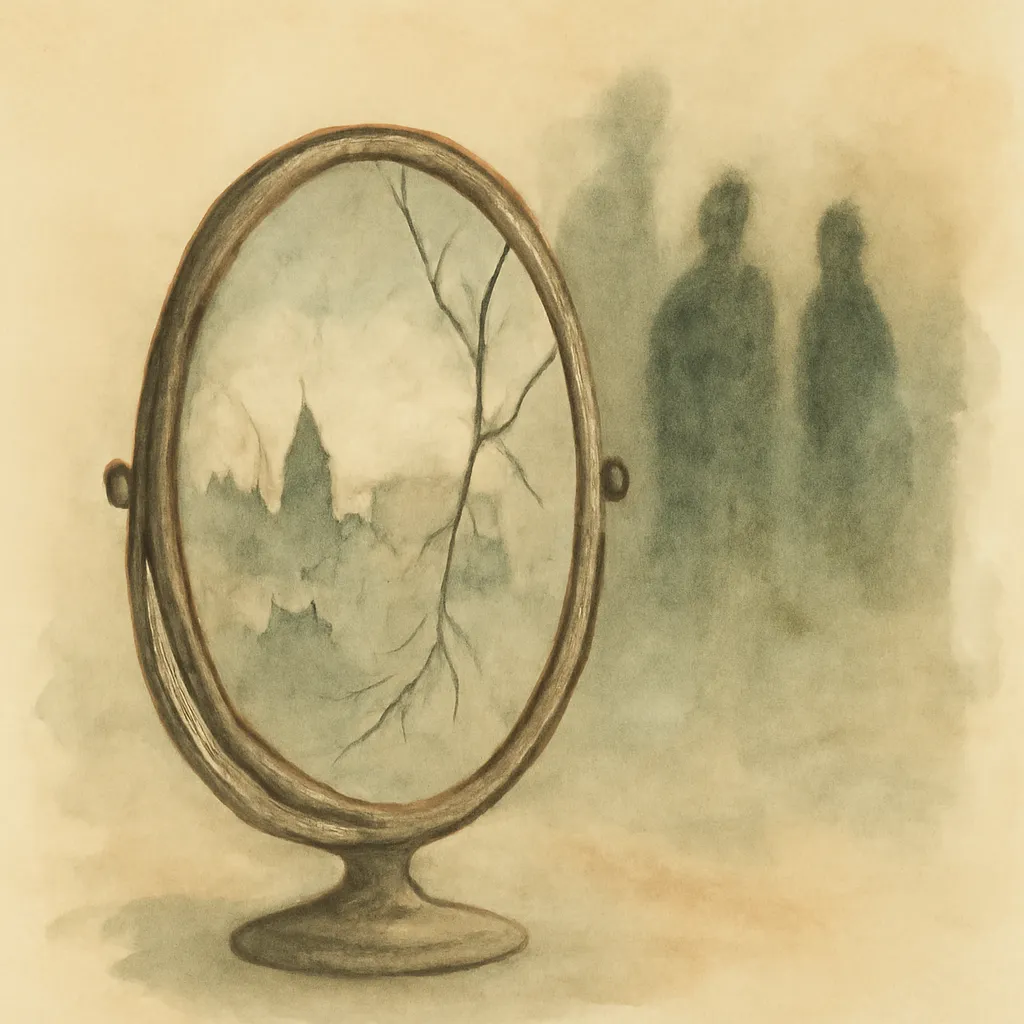
At its core, Preludes & Nocturnes explores the concept that dreams are not mere illusions but fundamental to human existence. Dream (also known as Morpheus), the protagonist, is the personification of dreams, and his capture disrupts the world in subtle and profound ways. Gaiman uses this premise to suggest that our aspirations, fears, and stories shape reality as much as any tangible force, and that when dreams are suppressed, societies and individuals suffer.
2.Mythology Reimagined
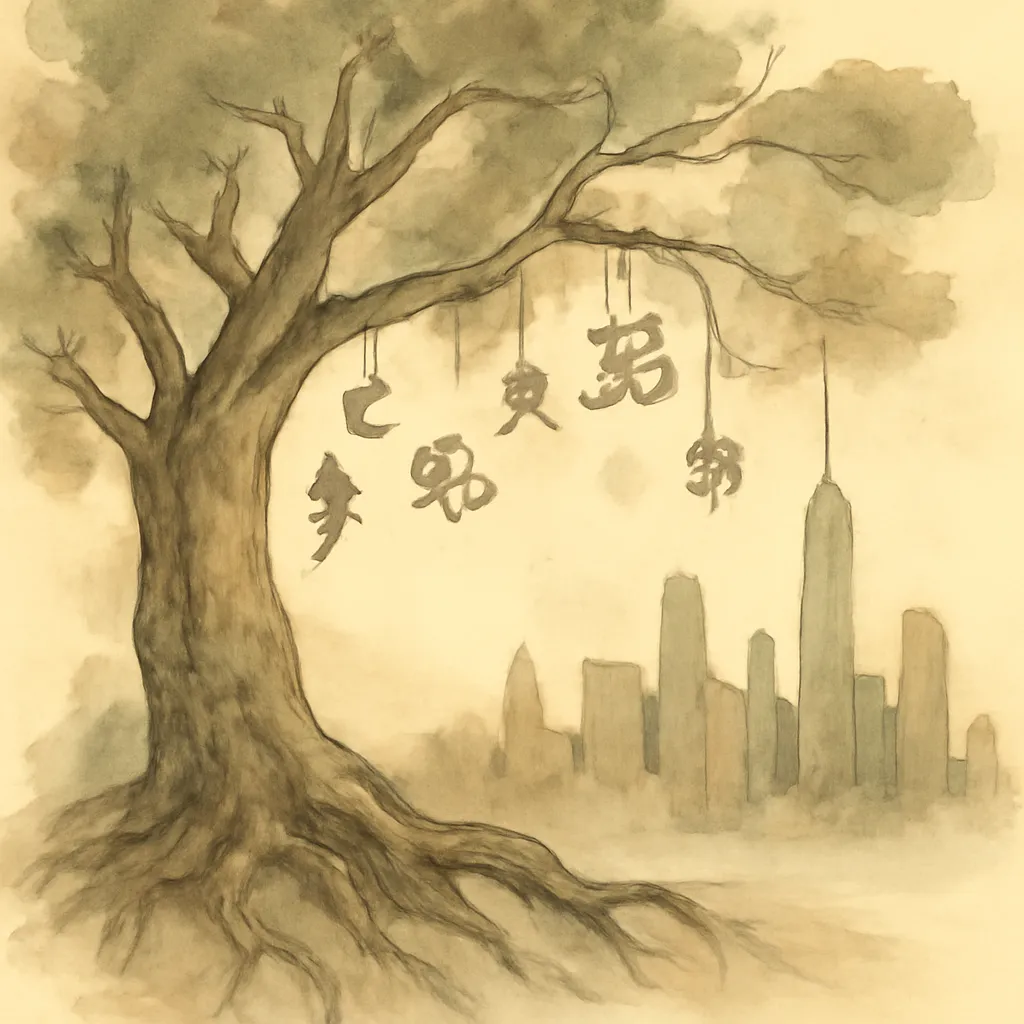
Gaiman draws from a vast tapestry of mythological, literary, and religious sources, reworking them into a modern context. The Endless, the family of anthropomorphic beings to which Dream belongs, are original creations but resonate with archetypes from various traditions. This blending of old and new mythologies creates a layered narrative that feels both timeless and contemporary, inviting readers to reflect on the enduring power of myth in shaping culture and identity.
3.The Nature of Power and Responsibility
Dream’s journey to reclaim his lost tools is not just a quest for power, but a meditation on responsibility. Throughout the book, Dream encounters those who have misused or been corrupted by his artifacts, highlighting the dangers of unchecked power. Gaiman suggests that true authority comes with the burden of care and self-restraint, and that even immortal beings must grapple with the consequences of their actions.
4.Horror as a Mirror
Preludes & Nocturnes is steeped in horror, not just for shock value, but as a means of examining human nature. The infamous '24 Hours' chapter, for example, uses supernatural terror to reveal the darkness within ordinary people. Gaiman uses horror to probe questions of morality, sanity, and the thin line between order and chaos, making the reader confront uncomfortable truths about themselves and the world.
5.Transformation and Redemption
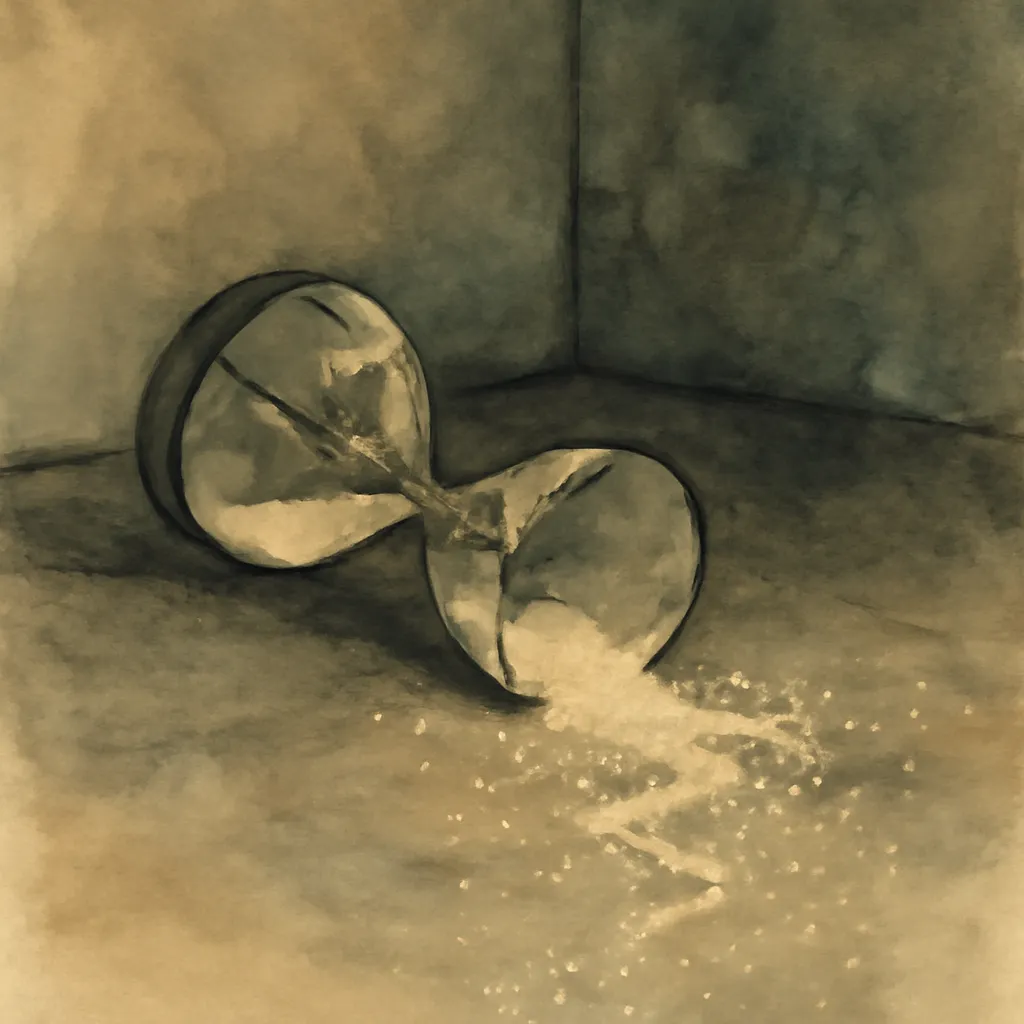
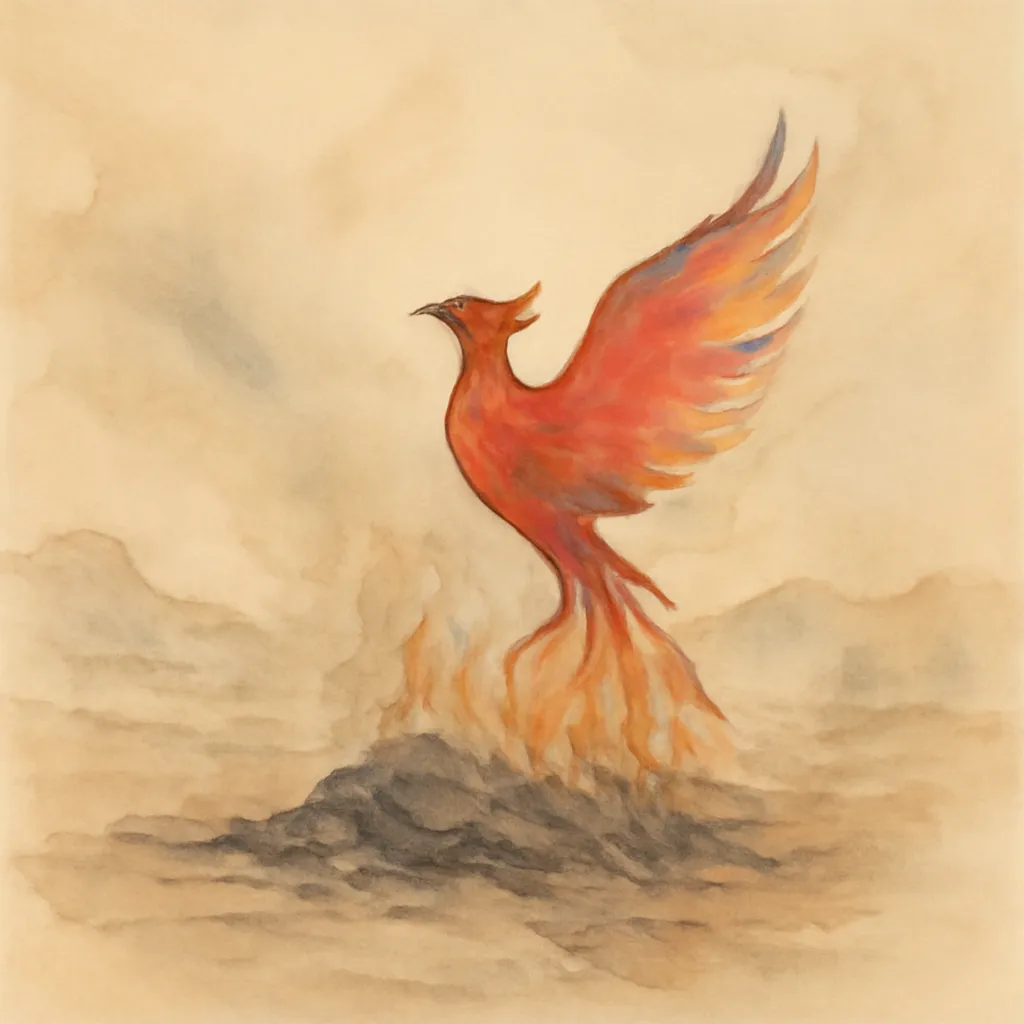
Dream’s ordeal is transformative; his captivity and subsequent quest force him to confront his own limitations and the need for change. The narrative suggests that suffering can be a catalyst for growth, and that even ancient, seemingly immutable beings are capable of learning and redemption. This theme resonates throughout the series, but its seeds are planted here, making the story not just about regaining lost power, but about evolving as a being.
6.Blurring the Lines Between Genres
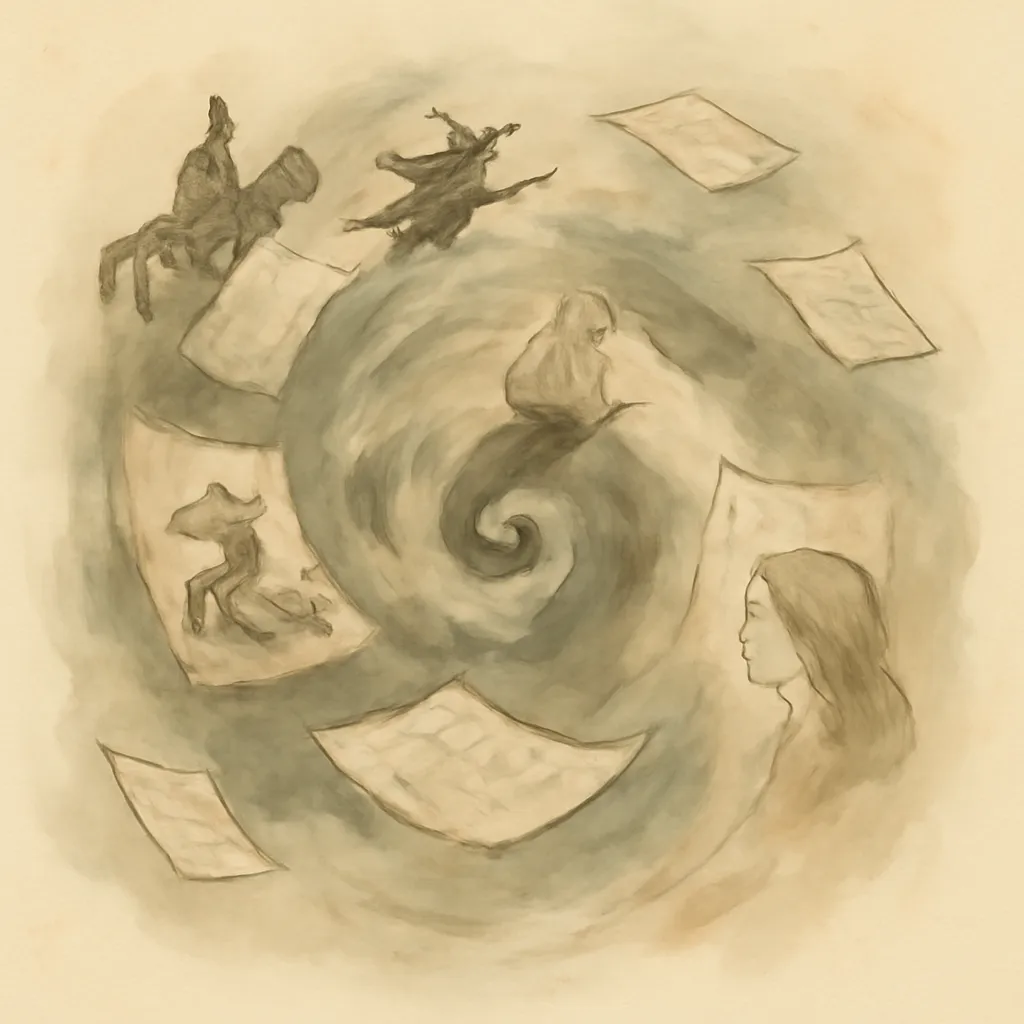
Gaiman’s storytelling in Sandman defies easy categorization, combining elements of fantasy, horror, and philosophical fiction. The book’s structure, shifting tones, and diverse cast of characters reflect the fluidity of dreams themselves. This genre-blending approach challenges readers’ expectations and expands the possibilities of what graphic novels can achieve.