1.The Cognitive Revolution
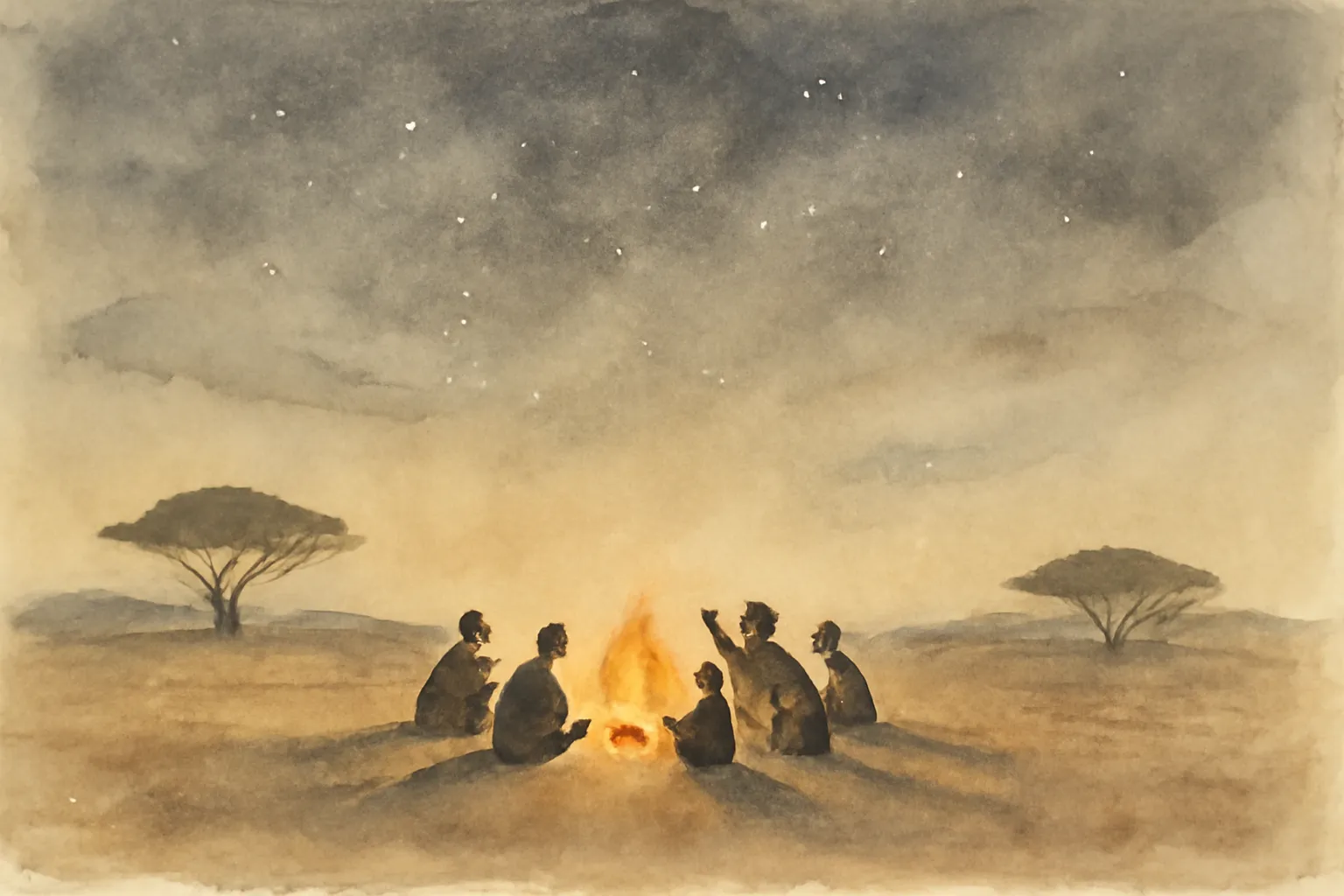
Harari identifies the Cognitive Revolution, around 70,000 years ago, as the turning point that set Homo sapiens apart from other human species. This leap in imagination and communication enabled large-scale cooperation, storytelling, and the creation of shared myths. Our ability to believe in collective fictions—gods, nations, money—became a unique evolutionary advantage, allowing us to organize in numbers far beyond what instinct alone would allow.
2.Shared Myths and Social Cohesion
A core argument of Sapiens is that human societies are built on shared beliefs, not just material realities. From religious doctrines to modern corporations, our capacity to collectively believe in abstract concepts underpins everything from legal systems to economies. These myths, while intangible, have real-world power, shaping behavior and enabling cooperation among strangers on a massive scale.
3.The Agricultural Revolution: Progress or Trap?
Harari challenges the conventional view of the Agricultural Revolution as unequivocal progress. While farming allowed population growth and the rise of cities, it also brought new hardships: longer working hours, disease, social hierarchies, and environmental strain. The shift from foraging to farming, he argues, may have made life harder for many individuals, even as it propelled humanity toward dominance.
4.The Unification of Humankind
Over millennia, disparate human cultures have merged through trade, conquest, and shared ideas. Harari traces how money, empires, and universal religions acted as unifying forces, creating a more interconnected—and sometimes homogenized—world. This process enabled unprecedented cooperation but also set the stage for global conflicts and cultural loss.
5.The Scientific Revolution and Human Power
The last 500 years saw humans embrace the idea of ignorance—recognizing how much we don’t know—and sparking the Scientific Revolution. This humility led to explosive growth in knowledge, technology, and power. Harari explores how science, capitalism, and imperial ambition became intertwined, driving both progress and exploitation.
6.The Future: Homo Sapiens as Gods?
Sapiens concludes by examining humanity’s growing power to reshape life itself through biotechnology and artificial intelligence. Harari warns that as we acquire godlike abilities to design organisms and alter our own biology, we must confront profound ethical questions about what we want to become—and whether we are wise enough to wield such power responsibly.