1.The State of Nature and Natural Rights
Locke begins by describing the state of nature as a pre-political condition where individuals exist without formal government. In this state, all individuals are free and equal, possessing natural rights to life, liberty, and property. The law of nature governs this state, which dictates that individuals should not harm others in their life, health, liberty, or possessions. Locke sees the state of nature as a generally peaceful and reasonable environment where individuals can pursue their interests. However, he acknowledges that conflicts may arise, leading to a need for established laws and impartial judges to resolve disputes. His assertion that individuals have inherent rights and responsibilities forms a crucial basis for his political philosophy. Locke's vision is not one of chaotic freedom but of a rational framework guiding behavior in the absence of structured governance, thereby establishing a moral basis for individual rights.
2.The Social Contract as the Foundation of Government

Locke argues that to escape the uncertainties of the state of nature, individuals collectively agree to form a government through a social contract. This contract is based on mutual consent, where individuals relinquish some of their freedoms in exchange for the protection of their remaining rights. The legitimacy of government hinges upon this consent; if a government fails to protect the rights of its citizens, it loses its authority. This concept radically challenges the idea of absolute monarchy and divine right, positioning the governed as active participants in their own governance. Locke emphasizes that this social contract is not a one-time agreement but an ongoing process, with the government remaining accountable to the people. His notion of governmental authority derived from the consent of the governed lays the groundwork for modern democratic thought and the recognition of popular sovereignty. The social contract is thus a transformative idea, reshaping the relationship between rulers and the ruled.
3.Property Rights and the Role of Labor

Locke presents a unique perspective on property rights, asserting that ownership arises from the labor individuals invest in resources. In the state of nature, resources are held in common, but when a person mixes their labor with these resources, they establish a claim to ownership. For instance, if someone cultivates a field, they rightfully claim it as their own because their labor has transformed it. However, Locke places limits on property accumulation: individuals may only appropriate as much as they can reasonably use without waste. This principle underscores the importance of responsible stewardship of resources and highlights the ethical considerations surrounding property ownership. Locke's exploration of property rights is essential for understanding the relationship between labor and ownership, as well as the implications for economic systems and social equity. He argues that property rights are fundamental to individual freedom and economic prosperity, forming the bedrock of societal development.
4.The Purpose and Limits of Government

According to Locke, the primary role of government is to safeguard the natural rights of individuals, particularly their property. Government must establish laws that reflect the will of the people and provide an impartial system for resolving disputes. Locke emphasizes that the power of government is not absolute; it exists to serve the citizens and must operate within the bounds of the law. The government's legitimacy is derived from its effectiveness in safeguarding individual rights. Moreover, any exercise of power must be justified by the consent of the governed. This view enshrines the idea that citizens have the right to revolt against governments that fail to fulfill their responsibilities, a radical notion that empowers individuals against tyranny. Locke asserts that when the government violates the social contract, the people not only have the right but also the duty to resist, thereby establishing a dynamic relationship between authority and accountability that remains relevant today.
5.Legislative Power and Accountability
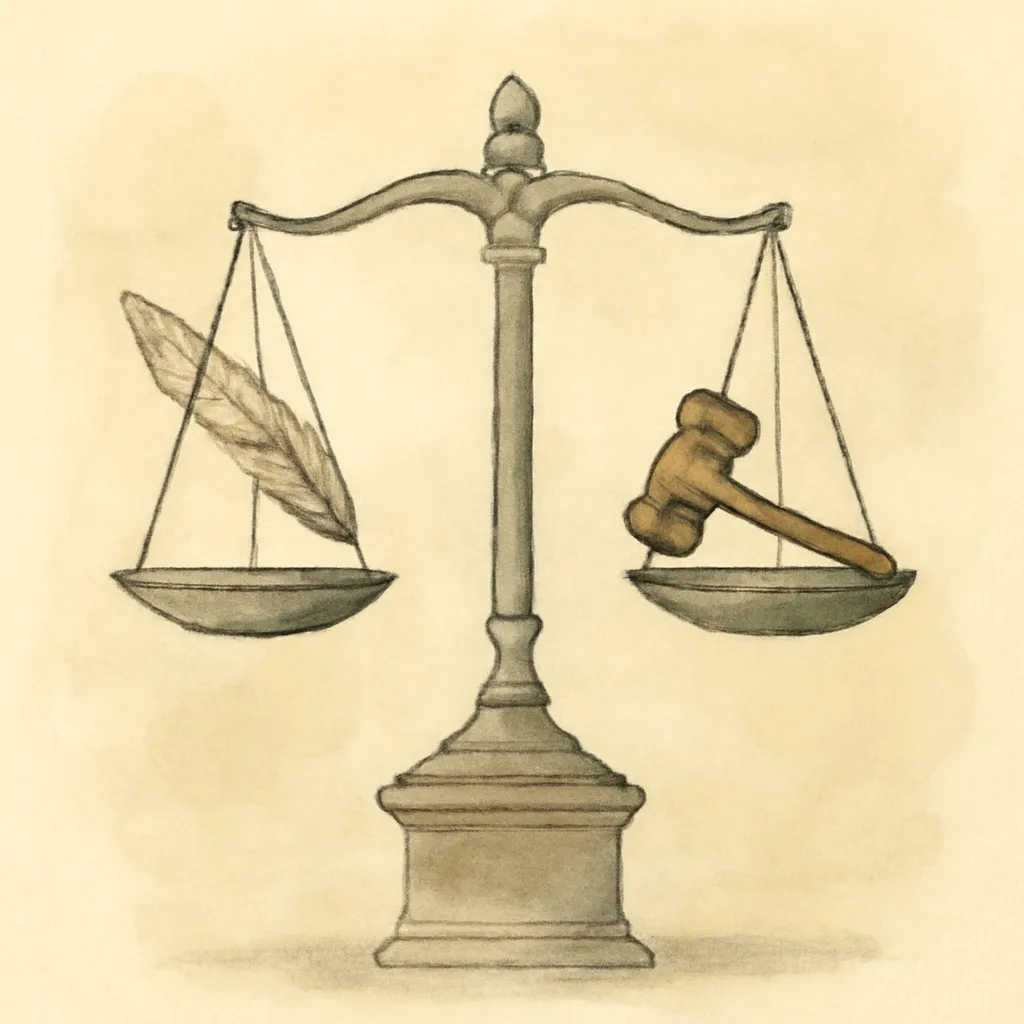
Locke delineates the importance of legislative power within a government, which must be distinct from the executive power. The legislature is tasked with creating laws that protect the rights of the citizens, while the executive enforces these laws. Importantly, Locke insists that the legislative body must be accountable to the people; if it oversteps its bounds or acts against the interests of its constituents, it forfeits its legitimacy. This check on power is a crucial aspect of maintaining a just society, ensuring that no single entity can wield unchecked authority. Locke's ideas about the separation of powers serve as a blueprint for modern democratic governance, influencing the structure of contemporary political institutions and emphasizing the need for accountability and representation in government. By establishing that the legislative must operate with the consent of the governed, Locke creates a foundation that fosters civic engagement and protects individual rights.
6.The Right to Revolution

Locke asserts that citizens have a fundamental right to revolt against a government that fails to protect their rights or becomes tyrannical. This right is rooted in the social contract; when a government violates the terms of that contract, it loses its legitimacy. Locke provides historical examples to illustrate this point, arguing that if a ruler acts against the interests of the people or imposes arbitrary power, the people are justified in resisting. This revolutionary principle has resonated throughout history, inspiring movements for democracy and rights as it empowers individuals to take action against oppression. Locke's assertion that the people can reclaim their rights through revolution underscores the importance of active citizenship and the ongoing negotiation of power between the governed and their rulers. This concept not only legitimizes dissent but also places the moral responsibility of governance squarely on the shoulders of the rulers, emphasizing that they must uphold the principles of liberty and justice.
7.The Limits of Executive Power
Locke emphasizes that the executive branch, while responsible for enforcing laws, must operate within the confines of the law itself. The power of the executive is not absolute; it is a fiduciary trust meant to serve the public good. If the executive overreaches or acts outside its authority, it risks undermining civil society's very foundation. Locke illustrates that the executive's power to convene and dismiss the legislature must be exercised with prudence and in the interest of the citizens. This framework ensures that the government remains accountable and responsive to the needs of the people. By establishing the principle that the executive must operate with the consent of the governed, Locke creates a system of checks and balances that protects individual rights from potential abuses of power. This balance is essential for fostering a government that prioritizes justice and the welfare of its citizens.
8.Despotism and the Abuse of Power
Locke warns against despotism, defined as the arbitrary power one individual has over another. He argues that such power cannot be justified by natural law or social contract, as it violates the fundamental rights of individuals. Despotism arises when rulers ignore the principles of consent and the protection of rights, leading to tyranny. Locke contends that the people must resist such abuses of power to maintain their freedom and security. This critique of despotism is particularly relevant in discussions of governance and human rights, underscoring the importance of accountability in leadership. By highlighting the dangers of unchecked authority, Locke advocates for a society where power is distributed and monitored to prevent tyranny. His insights into the nature of power and the responsibilities of governance remain vital today, as they inform ongoing debates regarding the limits of authority and the rights of citizens.
9.The Influence of Locke's Ideas on Modern Governance
Locke's 'Second Treatise' has had a profound impact on the development of modern political thought and governance. His principles of individual rights, the social contract, and the right to revolt have influenced democratic revolutions and constitutions worldwide. Notably, Locke's ideas informed the founding documents of the United States, including the Declaration of Independence, which echoes his beliefs about government deriving its power from the consent of the governed. The emphasis on protecting individual liberties and limiting governmental power continues to resonate in contemporary political discourse, showcasing Locke's enduring legacy. By advocating for a government accountable to its citizens, Locke's work inspires ongoing discussions about democracy, rights, and civic engagement. His ideas challenge us to reflect on the responsibilities of citizenship and the framework required for a just society.
10.The Interplay of Freedom and Security
Locke's philosophy navigates the delicate balance between individual freedom and societal security. While he champions the rights of individuals to act freely, he recognizes that this freedom must be tempered by the need for security and order within society. The establishment of government is an acknowledgment that while individuals are free, their actions must not infringe on the rights of others. Locke's vision of a structured society seeks to ensure that freedom does not lead to chaos but instead fosters a framework for cooperation and mutual respect among citizens, allowing for a harmonious coexistence. This interplay between freedom and security informs contemporary debates on civil liberties and state authority, emphasizing the ongoing significance of Locke's insights. By articulating the need for a balance, Locke encourages a society that nurtures both personal liberty and collective well-being.